Buddhist Etiquette in Korea: Rules and Customs for Temple Visits

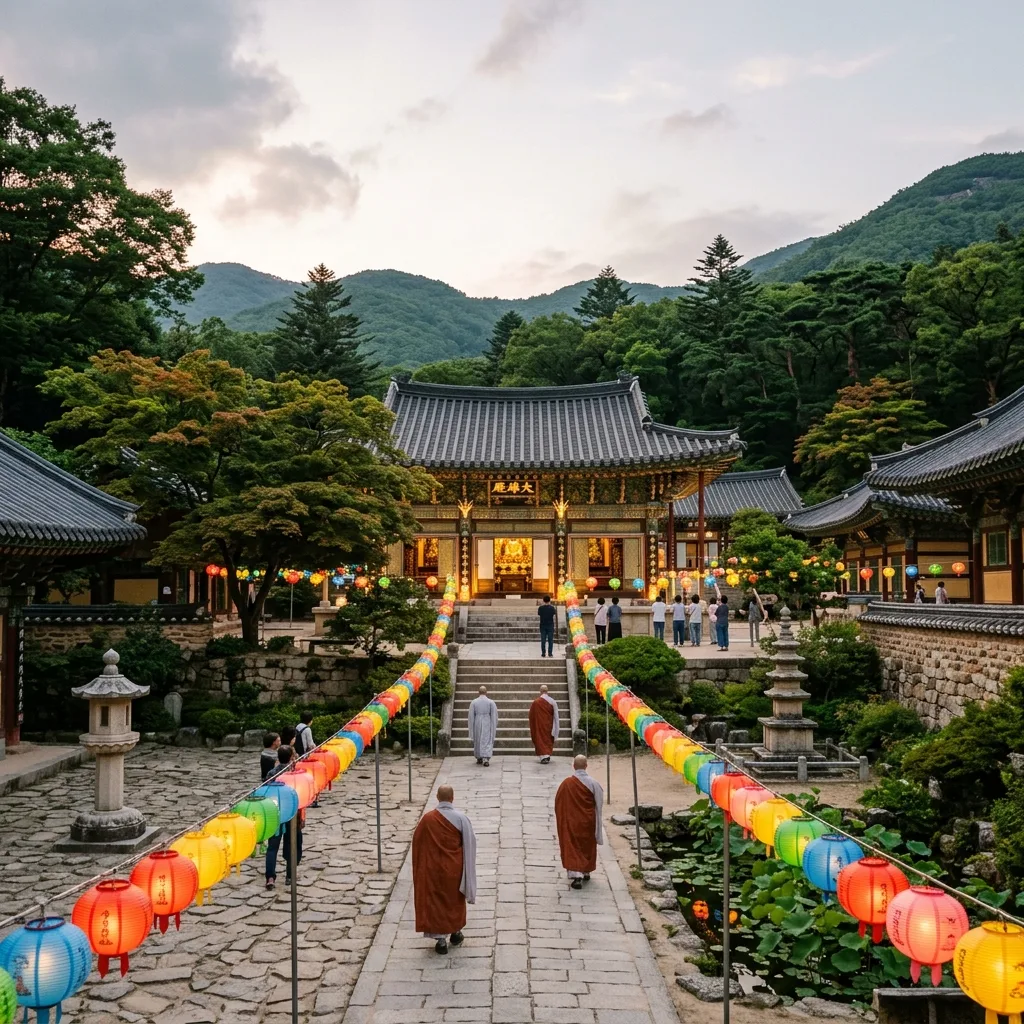
Stepping into a Korean Buddhist temple is an immersion into centuries of spiritual tradition, tranquil beauty, and profound respect. These sacred spaces, often nestled amidst breathtaking natural landscapes, offer a serene escape from the modern world. However, to truly appreciate their sanctity and avoid unintentional missteps, understanding and adhering to local etiquette is paramount. This guide provides essential rules and customs for temple visits in Korea, ensuring your experience is both enriching and respectful.
Korean Buddhist temples are not merely historical sites; they are active places of worship, meditation, and monastic life. Respecting the practices and traditions of the resident monks and nuns, as well as the fellow worshippers, is key to a meaningful visit. For a broader understanding of how to navigate local customs, refer to our guide on Cultural Etiquette in South Korea: Tips for International Travelers. From appropriate dress to specific actions within prayer halls, a little preparation goes a long way in showing your reverence for these cherished cultural and spiritual treasures.
General Conduct and Atmosphere: Honoring Sacred Spaces with Mindfulness
When you step into a Korean Buddhist temple, you are not merely visiting a historical site; you are entering a living, breathing spiritual sanctuary. Your behavior should intrinsically reflect the reverence, tranquility, and profound respect inherent in such an environment. The very essence of temple etiquette lies in cultivating mindfulness and showing deep respect for the sacredness of the space and the practices of those who reside and worship there. Maintaining a quiet, contemplative, and unobtrusive demeanor is thus fundamental to a respectful and enriching visit.
To truly honor these sacred spaces, visitors are encouraged to embrace "Noble Silence"—a mindful approach to quietude. This means speaking in low whispers, if at all, and completely refraining from shouting, running, or engaging in any activities that might disrupt the profound peace, such as playing loud music, having boisterous conversations, or using mobile phones for calls. Envision the temple grounds and halls as extensions of a meditation space, where quietude facilitates introspection and spiritual practice for all. Walk slowly and deliberately, observing your surroundings without haste, allowing the serene atmosphere to permeate your experience.
A traditional and elegant gesture of respect, known as Chasu (차수), involves gently folding your hands in front of your lower abdomen (with the right hand placed over the left, thumb tips lightly touching). Practicing this simple act while walking around the temple grounds signifies humility, reverence, and a mindful awareness of your presence in a holy place. It's also crucial to remember that temples are considered places of spiritual purity; therefore, alcohol consumption, smoking, and the bringing of non-vegetarian food (meat or fish) are strictly forbidden anywhere on the temple grounds. Adhering to these general conduct guidelines not only ensures a harmonious experience for everyone but also actively contributes to preserving the sanctity and peaceful ambiance of these cherished cultural and spiritual treasures.
Dress Code: Modesty and Respect for Sacred Spaces
Your attire is a direct visual expression of your respect when visiting Korean Buddhist temples. Modesty is paramount. Clothing should always cover your shoulders, chest, and knees. This strictly means avoiding tank tops, sleeveless shirts, short shorts, mini-skirts, or any overly revealing garments that might be considered inappropriate in a sacred religious setting. It is also advisable to avoid overly flashy colors, loud patterns, or conspicuous jewelry, as these can draw undue attention and detract from the solemnity of the environment.
Opt for comfortable yet conservative clothing such as long pants, skirts, or dresses, and shirts with sleeves. Another crucial element of temple dress code is wearing clean socks. You will invariably be required to remove your shoes before entering any temple building or prayer hall, and walking barefoot inside these sacred spaces is considered disrespectful. Lastly, always remove hats and sunglasses before stepping into any temple building or prayer hall as a universal sign of deference and respect.
Entering Prayer Halls (Dharma Halls): Sacred Thresholds and Mindful Seating
Entering a Dharma Hall, the central space where ceremonies, chanting, and prayers take place, requires specific adherence to a precise etiquette. Always use the side doors when entering; the center door, known as Eoganmun (어간문), is reserved exclusively for the monastic community—monks and nuns. This distinction is a fundamental sign of respect for their spiritual path.
When crossing the threshold of any temple building, it is crucial to step over it, never on it. The threshold is considered a sacred boundary, symbolizing the transition from the secular world to the spiritual realm. Stepping on it is believed to bring bad luck and is seen as disrespectful.
Upon entering, perform a Hapjang (합장) bow—a gesture where you place your palms together in front of your chest, fingers pointing upwards. Direct this small bow towards the Buddha statue as a respectful greeting. If you choose to sit on the floor, which is common during services or meditation, always sit cross-legged. It is vitally important to never point your feet towards the Buddha statue, images of revered figures, or even towards monks and nuns, as the feet are considered the lowest part of the body and this gesture is considered highly offensive. If your legs become uncomfortable, gracefully tuck them to the side (a posture known as ban-ga-bu-jwa or kyul-ga-bu-jwa) rather than extending them forward. Furthermore, remember that the area directly in front of the Buddha altar is reserved for the monastic community or those leading the ceremony. If you wish to pray or meditate, respectfully position yourself to the sides or the back of the hall, ensuring you do not obstruct or interrupt others' practice.
Interacting with Monks and Nuns: Reverence for the Sangha
Monks and nuns (collectively known as the Sangha), who dedicate their lives to spiritual practice and the propagation of Buddhist teachings, are highly respected figures in Korean society. Your interactions with them should consistently reflect this deep reverence and understanding of their sacred vows.
If you encounter a monk or nun, perform a Hapjang (합장) bow as a respectful greeting. You do not need to initiate conversation unless they address you first, as they may be in a state of meditation or focused on their duties. If you do speak, address them respectfully as "Sunim" (스님), which is a gender-neutral honorific that translates to "teacher" or "reverend."
A fundamental and inviolable rule is to never touch a monk or nun. Physical contact is strictly forbidden and goes against their monastic vows, particularly for those of the opposite gender. Similarly, avoid pointing at monks, nuns, or any sacred objects like Buddha statues with your fingers, as this is considered highly impolite and disrespectful in Korean culture. If you must hand something to a monastic, always do so with both hands, as this is another sign of utmost respect.
Photography & Offerings: Capturing Memories and Showing Devotion
While the serene beauty of Korean Buddhist temples often inspires visitors to capture their experience through photographs, it is essential to do so with respect and discretion. Photography is generally permitted in the courtyards and outside the temple buildings, allowing you to capture the stunning architecture, intricate decorations, and peaceful surroundings. However, photography is usually prohibited inside prayer halls (Dharma Halls), especially during active services, ceremonies, or when individuals are engaged in meditation. Always look for "No Photography" signs, and if in doubt, err on the side of caution and refrain from taking pictures indoors. The primary purpose of these spaces is spiritual practice, and photography can be a distraction. When taking photos outdoors, be mindful of monks, nuns, and other worshippers; avoid disrupting their activities or privacy.
Making an offering is a traditional way to show devotion and support the temple. While you are not obligated to make an offering, many visitors choose to do so. Common offerings include rice, candles, or incense, which can often be purchased at a small shop or designated area within the temple complex. When presenting an offering, do so respectfully, placing it on the altar or in the specific areas designated for offerings. This act is a gesture of merit and provides an opportunity to participate in the spiritual life of the temple.
Temple Stay Specifics: A Deeper Immersion into Monastic Life
For those seeking a truly immersive cultural and spiritual experience, a Temple Stay program offers a unique opportunity to live like a monk or nun for a short period. These programs provide a deeper understanding of Korean Buddhism and monastic life, going beyond the casual visitor's experience. If you participate in a Temple Stay, be prepared for specific etiquette and a structured daily routine:
Daily Rituals and Practices:
- Yebul (Ceremonial Service): Monastic life begins early with Yebul, the daily ceremonial service involving chanting and bowing. Depending on the temple, these are typically performed three times a day: at dawn, midday, and evening. Participating in Yebul offers a profound insight into Buddhist devotion.
- Chamseon (Meditation): Often a core component of Temple Stays, Chamseon (Zen meditation) involves sitting meditation focused on breath awareness or the practice of Ganhwa Seon (koan practice), a method of questioning to attain enlightenment. It's an opportunity for deep introspection and mental clarity.
- Balwoo Gongyang (Monastic Meal Etiquette): Temple meals are typically vegetarian and eaten in complete silence, a practice known as Balwoo Gongyang. This is a mindful eating practice where you are expected to finish every grain of rice and every piece of vegetable, showing profound gratitude for the food and minimizing waste. The ritual often concludes with washing your bowl using a small piece of pickled radish, and then drinking the rinse water, ensuring absolutely nothing is wasted.
- 108 Prostrations: A physical and spiritual practice to purify the mind and body. Performing 108 prostrations (deep bows) is a symbolic act to repent for the 108 delusions (worldly desires) that Buddhists believe afflict humanity, cultivating humility and inner peace.
Practical Aspects of Temple Stay:
- Early Schedule: Monastic life strictly adheres to an early schedule. Be prepared for a wake-up call as early as 3:30 AM or 4:00 AM to participate in morning chanting (Yebul) and meditation.
- Uniforms: Most temples provide a simple, comfortable uniform (often a grey vest and pants) to be worn throughout your stay. This fosters a sense of equality and unity among participants, removing distinctions based on external appearance.
- Digital Detox: While some temples may offer Wi-Fi in common areas, Temple Stays strongly encourage a digital detox. Minimizing phone use is highly recommended to fully engage in the meditative environment and the practices offered, allowing for introspection and disconnecting from external distractions.
- Sustainability: In line with Buddhist principles of harmony with nature, many temples in 2026 have moved towards "Zero-Waste" stays. Participants are often encouraged to bring their own reusable water bottle and basic toiletries. Towels and soap are usually provided, but toothbrushes and personal care items might not be.
Beyond Etiquette: Deeper Spiritual Practices & Symbolism
Understanding the rich symbolism embedded within Korean Buddhist temples can profoundly deepen your visit, transforming it from mere sightseeing into a journey of spiritual discovery.
The Symbolic Journey Through Temple Gates:
- Iljumun (One-Pillar Gate): This is often the first gate you encounter, typically appearing as a single line of pillars. It symbolizes the purification process required to enter the realm of the Buddha, representing the "one-mind" that leads to enlightenment. It reminds visitors to leave worldly thoughts behind before entering sacred grounds.
- Cheonwangmun (Four Heavenly Kings Gate): Following the Iljumun, you'll often pass through the Cheonwangmun, which houses intimidating statues of the Four Heavenly Kings (Cheonwang). These fierce deities guard the temple from evil spirits and protect the Dharma. Their imposing presence serves as a reminder to reflect on one's actions and intentions.
The Three Jewel Temples (Sambosachal):
Korea has three particularly sacred temples, known as the Three Jewel Temples (Sambosachal), each representing one of the "Three Jewels" of Buddhism: the Buddha, the Dharma (teachings), and the Sangha (monastic community). Visiting them offers a comprehensive understanding of Korean Buddhist heritage:
- Tongdosa Temple (Buddha Jewel Temple): Located in Yangsan, Gyeongsangnam-do, Tongdosa is unique as it contains no Buddha statues in its main halls. Instead, it houses relics (sarira) of the historical Buddha, Siddhartha Gautama, making it the "Buddha Jewel Temple" (Bulbo-sabchal).
- Haeinsa Temple (Dharma Jewel Temple): Situated in Hapcheon, Gyeongsangnam-do, Haeinsa is renowned as the "Dharma Jewel Temple" (Beopbo-sabchal) because it is home to the Tripitaka Koreana, a complete collection of Buddhist scriptures carved onto over 80,000 wooden printing blocks.
- Songgwangsa Temple (Sangha Jewel Temple): Found in Suncheon, Jeollanam-do, Songgwangsa is celebrated as the "Sangha Jewel Temple" (Seungbo-sabchal). It has historically produced a significant number of eminent monks and continues to be a vibrant center for monastic training and community.
Practical Guide for Your Temple Visit
Visiting a Korean Buddhist temple is an accessible and rewarding experience. Most temples are open to the public, though specific hours and admission fees can vary.
- Hours and Admission: While many temples, especially larger ones like Bulguksa or Haeinsa, have set visiting hours (typically from early morning to late afternoon) and may charge a modest admission fee, smaller, more secluded temples might have more flexible access. It’s always advisable to check the official website of the specific temple you plan to visit for the most current information regarding opening hours and entry costs. Some remote temples may not have English websites, so a quick search on a reputable travel blog or a call to the Korea Tourism Organization (if feasible) can be helpful.
- How to Get There: Korean temples are often located in scenic, mountainous areas. Public transportation is generally excellent in Korea, making many temples accessible. For temples near major cities, subway and bus routes are usually available. For more remote locations, intercity buses or even taxis might be necessary. Navigation apps like Naver Maps or Kakao Maps (which are more accurate than Google Maps in Korea) can provide detailed public transport directions. Consider that some temples might require a walk from the nearest bus stop.
- Booking Links: For general temple visits, no advance booking is typically required. However, for Temple Stay programs, advance reservations are essential. These can often be made directly through the official Temple Stay website (eng.templestay.com) or sometimes via major travel platforms like Klook or MyRealTrip, which offer curated experiences. Booking well in advance, especially during peak seasons, is highly recommended as spots can fill up quickly.
Tips & Common Mistakes to Avoid
Navigating a new cultural environment can be tricky, but these tips will help you have a smooth and respectful temple visit:
- Do Your Homework: A quick online search for the specific temple you're visiting can reveal unique customs or temporary closures.
- Arrive Early: Temples are most peaceful in the morning, offering a more serene experience and better photo opportunities before crowds arrive.
- Observe and Learn: Pay attention to how others, especially local worshippers, behave and try to emulate their respectful actions.
- Silence Your Phone: Ensure your mobile phone is on silent mode or turned off entirely. Avoid making or taking calls inside the temple grounds, especially near prayer halls.
- Don't Rush: Temple visits are meant to be contemplative. Take your time to absorb the atmosphere, appreciate the architecture, and observe the rituals.
- Common Mistakes:
- Ignoring Dress Code: Showing up in revealing clothing is a common oversight. Always cover knees and shoulders.
- Stepping on the Threshold: Accidentally stepping on the doorway threshold is a frequent faux pas. Remember to step over it.
- Pointing Your Feet: This is a significant sign of disrespect, particularly towards Buddha statues. Always tuck your feet to the side if sitting.
- Loud Conversations: Forgetting to lower your voice or remaining silent in designated areas can be disruptive.
- Taking Photos Inside Prayer Halls: This is almost universally frowned upon. Respect the signs and the sanctity of the space.
- Touching Monks/Nuns: Never make physical contact with monastic members.
- Entering Through the Center Door: This door is for monastic use only.
FAQ: Your Questions Answered
Here are some common questions first-time visitors have about Korean Buddhist temple etiquette:
-
Do I need to be Buddhist to visit a temple? No, absolutely not. Korean Buddhist temples welcome visitors of all faiths and backgrounds. They are considered cultural heritage sites as much as religious ones. The main requirement is to show respect for the customs and the peaceful environment.
-
Can I participate in temple rituals or meditation? For casual visits, direct participation in formal rituals might not be possible, but you can quietly observe. For active participation in meditation or chanting, a Temple Stay program is the best option, as it's designed for visitors to experience these practices.
-
What should I do if I accidentally break an etiquette rule? If you realize you've unintentionally broken a rule, simply correct your behavior immediately and discreetly. A small, silent bow or a gesture of apology can also be appropriate if you feel you've caused a significant disturbance. Most Koreans understand that foreign visitors may not be familiar with all customs and appreciate your effort to be respectful.
-
Are temples accessible for people with disabilities? Accessibility varies greatly. Many older temples, especially those in mountainous areas, may have uneven terrain, numerous stairs, and traditional architecture that presents challenges. Newer or renovated sections might offer better accessibility. It's best to research the specific temple you plan to visit or contact them directly for accessibility information.
-
Is it okay to bring children to a temple? Yes, children are welcome. However, parents are responsible for ensuring their children understand and follow the basic rules of quiet and respectful behavior. Loud play or running around is not appropriate in temple compounds.
Conclusion: A Journey of Respect and Discovery
Visiting a Korean Buddhist temple is more than just sightseeing; it's an opportunity for cultural immersion and spiritual reflection. By understanding and practicing these fundamental rules of etiquette, you not only show profound respect for Korean traditions and the Buddhist faith but also enhance your own experience. To further plan your travels, explore The Ultimate 10-Day South Korea Itinerary for First-Timers. Approach your visit with an open mind and a respectful heart, and you will undoubtedly find serenity and a deeper appreciation for Korea's rich heritage. Embrace the tranquility, observe the beauty, and allow the peaceful atmosphere to leave a lasting impression on your journey through South Korea.
If you want a better temple route, pair this with Temple Stays in South Korea, UNESCO World Heritage Sites in South Korea, and Seoul's Five Grand Palaces. Those three give the practical, heritage, and city-palace angles in one flow.