Hidden Temples of Jeolla Province: Seonamsa and Songgwangsa

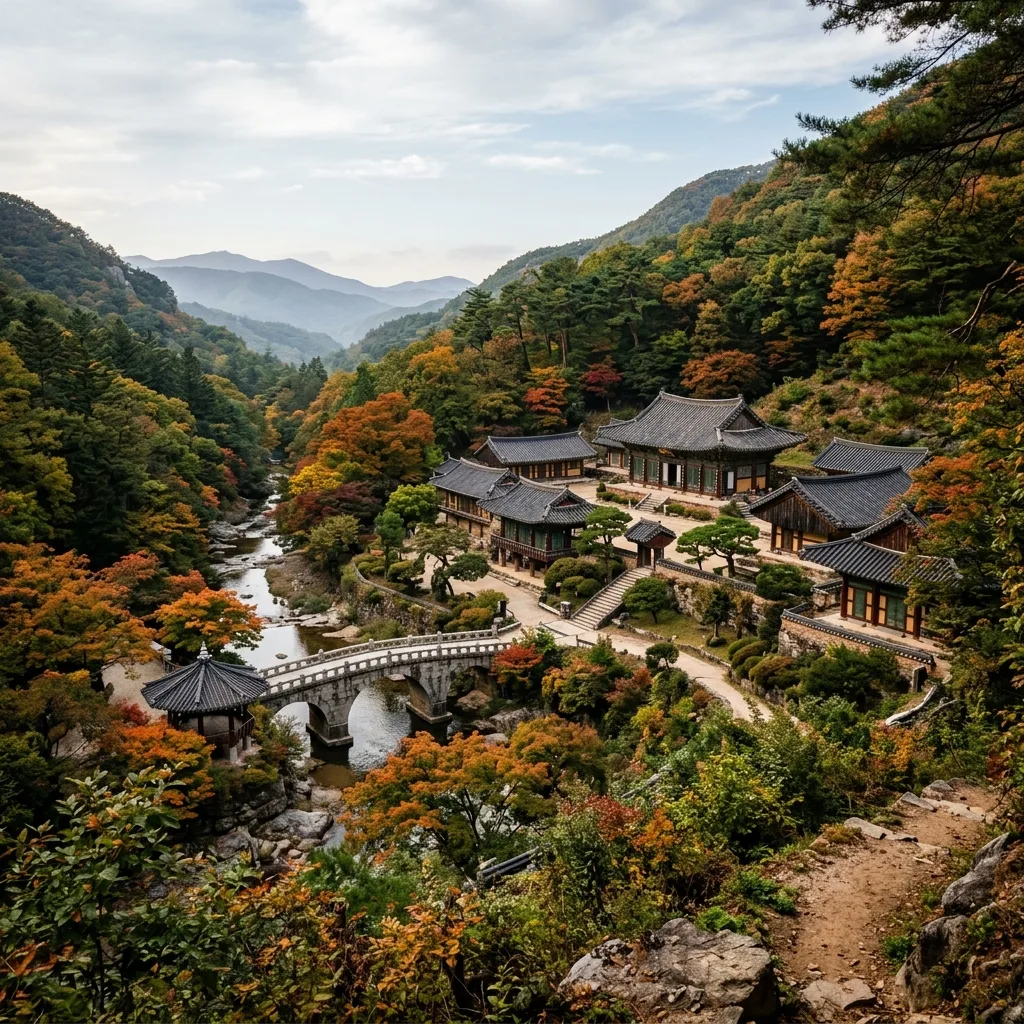
Nestled amidst the lush, ancient landscapes of Jeollanam-do, South Korea, lie two spiritual sanctuaries—Seonamsa and Songgwangsa—that beckon travelers seeking tranquility, profound history, and breathtaking natural beauty. Far removed from the bustling cityscapes, these hidden gems offer an unparalleled opportunity to immerse yourself in Korea's rich Buddhist traditions and architectural marvels. Imagine wandering through ancient courtyards, listening to the rhythmic chants of monks, and marveling at centuries-old pagodas and intricate carvings, all while surrounded by the serene embrace of verdant mountains. This guide will transport you to these sacred sites, providing all the essential information to plan an unforgettable journey into the heart of Korean spirituality. We'll delve into the unique charm of each temple, offer practical advice for your visit, and reveal how these serene havens continue to preserve centuries of wisdom in the modern world. If you're looking to explore the deeper, more spiritual side of South Korea, beyond the typical tourist trails, Seonamsa and Songgwangsa offer an authentic and deeply rewarding experience.
Discovering the Spiritual Sanctuaries of Jeolla Province: A Journey Beyond the Ordinary
Jeolla Province, particularly its mountainous regions, is renowned for harboring some of South Korea's most significant and picturesque Buddhist temples. These temples are not just places of worship but living museums, repositories of art, history, and profound spiritual practices that have shaped the Korean peninsula for over a millennium. Seonamsa and Songgwangsa, in particular, stand out as epitomes of this rich heritage, each offering a unique window into the heart of Korean Buddhism. For travelers in 2026, exploring these sites provides a peaceful escape and a deep cultural immersion, with both temples now offering free admission, making them more accessible than ever. Their historical significance and serene settings make them indispensable stops for anyone wishing to experience the true essence of traditional Korea. Far from the bustling metropolises, these sanctuaries invite visitors to slow down, reflect, and connect with a spiritual legacy that has endured for centuries. They are vibrant centers of cultural preservation, where ancient rituals are practiced daily and the wisdom of generations is passed down.
Seonamsa Temple: A UNESCO Gem of Tranquility and History
Seonamsa Temple (선암사), often referred to as "Rock Seon Temple," is a UNESCO World Heritage site celebrated for its stunning natural surroundings, exquisite traditional architecture, and a profound sense of peace. Located on the eastern slopes of Jogyesan Mountain near Suncheon, Seonamsa boasts a history spanning over 1,500 years, with its origins tracing back to the Baekje Dynasty. The temple is particularly famous for its harmonious integration with nature, featuring a beautiful valley stream, ancient trees, and meticulously maintained gardens that create an atmosphere of profound serenity. Its most iconic feature is undoubtedly the Seungseongyo Bridge, a gracefully arched stone bridge designated as a National Treasure, whose reflections in the pristine waters below have captivated artists and visitors for centuries. Unlike many modern temples, Seonamsa has intentionally preserved its original, rustic charm, offering a genuine glimpse into the past. The approach to the temple is an experience in itself, winding through a fragrant forest that prepares the mind for the tranquility ahead.
The temple complex itself is a labyrinth of beautifully preserved halls, pagodas, and hermitages, each telling a piece of Korea's spiritual narrative. As you wander through its grounds, you'll encounter the Daeungjeon (Main Buddha Hall), which houses precious Buddhist scriptures and artifacts, and various smaller shrines and pagodas, each with its own story. The intricate wooden carvings and vibrant dancheong (traditional Korean decorative coloring) that adorn the buildings are a testament to the masterful craftsmanship of generations past. Seonamsa is also known for its traditional Temple Stay Programs in Korea: A Guide to Finding Inner Peace, offering visitors a chance to experience monastic life, including early morning chants, meditation, and communal meals. For those seeking a deeper connection with Korean Buddhist culture, a temple stay at Seonamsa can be a transformative experience, providing insights into mindfulness and the disciplined lifestyle of Buddhist practitioners. The temple's commitment to traditional practices is evident in its lack of modern renovations, maintaining an authentic charm that transports visitors back in time, allowing them to truly feel the weight of its long history.
Exploring the Architectural Wonders and Natural Beauty
The journey to Seonamsa is as enchanting as the destination itself, a deliberate transition from the mundane world to a realm of spiritual contemplation. A tranquil forest path, approximately 1 kilometer long, leads from the parking area to the main temple complex. This gentle walk, particularly beautiful in spring with blooming plum and cherry blossoms (the Seonammae plum blossoms are particularly famous) or in autumn with vibrant foliage, serves as a natural transition from the everyday to the sacred. The iconic Seungseongyo Bridge, a single arch made of natural stones, is a masterpiece of Joseon Dynasty architecture and is considered one of Korea's most beautiful bridges. It is not merely a bridge but a profound symbol, connecting the earthly realm with the spiritual, its elegant curve often reflected perfectly in the serene waters below. Adjacent to the bridge is a small waterfall and pond, adding to the picturesque scenery and the meditative sounds of flowing water.
Within the temple grounds, several structures warrant close attention, each embodying a piece of Korean Buddhist philosophy and artistry. The Beopjonggak (Bell Pavilion) houses a massive bronze bell, whose deep, resonant tones mark the passage of time and prayer, echoing through the valley. The Gakhwangjeon, dedicated to the Maitreya Buddha, is another significant hall, notable for its intricate woodwork and vibrant murals depicting Buddhist narratives. Seonamsa is also home to a unique collection of wild tea plantations, which have been cultivated by monks for centuries, producing a distinctive local tea. Its traditional Jangdokdae (earthenware jar terrace) is one of the largest in Korea, housing various fermented foods essential to monastic life, showcasing the self-sufficiency and traditional practices of the temple. The blend of spiritual heritage, architectural brilliance, and natural splendor makes Seonamsa a truly unforgettable destination, a place where history and nature coalesce in perfect harmony.
Songgwangsa Temple: A Pillar of Korean Zen Buddhism and the Sangha Jewel
Songgwangsa Temple (송광사), also situated on Jogyesan Mountain and part of the same UNESCO World Heritage designation, holds immense significance as one of the three "Jewel Temples" of Korea. While Seonamsa is known for its natural harmony and rustic beauty, Songgwangsa represents the "Sangha" (the Buddhist community), having produced numerous revered monks and spiritual leaders throughout its long history, which also dates back over a thousand years. It is historically recognized as a pivotal center for Seon (Zen) Buddhism, deeply influencing the spiritual landscape of the Korean peninsula. Songgwangsa is not just a temple; it's a vibrant monastic complex, a leading training ground for monks, reflecting its role as a beacon of Buddhist scholarship and practice. Its reputation as a "Sangha Jewel" stems from its tradition of fostering enlightened practitioners and its pivotal role in disseminating Buddhist teachings across Korea and beyond. Visitors to Songgwangsa can feel the palpable energy of a living spiritual community dedicated to the preservation and practice of Buddhist tenets.
The temple grounds are vast and meticulously maintained, featuring an impressive array of halls, dormitories, and pagodas spread across a wide, open valley. The Daeungbojeon (Great Hero Hall) is the main worship hall, a majestic structure adorned with colorful dancheong paintings and intricate carvings that depict Buddhist cosmology and narratives. Unlike some temples that have undergone extensive modernization, Songgwangsa has retained much of its traditional character, providing a powerful sense of continuity with its past and offering an authentic experience of a historical Korean temple. The temple's layout reflects the principles of Buddhist cosmology, with various courtyards and gates guiding visitors through a spiritual journey, each step offering a new perspective. Songgwangsa is also renowned for its collection of wooden printing blocks, a testament to its long-standing tradition of scholarship and preservation of Buddhist scriptures, highlighting its intellectual as well as spiritual significance.
The "Musoyu Path" and Deeper Immersion into Temple Life
One of Songgwangsa's most celebrated features is the "Musoyu (Non-Possession) Path," a serene walking trail that leads to Bulilam Hermitage, the former residence of the revered monk Beopjeong (法頂, 1932-2010), known for his profound philosophy of non-possession and simplicity. This path, meandering through a dense forest, encourages introspection and a deep connection with nature, embodying the Zen spirit of detachment, simplicity, and mindfulness. The hermitage itself is a humble abode, offering a profound sense of peace and a quiet space to reflect on the teachings of Beopjeong Sunim, whose message of living lightly on the earth continues to resonate. Walking this path is a pilgrimage in itself, allowing visitors to shed worldly concerns and find inner tranquility.
Like Seonamsa, Songgwangsa also offers temple stay programs, which are highly regarded for their authentic immersion into monastic life. Participants can engage in a variety of activities designed to introduce them to Buddhist practice, such as making Buddhist prayer beads, learning about temple etiquette, participating in morning and evening chanting services (yebul), and practicing Seon meditation (chamseon). These programs provide a unique opportunity to gain insights into Buddhist philosophy, cultivate inner peace, and experience the disciplined yet peaceful rhythm of a monk's daily life. It's a chance to disconnect from the digital world and reconnect with oneself in a serene, supportive environment. The temple is also home to the Seongbo Museum, which houses a comprehensive collection of valuable Buddhist artifacts, including ancient scriptures, statues, and paintings, offering further insight into the temple's rich cultural and spiritual legacy, and providing context to the practices observed within its walls. For a broader understanding of similar sacred sites, consider exploring Korea's Most Sacred Buddhist Temples: A Complete Visitor's Guide.
Practical Guide for Visiting Seonamsa and Songgwangsa: Planning Your Spiritual Retreat
Planning your visit to these sacred sites requires a bit of preparation to ensure a smooth and enriching experience. Here’s a comprehensive guide to help you navigate your journey, from understanding opening hours to mastering local transportation.
Hours, Admission, and Fees (2026 Updates)
Seonamsa Temple:
- Admission: Free (as of May 2023, the cultural property admission fee for all major Korean temples has been officially abolished, making these spiritual journeys more accessible than ever).
- Parking: Free. While the official parking lot is free, be aware that some private lots in the vicinity might charge a small fee.
- Operating Hours: 08:00 – 17:00 daily, year-round. It is highly recommended to arrive at least 1-2 hours before closing to fully enjoy the tranquil 1km forest walk leading to the main complex and to allow ample time for exploration without feeling rushed.
Songgwangsa Temple:
- Admission: Free (similar to Seonamsa, admission fees were abolished in May 2023, reflecting a national effort to promote cultural heritage).
- Parking Fees: Approximately 3,000 – 5,000 KRW for small/medium vehicles. This fee contributes to the maintenance of the facilities and the natural surroundings.
- Operating Hours:
- Summer (April – October): 08:00 – 18:00. These extended hours allow for longer daylight exploration during the warmer months.
- Winter (November – March): 09:00 – 17:00. Shorter daylight hours necessitate earlier closing.
- Seongbo Museum: 09:00 – 17:00 (Summer) / 09:00 – 16:00 (Winter). Note that the museum is closed on Mondays, Lunar New Year, and Chuseok, so plan your visit accordingly if you wish to explore its valuable collections.
- Bulilam Hermitage: Typically open from 08:00 to 16:00. Access to the hermitage may require a moderate walk, so factor this into your timing.
How to Get There: Navigating to Jeollanam-do
Both temples are located in Suncheon, Jeollanam-do, a region rich in cultural and natural attractions. While they offer a serene escape, reaching them requires understanding South Korea's efficient public transportation network. For a detailed overview of the country's transit options, consult The Ultimate Guide to Public Transportation in Korea (2025 Edition).
From Seoul:
- KTX Train: The fastest way to reach Suncheon from Seoul is by taking the KTX from Yongsan Station. The journey is comfortable and takes approximately 2.5 to 3 hours, offering scenic views of the Korean countryside.
- Express Bus: A more economical alternative is to take an express bus from Seoul's Central City Bus Terminal to Suncheon Bus Terminal. This journey takes around 4-4.5 hours, depending on traffic, and offers a chance to see more of the landscape. Premium express buses provide excellent comfort with spacious, reclining seats.
From Suncheon to Seonamsa Temple:
- Once in Suncheon, take City Bus No. 1 from either Suncheon Bus Terminal or Suncheon Station to the Seonamsa Temple entrance. The bus ride takes about 40-50 minutes through charming rural scenery. The bus stops are clearly marked with English signage.
From Suncheon to Songgwangsa Temple:
- From Suncheon Bus Terminal or Suncheon Station, take City Bus No. 16 or 111 to the Songgwangsa Temple entrance. This journey typically takes approximately 50-60 minutes, winding through picturesque mountain roads.
Between Seonamsa and Songgwangsa:
- While both temples are nestled on the slopes of Jogyesan Mountain, there isn't a direct public bus connecting them. The most convenient way to travel between the two is by taxi, which takes about 20-30 minutes. Alternatively, for adventurous hikers, there are mountain trails connecting the temples, offering a challenging but rewarding journey through the natural park. This option requires good physical condition, proper hiking gear, and an early start.
Booking Links & Temple Stays: Immerse Yourself in Monastic Life
- Temple Stays: Both Seonamsa and Songgwangsa are popular choices for temple stay programs, offering various experiences from overnight stays to short cultural programs. You can find detailed information about available programs, schedules, and make reservations through the official Temple Stay website (eng.templestay.com). It is highly advisable to book well in advance, especially during peak seasons and holidays, as spots fill up quickly. These programs offer a unique opportunity to engage with Buddhist practices, learn about temple culture, and find inner peace.
- Transportation: KTX train tickets can be conveniently booked via the Korail website or their user-friendly mobile app. For express buses, tickets can be purchased directly at bus terminals or online through services like Kobus (for express buses) or TxBus (for intercity buses). Booking in advance, especially for weekend travel, is always recommended.
Tips & Common Mistakes for Your Temple Visit: Enhancing Your Experience
To make the most of your spiritual journey to Seonamsa and Songgwangsa, keep these practical insights and etiquette guidelines in mind. Avoiding common mistakes will ensure a more respectful and enriching experience.
- Dress Respectfully: Remember that temples are sacred places of worship and meditation. Wear modest clothing that covers your shoulders and knees. This shows respect for the monks, the local culture, and the sanctity of the environment.
- Maintain Silence: The serene atmosphere of these temples is paramount. Speak softly, if at all, and maintain a respectful demeanor. Avoid loud conversations, boisterous laughter, or any behavior that might disturb the peace of worshippers or meditators.
- Remove Shoes: Before entering any temple hall (Daeungjeon, Gakhwangjeon, etc.), always remove your shoes. Look for designated shoe racks outside the entrances. This is a sign of respect and cleanliness.
- Photography Etiquette: While photography is generally allowed in outdoor areas of the temple complexes, be especially mindful and respectful of worshippers and monks. Never take photos during ceremonies or of individuals without their explicit permission. Some areas, particularly inside main halls or meditation spaces, may prohibit photography entirely, so always look for signs.
- Stay Hydrated & Comfortable: Especially if you plan to hike the scenic paths around the temples or spend extended time exploring the vast grounds, bring an ample supply of water. Wear comfortable, supportive walking shoes, and dress in layers to adapt to changing weather conditions, particularly in mountainous regions.
- Check Museum Hours: If visiting Songgwangsa's Seongbo Museum, make sure to double-check its specific opening hours and closing days (especially Mondays, Lunar New Year, and Chuseok) to avoid disappointment.
- Don't Rush: These are places for contemplation, not quick photo stops. Allow ample time to soak in the atmosphere, explore at a leisurely pace, and find your own moments of peace and reflection. A common mistake is trying to rush through the sites, which often leads to missing the subtle beauty, intricate details, and profound tranquility these temples offer.
- Consider a Temple Stay: For a truly immersive and unforgettable experience, a temple stay is highly recommended. It offers a deeper understanding of Buddhist culture, a chance to learn about mindfulness, and a unique perspective on Korean life. It's an opportunity to live, even briefly, in harmony with ancient traditions.
- Embrace the Journey: The paths leading to the temples, the surrounding natural landscapes, and the journey itself are integral parts of the overall experience. Enjoy the scenic walks, the fresh air, and the gradual transition they provide from the material world to a spiritual sanctuary.
FAQ: Your Questions Answered for a Seamless Visit
To further assist in planning your trip, here are answers to some frequently asked questions about visiting Seonamsa and Songgwangsa Temples.
- Are the temples crowded? While both Seonamsa and Songgwangsa are significant historical and spiritual sites, they are generally less crowded than temples located closer to major metropolitan areas like Seoul. Weekdays, especially outside of national holidays and peak tourist seasons (spring and autumn foliage), offer the most serene and unhurried experience. Early mornings are often the quietest times.
- Can I eat at the temples? Many temples in Korea, especially those offering temple stay programs, provide vegetarian meals (gongyang) to visitors. These meals adhere to strict Buddhist dietary principles (no meat, fish, or pungent vegetables like garlic and onions). Check with the temple directly or inquire upon arrival about meal availability for day visitors. There are usually small cafes or restaurants near the temple entrances that offer simple Korean fare.
- Is it suitable for children? Yes, both temples are suitable for children, offering open spaces for gentle exploration and interesting sights. However, it's important to remind children to be respectful of the serene environment and maintain quietness, especially near halls and meditation areas. The forest walks can be particularly enjoyable for families, offering a chance for light outdoor activity.
- Do I need a guide? While not strictly necessary, a knowledgeable guide can significantly enrich your visit by providing historical context, explaining the symbolism of various structures, and offering insights into Buddhist practices. If a guide is not feasible, many temples provide informative brochures in English, and some have audio guide services available.
- What should I bring for a day trip? For a comfortable day trip, essential items include: comfortable, supportive walking shoes (as you'll be doing a lot of walking), modest clothing, a reusable water bottle, and a camera (with respectful usage in mind). During colder months, warm layers, including a hat and gloves, are crucial. Sunscreen and insect repellent are advisable during warmer seasons.
Conclusion: A Journey into Korea's Spiritual Heart and Enduring Legacy
Visiting Seonamsa and Songgwangsa offers more than just a sightseeing excursion; it's a profound journey into the spiritual heart of South Korea and an encounter with its enduring cultural legacy. These ancient temples, nestled in the tranquil beauty of Jeolla Province, provide a rare opportunity to step away from the relentless pace of the modern world and connect with centuries of Buddhist heritage. From the architectural marvels, serene gardens, and the iconic Seungseongyo Bridge of Seonamsa, to the expansive spiritual legacy, scholarly traditions, and the meditative "Musoyu Path" of Songgwangsa, each moment spent here is an invitation to contemplation and discovery.
Whether you seek spiritual enlightenment, a deeper understanding of Korean culture and its ancient traditions, or simply a peaceful escape into nature, these hidden gems promise an unforgettable experience. They stand as testaments to the resilience of faith, the beauty of human craftsmanship, and the timeless wisdom that continues to emanate from these sacred mountains. Plan your visit, embrace the tranquility, and let the timeless wisdom of these sacred spaces resonate within you, offering a unique perspective on life and travel. Your journey to Jeolla Province will undoubtedly be a highlight of your South Korean adventure, leaving you with cherished memories and a renewed sense of peace.