Tokyo Ramen Guide: Best Bowls by Style — Tonkotsu to Tsukemen

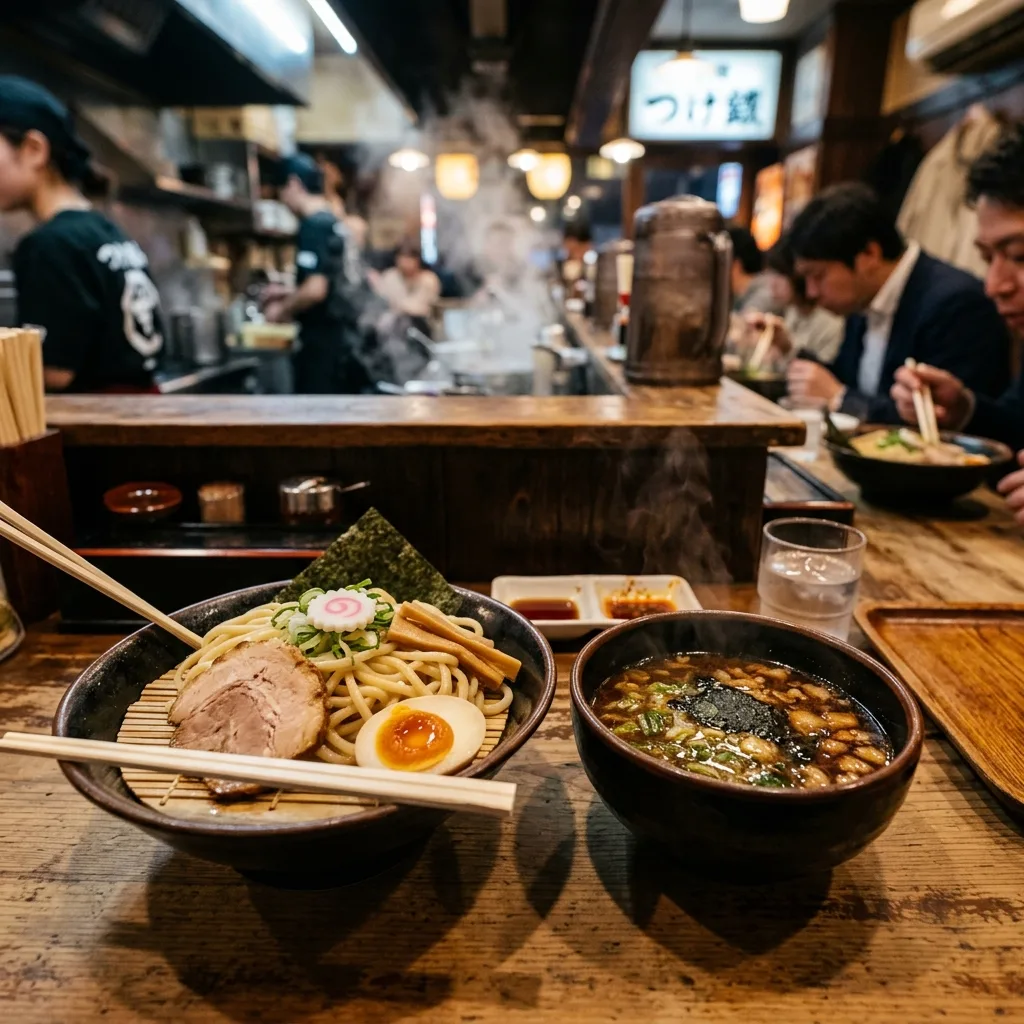
Tokyo is a city that pulsates with culinary energy, and at its heart lies a dish that embodies both tradition and innovation: ramen. More than just noodles in broth, ramen in Tokyo is an art form, a cultural phenomenon, and an obsession for many. From the rich, creamy depths of a tonkotsu broth to the vibrant, umami-laden shoyu, or the unique dipping experience of tsukemen, the city offers an unparalleled exploration of this beloved Japanese comfort food. Navigating this vast landscape can be daunting for first-time visitors and seasoned foodies alike. This guide aims to demystify Tokyo's ramen scene, breaking down the essential styles, recommending top spots, and providing practical tips to ensure every bowl you slurp is an unforgettable experience. Prepare to embark on a delicious journey through the diverse world of Tokyo ramen, discovering your new favorite bowl along the way.
Introduction: The Undisputed Reign of Ramen in Tokyo
Tokyo stands as the undisputed capital of ramen, a city where every corner seems to house a noodle shop, each vying for the title of "best" with its unique spin on this iconic dish. For travelers, understanding the nuances of Tokyo's ramen culture is key to unlocking a truly authentic culinary adventure. This guide will take you deep into the heart of Tokyo's noodle scene, offering insights into the main styles, beloved establishments, and practical advice to make your ramen quest a success.
Tokyo's ramen landscape is incredibly diverse, reflecting centuries of regional variations and modern culinary creativity. A standard bowl of ramen in Tokyo in 2026 typically ranges from ¥900 to ¥1,300 ($6–$9 USD), though premium or gourmet options can go up to ¥2,500+. Prices have seen a slight increase due to inflation and ingredient costs, a common trend across the city's vibrant food scene. This diversity means there's a bowl for every palate and budget, from quick, satisfying meals at budget chains to gourmet experiences at Michelin-recognized establishments. Understanding the different types, from the pork-bone richness of Tonkotsu to the soy-sauce simplicity of Shoyu, is the first step in appreciating this complex dish.
Understanding Tokyo's Core Ramen Styles
To truly appreciate Tokyo's ramen, it's essential to understand the fundamental styles that form its backbone. Each style boasts a distinct broth, noodle type, and topping philosophy, offering a unique sensory experience.
Tonkotsu Ramen: The Creamy, Rich Classic
Originating from Kyushu, particularly Fukuoka, Tonkotsu ramen has taken Tokyo by storm. Its signature feature is a thick, milky-white broth made by boiling pork bones for hours, often days, until the collagen and fat emulsify into a rich, opaque liquid. The result is an intensely flavorful, deeply savory, and often slightly sweet broth that coats the mouth.
Characteristics:
- Broth: Creamy, opaque, pork-bone based.
- Noodles: Typically thin, straight, and firm, often served al dente. Many shops offer "kae-dama," a system where you can order an extra serving of noodles to add to your remaining broth.
- Toppings: Chashu (braised pork belly), kikurage (wood ear mushrooms), benishoga (red pickled ginger), and often a sprinkle of spring onions.
- Flavor Profile: Rich, savory, sometimes slightly gamey, with a deeply satisfying umami.
Where to Find It: Ichiran and Ippudo are two of the most famous chains, known for their consistent quality and customizable ordering systems. However, countless independent shops offer equally compelling, if not more unique, Tonkotsu experiences. Look for shops with long queues, a tell-tale sign of local approval.
Shoyu Ramen: The Classic Soy-Sauce Base
Shoyu (soy sauce) ramen is arguably the most traditional and widespread style in Tokyo. It features a clear, brown broth made with chicken or pork stock, seasoned heavily with soy sauce. This style is often considered the benchmark of Tokyo ramen, offering a balanced and comforting flavor.
Characteristics:
- Broth: Clear, brown, soy-sauce based, often with a chicken or pork stock.
- Noodles: Typically medium-thick, wavy, and chewy, designed to absorb the flavorful broth.
- Toppings: Menma (fermented bamboo shoots), narutomaki (fish cake with a pink swirl), nori (seaweed), chashu, and finely chopped spring onions.
- Flavor Profile: Salty, umami-rich, often with a hint of sweetness and a clean finish.
Where to Find It: Many historic ramen shops in older Tokyo districts specialize in Shoyu ramen. Popular spots like Afuri (known for its yuzu-infused shoyu ramen) offer a modern twist on this classic, while places like Ramen Jiro (though known for its unique, heavy style, it's still soy-sauce based) present an extreme version for the adventurous.
Miso Ramen: The Hearty, Fermented Favorite
Hailing from Hokkaido, Miso ramen brings a robust and comforting flavor to the Tokyo scene. The broth is flavored with miso paste, creating a rich, opaque, and often slightly grainy texture. It's particularly popular in colder months for its warming properties.
Characteristics:
- Broth: Opaque, thick, flavored with miso paste (fermented soybean paste), often with pork or chicken stock.
- Noodles: Thick, wavy, and hearty, designed to stand up to the strong broth.
- Toppings: Ground pork, corn, butter, bean sprouts, and often a generous amount of garlic.
- Flavor Profile: Earthy, savory, slightly sweet, with a distinct fermented depth from the miso.
Where to Find It: Sapporo-style miso ramen is widely available. Look for specialty shops that highlight their unique miso blends. Popular chains and independent eateries across Tokyo feature this hearty option on their menus.
Shio Ramen: The Delicate Salt Base
Shio (salt) ramen is often considered the lightest of the main ramen styles, characterized by its clear, yellowish broth seasoned primarily with salt. It typically uses chicken or fish stock, allowing the natural flavors of the ingredients to shine through.
Characteristics:
- Broth: Clear, yellowish, salt-based, often with chicken, fish, or vegetable stock.
- Noodles: Thin, straight, and often springy.
- Toppings: Chicken chashu, finely sliced leeks, narutomaki, and sometimes a delicate sprinkle of yuzu peel.
- Flavor Profile: Clean, subtle, light, allowing the quality of the stock to be the star.
Where to Find It: While less common than Shoyu or Tonkotsu, many high-end ramen establishments offer exquisite Shio ramen. It's a great choice for those seeking a less heavy, more refined ramen experience.
Tsukemen: The Dipping Noodle Experience
Tsukemen, or "dipping ramen," offers a unique interactive eating experience. Unlike traditional ramen where noodles are served in the broth, tsukemen presents the noodles and broth separately. The noodles are typically thicker and chewier, served cold or at room temperature, and dipped into a concentrated, intensely flavored hot broth (often a thicker, richer version of tonkotsu or gyokai, seafood-based).
Characteristics:
- Broth: Thick, rich, concentrated, and intensely flavorful, served hot. Often features a strong seafood (gyokai) and/or pork bone (tonkotsu) base.
- Noodles: Thick, chewy, and often whole-wheat, served chilled or at room temperature.
- Toppings: Similar to traditional ramen, but often served on the side, allowing you to add them as you dip.
- Flavor Profile: A powerful burst of umami with each dip, contrasting the cool, firm noodles with the hot, rich broth.
Where to Find It: Tsukemen has gained immense popularity, with specialty shops dedicated solely to this style. Look for shops with "つけ麺" (tsukemen) prominently displayed. Renowned establishments like Fuunji are legendary for their tsukemen.
Beyond the Big Five: Other Notable Ramen Varieties
Tokyo's ramen scene doesn't stop at the main five. The city is a hotbed of culinary innovation, constantly giving rise to new and hybrid styles.
Maze Soba / Abura Soba: Brothless Delights
For those seeking an alternative to broth-heavy ramen, Maze Soba (or Abura Soba) offers a delightful experience. These are brothless ramen dishes where thick noodles are tossed with a savory sauce, various toppings, and a drizzle of flavored oil. You mix everything together before eating.
Characteristics:
- Broth: None.
- Noodles: Thick, chewy.
- Sauce/Oil: A concentrated savory sauce often containing soy sauce, vinegar, and chili oil, mixed with flavored oil (e.g., garlic oil, sesame oil).
- Toppings: Chashu bits, minced meat, soft-boiled egg, green onions, nori, and various condiments to customize.
- Flavor Profile: Rich, umami-packed, customizable, and deeply satisfying, offering a different textural experience from soupy ramen.
Tori Paitan Ramen: Creamy Chicken Broth
Tori Paitan ramen features a creamy, opaque broth made from long-simmered chicken bones, similar in appearance and texture to tonkotsu but with a distinct chicken flavor. It's often lighter than tonkotsu but still incredibly rich and flavorful.
Characteristics:
- Broth: Creamy, opaque, chicken-bone based.
- Noodles: Medium-thick, often straight.
- Toppings: Chicken chashu, fried burdock root, various greens.
- Flavor Profile: Rich, savory chicken flavor, often very clean and refined.
Veggie Ramen: A Growing Trend
As dietary preferences evolve, Tokyo's ramen scene has responded with an increasing number of vegetarian and vegan ramen options. These bowls creatively use vegetable stocks, mushroom bases, and plant-based "chashu" to deliver flavorful and satisfying experiences without meat or animal products.
The Tokyo Ramen Experience: How to Navigate and Enjoy
Stepping into a Tokyo ramen shop is an experience in itself. Here’s how to navigate it like a local.
Ordering from a Vending Machine (Ticket Machine)
Many ramen shops in Tokyo use a ticket vending machine system.
- Enter the Shop: The machine is usually near the entrance.
- Insert Money: Put yen notes or coins into the machine.
- Select Your Ramen: Pictures and sometimes English translations help. Look for buttons for "ramen" (ラーメン), "tsukemen" (つけ麺), and various toppings.
- Add Toppings/Sides: Common options include
味玉(ajitama - seasoned egg),チャーシュー(chashu - extra pork),海苔(nori - seaweed),替玉(kae-dama - extra noodles, for tonkotsu). - Collect Tickets & Change: Take your tickets and any change.
- Hand Tickets to Staff: Find a seat and hand your tickets to the chef or staff member.
- Customize (if applicable): Some shops will ask about noodle firmness (
麺の硬さ - men no katasa), broth richness (味の濃さ - aji no kosa), or amount of oil (油の量 - abura no ryo). Use simple Japanese phrases or point to a menu if available. - Enjoy Your Ramen!
Eating Etiquette
- Slurp your noodles: It's not rude; it's a sign of enjoyment and helps cool the hot noodles.
- Eat quickly: Ramen is meant to be eaten while hot. Don't linger.
- Don't share: Ordering one bowl to share is generally frowned upon, especially in smaller establishments.
- Finish the broth (optional): While it's a compliment to finish the entire bowl, including the broth, it's not strictly necessary, especially with richer broths.
- Say "Gochisousama deshita": A polite "thank you for the meal" when leaving.
Practical Guide: Finding Your Perfect Bowl
With countless ramen shops across Tokyo, knowing where to start can be overwhelming. Here's how to strategize your ramen hunt.
Popular Ramen Districts
- Shinjuku: Home to many famous chains and independent shops, particularly around the station. It's a great place for a quick and satisfying bowl after exploring the area.
- Shibuya: Offers a mix of trendy and traditional ramen spots, catering to a younger crowd.
- Ikebukuro: Known for its fierce ramen competition and high concentration of excellent shops, especially for tsukemen.
- Ginza / Tokyo Station: Upscale options and quick bites for business travelers and shoppers.
- Sugamo: A quieter neighborhood but home to some legendary, old-school ramen joints.
Recommended Ramen Shops (by Style & Experience)
- Ichiran (Multiple Locations): Excellent for solo diners, offering a unique "flavor concentration booth" experience and highly customizable Tonkotsu ramen. Expect average prices of around ¥1,000-¥1,300 for a basic bowl with toppings. Their operating hours often extend late into the night, some even 24/7.
- Ippudo (Multiple Locations): Another global Tonkotsu giant, offering a slightly more refined dining experience than Ichiran. Prices are similar.
- Afuri (Multiple Locations): Famous for its lighter, Yuzu Shio or Yuzu Shoyu ramen, known for its refreshing citrus notes. Often has vegetarian options. A typical bowl is around ¥1,100-¥1,500.
- Fuunji (Shinjuku): A legendary spot for Tsukemen, known for its incredibly rich and flavorful dipping broth. Be prepared for a queue, especially during peak hours. Prices usually range from ¥1,000-¥1,400.
- Tsuta (Yoyogi-Uehara): The first ramen shop to receive a Michelin star, known for its exquisite, truffle-oil infused Shoyu ramen. Expect higher prices (¥1,500+) and potentially long waits or even reservation systems.
- Ramen Jiro (Multiple Locations): A cult favorite known for its massive portions of rich pork broth, thick noodles, and copious amounts of fatty chashu and garlic. Not for the faint of heart, but an iconic Tokyo ramen experience. Prices are typically very reasonable for the quantity, around ¥900-¥1,200.
Current Prices and Operating Hours (General)
As of 2026, the average price for a standard bowl of ramen is between ¥900 and ¥1,300. Budget options can be found for as low as ¥450-¥750 at chain shops or standing ramen stalls. Premium or gourmet bowls can reach ¥1,500-¥2,500+.
Most ramen shops operate during lunch (11:00 AM - 3:00 PM) and dinner (5:00 PM - 9:00 PM or later), with many closing for a break in the afternoon. Popular shops, especially those in bustling areas like Shinjuku or Shibuya, might have continuous operating hours or stay open very late. Chains like Ichiran often have 24-hour locations. Always check specific shop hours online, as they can vary.
How to Get There & Booking
Tokyo's public transportation system, particularly the subway and JR lines, is incredibly efficient. Most ramen shops are within walking distance of a train or subway station. Use Google Maps for precise directions.
Booking: For most ramen shops, especially the casual and mid-range ones, no reservations are taken or needed. You simply queue up. For Michelin-starred or highly exclusive establishments, a reservation might be required or highly recommended. In such cases, check their official websites or inquire through your hotel concierge. Websites like Omakase (Japanese only) might handle reservations for some high-end places.
Tips & Common Mistakes for Ramen Enthusiasts
Avoid common pitfalls and enhance your ramen adventure with these insider tips.
What Most Guides Miss
- The importance of the "tare": The seasoning concentrate that gives the ramen its fundamental flavor. It's often a closely guarded secret of each shop.
- The oil layer (aroma oil): The oil that floats on top of the broth adds depth, aroma, and helps keep the ramen hot.
- Noodle texture customization: Don't be afraid to ask for "katame" (firm) or "yawarakame" (soft) noodles if the shop offers it.
- Beyond the popular chains: While chains are great for consistency, venture into smaller, independent shops for truly unique and often more artisanal bowls.
- Seasonal ramen: Some shops offer seasonal ramen specials using fresh, local ingredients. Keep an eye out for these.
Insider Advice
- Go during off-peak hours: To avoid long queues, try visiting right when the shop opens for lunch (around 11 AM) or between lunch and dinner (e.g., 3-5 PM if they have continuous hours).
- Look for locals: A shop packed with Japanese customers is usually a good sign.
- Don't be shy about asking (politely): If you're unsure about ordering, point to pictures or use a translation app. Most staff are used to tourists.
- Don't forget the side dishes: Gyoza (dumplings) and chahan (fried rice) are popular accompaniments.
- One-shot deal: Many ramen shops are small, high-turnover establishments. Eat, enjoy, and make way for the next customer.
Common Mistakes to Avoid
- Assuming all ramen is the same: Each style and shop offers a distinct experience. Be open to trying different types.
- Not finishing your noodles: While the broth is optional, leaving a significant amount of noodles can be seen as wasteful.
- Being too loud: While slurp loudly, keep general conversation at a respectful volume, especially in quieter shops.
- Taking too long: Ramen is fast food in Japan; it's meant to be enjoyed quickly.
- Ignoring the condiments: Many shops provide various condiments (garlic, chili paste, pickled ginger) to customize your bowl. Experiment!
FAQ: Your Top Questions Answered
Q1: Is Tokyo ramen expensive?
A1: Not usually. A standard bowl ranges from ¥900 to ¥1,300 ($6–$9 USD). You can find cheaper options around ¥450-¥750 and gourmet bowls up to ¥2,500+.
Q2: Do I need to make reservations for ramen in Tokyo?
A2: Generally, no. Most ramen shops operate on a first-come, first-served basis. For Michelin-starred or very popular high-end spots, checking their website for reservation policies is advisable.
Q3: Can I find vegetarian or vegan ramen in Tokyo?
A3: Yes, the number of shops offering vegetarian and vegan ramen is growing. Look for specialized shops or check menus for plant-based options, often labeled as ベジラーメン (vege ramen) or ヴィーガンラーメン (vegan ramen).
Q4: How do I order extra noodles (kae-dama)?
A4: In Tonkotsu ramen shops, you can typically order 替玉 (kae-dama) after finishing your first serving of noodles, to be added to your remaining broth. Just signal the staff or press the kae-dama button on the vending machine.
Q5: What's the difference between ramen and udon/soba?
A5: Ramen noodles are typically made from wheat flour, water, salt, and kansui (alkaline mineral water), giving them their distinctive springy texture. Udon noodles are thicker, chewier wheat noodles, while soba noodles are thin, brown noodles made from buckwheat flour. The broths and typical preparations also differ significantly.
Q6: Is it rude to slurp ramen?
A6: Absolutely not! In Japan, slurping your ramen is perfectly acceptable and even encouraged, as it shows enjoyment and helps cool down the hot noodles and broth.
Conclusion: Your Ultimate Tokyo Ramen Adventure Awaits
Tokyo's ramen scene is a universe unto itself, a vibrant and endlessly fascinating world that promises a delicious discovery with every bowl. From the comforting familiarity of Shoyu to the bold innovation of Tsukemen, and the creamy indulgence of Tonkotsu, there's a ramen style to captivate every palate. We've equipped you with the knowledge to navigate vending machines, understand etiquette, and seek out the best bowls the city has to offer. Remember to embrace the slurp, savor the intricate flavors, and allow yourself to get lost in the culinary magic that is Tokyo ramen. Your ultimate noodle adventure awaits. Don't forget to explore beyond the obvious choices and dive into the local favorites—you might just discover a hidden gem that becomes your personal ramen sanctuary.
Before you embark on your culinary quest, consider exploring our Getting Around Tokyo: Trains, IC Cards & Navigation Apps for seamless navigation across the city, and ensure you're prepared for your journey with our best Japan travel apps. For a deeper dive into Japanese culinary etiquette, our guide on Sushi Etiquette in Japan will further enhance your experience.