Best Japan Travel Apps: Google Maps vs Navitime & Must-Have Tools

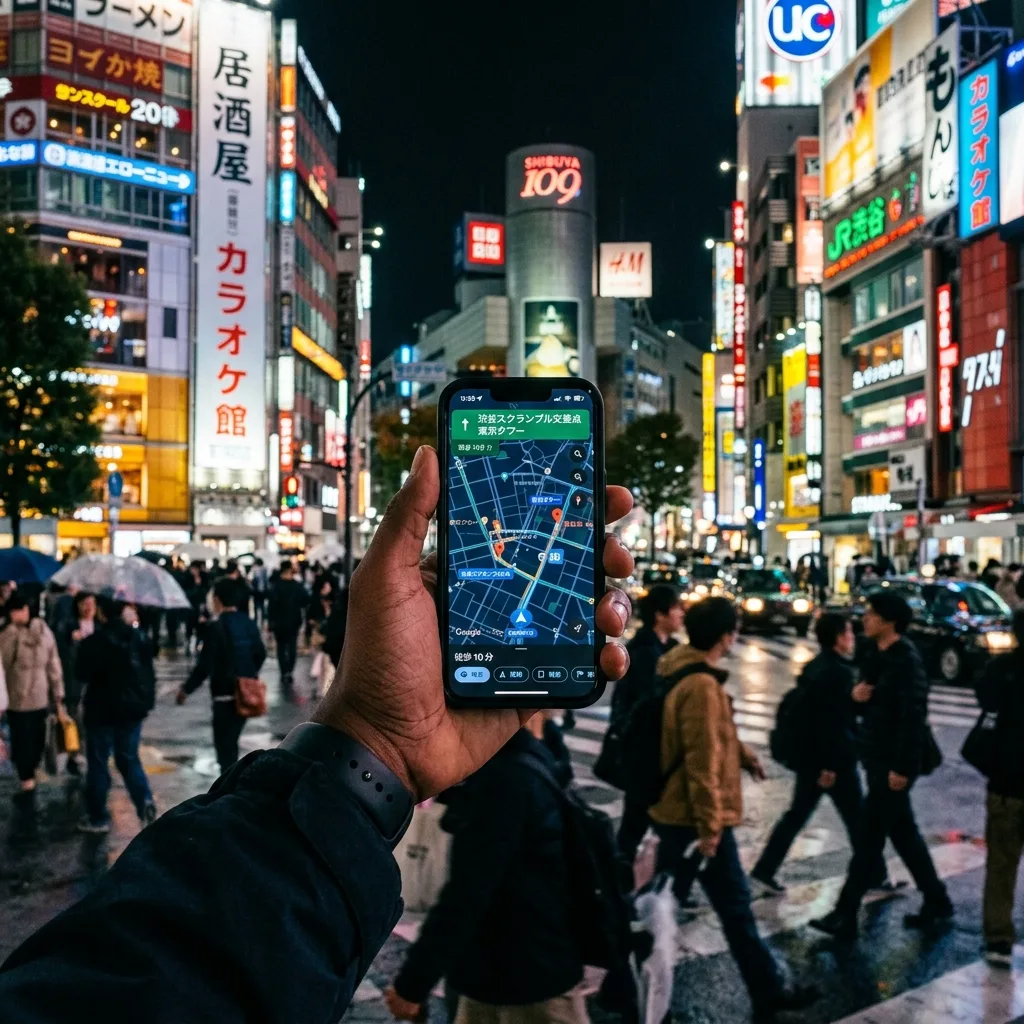
Planning a trip to Japan can be as exciting as it is overwhelming, especially when it comes to navigating a new country with a unique public transportation system and cultural nuances. The right set of digital tools can transform your experience from confusing to effortlessly smooth. Forget fumbling with paper maps or struggling with language barriers; modern travel apps are your indispensable companions. But with so many options, how do you choose the best ones? This guide cuts through the clutter, offering a comprehensive comparison of the two titans of navigation—Google Maps and Navitime—alongside a curated list of other essential applications that every Japan-bound traveler needs in 2026. For a broader overview of exploring Japan's bustling capital, consult our Ultimate Tokyo Travel Guide 2026: Everything First-Timers Need to Know.
Introduction: Your Digital Toolkit for Japan
Navigating Japan, with its intricate train networks, bustling cities, and sometimes challenging language barrier, requires more than just a good sense of direction. It demands a sophisticated digital toolkit. For first-time visitors and seasoned explorers alike, having the right travel apps on your smartphone is paramount. These tools not only help you get from point A to point B but also assist with communication, cultural understanding, and even finding the best local eateries. In a country where efficiency and precision are highly valued, leveraging technology will significantly enhance your travel experience, making every journey smoother and more enjoyable.
Google Maps vs. Navitime: The Ultimate Navigation Showdown
When it comes to getting around Japan, two apps dominate the navigation landscape: Google Maps and Navitime. While both offer robust features, they cater to slightly different needs and preferences. Understanding their strengths and weaknesses is key to choosing your primary navigation tool.
| Feature | Google Maps | Japan Travel by Navitime |
|---|---|---|
| Primary Strength | Walking directions, opening hours, local business reviews | Unrivaled Japanese train accuracy & platform details |
| Platform Numbers & Car Position | Often missing or unreliable for complex transit | Exact platform numbers & best car for transfer |
| JR Pass Route Filter | Not supported (treats all lines equally) | Built-in JR Pass filter to avoid non-covered lines |
| Walking & Discovery | Industry-best POI search, user photos, English reviews | Basic walking directions, fewer restaurant reviews |
| Price / Subscription | 100% Free | Free basic features; premium required for voice navigation |
| Recommended Strategy | Primary app for walking & finding food | Primary app for complex train & Shinkansen routing |
Google Maps: The Familiar Global Standard
Google Maps is a ubiquitous app that many travelers already use daily, offering a sense of familiarity and ease of use. Its global coverage means you can transition seamlessly from planning your trip at home to navigating the streets of Tokyo.
Strengths:
- Global Familiarity: Most users are already proficient with its interface, reducing the learning curve.
- Comprehensive Data: Excellent for walking directions, driving, and finding points of interest (restaurants, shops, landmarks). Its vast database of user-generated content provides valuable reviews and photos.
- Offline Maps: Download areas for offline use, crucial when Wi-Fi is scarce or data roaming is expensive.
- Multilingual Support: Offers directions and information in numerous languages, a significant advantage for non-Japanese speakers.
- Integrated Street View: Allows virtual exploration of areas before you even arrive, helping with orientation.
Weaknesses: Public Transportation Nuances: While it provides public transport routes, it sometimes struggles with the granular details of Japan's complex rail system, occasionally missing the most efficient transfer points or specific train car recommendations. It may not always display platform numbers accurately or indicate whether a train is local, rapid, or express, which can significantly impact travel time. For more in-depth guidance on urban transit, refer to our article on Getting Around Tokyo: Trains, IC Cards & Navigation Apps.
- Less Detail for Local Transport: It might not always show the precise entrance/exit numbers for stations, which can be critical in sprawling Japanese subway stations.
Navitime for Japan Travel: The Local Specialist
Navitime is specifically designed for Japan and is often hailed as the gold standard for public transportation navigation within the country. It provides an unparalleled level of detail and accuracy for trains, subways, and buses.
Strengths:
- Unrivaled Public Transport Accuracy: Navitime excels in providing the most accurate and efficient public transportation routes. It specifies platform numbers, train car recommendations (e.g., "for easier transfers"), and distinguishes between various train types (local, rapid, express, limited express, Shinkansen), offering the fastest possible journey. Integrated Japan Rail Pass Support: A standout feature for those considering a Japan Rail Pass, it allows you to filter routes to only show those covered by the pass, saving you money and simplifying planning. For a detailed comparison of regional passes, check out our Kansai Rail Pass Guide: JR Pass vs Icoca vs Haruka Express Compared.
- Extensive Station Information: Provides detailed information about station layouts, exit numbers, and even elevator/escalator locations, incredibly useful in large, multi-level stations.
- Fare Breakdown: Clearly displays exact fares and allows you to compare different routes based on cost.
- Bike Share & Car Navigation: Offers robust options for cycling and driving, including real-time traffic updates.
Weaknesses:
- Less Intuitive Interface (initially): For users accustomed to Google Maps, Navitime's interface can feel a bit cluttered or less intuitive at first glance.
- Limited English Support (improving): While an English version is available, some localized information or nuances might still be in Japanese.
- Subscription for Premium Features: Some advanced features, like filtering by specific train types or detailed delay information, might require a paid subscription.
Verdict: Use Both, Strategically
The best approach is not to choose one over the other but to leverage both Google Maps and Navitime strategically.
- For broad searches, walking directions, finding restaurants, or general points of interest: Stick with Google Maps for its familiarity and comprehensive database.
- For critical public transportation journeys, especially intricate train transfers, or when using a Japan Rail Pass: Switch to Navitime for its precision and Japan-specific details.
This dual-app strategy ensures you have the best of both worlds: global familiarity for general exploration and local expertise for seamless public transport.
Essential Digital Tools Beyond Navigation
While navigation is crucial, a truly seamless Japan trip involves more than just getting around. A suite of specialized apps can enhance your experience in myriad ways, from communication to currency.
Communication & Translation: Bridging the Language Gap
Navigating a new language can be daunting, but these apps are indispensable for clear communication and understanding:
- LINE: The undisputed dominant messaging app in Japan. While not strictly a travel app, its widespread use means many businesses, hotels, tour guides, and even local friends you make might communicate via LINE. Having it can be incredibly useful for direct contact, making reservations, or receiving updates.
- Google Translate & Google Lens: An absolute lifesaver. Its real-time camera translation feature (Google Lens) is invaluable for instantly deciphering menus, signs, product labels, and even complex documents. The conversation mode can facilitate basic verbal communication, making everyday interactions much smoother.
- Papago: Developed by Naver (a South Korean tech giant), Papago is often cited for providing more natural and contextually accurate Japanese translations than Google Translate, especially for nuanced phrases or polite social interactions. It's an excellent supplementary tool for deeper communication needs.
- Yomiwa: (OCR Dictionary & Translator): For those keen on understanding written Japanese, Yomiwa is a powerful OCR (Optical Character Recognition) dictionary and translator. Point your camera at Japanese text, and it will break down characters, provide readings, and offer definitions. Invaluable for learning or simply navigating unfamiliar text.
Local Information & Discovery: Unearthing Japan's Best
These apps are your keys to unlocking local gems, from dining experiences to unique cultural activities:
- Tabelog / Gurunavi: Japan's premier restaurant review platforms, akin to Yelp but with a distinctly Japanese focus and meticulous rating system (a 3.5 rating on Tabelog is considered excellent). These apps are indispensable for finding authentic local eateries, reading reviews (often with machine translation available), and sometimes even making reservations directly.
- TripAdvisor: While a global platform, TripAdvisor remains a reliable source for reviews of attractions, hotels, and restaurants in Japan, often providing an English-speaking traveler's perspective. It's useful for cross-referencing information and discovering popular spots.
- Japan Official Travel App (JNTO): Provided by the Japan National Tourism Organization, this comprehensive app is a solid all-rounder. It offers practical information, inspiring travel articles, route planning assistance, and crucial emergency contact details. A significant 2026 update includes Real-time Crowd Alerts, suggesting alternative "off-the-beaten-path" spots when major sites (like Kyoto’s Kiyomizu-dera) are at peak capacity, promoting Smart Tourism.
- Klook / GetYourGuide: Essential for booking "Digital Heritage" experiences, skipping lines at popular attractions (like TeamLab Borderless/Planets), and securing various tours and activities in advance. They often offer exclusive deals and provide instant confirmation, saving valuable travel time.
- Ecbo Cloak: A truly innovative solution for a common traveler's dilemma. This "luggage Airbnb" app allows you to find and book storage space for your bags in various shops and cafes across Japan. It's a lifesaver when station lockers are full (a frequent occurrence, especially in 2026 due to increased tourism) or if you need to lighten your load for a few hours.
Finance & Connectivity: Embracing the Cashless Shift in 2026
Japan's digital payment landscape has evolved significantly, and leveraging dedicated apps will streamline your financial transactions and connectivity:
- Suica / PASMO (via Apple Wallet/Google Pay): These iconic IC cards are now non-negotiable for seamless travel and small purchases. While physical cards are increasingly rare, integrating them into your smartphone's Apple Wallet or Google Pay is the standard for 2026. Use it for trains, buses, vending machines, and convenience stores nationwide.
- PayPay: Japan’s dominant QR code payment app. It's essential, especially when venturing into smaller local shops, street food stalls, or regional areas where credit cards might not be accepted. Setting up PayPay before your trip can save you hassle and unlock potential local discounts.
- Smart EX: The official and highly recommended app for booking your Shinkansen (bullet train) tickets. A key feature for 2026 is its ability to link tickets directly to your digital Suica/PASMO, allowing for seamless entry through Shinkansen gates.
- GO: Japan's primary taxi-hailing app. While Uber operates in some major cities, GO offers broader coverage and is essential for convenient taxi booking, especially during late nights or when exploring more rural areas.
- XE Currency Converter: An indispensable tool for quickly understanding costs in your home currency, especially useful for budget management and when dealing with cash-only establishments or shopping.
- Japan Transit Planner (Jorudan): Alongside Navitime, Jorudan remains an excellent public transport app, often preferred by some travelers for its user-friendly interface. It provides detailed route searches, fare information, and crucial platform numbers.
- Wi-Fi Finder apps (e.g., Japan Wi-Fi Auto-connect): While a dedicated Pocket Wi-Fi or local SIM is paramount for consistent connectivity, these apps can help locate free Wi-Fi hotspots in a pinch, though their reliability and security can vary.
2026 New Trends in Japan Travel Tech: Beyond the Basics
The year 2026 sees Japan at the forefront of "Smart Tourism," leveraging cutting-edge technology to enhance visitor experiences and promote deeper engagement with local culture. Here are some key trends and innovative apps shaping the future of travel in Japan:
Smart Tourism: AI and Real-time Data for Enhanced Exploration
- Real-time Crowd Alerts: Apps like the Japan Official Travel App (JNTO) now feature advanced AI-driven crowd prediction and real-time alerts. This allows travelers to avoid peak congestion at popular sites (e.g., Kyoto’s Kiyomizu-dera) and suggests alternative "off-the-beaten-path" destinations for a more tranquil experience.
- Personalized AI Itinerary Planning: Innovative platforms like Wanderlog are integrating AI to suggest personalized itineraries that not only cater to your interests but also optimize routes to minimize travel time and even consider your carbon footprint. These apps learn from your preferences and adapt on the fly.
Cultural Immersion & Niche Experiences
- Grocery Store Tourism (Hyper-Local Discovery): A rising trend for "slow travel" enthusiasts. Apps like Shufoo! (though primarily in Japanese) can help you find local supermarkets and discover regional specialties, unique snacks, and seasonal produce, offering a genuine glimpse into daily Japanese life.
- Digital Heritage Experiences: Look for apps and platforms (often tied to Klook or GetYourGuide) offering immersive digital experiences at historical sites, utilizing AR (Augmented Reality) to bring ancient castles or temples to life on your smartphone.
Connectivity for the Modern Traveler
- Digital Nomad Infrastructure: For those planning longer stays or working remotely, specialized "Workation" apps are emerging. These platforms list certified co-working spaces, particularly in scenic rural "Satoyama" regions, allowing digital nomads to experience Japan beyond the major cities while staying productive.
- Advanced Multilingual Support: Post-Expo 2025, expect to find more advanced multilingual AI kiosks and seamlessly integrated translation features in various public and commercial spaces, making communication smoother than ever.
Practical Guide: Integrating Apps into Your Journey
Effectively using these apps requires a bit of pre-planning and understanding of Japanese infrastructure.
Before You Go: Setup and Download- Download Offline Maps: For Google Maps, download the regions you'll be visiting while you still have a stable internet connection.
- Install Key Apps: Download Google Maps, Navitime (or Jorudan), Google Translate, and LINE before you depart.
- Set Up Payment Methods: Ensure your credit cards are linked to your digital wallets if you plan to use them.
On the Ground: Connectivity is Key
- Pocket Wi-Fi or Local SIM: Reliable internet access is non-negotiable. Invest in a portable Wi-Fi device or a data-only SIM card upon arrival. This ensures you can use all apps seamlessly, especially for real-time updates.
- Power Bank: Heavy app usage will drain your phone battery quickly. A good quality power bank is a must-have.
Learning Basic Japanese Phrases
Even with translation apps, knowing a few basic Japanese phrases can go a long way in showing respect and facilitating interactions. Apps like Memrise or Duolingo can help you learn essential greetings and questions.
Tips & Common Mistakes for App Users
Even with the best apps, a few tips can save you hassle, and avoiding common mistakes will make your journey smoother.
Pro Tips
- Screenshot Important Information: If you're relying on public Wi-Fi, screenshot directions or details for critical journeys in case you lose connection.
- Learn Station Names in Japanese (Romaji): While apps provide English, recognizing station names in Romaji (romanized Japanese) on signs can speed up navigation.
- Check Operating Hours: Many attractions and smaller restaurants in Japan have specific operating hours and may close on certain days. Always double-check using Google Maps or official websites before heading out.
Common Mistakes to Avoid
- Solely Relying on One App: As discussed, a hybrid approach with Google Maps and Navitime is far superior.
- Forgetting a Power Bank: Don't underestimate battery drain from constant navigation and translation.
- Ignoring Local Customs: Even with translation, be mindful of cultural etiquette. For instance, speaking loudly on public transport is generally frowned upon.
- Not Downloading Offline Content: Lack of internet can quickly render your navigation apps useless.
FAQ: Your Japan Travel App Questions Answered
Q: Do I need a Japan Rail Pass to use Navitime effectively?
A: While Navitime is incredibly useful for all public transport, its Japan Rail Pass filter is a huge advantage for pass holders, helping them optimize routes without extra cost. You don't need a JR Pass to use it, but it significantly enhances the value for those who have one.
Q: Is free Wi-Fi readily available in Japan?
A: Free Wi-Fi is available in many hotels, cafes, and some public areas (like train stations and airports), but it's not as ubiquitous as in some other countries. Connection quality can vary. A personal pocket Wi-Fi device or a local SIM card is highly recommended for consistent connectivity.
Q: Can I rely on Google Translate for all communication?
A: For basic phrases, asking directions, or ordering food, Google Translate is excellent. For complex conversations or important inquiries, use it as an aid, but be prepared for potential nuances that might be lost in translation. DeepL Translate can sometimes offer better accuracy for longer texts.
Q: Are there any apps for finding vegan/vegetarian food in Japan?
A: While not dedicated apps, using Tabelog or Gurunavi with specific keywords (e.g., "ヴィーガン" (vegan), "ベジタリアン" (vegetarian)) can help. HappyCow is a global app specifically for vegan/vegetarian restaurants and has a good presence in Japan.
Q: What's the best way to pay for things using apps?
A: Mobile payment services like Apple Pay or Google Pay are increasingly accepted, especially in larger cities and convenience stores. However, cash is still king in many smaller establishments. Consider loading a Suica or Pasmo card (digital versions available on iPhone/Android) for seamless transit and payments at many shops.
Conclusion: Empower Your Japan Journey with the Right Apps
Navigating Japan with its vibrant culture, intricate transportation, and unique customs is an adventure that can be greatly enhanced by the right digital tools. By strategically combining the global versatility of Google Maps with the local precision of Navitime, and supplementing these with essential apps for translation, discovery, and finance, you equip yourself for a truly seamless and enriching experience. Remember to set up your digital toolkit before you depart, ensure constant connectivity, and embrace the convenience that modern technology offers. With these apps in hand, you're not just traveling; you're confidently exploring, connecting, and immersing yourself in the wonders of Japan. Safe travels!
For the wider logistics picture, start with Japan Travel Planning: Visa, IC Card, Rail Pass & Essential Logistics Guide. If your connectivity plan is still unresolved, compare Pocket WiFi vs SIM card in Japan. If airport arrival is the next decision, use Narita vs Haneda vs Kansai Airport, and for regional train math, read the Kansai rail pass guide.