Language Barrier in China: Essential Mandarin Phrases & Translation Apps

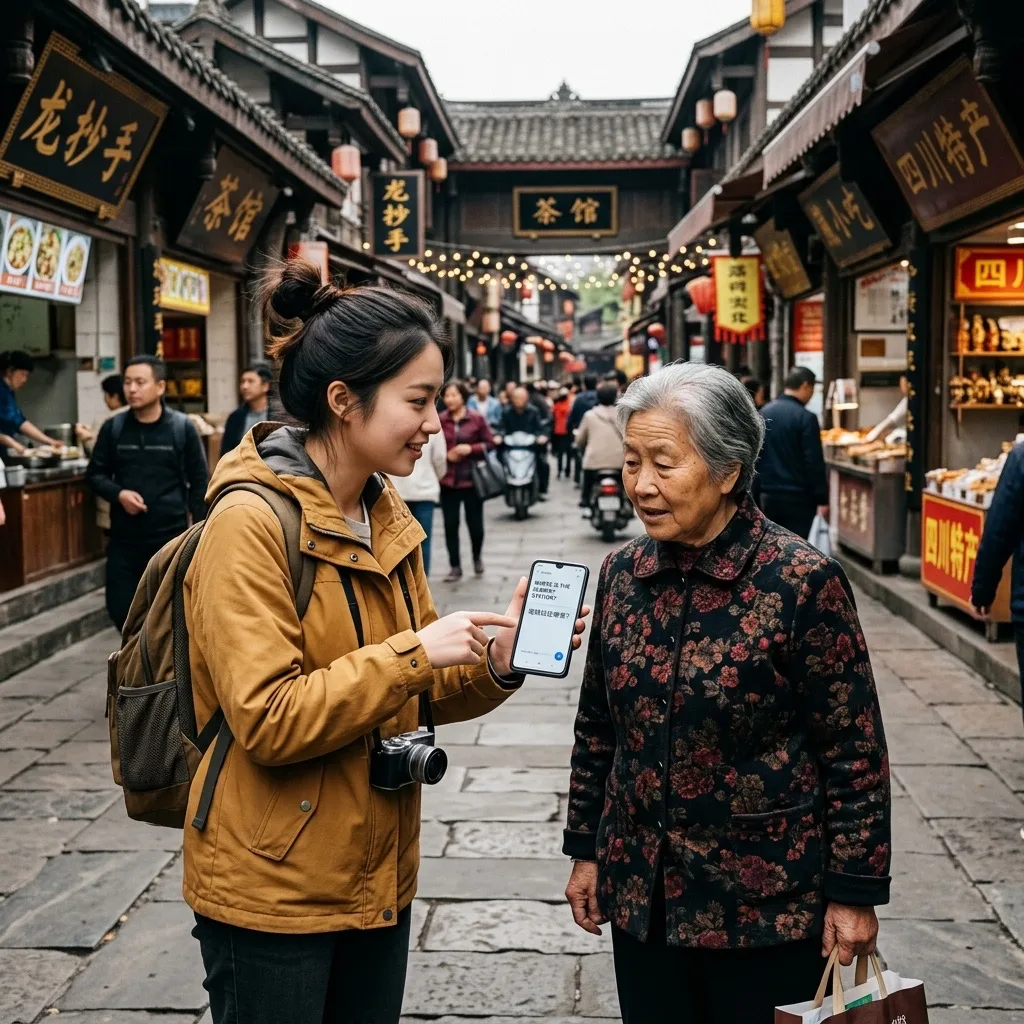
Planning a trip to China but worried about the language barrier? You're not alone. The prospect of navigating a country where English isn't widely spoken can be daunting, but with the right tools and a little preparation, you can confidently explore the wonders of China. From bustling city markets to serene temples, communicating effectively will unlock richer experiences and smoother interactions.
Overcoming the language barrier in China is crucial for any traveler seeking an authentic and stress-free experience. While major cities like Beijing and Shanghai might offer some English support in tourist-heavy areas, venturing off the beaten path will quickly highlight the necessity of basic Mandarin or reliable translation tools to engage with locals and navigate daily situations.
Navigating the Linguistic Landscape: Why Mandarin Matters
Understanding the basics of Mandarin, even just a few key phrases, can significantly enhance your travel experience in China. Mandarin is the official language, and while many younger generations in larger cities may have some English proficiency, relying solely on it can lead to misunderstandings or missed opportunities. Learning common greetings, polite requests, and essential directional phrases not only helps you communicate but also shows respect for the local culture, often leading to warmer interactions and more helpful responses from locals.
Beyond mere functionality, speaking even rudimentary Mandarin can open doors to more genuine cultural exchanges. Imagine being able to order your food directly from a street vendor, ask for recommendations from a local, or simply understand the price without needing to point and guess. These small interactions accumulate to create a much richer and more immersive travel narrative. Locals often appreciate the effort of foreigners attempting their language, and this genuine attempt can bridge gaps that technology alone might miss. It’s not just about getting by; it’s about connecting. Furthermore, some essential information, especially in more rural or less tourist-frequented areas, may only be available in Chinese, making even basic comprehension invaluable. From understanding train announcements to deciphering historical plaques, a little Mandarin goes a long way.
Essential Mandarin Phrases for Travelers
Equipping yourself with a handful of practical Mandarin phrases can be a game-changer. Here’s a starter pack of phrases that will prove invaluable during your trip:
- Greetings:
- Nǐ hǎo (你好): Hello (the most common and polite greeting)
- Zǎo shàng hǎo (早上好): Good morning
- Wǎn shàng hǎo (晚上好): Good evening
- Zài jiàn (再见): Goodbye
- Basic Courtesy:
- Xiè xie (谢谢): Thank you
- Bù kè qì (不客气): You're welcome
- Duì bu qǐ (对不起): Sorry/Excuse me
- Méi guān xi (没关系): It's okay/No problem
- Asking for Help/Information:
- Qǐng wèn (请问): Excuse me (to get attention, like "May I ask...")
- Wǒ bù dǒng (我不懂): I don't understand
- Nǐ huì shuō Yīng yǔ ma? (你会说英语吗?): Do you speak English?
- Qǐng zài shuō yī biàn (请再说一遍): Please say it again
- Zhè shì shénme? (这是什么?): What is this?
- Duō shǎo qián? (多少钱?): How much is it?
- Directions and Transport:
- Zài nǎ lǐ? (在哪里?): Where is...?
- Qù... zěnme zǒu? (去...怎么走?): How do I get to...?
- Gōng jiāo chē (公交车): Bus
- Dì tiě (地铁): Subway/Metro
- Chū zū chē (出租车): Taxi
- Wǎng qián zǒu (往前走): Go straight
- Wǎng zuǒ guǎi (往左拐): Turn left
- Wǎng yòu guǎi (往右拐): Turn right
- Ordering Food:
- Wǒ yào... (我要...): I want...
- Hǎo chī (好吃): Delicious
- Fàn diàn (饭店): Restaurant
- Cài dān (菜单): Menu
- Mǎi dān (买单): Check, please
Practice these phrases before you go. Even a basic attempt will be appreciated and often met with a smile and willingness to help. Many apps also offer audio pronunciations, which can be incredibly helpful for perfecting your tones, which are crucial in Mandarin for distinguishing meaning. Remember, it's not about speaking perfectly, but about making an effort to connect.
The Power of Translation Apps: Your Digital Interpreter
While learning some Mandarin is excellent, translation apps are indispensable for more complex conversations or when you're simply stuck. Modern translation technology has come a long way, offering features like voice translation, text scanning, and even augmented reality translation. These apps are not just convenience tools; they are essential communication bridges in a country with a predominantly non-English speaking population. They can help you decipher complex instructions, engage in deeper conversations than basic phrases allow, and navigate situations where precise communication is paramount, such as at a pharmacy or a police station.
Top Translation Apps for China
- Google Translate (Google Fān yì - 谷歌翻译): Despite Google's services being restricted in mainland China, Google Translate does work, especially if you have a VPN. Its offline translation capabilities (downloadable Mandarin pack) and camera translation feature are incredibly useful for reading menus or signs in real-time. The voice input and output are highly accurate, making it excellent for conversational use. For travelers who are already familiar with its interface, it offers a comfortable and reliable solution.
- Baidu Translate (Baidu Fān yì - 百度翻译): This is China's homegrown equivalent to Google Translate. It's fully functional within China without a VPN and offers excellent voice, text, and photo translation. Its cultural relevance means it often handles nuanced phrases and local slang better than some international apps, making it a very reliable choice for immersing yourself in Chinese culture. Baidu also integrates well with other Baidu services, which are widely used within China.
- Microsoft Translator: Another strong contender, offering robust offline language packs, a versatile voice conversation mode, and effective camera translation. It generally works well in China, though a VPN might improve performance for some features and ensure consistent access to cloud-based functionalities. It supports over 70 languages, making it a valuable tool for multilingual travelers.
- Pleco: While primarily a dictionary app, Pleco is a must-have for anyone serious about understanding Chinese characters. Its powerful OCR (Optical Character Recognition) allows you to point your phone camera at Chinese characters and instantly get definitions, pinyin, and audio pronunciations. It also has handwriting input and stroke order diagrams, which are fantastic for learning and recognizing characters. For detailed lookups or when trying to decipher specific characters on signs, documents, or packaging, Pleco is unparalleled in its accuracy and depth.
- Waygo: This app specializes in offline visual translation for Chinese, Japanese, and Korean. You simply hover your phone camera over text, and it translates instantly, without needing an internet connection. This real-time translation makes it incredibly practical for quickly understanding menus, street signs, and product labels without the hassle of typing or taking photos. It's particularly useful in restaurants where menus might not have pictures or English translations.
Pro-Tip on VPNs: To ensure access to Google-affiliated apps and other international services, including social media and your home country's news sites, a reliable VPN is highly recommended for travel in China. Research, purchase, and set up your VPN before you arrive, as downloading or configuring them within China can be challenging due to internet restrictions. Test your VPN thoroughly to ensure it works properly.
Beyond Words: Non-Verbal Communication and Cultural Nuances
Language isn't just about words; it's also about gestures, tone, and cultural context. Understanding a few non-verbal cues can prevent misunderstandings and foster positive interactions, showcasing your respect for local customs.
- Politeness and Respect: Always be polite and humble. A slight bow or a respectful nod, especially when greeting elders or those in authority, can go a long way. Avoid overly loud conversations in public spaces, as this can be perceived as disruptive. Patience is also a virtue; rushing interactions can be seen as impolite.
- Pointing: When pointing, use an open hand with all fingers extended rather than a single index finger, as the latter can be considered rude or accusatory. This subtle difference demonstrates cultural awareness.
- Bargaining: In local markets and smaller shops, bargaining is common and expected, often part of the cultural experience. Do so respectfully and with a friendly smile. Never become aggressive or overly demanding. If you're not interested, politely decline and move on.
- Eating Etiquette: Slurping noodles or soup is often a sign of enjoyment and appreciation for the food, so don't be shy! Conversely, avoid sticking chopsticks upright in your rice bowl, as this resembles incense sticks offered to the deceased and is considered very bad luck. When sharing dishes, use the communal serving chopsticks if provided, or the blunt end of your own chopsticks.
- Personal Space: Public spaces, especially on crowded transport like subways and buses, tend to have less emphasis on personal space than in many Western countries. Be prepared for close proximity and occasional pushing, which is generally not meant to be rude but a practical reality of dense populations.
- Gift Giving: If you receive an invitation to someone's home, it's customary to bring a small gift. Presenting and receiving gifts with both hands shows respect. Avoid giving clocks, cut flowers, or sharp objects, as these have negative connotations.
Being aware of these small details can significantly improve your interactions and help you navigate social situations more gracefully, making your journey much more pleasant and meaningful.
Integrating Language into Your Daily Chinese Adventures
Imagine you're exploring the ancient alleyways of Beijing, or haggling for souvenirs in a bustling Shanghai market. Having both essential phrases and translation apps at your fingertips allows for a seamless blend of self-sufficiency and technological assistance. You can confidently ask for directions to a hidden temple, inquire about the price of a local delicacy, or simply engage in a friendly exchange with a shopkeeper, all while feeling more connected to your surroundings.
Consider a scenario where you're at a local street food stall. You want to try something new but don't recognize the characters on the menu. With Pleco or Waygo, you can instantly translate the options, choose something appealing, and then use your learned phrase "Wǒ yào..." to confidently order. This blend of traditional learning and modern tech makes the experience enjoyable and stress-free, turning potential frustrations into opportunities for genuine discovery. Even for daily tasks like buying groceries or asking for a receipt, these tools become invaluable.
When interacting with service staff, such as at your hotel or a train station, starting with a "Nǐ hǎo" and a smile, even if you follow it up with an app, demonstrates effort and respect. This often leads to more patient and helpful responses. Remember, the goal isn't to become fluent overnight, but to bridge communication gaps effectively and politely. By actively trying to communicate, you show respect for the local culture and foster goodwill, often leading to unexpected kindness and assistance from locals.
Practical Guide: Navigating with Language Tools
When traveling in China, integrating your language skills and translation tools effectively means being prepared and intentional in their use.
Before You Go: A Pre-Trip Language Checklist
- Download Offline Packs: For apps like Google Translate, Baidu Translate, or Microsoft Translator, download the Mandarin language pack before you depart. This is paramount, as reliable internet access might be sporadic, and having offline capabilities ensures functionality even without a connection.
- Install and Test a VPN: If you plan to use Google services (including Google Translate for optimal performance) or access western social media and news sites, install and rigorously test a reliable VPN before arriving in China. Popular choices among travelers include ExpressVPN, NordVPN, and Astrill. Ensure it connects successfully from your home country first.
- Charge Your Devices and Carry Power Banks: Translation apps and constant phone usage for navigation are battery-intensive. Always carry a fully charged power bank (or two!) to keep your smartphone and other essential gadgets running throughout the day.
- Practice Basic Phrases Diligently: Focus on greetings, "thank you," numbers, common questions like "How much?" and essential directional phrases. Utilize audio pronunciation features within apps or online resources to refine your tones, as correct tones are vital for distinguishing meanings in Mandarin. Even 15 minutes of practice daily can make a significant difference.
- Pre-load Key Information: Save screenshots of your hotel address, important landmarks, and any dietary restrictions translated into Chinese characters on your phone. This can be a lifesaver if your battery dies or apps fail.
On the Ground: Maximizing Your Communication
- Don't Be Afraid to Use Them: Locals are generally understanding and appreciate the effort you make to communicate, even if it's via a phone app. Don't be shy or embarrassed to pull out your translation tool. It's a bridge, not a crutch.
- Speak Slowly and Clearly: When using voice translation features, or when attempting your Mandarin phrases, enunciate carefully and speak at a moderate, consistent pace. This gives the app (or the listener) the best chance to understand you.
- Context is Key, and Apps Aren't Perfect: Translation apps are powerful but not infallible. If a translation seems odd or leads to confusion, try rephrasing your question with simpler words or asking in a different way. Sometimes, a combination of simplified English words and a translation app can clarify a point.
- Combine Methods for Best Results: For simple, repetitive interactions like greeting someone or saying "thank you," use your learned phrases. For more complex inquiries or detailed information, switch to your translation app. For instance, you might start with "Nǐ hǎo," then transition to your app to ask about specific train times or ingredients in a dish. This hybrid approach is often the most effective.
- Visual Aids: Don't underestimate the power of showing pictures (e.g., of a specific dish you want to order, or a type of item you're looking to buy) combined with your language efforts.
Tips & Common Mistakes
- Mistake 1: Relying Solely on English: This is perhaps the biggest pitfall. While some tourist spots and major international hotels may have English-speaking staff, this is absolutely not the norm across China. Expect minimal English proficiency outside these specific bubbles, and plan accordingly.
- Mistake 2: Not Using a VPN for Google Services: Google Maps, Google Translate, Gmail, WhatsApp, Instagram, and many other essential Western apps and websites are blocked or heavily restricted in mainland China without a VPN. Setting up and testing a robust VPN before you leave is non-negotiable for maintaining connectivity and access.
- Mistake 3: Pronunciation Paralysis: Don't let the fear of mispronunciation or incorrect tones prevent you from trying to speak Mandarin. Most locals will appreciate the effort, and your willingness to attempt their language often earns goodwill. Context, gestures, and the aid of translation apps can help bridge any phonetic gaps.
- Tip 1: Write it Down (or Show it): If voice or phrasebook communication proves difficult, try writing the characters (if you've learned any) or, more practically, showing the translated text on your phone screen. Many locals find it easier to read than to understand spoken English or imperfect Mandarin.
- Tip 2: Use Universal Gestures and Body Language: A friendly smile, pointing, and other universal gestures combined with a few Mandarin words can often bridge communication gaps surprisingly effectively. Be expressive!
- Tip 3: Don't Be Afraid to Seek Out Assistance in Tourist Hubs: In very popular tourist sites or international districts, there may sometimes be students or locals who speak some English and are willing to help. Don't be afraid to politely ask, "Nǐ huì shuō Yīng yǔ ma?" (Do you speak English?).
- Tip 4: Stay Calm and Patient: Language barriers can be frustrating, leading to misunderstandings or delays. The most important tip is to maintain a calm, patient, and good-humored attitude. A frustrated demeanor will only exacerbate the situation. Take a deep breath, smile, and try a different approach. A positive attitude goes a long, long way.
FAQ: Your Language Questions Answered
Q1: Do I need to learn Chinese before traveling to China?
A: While achieving fluency is unnecessary, learning a few basic Mandarin phrases will significantly improve your travel experience and interactions. For complex conversations and situations requiring precise information, reliable translation apps are highly recommended as supplementary tools.
Q2: Will Google Translate work in China?
A: Yes, Google Translate does function in China, especially if you download the offline Mandarin language packs beforehand. However, for consistent and unrestricted access to all its features, alongside other Google services, using a high-quality Virtual Private Network (VPN) is strongly advised.
Q3: What is the best translation app for China?
A: For native functionality without a VPN, Baidu Translate is an excellent choice. Google Translate remains highly effective with a VPN and offline packs. For visual translation of text on signs and menus, apps like Waygo or Pleco (for in-depth character lookups) are superb and highly practical.
Q4: How do I ask for help if I don't speak Mandarin?
A: Begin with a polite "Qǐng wèn" (Excuse me) to get attention. Then, use a translation app to convey your question, or point to what you need, or show an image of the item or location you are seeking. Most locals will understand your intent and try to assist.
Q5: Is it rude to use a translation app in China?
A: No, it is generally not considered rude. On the contrary, locals often appreciate the effort you make to communicate, whether it's by attempting a few words of Mandarin or by utilizing technology to bridge the language gap. It demonstrates respect and a willingness to engage.
Conclusion
Traveling to China with a language barrier might initially seem like a formidable challenge, but with a strategic and proactive approach, it can transform into an incredibly exciting and profoundly rewarding adventure. By diligently mastering a handful of essential Mandarin phrases, equipping yourself with a suite of cutting-edge translation apps, and embracing the nuances of non-verbal communication, you will be exceptionally well-prepared. These tools will empower you to confidently navigate local interactions, savor the diverse culinary delights, efficiently find your way through bustling megacities and serene landscapes, and ultimately immerse yourself far more deeply in the rich, vibrant tapestry of Chinese culture. Remember, a sincere smile and an open willingness to try and learn are universal languages that will consistently serve you as invaluable assets throughout your journey. Embrace the linguistic challenge, let technology be your trusted companion, and embark on an unforgettable exploration of China.
For more tips on planning your trip, consider checking out our guide on Essential Apps for Traveling in South Korea in 2024, which shares general advice on useful travel apps that can be applied universally, or learn about The Complete Guide to Public Transportation in South Korea for similar navigation strategies. If you're also curious about managing finances abroad, our article on Currency Exchange in Korea: Best Ways to Get Korean Won provides insights that might be useful across different Asian countries.