China Travel Guides

Practical China travel guides covering Shanghai, Beijing, transport, food, visas, itineraries, and visitor planning.

View All Tags

Bargaining in Chinese Markets: How to Negotiate Without Being Rude

· 21 min read
Elena Vance
Editor-in-Chief & Logistics Expert

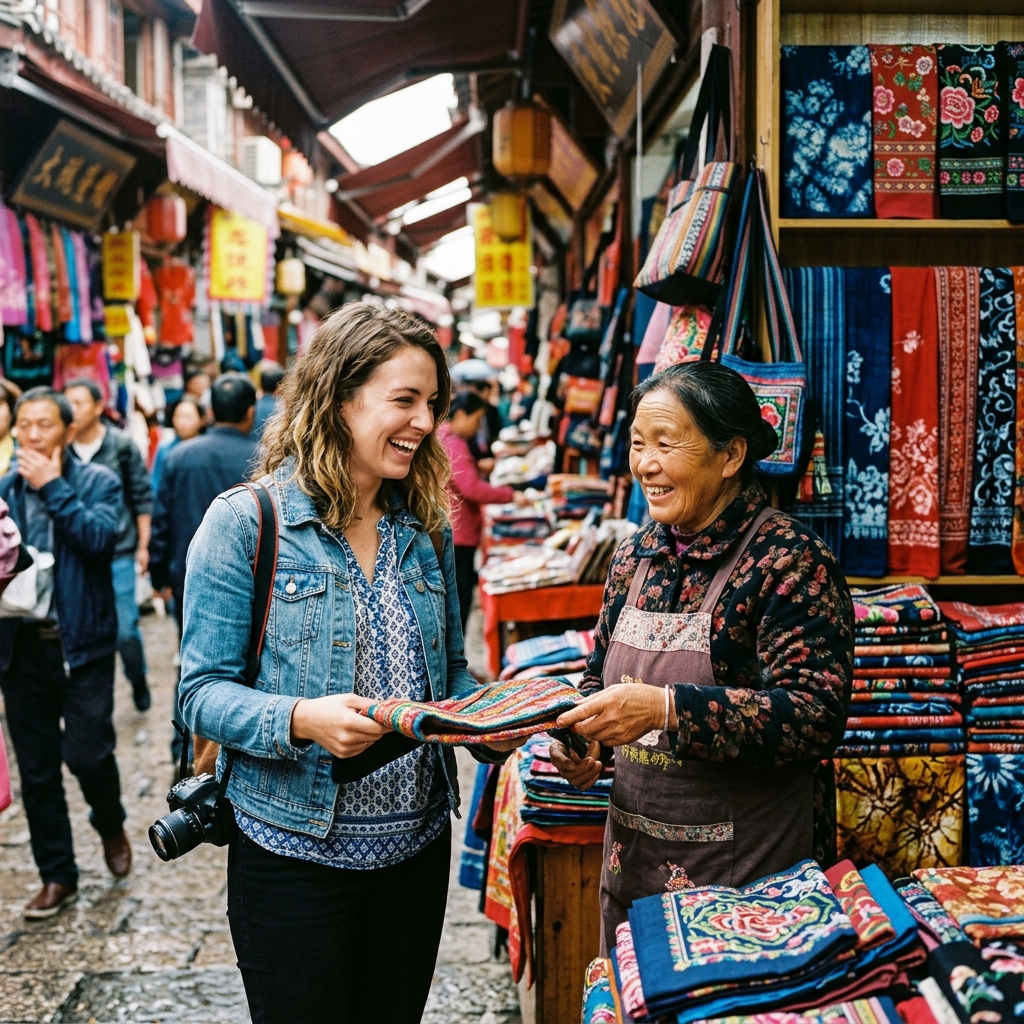
Shopping in a Chinese market can feel exciting, chaotic, and slightly intimidating at the same time. A seller may quote a price quickly, other shoppers may already be moving in, and if you hesitate too long you can feel pressure to accept whatever number lands in front of you. The good news is that bargaining does not have to be awkward. In China, polite negotiation is often expected in the right settings, and when you handle it calmly you can usually get a fairer price without offending anyone.

A traveler bargaining politely at a bustling Chinese street market

Gift Giving in China: Colors, Numbers & Taboos to Know

· 19 min read
Kai Miller
Cultural Explorer & Photographer

If you are traveling in China, one small gift can do a lot of social work. It can turn a first meeting into a warm relationship, show gratitude to a host, or signal that you understand local etiquette. The problem is that the wrong color, number, or object can create exactly the opposite impression. This guide explains the practical side of gift giving in China so you can choose something appropriate, avoid common taboos, and present it with confidence.

A beautifully wrapped Chinese gift in red and gold

Chinese Bathroom Etiquette: Squat Toilets, Tissue & Public Restrooms

· 23 min read
Kai Miller
Cultural Explorer & Photographer

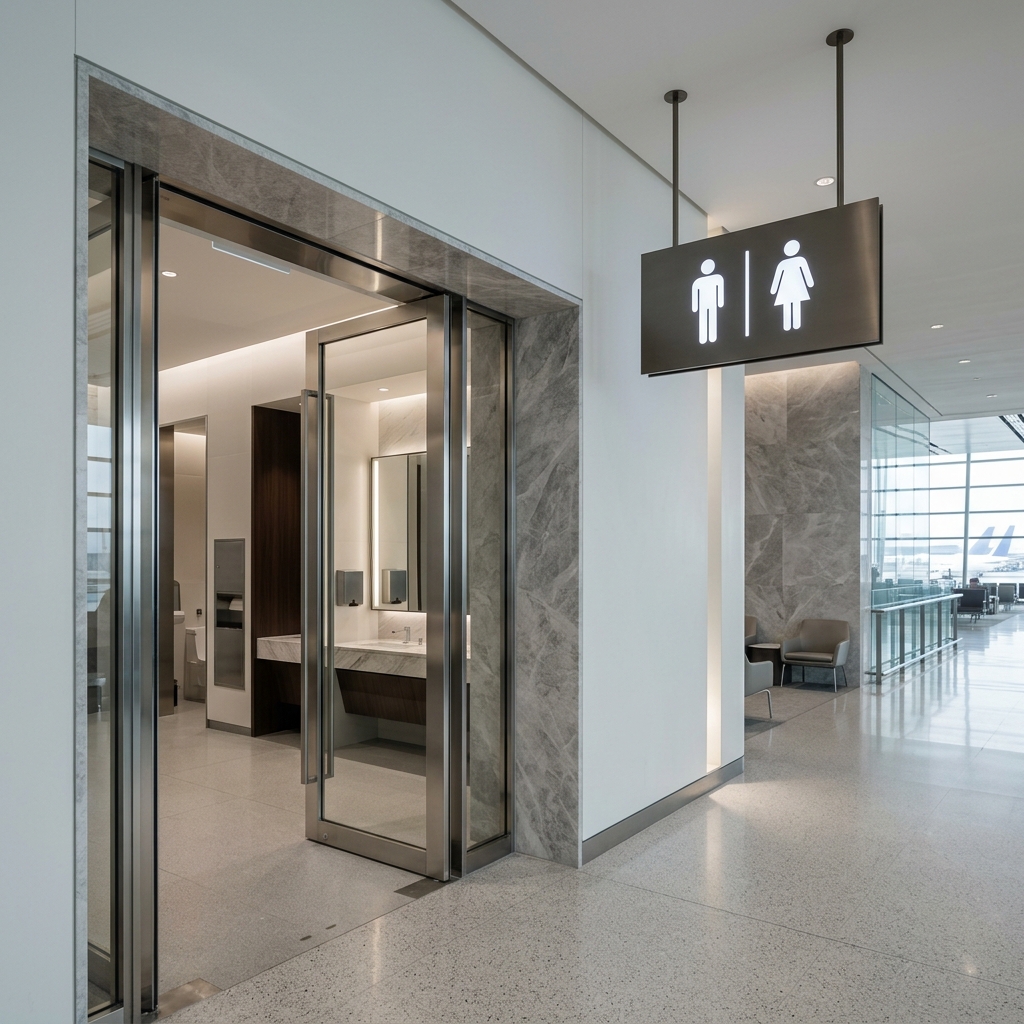
The first time you step into a public restroom in China, the surprise is usually not the smell, the signage, or even the line. It is the fact that the room may look completely normal from the outside and then contain a mix of squat toilets, Western toilets, shared sinks, tissue boxes that may or may not be stocked, and a level of local practicality that can feel unfamiliar to travelers from Europe, North America, or Southeast Asia. If you are planning a trip and trying to avoid awkward moments, this guide is for you.

A clean and modern public restroom sign in a Chinese shopping mall

Tea Culture in China: Best Teahouses in Beijing, Hangzhou & Chengdu

· 23 min read
Kai Miller
Cultural Explorer & Photographer

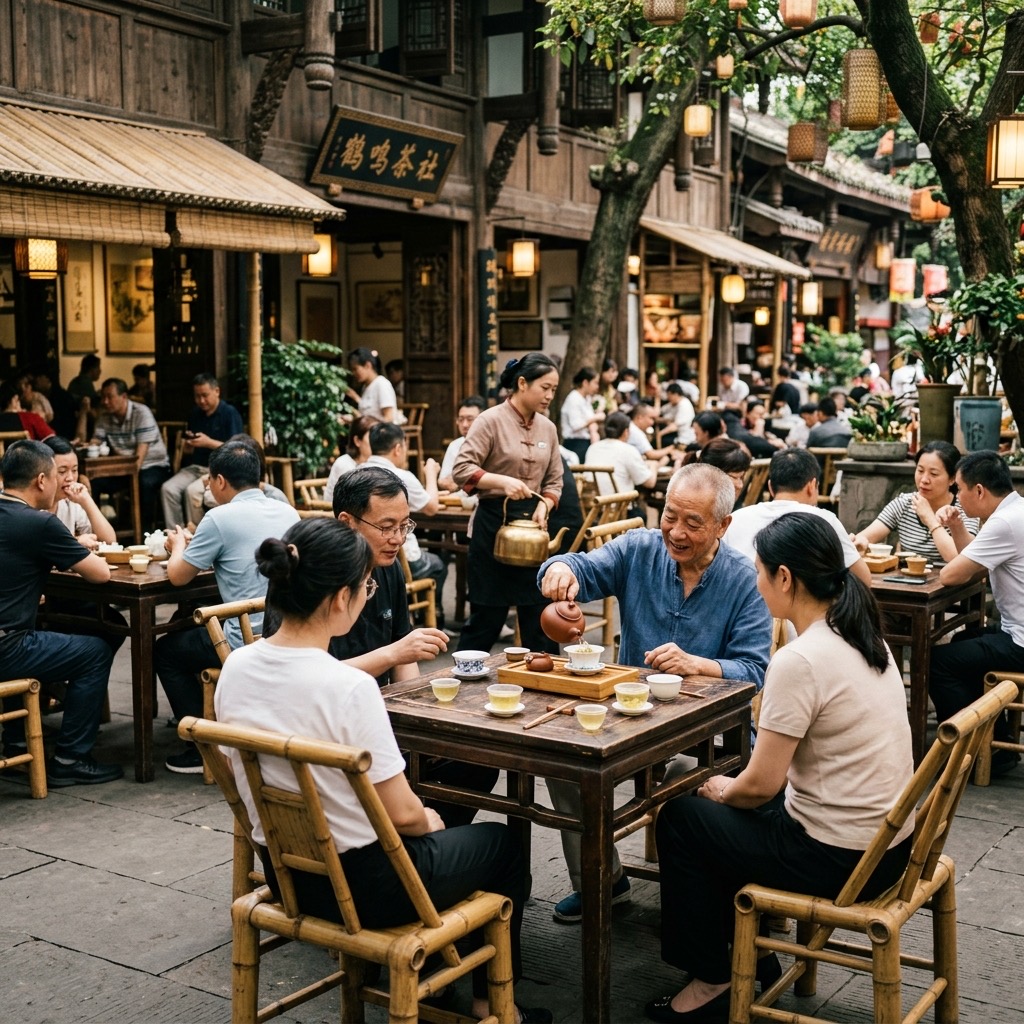
China's tea culture is not one thing. It is a collection of rituals that happen to share the same leaf. In Beijing, tea often arrives wrapped in performance, politics, and old-city nostalgia. In Hangzhou, tea is tied to landscape, scholarship, and the idea that a perfect cup should feel inseparable from the place where it was grown. In Chengdu, tea is slower, looser, and more social, a daily habit that holds together entire neighborhoods of people who are in no hurry to leave. If you only visit one city, you will get one version of the story. If you visit all three, the differences tell you almost everything you need to know about Chinese travel culture.

Tea culture in China with a traditional teahouse setting, wooden tables, porcelain cups, and soft natural light

Chinese Night Market Guide: Wangfujing, Xi'an & Chengdu Snack Streets

· 22 min read
Kai Miller
Cultural Explorer & Photographer

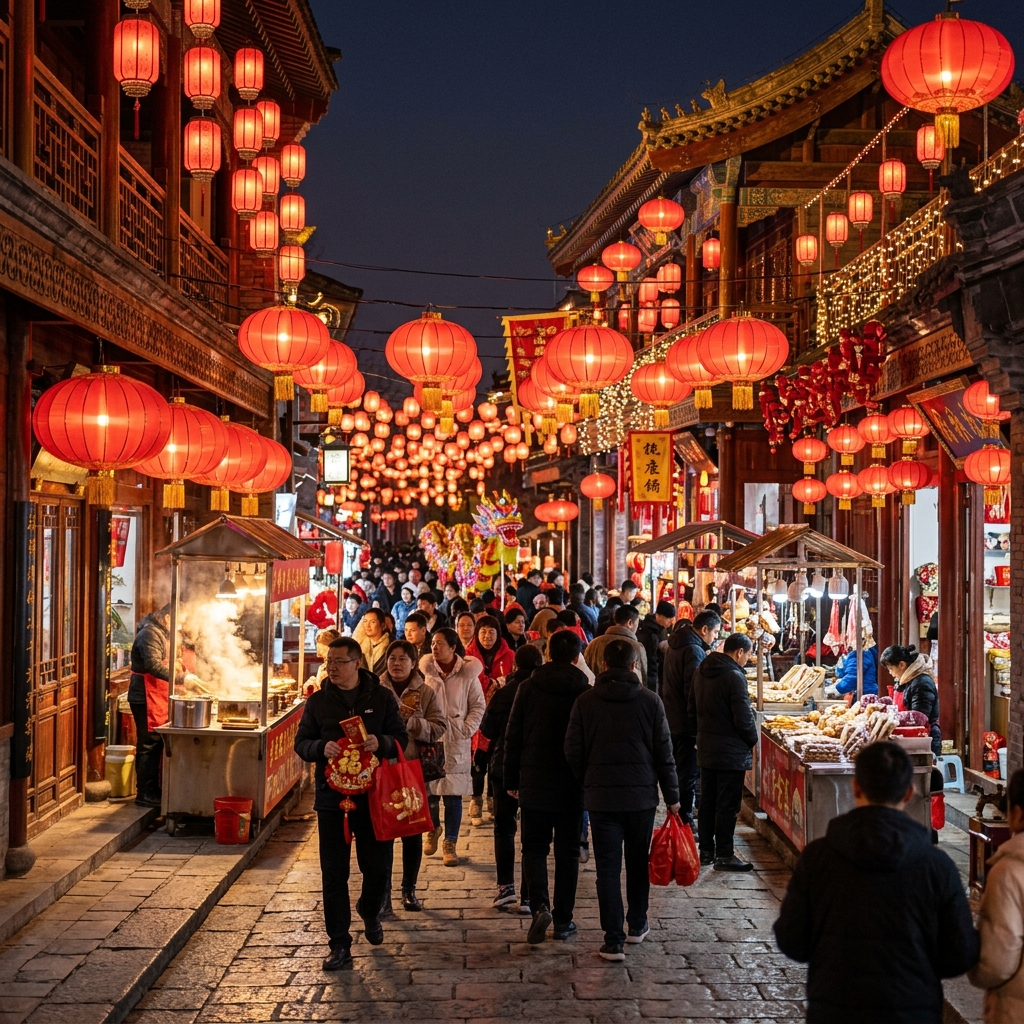
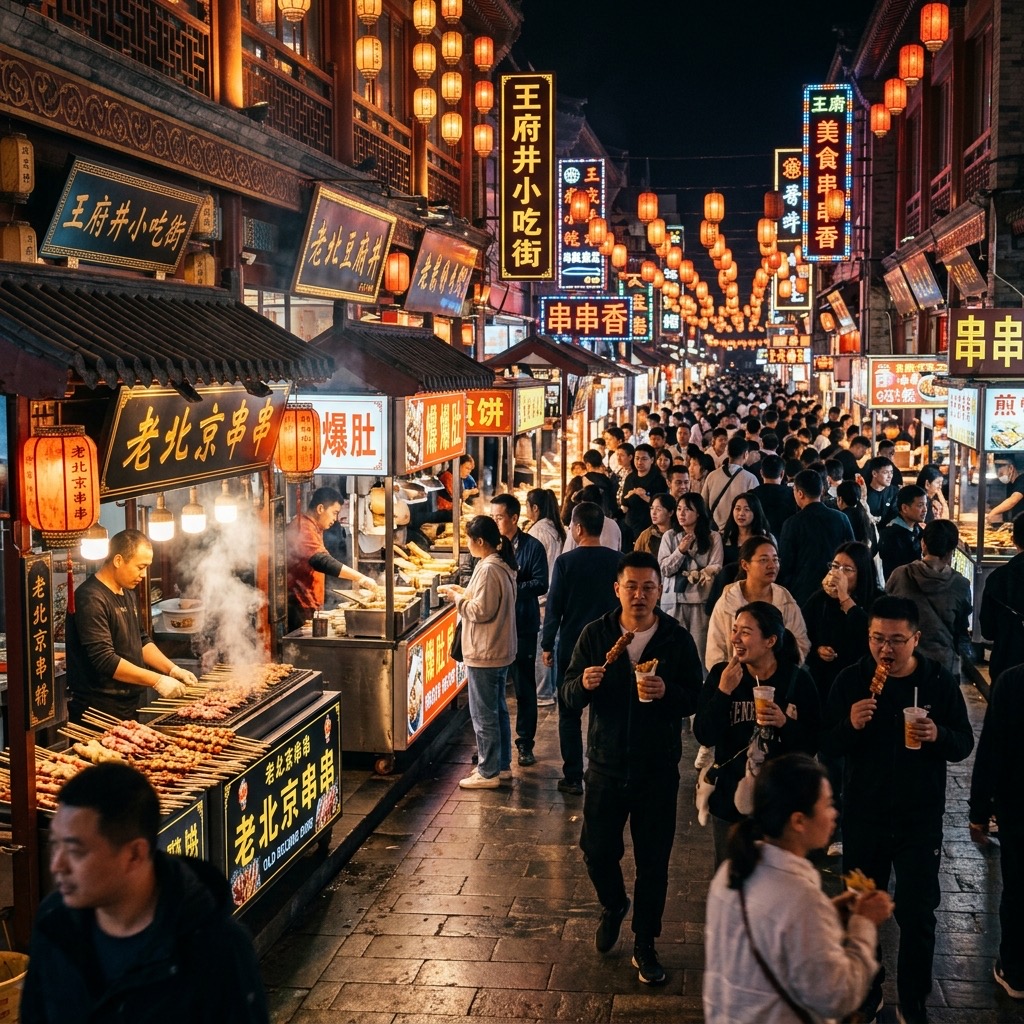
If you only have room for one food crawl in China, the wrong choice can waste a night. Wangfujing can feel polished and tourist-heavy, Xi'an's Muslim Quarter can overwhelm you with history and snack variety, and Chengdu's Jinli can seduce you with lantern light and Sichuan aromas before you have time to plan your route home. This guide helps you choose the right stop for your budget, appetite, and energy level, with practical 2026 notes on hours, transport, and what each street is really best at. For a wider Beijing plan, pair this with Ultimate Beijing Travel Guide: Great Wall, Forbidden City & More, then use China SIM Card Guide 2026: eSIM, Local Cards & Roaming Options and Currency in China: Where to Exchange, Use Cards & Avoid Scams so you are not solving connectivity and payment problems while you are hungry.

Night market and street food scene in China

Religious Sites in China: Buddhist, Taoist & Confucian Temple Visits

· 21 min read
Elena Vance
Editor-in-Chief & Logistics Expert

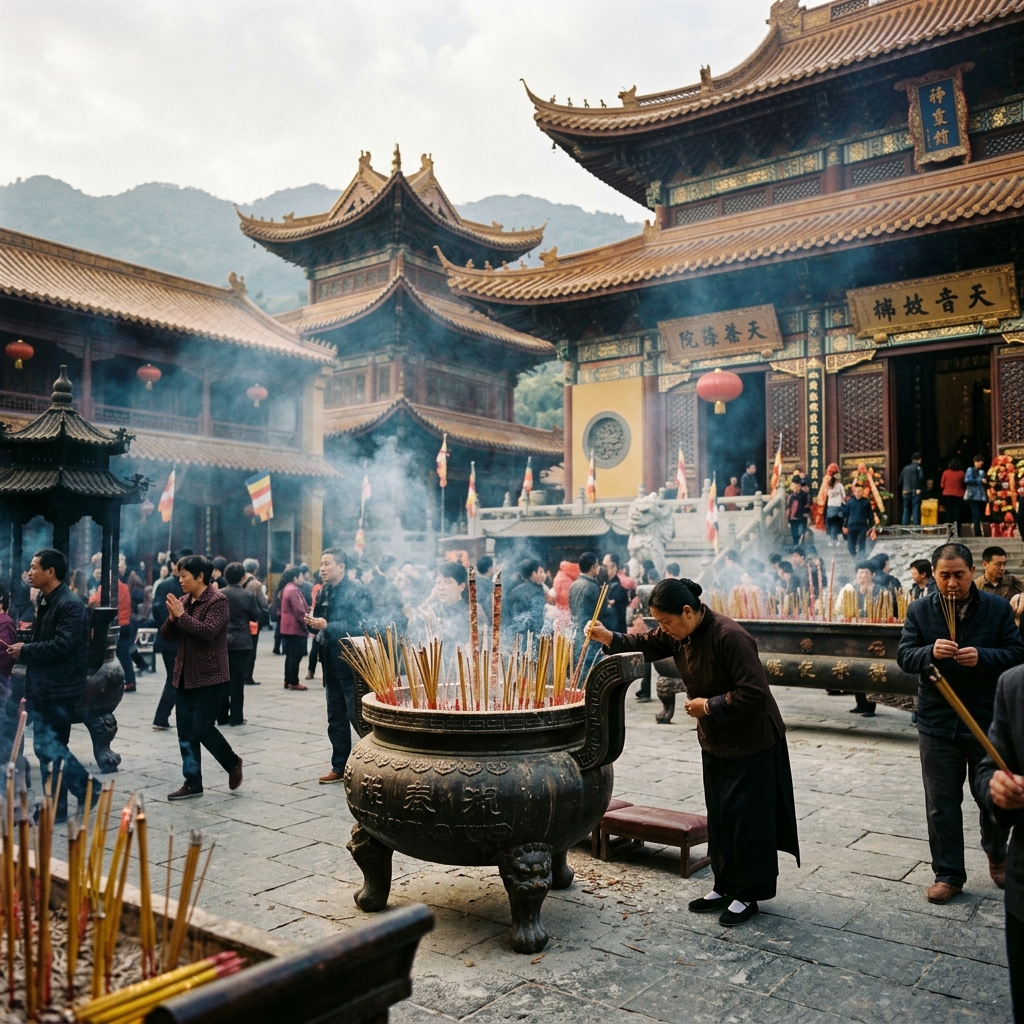
If you have ever stood outside a Chinese temple and wondered whether you were looking at Buddhism, Taoism, or Confucianism, you are not alone. The labels on maps are often vague, the architecture can feel similar at first glance, and the rules for entering, photographing, paying, and praying are easy to misread. This guide gives you a clear framework so you can visit with confidence, whether you are planning a full temple day in Beijing or adding one sacred site to a larger China itinerary.

Temple courtyard with incense, stone lions, and layered roofs

Vegetarian Eating in China: Buddhist Cuisine & Plant-Based Options

· 19 min read
Kai Miller
Cultural Explorer & Photographer

China can be an extremely easy country to eat in as a vegetarian, or an unexpectedly tricky one, depending on where you go and how you order. The good news is that Buddhist cuisine, temple-style meals, and a fast-growing plant-based restaurant scene make it possible to eat very well without giving up flavor, variety, or convenience. The catch is that "vegetarian" in China does not always mean what international travelers expect. Broth, oyster sauce, lard, fish sauce, egg, and alliums show up in more places than many first-time visitors realize.

If you are planning the broader trip at the same time, it helps to read China Travel Planning: Visa, WeChat Pay, High-Speed Rail & Practical Guide and China Tourist Visa Guide: Requirements, Process & Time to Apply before you lock in your route. If your trip also starts in Seoul, the Incheon Airport Survival Guide: From Landing to Seoul in 90 Minutes is useful for transfer-day logistics.
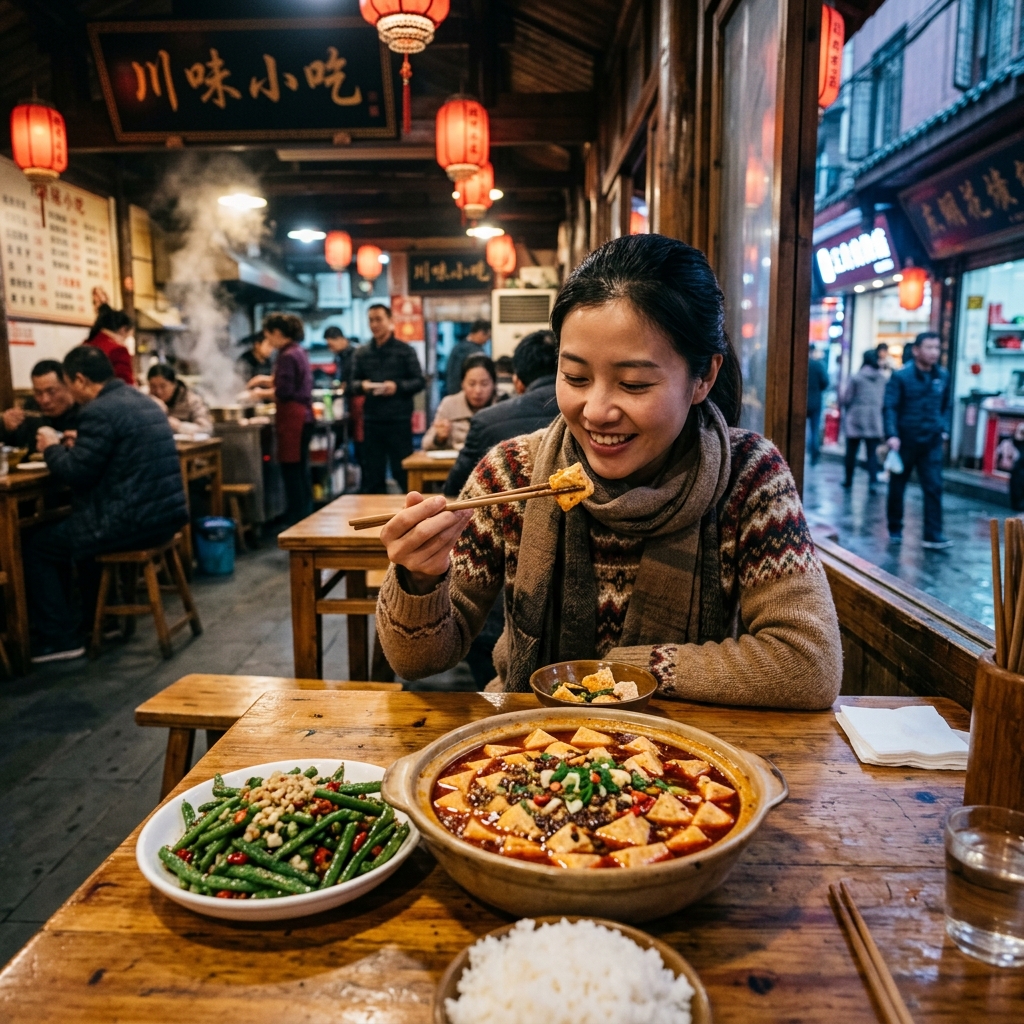

Vegetarian meal inspired by Buddhist cuisine in China

Family Travel and Multi-Gen Dynamics: What Chinese Hospitality Looks Like

· 20 min read
Kai Miller
Cultural Explorer & Photographer

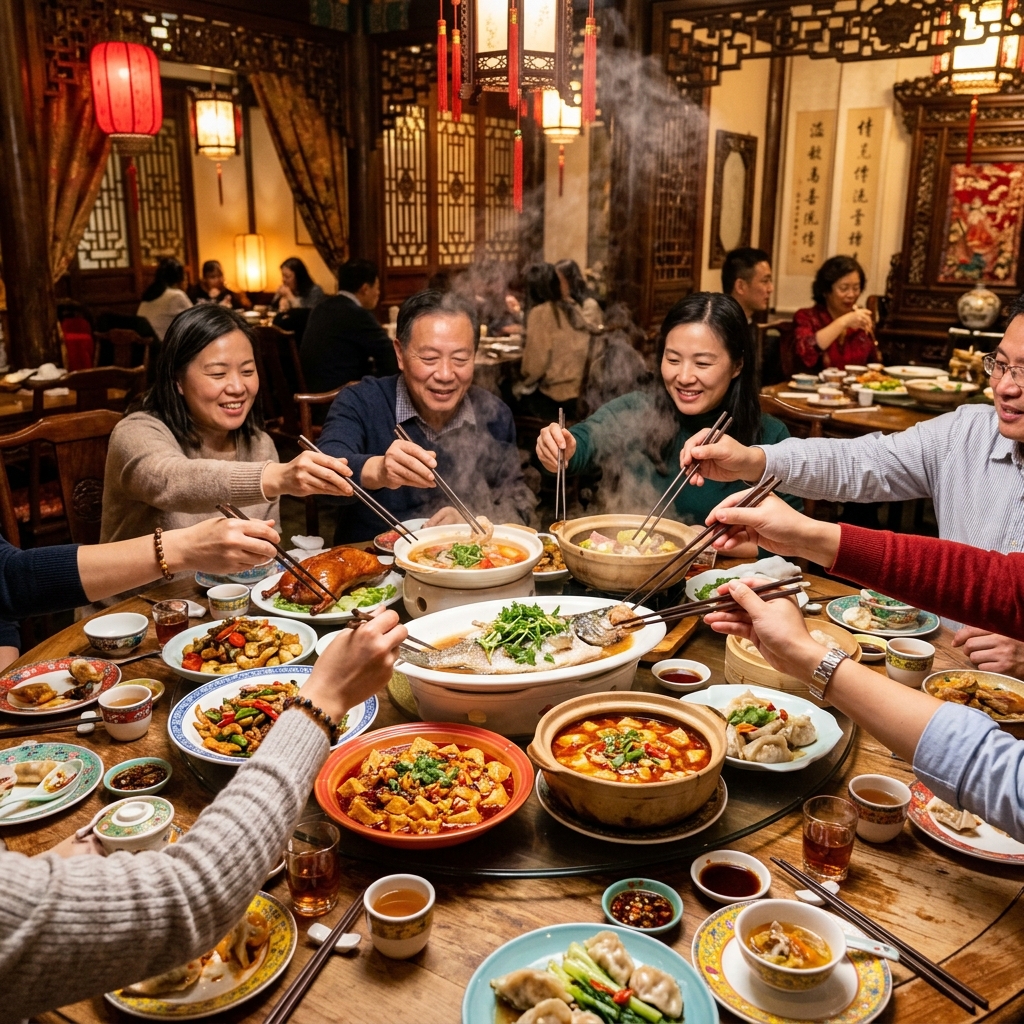
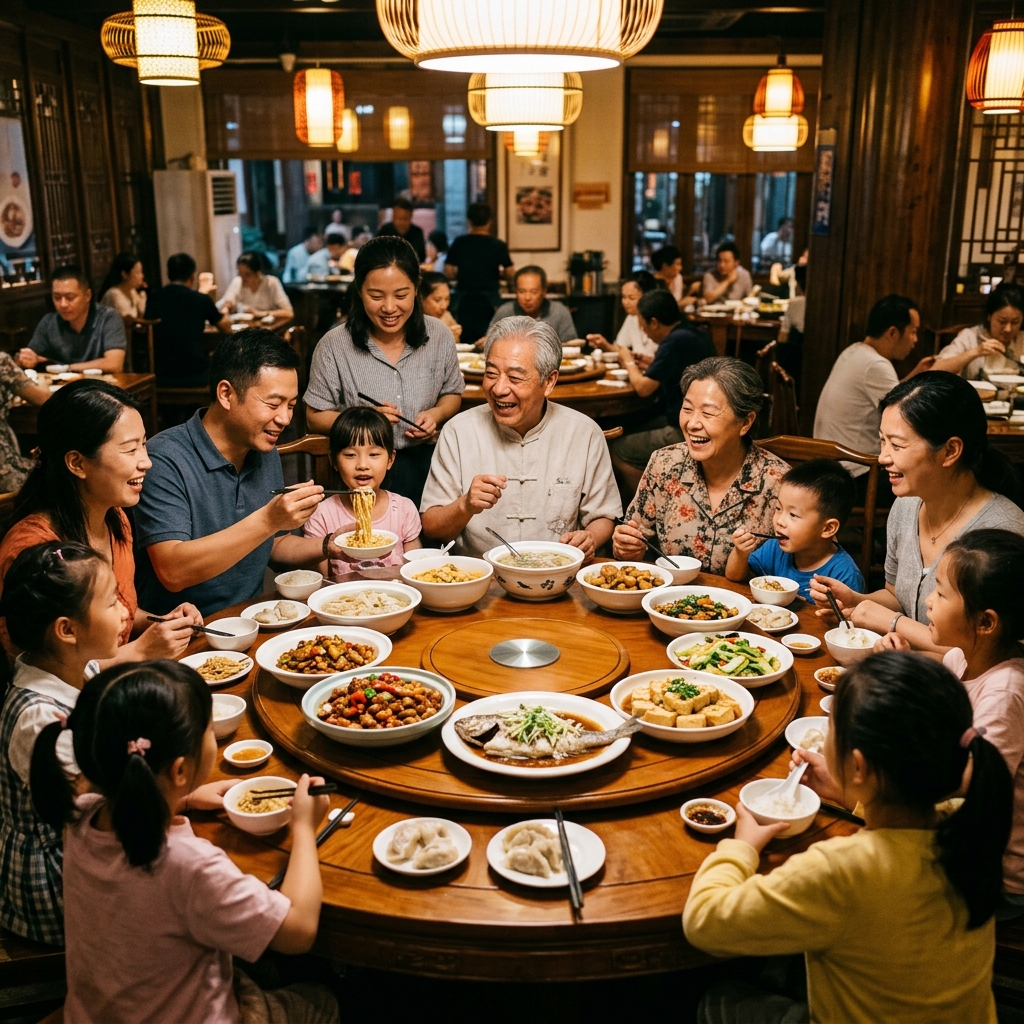
If you travel in China long enough, you start to notice that hospitality is not just service. It is a social language. Meals arrive in layers, children are folded into the center of attention, grandparents are treated as decision-makers, and hosts often seem to anticipate needs before anyone has said them out loud. For family travelers, especially those moving with parents, children, and older relatives at the same time, that can feel both generous and complicated. This guide explains how Chinese hospitality works in multigenerational settings, what it means for everyday travel decisions, and how to move through the experience without misunderstanding the local rhythm.

Family travel and multigenerational hospitality in China