Rock Climbing in Korea: Best Indoor Gyms and Outdoor Crags
South Korea, often celebrated for its vibrant K-pop culture, ancient temples, and futuristic cities, holds a thrilling secret for adventure enthusiasts: a burgeoning rock climbing scene that caters to both seasoned pros and curious beginners. From state-of-the-art indoor bouldering gyms scattered across Seoul's urban landscape to the rugged, majestic granite peaks that define its national parks, the country offers a diverse array of climbing experiences. Whether you're looking to challenge yourself on a vertical face with breathtaking views or hone your technique in a dynamic indoor setting, this guide will equip you with all the essential information to scale new heights in Korea.
Unveiling Korea's Climbing Landscape: Indoor vs. Outdoor Adventures
South Korea's rock climbing scene is a dynamic blend of urban indoor facilities and spectacular natural outdoor crags, each offering unique challenges and environments. For many, the journey begins indoors, where accessibility, controlled conditions, and professional instruction make it an ideal starting point. The country's major cities, especially Seoul, are dotted with modern climbing gyms that provide excellent bouldering and lead climbing opportunities. These gyms are not just training grounds; they are vibrant community hubs where climbers of all levels can connect, learn, and improve. The routes are regularly reset, ensuring a constant stream of fresh challenges, and rental equipment is readily available, making it easy for travelers to drop in and climb.
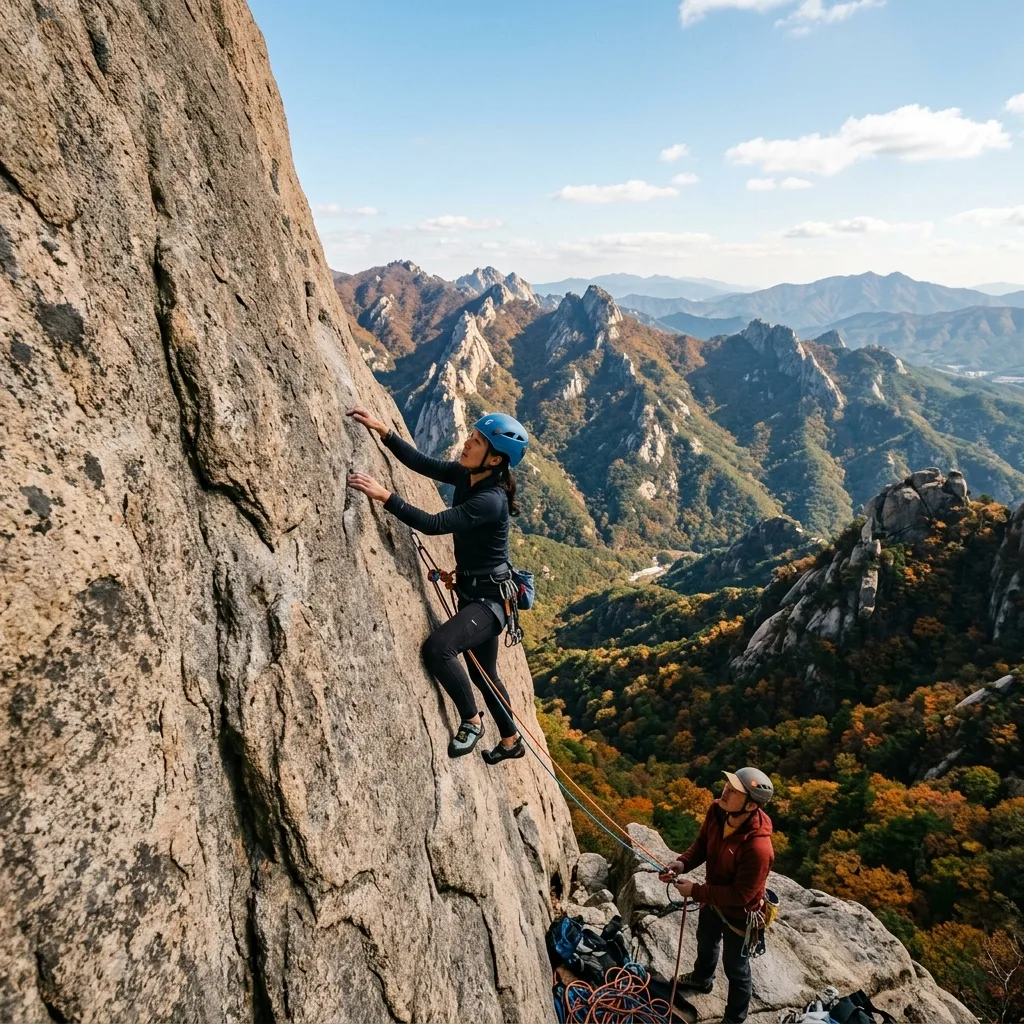
Beyond the city limits, a different kind of adventure awaits. Korea's mountainous terrain, particularly its granite formations, offers world-class outdoor climbing. Areas like Bukhansan National Park, Seoraksan National Park, and Daedunsan are renowned for their challenging multi-pitch routes, traditional climbing opportunities, and stunning natural beauty. For a broader understanding of Korea's natural wonders, check out our guide to the Best National Parks in South Korea for Fall Foliage. These outdoor crags provide an immersive experience, combining the thrill of climbing with the serenity of nature. However, outdoor climbing requires more specialized gear, experience, and an understanding of local regulations and safety protocols. This section will delve into both aspects, helping you decide where to embark on your Korean climbing journey.
The Rise of Indoor Climbing: Modern Gyms Across Korea
The indoor climbing scene in South Korea has exploded in popularity over the past decade, transforming into a mainstream sport and recreational activity. This surge is largely due to the convenience, community, and quality of facilities available. The Ultimate Seoul Travel Guide: Where to Stay & What to See, in particular, is a hotbed for indoor climbing, boasting numerous gyms that cater to every style, from dedicated bouldering caves to towering walls designed for lead and top-rope climbing.
Among the most well-known are:
- The Climb (더클라임): With multiple branches across Seoul (Hongdae, Gangnam, Konkuk University, etc.), The Climb is arguably the most popular chain for bouldering. They are known for their modern facilities, frequent route setting, and a vibrant community atmosphere. Each branch offers a slightly different vibe and a wide range of problems suitable for all levels, from beginner to advanced. They often host friendly competitions and events, making them a great place to meet local climbers.
- Rockn볼더링 (Rock'n Bouldering): Another prominent bouldering gym, Rockn Bouldering also has several locations in Seoul. They are praised for their diverse and creative problem setting, ensuring climbers always face fresh challenges. Their facilities are typically spacious and well-maintained, providing a comfortable climbing environment.
- Climbing Factory (클라이밍팩토리): Offering both bouldering and lead climbing, Climbing Factory is a great option for those looking to experience both disciplines. Their walls can be quite high, providing a good challenge for lead climbers, while their bouldering sections are equally engaging. They often have dedicated auto-belay lanes, which are perfect for solo climbers or beginners wanting to practice their vertical ascent.
- Seoul Bouldering Gym (서울볼더링): Known for its strong community and focus on technique, Seoul Bouldering Gym is a favorite among intermediate and advanced climbers looking to refine their skills. They often have a slightly more intense training atmosphere but remain welcoming to all who are serious about improving.
Many of these gyms offer day passes, making them perfect for visitors. They are often equipped with state-of-the-art auto-belay systems, extensive bouldering problems graded for all levels, and lead walls that can reach impressive heights. The atmosphere is typically welcoming and inclusive, with climbers readily sharing tips and encouragement. Beyond just climbing, these facilities often feature fitness areas, comfortable lounge spaces, and even cafes, creating a holistic recreational experience. Training sessions and introductory classes are common, making it easy for absolute beginners to get a taste of the sport in a safe and supportive environment.
One of the most appealing aspects for travelers is the ease of access. Most indoor gyms are conveniently located near subway stations, making transportation straightforward. Equipment such as climbing shoes, harnesses, and chalk bags can typically be rented on-site, eliminating the need to travel with bulky gear. This accessibility has made indoor climbing a popular activity for both locals seeking a post-workout thrill and tourists looking for a unique cultural and physical experience.
Conquering Outdoor Crags: Korea's Natural Climbing Gems
For those who crave the raw challenge and unparalleled beauty of natural rock, South Korea's outdoor crags offer an unforgettable experience. The country's geological makeup, characterized by ancient granite mountains, provides excellent friction and diverse climbing styles, from slab and crack climbing to steep overhangs. While less accessible than indoor gyms, the reward of conquering an outdoor route with panoramic views of Korea's stunning landscapes is truly unparalleled.
Bukhansan National Park: Located just north of Seoul, Bukhansan is a climber's paradise that feels a world away from the bustling metropolis. Its towering granite peaks, such as Baegundae, Insubong, and Mangyeongdae, offer a variety of multi-pitch routes, some reaching several hundred meters. Insubong, in particular, is famous for its classic traditional climbing routes like "Sejonbong" and "Janggunbong," which provide challenging crack and slab climbing experiences. The park's well-maintained trails lead to the base of these impressive formations, making the approach an adventure in itself. Climbers should be experienced in traditional climbing techniques, including setting protection, and be prepared for varied weather conditions. Local climbing clubs often organize trips, which can be a great way for experienced foreign climbers to find partners and guidance. The best times to climb are spring and autumn, when the weather is mild and the views are spectacular.
Seoraksan National Park: Further afield, on the east coast, Seoraksan National Park is another legendary destination for outdoor enthusiasts, including climbers. Known for its dramatic rocky peaks, deep valleys, and pristine nature, Seoraksan offers some of the most spectacular alpine climbing in Korea. Routes here can be more committing and require a higher level of experience and preparedness, including self-rescue skills. Areas like the "Ulsanbawi" rock formation offer a mix of multi-pitch and single-pitch routes, ranging from moderate to very challenging, often featuring steep slabs and intricate crack systems. The approach to these crags can be strenuous, but the views from the top, especially of the East Sea and the surrounding mountain ranges, are consistently described as breathtaking. Due to the park's alpine nature, climbers should be aware of potential rockfall and sudden weather changes.
Daedunsan Provincial Park: Located in Jeollabuk-do, Daedunsan offers a different flavor of outdoor climbing, often characterized by its iconic suspension bridge and a mix of sport and traditional routes. While perhaps not as extensive as Bukhansan or Seoraksan, it provides a fantastic option for those looking for a slightly less crowded experience with accessible, yet rewarding, climbing. The park's natural beauty, especially during autumn foliage, adds to the appeal of climbing here.
Practical Guide to Climbing in Korea
Navigating the climbing scene in a foreign country can be daunting, but with a few pointers, you'll be scaling walls in no time.
Indoor Gyms: Admission, Hours, and Booking
Most indoor climbing gyms operate on a walk-in basis for day passes.
- Admission Fees: Expect to pay between 15,000 to 25,000 Korean Won (KRW) for a day pass. This usually includes access to all facilities. Monthly memberships are also available if you plan a longer stay.
- Rental Equipment: Climbing shoes and chalk bags are almost always available for rent, typically costing an additional 3,000-5,000 KRW. Harnesses might also be available for top-rope or lead climbing.
- Operating Hours: Most gyms open in the late morning (10-11 AM) and close late in the evening (10-11 PM) on weekdays, with slightly shorter hours on weekends and public holidays. It's always best to check the specific gym's website or social media for the most up-to-date schedule.
- Booking: Pre-booking is generally not required for day passes. For introductory classes or guided sessions, it's advisable to book in advance, especially for English-speaking instructors.
Outdoor Crags: Access, Guides, and Gear
Outdoor climbing in Korea requires more planning and often local expertise.
- Access: Many outdoor crags are located within national or provincial parks, which may have entrance fees (usually a few thousand KRW). Some areas might have specific access restrictions or require permits, especially for multi-pitch routes in protected zones. Always check with local park authorities or climbing communities.
- Guides: For international climbers unfamiliar with the terrain or language, hiring a local guide is highly recommended. Guides can provide essential safety information, local beta on routes, and necessary gear. Search online for "Korea climbing guides" or "Seoul climbing guides" to find reputable services. Local climbing shops and associations can also offer recommendations.
- Gear: A full rack of traditional climbing gear (cams, nuts, quickdraws), ropes, helmets, and appropriate climbing attire are essential for outdoor crags. While some local shops might sell or rent gear, it's generally best to bring your own specialized equipment if you plan extensive outdoor climbing, as rental options for outdoor-specific gear can be limited.
- Transportation: Many outdoor crags, especially those in national parks, are accessible by public transport (bus or subway combined with a local bus) followed by a hike. For example, to reach Bukhansan's climbing areas, you can take a subway to Gupabal Station and then a local bus. Seoraksan can be reached by intercity bus to Sokcho, followed by local buses to the park entrances. Renting a car can offer more flexibility, particularly if you're traveling with a lot of gear or a group, allowing for easier access to more remote locations. However, be aware of toll roads and potentially challenging mountain driving conditions.
- Local Climbing Shops: Seoul has several well-stocked climbing shops where you can purchase gear, get repairs, or simply ask for local advice. Popular areas for climbing shops include the vicinity of Bukhansan National Park and some of the larger indoor gyms. Shops like "Vertical World" or "Mont Blanc" (different from the luxury brand) often have knowledgeable staff who can provide current information on crag conditions, guide services, and local regulations. They are also excellent places to connect with the local climbing community.
Tips & Common Mistakes for Climbers in Korea
To ensure a smooth and enjoyable climbing experience in South Korea, keep these tips in mind:
- Learn Basic Korean Climbing Terms: While many younger Koreans speak English, knowing a few climbing-specific terms can be very helpful, especially in outdoor settings or smaller gyms. Words like "출발" (chulbal - start), "도착" (dochak - finish/reach), and "화이팅" (hwaiting - encouraging cheer) are good to know. To fully embrace the local experience, consider a Hanok Guesthouse Experience: Staying in a Traditional Korean Home.
- Join Local Communities: Facebook groups like "Seoul Climbing" or "Korea Rock Climbers" are excellent resources for finding partners, getting local advice, and staying updated on events. Many gyms also have their own community boards.
- Respect Local Regulations: When climbing outdoors, always be mindful of park rules and environmental regulations. Stick to established trails and climbing areas, and practice Leave No Trace principles. Some areas might have seasonal closures for conservation purposes. For a deeper dive into Korea's rich history and cultural etiquette, consider reading our Gyeongju Travel Guide: The Museum Without Walls.
- Weather Awareness: Korea experiences four distinct seasons. Summers can be hot and humid, while winters are cold and snowy. Spring and autumn offer the most pleasant outdoor climbing conditions. Always check the weather forecast before heading out, especially for outdoor crags where conditions can change rapidly.
- Hydration and Snacks: Even in cooler weather, staying hydrated is crucial. Bring enough water and high-energy snacks, particularly for longer outdoor sessions.
- Safety First: Whether indoors or outdoors, never compromise on safety. Double-check your knots, belay devices, and equipment. If you're unsure about a route or a piece of gear, ask for help from experienced climbers or guides. For outdoor climbing, consider taking a wilderness first aid course.
FAQ: Your Top Questions About Climbing in Korea Answered
Q1: Do I need to bring my own climbing gear to Korea? A: For indoor gyms, you can easily rent shoes and chalk bags on-site. For outdoor climbing, it's highly recommended to bring your own specialized gear (harness, ropes, cams, nuts, etc.) as rental options for this equipment are limited.
Q2: Are there English-speaking instructors available for beginner classes? A: Yes, many larger indoor climbing gyms in major cities, especially Seoul, have English-speaking staff and offer beginner classes in English. It's best to call ahead or check their website to confirm availability.
Q3: How do I find climbing partners for outdoor routes? A: Online communities such as Facebook groups ("Seoul Climbing," "Korea Rock Climbers") are excellent places to connect with local climbers looking for partners. You can also inquire at popular indoor gyms or local climbing shops.
Q4: Is outdoor climbing in Korea suitable for beginners? A: Generally, outdoor crags in Korea are more suited for intermediate to advanced climbers due to the technical nature of the routes and the need for self-sufficiency. Beginners should start with indoor gyms and consider hiring a professional guide for their first outdoor experiences.
Q5: What are the best seasons for outdoor rock climbing in South Korea? A: Spring (April to early June) and Autumn (September to October) offer the most favorable weather conditions for outdoor climbing, with mild temperatures and less humidity. Summers can be very hot and humid, while winters are cold and often snowy, limiting outdoor options.
Q6: Are there any specific climbing ethics or cultural nuances to be aware of? A: While climbing ethics are generally universal, it's always good to be mindful of local customs. In Korea, respect for nature and elders is highly valued. When climbing outdoors, stick to established routes and avoid disturbing the environment. In gyms, it's common to bow slightly as a greeting or thank you. Also, punctuality and politeness are appreciated. Always clean up after yourself and ensure your actions don't negatively impact others' enjoyment of the space.
Q7: How can I find up-to-date information on climbing events or festivals? A: The best sources for current events are often online climbing communities and social media groups (e.g., Facebook groups like "Seoul Climbing"). Many indoor gyms also post information about upcoming competitions, workshops, or outdoor trips. Checking the websites of major climbing brands or organizations in Korea might also yield information on larger festivals.
Conclusion: Reach New Heights in the Land of the Morning Calm
Rock climbing in South Korea is an adventure waiting to be discovered. From the welcoming and modern indoor gyms of its bustling cities to the majestic, granite-faced mountains that call to the intrepid, Korea offers a unique and diverse climbing landscape. Whether you're a bouldering enthusiast looking for a challenging new problem, or a traditional climber eager to scale multi-pitch routes with breathtaking vistas, the Land of the Morning Calm has something to offer. Remember to embrace the local climbing culture, prioritize safety, and immerse yourself in the stunning natural beauty that surrounds each ascent. So pack your shoes, chalk up, and prepare to reach new heights on your next Korean adventure.