French Concession Neighborhood Guide: Coffee, Fashion & Colonial Architecture
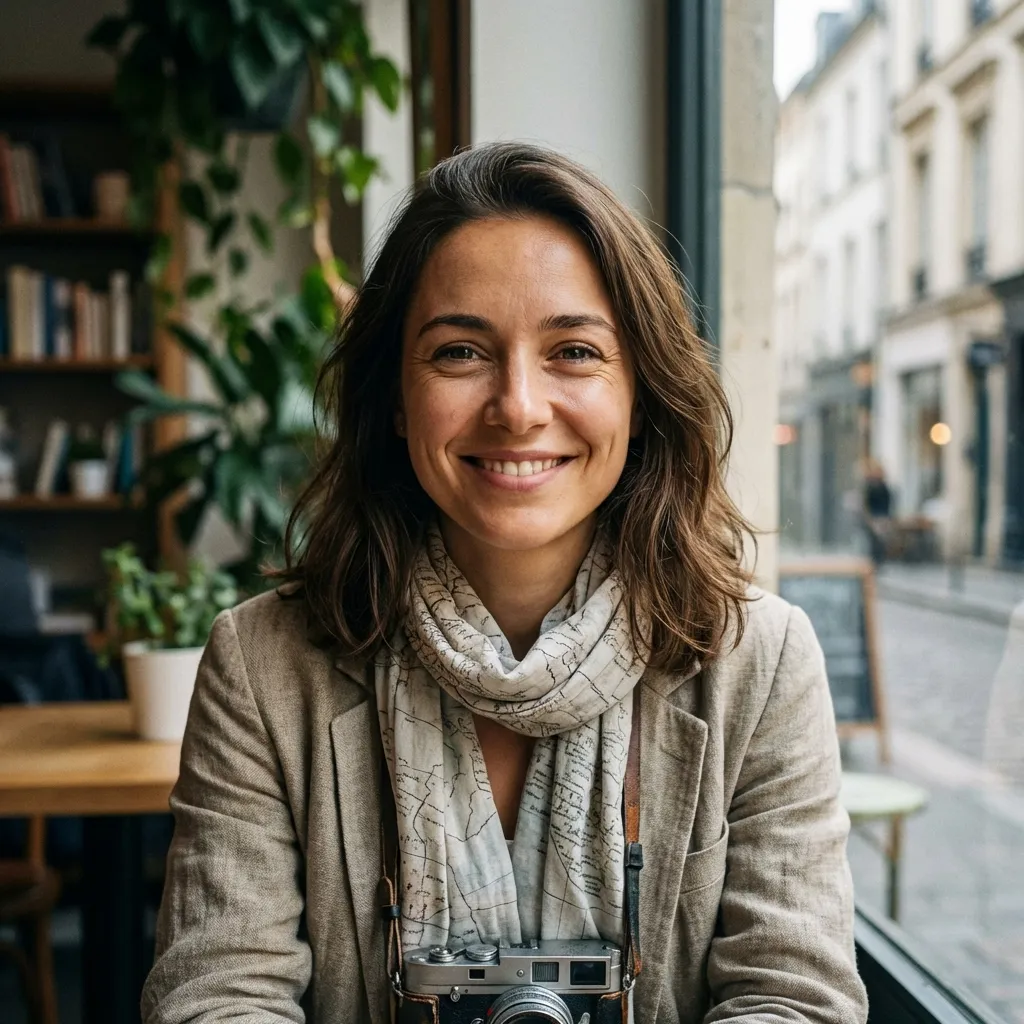
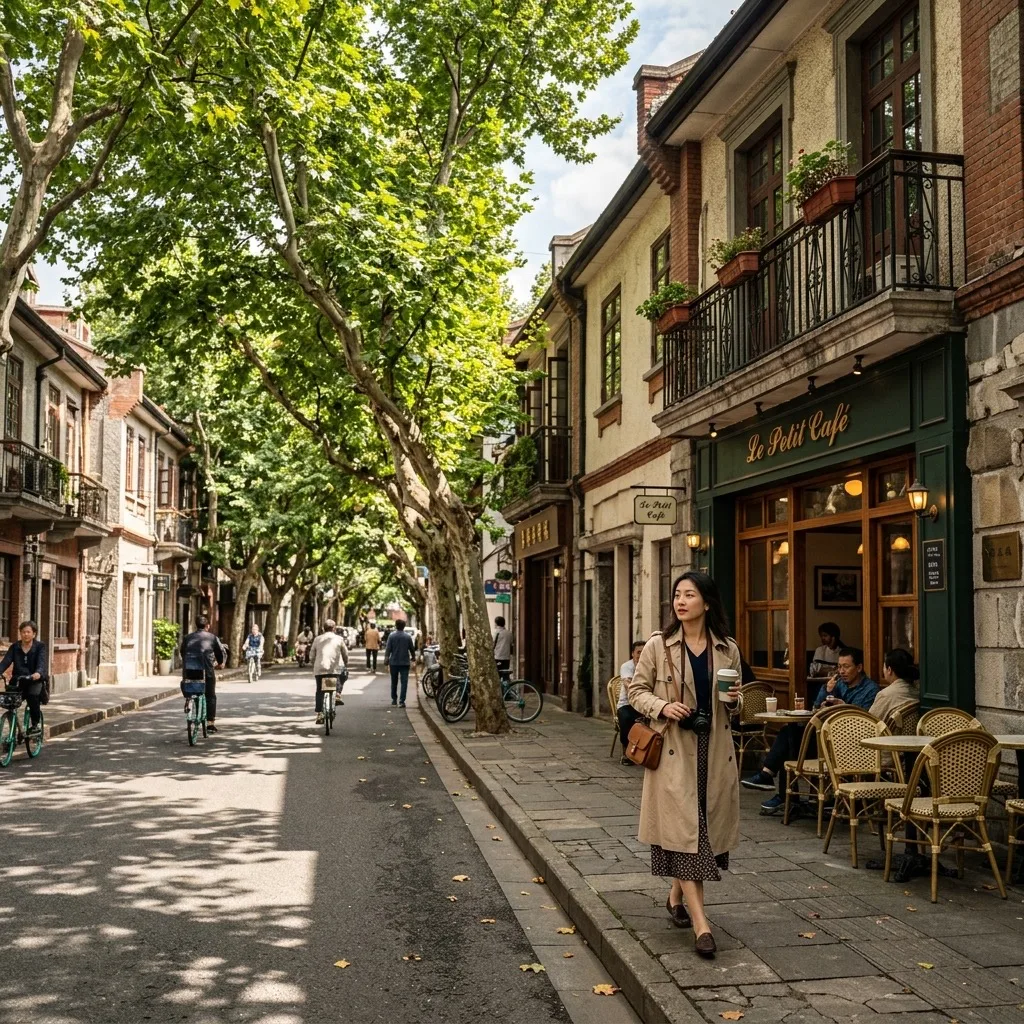
If you arrive in Shanghai expecting neon towers and bullet-train logistics, the French Concession will stop you cold. Narrow plane-tree-shaded lanes, Art Deco villas painted dusty yellow, and a café on every other corner — this is the part of Shanghai that moves at a human pace, and once you find it, you won't want to leave. Whether you're a first-time visitor or returning for the third time, the Frenchtown, as locals still call it, rewards slow walking, casual detours, and absolutely no itinerary.
What Is the French Concession?
Between 1849 and 1943, a strip of central Shanghai was administered by France as an extraterritorial concession. French diplomats, missionaries, and merchants built broad boulevards, private gardens, and villas in the styles fashionable back home — Art Deco, neo-Baroque, and simplified French Normandy. After the concession ended and Shanghai changed hands politically, most of those buildings were preserved almost by accident: they were simply too useful to demolish.
Today the French Concession (法租界, Fǎzūjiè) roughly spans the area bounded by Huaihai Road to the north, Zhaojiabang Road to the south, Hengshan Road to the west, and Chongqing Road to the east — though locals and maps draw the boundaries loosely. The neighborhood is divided informally into two zones: the busier, more commercial stretch around Xintiandi and Huaihai Middle Road, and the quieter, more residential tangle of lane-houses (弄堂, lòngtáng) and garden villas south of Fuxing Road.
You won't need to understand any of this history to enjoy the neighborhood, but knowing it helps you read what you're looking at. Every ornamental iron gate and cobbled courtyard has a story that the rest of Shanghai largely erased.
The Architecture: Reading the Streets Like a Local
Lane-Houses (Shikumen)
The most distinctive residential form in the French Concession is the shikumen (石库门), a hybrid of Shanghainese row house and European terrace. A stone gateway — shiku means "stone warehouse door" — opens into a narrow lane flanked by two- and three-story brick houses with compact walled courtyards. These were built in the 1910s through 1930s for Shanghai's swelling middle class.
Xintiandi, the tourist-polished entertainment complex near Huangpi South Road Metro, preserves a block of restored shikumen shells. The interiors are now restaurants and boutiques, so the bones are real even if the soul is somewhat sanitized. A more authentic alternative: walk east along Jianye Road or through the Tianzifang art district to see shikumen that are still partly residential, where laundry hangs from iron railings and scooters lean against the gateposts.
Garden Villas and Mansions
South of Fuxing Road the density drops and the lots get larger. Here you'll find the garden villas — private mansions with walled grounds, often now converted into restaurants, boutique hotels, or private clubs. The Ruijin Hotel complex (瑞金宾馆) on Ruijin No. 2 Road preserves four villas set across lawns, originally built for a British press magnate in the 1920s. You can walk the grounds during hotel hours and get a sense of what residential life for the concession elite actually looked like.
The Spanish-style Sassoon Villa, the Morris Estate, and dozens of unnamed houses on Wukang Road and Anfu Road fall into the same category. Wukang Road in particular — a crescent-shaped street lined with sycamores that flood gold in autumn — has become the most photographed street in Shanghai. At the northern end stands the Normandie Apartments (武康大楼), an eight-story 1924 Art Deco block shaped like the prow of a ship. It looks best from the café tables across the street on a misty morning.
Art Deco Commercial Buildings
The concession's commercial spine, Huaihai Middle Road, was once the Avenue Joffre. The shopfronts along this stretch mix 1930s Art Deco facades with modern signage. If you're interested in architecture specifically, the best strategy is to look up: the upper floors of buildings between Shaanxi South Road and Maoming South Road retain original cornices, curved balconies, and decorative tiles that street-level renovations haven't touched.
Coffee Culture: The Best Cafés in the French Concession
Shanghai has overtaken Tokyo as the city with the most specialty coffee shops per capita in Asia, and the French Concession is ground zero for the best of them. What makes the neighborhood's café scene unusual is how seamlessly it integrates with the architecture — the best spots occupy converted lane-houses, garden pavilions, and ground-floor villas rather than purpose-built commercial units.
Manner Coffee
Manner started in Shanghai as a tiny window-facing-the-street operation and has expanded aggressively, but the French Concession branches — particularly the one on Yongkang Road — still feel local. Flat whites and oat lattes run about ¥20–25, a fraction of international chain prices. The Yongkang Road stretch has half a dozen competing cafés within 200 meters, making it the most concentrated coffee block in the neighborhood.
Seesaw Coffee
Seesaw is consistently rated among Shanghai's top specialty roasters. The Anfu Road branch occupies a converted ground-floor space and has a more serious pour-over program than most competitors. Expect to pay ¥35–50 for single-origin filter coffee. The baristas speak English and are genuinely happy to talk about origin and processing method if you're interested.
Sandpiper Coffee (and the Wukang Road Cluster)
The corner of Wukang Road and Yueyang Road has developed into an informal café district. Sandpiper, alongside several unnamed competitors, has outdoor seating facing the Normandie Apartments — the view is half the reason to go. Arrive early morning on weekdays if you want a table without competing with the Instagram crowd.
Café de Crémerie and the Hidden Courtyard Spots
One distinct pleasure of the French Concession is stumbling onto cafés that open onto interior courtyards invisible from the street. These change with some frequency — a café that occupied a beautiful garden last year may have closed or moved by the time you visit. The most reliable way to find them is to walk down any lane off Fuxing Middle Road between Shaanxi and Ruijin Roads and follow your nose. If a door is open and you see plants and espresso machines inside, that's usually enough.
Fashion and Shopping: What to Buy and Where
The French Concession has the best independent fashion retail in Shanghai, concentrated in three distinct pockets.
Xintiandi and Surrounding Streets
Xintiandi itself is premium international brands and overpriced dim sum restaurants. But immediately around it — particularly on Taicang Road and Huangpi South Road — there are small Chinese designer boutiques that don't show up on tourist maps. Look for brands doing modernist takes on qipao fabrics, or contemporary streetwear labels with embroidered characters. Prices are higher than markets but reasonable for original design: ¥300–800 for a quality piece.
Tianzifang
Tianzifang (田子坊) is a lane-house art and retail complex on Taikang Road that feels like a more eclectic, slightly older cousin of Xintiandi. The winding inner lanes are packed with handcraft shops, art print sellers, ceramic studios, and textile boutiques. The shopping is genuinely good for small gifts and original art — the vendors are largely independent. Arrive on weekday mornings to avoid weekend crowds; the lanes are narrow and can get claustrophobic at peak times.
The best finds at Tianzifang tend to be in the back rows of the complex, farthest from the Ruijin Road entrance: jewelry made with antique jade pieces, hand-printed linen bags, and lacquerware that isn't manufactured for export. Budget ¥100–500 depending on what you're looking for.
Anfu Road and Changle Road
These two parallel streets running east–west through the quieter residential quadrant have become the address for the most considered independent fashion in Shanghai. Several Chinese designers who show internationally maintain flagship stores here — Uma Wang, Ms Min, and Shushu/Tong have all had a presence in this corridor at various times. The retail tends toward investment pieces: beautifully constructed, locally designed, priced accordingly. Even if you're not buying, it's worth walking through to understand where Chinese fashion is right now.
For vintage specifically, the streets around Changshu Road Metro station have a loose cluster of second-hand shops selling pre-owned Japanese and European clothes, often well-curated and fairly priced.
Food: What and Where to Eat
The French Concession is not primarily a food destination in the way that Shanghai's old town or the Bund area are, but it has the best concentration of international restaurants in the city alongside serious Chinese cooking at the neighborhood level.
Neighborhood Xiaochi (小吃, Small Eats)
The morning hours are when the lane-house blocks come alive with local food vendors. On Yongkang Road and the side lanes off Fuxing Road, you'll find congee stalls, pan-fried sheng jian bao (生煎包), and fresh doujiang (soy milk) operations that open at 6:30 and close by 10. These are not tourist operations — they are what the people who live in these lane-houses eat every morning. Prices are ¥5–15 a dish. If you're staying anywhere in the area, this is the most efficient and authentic breakfast option in Shanghai.
Xiao Yang Shengjianbao
Sheng jian bao — pan-fried soup dumplings with a crispy bottom and a juicy pork filling — are a Shanghai signature. Xiao Yang (小杨生煎) at Huanghe Road is the most famous chain, but several branches exist closer to the French Concession on Wulumuqi Road and Changshu Road. A tray of four costs about ¥12. Eat them immediately from the paper tray, tilting the top to release steam before biting in.
The International Restaurant Scene
Anfu Road and Yongfu Road have some of the best international cooking in China — not because the chefs are foreign but because Shanghai's culinary scene has matured enough to produce serious French bistros, Japanese izakayas, and Italian trattorias run by people who actually care about the product. Prices are closer to European than Chinese: ¥150–300 per person for a full meal with drinks is typical for the better places.
Practical Guide
Getting There
By Metro: The most useful stations are:
- Changshu Road (Lines 1 and 7) — drops you at the western edge of the neighborhood near Anfu Road
- Shaanxi South Road (Line 10) — central access point, good for Fuxing Park and Tianzifang
- South Huangpi Road (Lines 1 and 12) — near Xintiandi, best for the northern edge
- Jiashan Road (Lines 9 and 12) — close to Tianzifang on Taikang Road
By Taxi / Didi: The Chinese ride-share app Didi (DiDi) is the standard way to get around Shanghai. The app has an English interface. From the Bund or Nanjing Road to the French Concession is typically ¥15–25 and 10–20 minutes depending on traffic.
When to Visit
The French Concession is pleasant year-round but peaks in October–November, when the sycamore trees turn yellow and the light through the canopy is extraordinary. Spring (March–April) brings cherry blossoms in Fuxing Park and tolerable temperatures.
Avoid major national holidays — Golden Week in October and Chinese New Year — when domestic tourism floods the neighborhood and café lines extend onto the street.
Entry Fees
Most of the neighborhood is a public street and costs nothing to walk. Exceptions:
- Fuxing Park: Free entry during daytime hours (typically 6:00–18:00)
- Sun Yat-sen Former Residence (孙中山故居): ¥20 per person
- Zhou Enlai's Former Residence: ¥5 per person
- Shikumen Museum at Xintiandi: ¥20 per person
Always verify current entry fees and opening hours on arrival, as these can change.
How Long to Spend
Half a day covers the main streets and a few cafés. A full day allows you to get lost productively in the lane houses, visit one or two former residences, browse Tianzifang, and sit down for a real meal. If you're staying in Shanghai for three or more days, the French Concession warrants returning on a second visit at a different time of day — the morning street food scene and the evening bar scene are genuinely different experiences.
Tips and Things Most Guides Miss
The best light is in the morning. Wukang Road, Anfu Road, and the lanes around Fuxing Park are filtered by old plane trees that block harsh midday sun. Morning walkers and breakfast vendors fill the streets from 7:00; by 10:00, the tour groups arrive and the atmosphere shifts.
Not all shikumen lanes are accessible. Some of the most beautiful lane-house complexes are gated residential communities — private and not open to visitors. If you see a security booth, don't walk in. The accessible lanes are generally those with commercial signage or art spaces.
Tianzifang has a back exit. Most visitors enter from Taikang Road and exit the same way. The back lanes connect north to Jianye Road, letting you walk out into a quieter residential block. This is the best direction for a transitional wander.
The Normandie Apartments are best on grey days. Clear blue-sky days flatten the Art Deco curves. Overcast or misty mornings give the building the weight it was designed with.
Metro beats taxi during rush hour. From 7:30–9:00 and 17:00–19:30, surface traffic in the French Concession can be genuinely gridlocked. The metro is faster, cooler, and costs less than ¥5 from most of central Shanghai.
There's a wine and food culture worth engaging. Unlike the Beijing hutong bar scene — which tends toward cheap beer and street-side tables as described in our Beijing Hutong Experience: How to Explore the Old Alleyways — the French Concession's bar scene is more low-key wine-bar-and-natural-wine in flavor. The streets around Ferguson Lane and Yongfu Road have bars with genuine wine lists and kitchen snacks worth ordering.
FAQ
Is the French Concession safe to visit? Yes, extremely so. Shanghai has very low street crime, and the French Concession is a functioning upscale residential neighborhood. Take normal precautions with your phone in crowded areas, but there's no reason for particular concern.
Do I need to speak Chinese? Not for the main tourist areas. Most cafés and boutiques around Xintiandi, Tianzifang, and the major shopping streets have English-speaking staff. Signage is bilingual throughout most of the neighborhood. For lane-house street food vendors, pointing and showing fingers for quantity is sufficient.
How does the French Concession compare to Beijing's hutongs? Both neighborhoods offer a preserved version of urban life before modernization, but the character is entirely different. Beijing's hutongs are horizontal, dusty, and Central Asian in feel; the French Concession is vertical, green, and European. If you're doing both cities, each experience stands alone. If you're China-curious and want to understand Shanghai specifically, the French Concession captures the city's unique hybrid history better than any other single neighborhood.
What's the best single street to walk if I only have an hour? Wukang Road. Start at the intersection with Hunan Road and walk north toward the Normandie Apartments. The mix of canopy, villa architecture, and ground-floor café culture is as good as the neighborhood gets, and the route is about 600 meters end to end.
Can I combine the French Concession with a Bund visit in one day? Yes. From the Bund, take Line 10 from Nanjing East Road to Shaanxi South Road — about 20 minutes. Arrive by 9:30, do the French Concession through lunch, and return via Line 10 or Didi. If you're planning a full Shanghai trip, our Shanghai Travel Guide: The Bund, French Concession & Hidden Gems covers how to sequence the major neighborhoods over two to three days.
Conclusion
The French Concession is Shanghai at its most livable: dense with history but navigated on foot, full of things to eat and buy but not overwhelmingly commercial, and beautiful in a way that has aged well rather than been manufactured for tourism. The best approach is to come with a starting point — the Normandie Apartments, a café recommendation, a specific shop — and then let the lane network pull you off course. Most of what's worth finding here is not on a map.
For context on the broader Shanghai visit, the Shanghai Travel Guide: The Bund, French Concession & Hidden Gems covers the full scope of the city, while the Beijing Food Guide: Peking Duck, Jianbing & Night Market Snacks offers a useful contrast — the culinary traditions of China's two great cities pull in opposite directions, and understanding both deepens the experience of either.
Come to the French Concession without a plan. Leave knowing you missed something worth coming back for.