Before and After: What to Know About Cosmetic Surgery Tourism in Korea

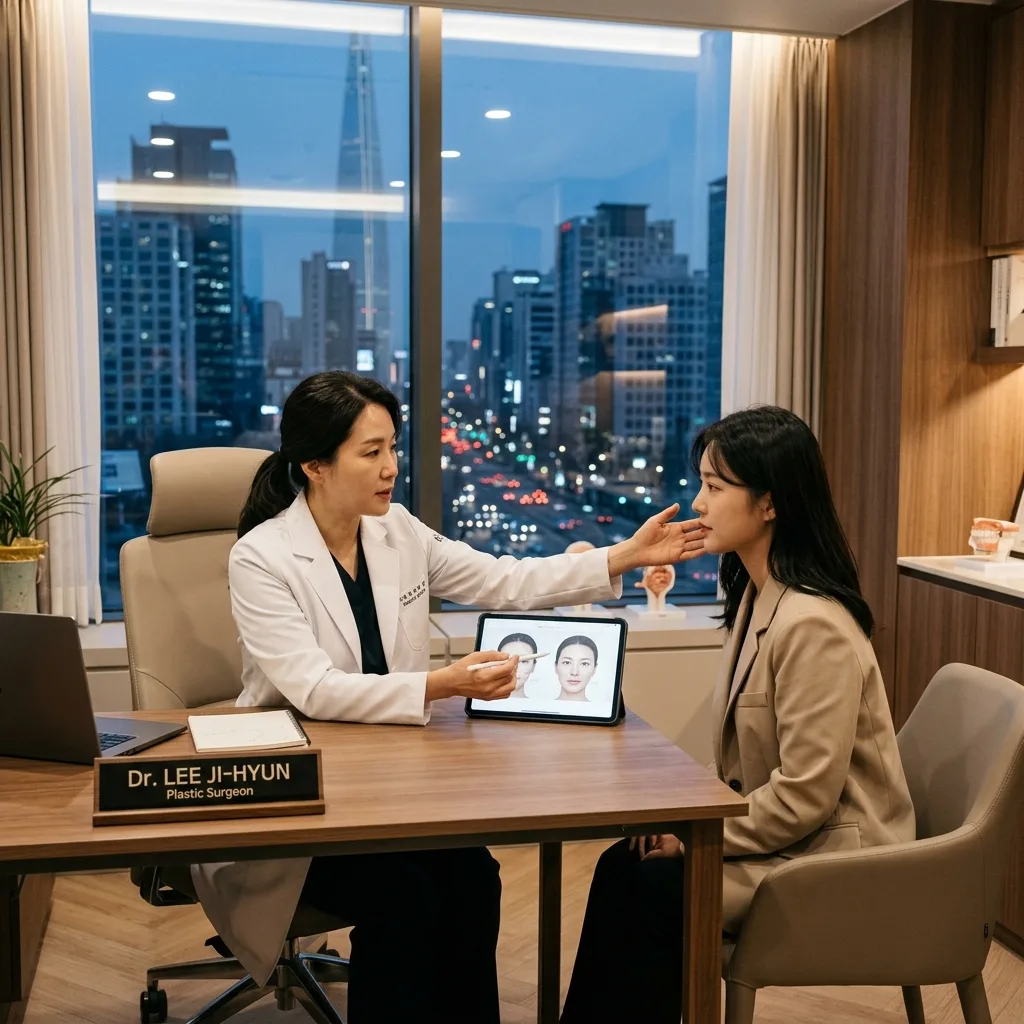
If you are planning a trip to Korea and the word "vacation" is sharing your itinerary with the word "procedure," you are not alone. Korea has become one of the world's most recognizable destinations for cosmetic surgery tourism because it combines highly specialized clinics, English-friendly international patient services, and a travel infrastructure that makes recovery logistics easier than many first-time visitors expect. The hard part is not finding a clinic. The hard part is planning the trip so the treatment, recovery, transport, and tourism parts do not work against each other.
Cosmetic Surgery Tourism in Korea: What It Actually Means
Cosmetic surgery tourism in Korea means combining a medical procedure with a travel stay and planning the trip around recovery. The safest version keeps consultation, follow-up, low-stress logistics, and enough rest time ahead of sightseeing, shopping, and day trips whenever possible.
Here is the simplest way to think about it: you are not booking a single experience, you are managing a sequence. First comes research and consultation. Then comes the procedure itself. Then comes the period when your face, body, or energy level may not match your travel ambitions. Only after that does the tourist part become comfortable again. The visitors who have the best experience are the ones who treat recovery as the main event and sightseeing as the bonus.
Korea is especially attractive for this kind of travel because the infrastructure is unusually dense. In Seoul, major medical districts, hotels, pharmacies, translation services, and transit links sit close together. That matters more than people realize. A clinic that looks perfect on a social feed can become a poor choice if you must cross half the city during swelling, pain, or limited mobility. Good medical tourism is not about glamor. It is about reducing friction at every step.
The other reason Korea stands out is that international patient support is now a mature industry rather than an experimental niche. A number of major clinics and facilitators have dedicated interpretation, airport pickup, luggage assistance, and follow-up communication in multiple languages. That does not mean every provider is equally good, but it does mean you can expect a level of service design that many travelers do not find elsewhere.
For travelers who are trying to understand where medical care ends and travel planning begins, it helps to read the broader South Korea Visa Requirements 2025: K-ETA, Exemptions & Entry Rules guide before making assumptions about how you will enter the country. If you are also trying to keep the total trip affordable, the How to Travel South Korea on a Budget: $35/Day Survival Guide (2025) article is a useful reminder that recovery trips can still be planned with a realistic budget.
Why Korea became a cosmetic surgery destination
Korea's reputation in cosmetic procedures did not appear by accident. It grew from a combination of technical specialization, heavy domestic demand, a culture that normalizes aesthetic consultation, and a medical sector that became extremely efficient at standardized procedures. That efficiency is useful for international patients because it means many clinics have refined workflows for intake, imaging, anesthesia planning, post-op instructions, and follow-up visits.
There is also a tourism advantage that does not get enough attention: Korea is easy to move around in once you are ready. A well-connected rail and subway network, abundant taxis, and dense urban districts let you stay near your clinic without feeling stranded. For many visitors, the ability to get from the hotel to the clinic to the pharmacy without long transfers is part of the appeal. If you want a refresher on moving around the capital, the Mastering the T-Money Card: Your Key to Korea's Transit (and More) guide covers one of the simplest ways to keep everyday transit manageable.
What foreign visitors should expect from the clinic experience
Most international patients will go through some version of consultation, imaging or photos, treatment planning, payment, procedure, and then scheduled follow-up. For smaller procedures, that might happen in a short window. For larger cosmetic work, the timeline can stretch into multiple visits and multiple days of observation.
The important thing to understand is that Korean clinics often move quickly once the plan is approved. That is efficient, but it can feel intense if you arrive without enough questions. Before you commit, you should know exactly what is included, what is optional, what is excluded, and what the recovery path looks like after you leave the clinic. Do not confuse polished reception design with the right fit for your body or expectations.
It is also normal to see clinics offering coordinated services for airport pickup, hotel recommendations, and interpreter support. Those services can be helpful, but they do not replace your own judgment. A clinic that helps with logistics still needs to answer the basic questions well: Who performs the procedure? What are the risks? How are complications handled? How long does swelling last? What happens if you need a revision or a consultation after you go home?
Planning the Trip Around Recovery
The biggest mistake first-time cosmetic surgery travelers make is planning as if the procedure is a one-day excursion and the rest of the trip is ordinary sightseeing. It is not. Recovery affects your stamina, face, posture, sleep, appetite, and willingness to navigate crowded public places. Even minor procedures can leave you wanting quiet, cold compresses, and low-effort meals for longer than expected.
The right way to plan is to reverse the usual tourist instinct. Instead of asking, "What can I fit in before I leave?" ask, "How much recovery time do I actually need before I will be comfortable moving around?" The answer depends on the procedure, your personal healing pattern, and your doctor’s instructions, but the principle stays the same: recovery time is not a leftover. It is a core part of the itinerary.
Medical visas and entry rules in 2026
If you are entering Korea for medical treatment, VISITKOREA says foreign patients and their accompanying family members or caregivers need a medical visa. The main categories are the short-term C-3-3 visa, typically for stays of 90 days or less, and the long-term care G-1-10 visa, which can cover stays of up to one year. Requirements vary by nationality and length of stay, and applications can be submitted through a Korean embassy or consulate, or through the visa issuance process described on visa.go.kr.
That distinction matters because travelers sometimes assume a normal tourism entry path covers medical travel automatically. It may not. If the primary purpose of your trip is treatment or recuperation, check the medical visa rules early rather than later. Also note that for eligible visa-free nationalities, Korea has extended the temporary K-ETA exemption until December 31, 2026. That is useful for ordinary tourism, but you should not treat it as a substitute for medical-visa planning when your purpose is treatment.
The practical takeaway is simple: do not book surgery first and then improvise entry status afterward. Confirm what your nationality requires, ask the clinic or facilitator what documents they can issue, and leave enough time for processing. If your travel dates are locked, your paperwork needs to be locked too.
How to choose a clinic without getting lost in marketing
Cosmetic surgery travelers are often overwhelmed by before-and-after imagery, influencer endorsements, and endless "best clinic" lists. That material is useful only if it leads you to better questions. A clinic should be evaluated less like a restaurant and more like a medical partner.
Look for these signals:
- A clear explanation of who will perform the procedure
- Transparent pre-op and post-op communication
- A real system for interpretation, not just a sales assistant with English phrases
- Written instructions for medication, bandages, activity limits, and warning signs
- A realistic discussion of complications and revision policy
If a clinic cannot explain those points in plain language, that is a warning sign. Good clinics answer clearly because they know informed patients make safer decisions. You should also be cautious about pressure tactics. Any place that makes the choice feel urgent, or frames hesitation as ignorance, is pushing you toward a decision faster than you should move.
Another useful strategy is to compare clinics based on procedure focus rather than generic fame. A provider that is excellent at rhinoplasty is not necessarily the right place for jaw surgery, eyelid work, or skin treatment. In other words, choose for fit, not for fame. The most polished clinic is not always the best clinic for your specific case.
What the before-and-after reality looks like
The internet makes cosmetic surgery recovery look clean and linear. Real recovery is usually more uneven. Swelling may peak after you think it should have already gone down. Bruising can migrate. Your energy may return before your appearance feels "done." That gap between feeling better and looking better is where travelers often make mistakes.
Plan for discomfort in layers. There is immediate post-procedure discomfort. Then there is the awkward middle period where you can move around but do not necessarily want to be seen everywhere. Then there is the stage where you can resume light sightseeing, but not a full schedule. If you imagine the journey as a straight line from "before" to "after," you will probably overbook the middle.
That is why hotel choice matters. A quiet, well-located hotel with easy access to a pharmacy is better than a stylish one that requires long transfers. The same is true for food. Recovery-friendly meals are more important than trendy restaurants. In Seoul, convenience stores, porridge shops, soup restaurants, and delivery apps can make the difference between a decent recovery day and a miserable one.
Practical Guide
Hours, admission, and prices
There is no single admission fee for cosmetic surgery tourism because you are not entering a museum. You are paying for consultation, procedure, anesthesia, medication, follow-up care, and possibly translation or support services. Prices vary dramatically by procedure, surgeon, clinic, and whether the case involves a simple outpatient treatment or a more complex operation.
As a current reference point, VISITKOREA lists a cosmetic nose surgery product in 2025 at about 3,300,000 KRW and a duration of 2 to 3 hours. That is only one example, not a universal price. It is still useful because it gives travelers a concrete sense that cosmetic surgery can be packaged and priced in the same broad range as other mid- to high-cost travel purchases, but with far more variables attached.
If you are comparing prices, be careful about what is included. One quote may cover only the procedure. Another may include consultation, imaging, medication, and a follow-up appointment. A third may add translation or post-op garments. The cheapest quote is not necessarily the cheapest trip once everything is added together.
For VAT refund questions, VISITKOREA says foreign tourists may qualify for cosmetic surgery VAT refunds at hospitals that are registered for international patients and have the required refund operator contract and equipment. Before treatment starts, confirm that the hospital actually offers the refund and that the signage or staff explanation matches the official process. In other words, do not assume every clinic participates.
Hours are another practical detail that gets oversimplified. Cosmetic clinics often operate by appointment, and some procedures are scheduled around weekday consults or specific operating blocks. Do not assume the hours of a shopping mall or tourist attraction apply here. Ask for the exact consultation window, procedure time, expected discharge time, and follow-up schedule. If you are flying in and out, those time slots shape the whole trip.
How to get there
For most international patients, the default arrival pattern is Incheon Airport, then airport transfer or taxi to a Seoul hotel, followed by a clinic visit in one of the city’s medical districts. Gangnam is the most commonly mentioned area because it has a dense concentration of clinics, hotels, restaurants, and transportation options. That does not mean every good clinic is in Gangnam, but it does mean many travelers find the district convenient because the basics are already there.
The transport logic is straightforward: minimize transfers, especially on the day of your procedure and the day after. If you are taking a taxi, keep your destination written in Korean or saved in an app. If you are using the subway before treatment, do it when you are rested and not carrying much. After treatment, switch to the least demanding option available. This is one of the reasons the Cultural Etiquette in South Korea: 7 Rules to Avoid Awkward Moments guide can be surprisingly relevant: staying polite, low-key, and observant helps you move through the city without adding avoidable stress.
If you are in recovery and need to move around the city, remember that Korea's public transport system is excellent but still not ideal for every stage of healing. Crowded platforms, stairs, and rush-hour trains are not the best companions for fresh stitches, swelling, or dizziness. In those periods, a short taxi ride can be worth much more than the small cost difference.
Booking links and how to use them
Because cosmetic surgery tourism combines medical care with travel planning, the safest booking path is usually a medical consultation pathway rather than a generic tourism package page. In practice, that means you may use an official clinic site, a verified medical facilitator, or VISITKOREA's medical tourism listings as a starting point, then move into direct consultation rather than clicking blindly through package ads.
If a provider has a formal international-patient page, read it carefully. Look for the surgeon's credentials, the clinic's international support process, the consultation fee policy, and the follow-up plan. If there is a booking form, note whether it asks for photos, medical history, medication use, or travel dates. Those details tell you whether the provider is set up for real pre-screening or just lead collection.
When comparing package pages, pay attention to whether the link is an official site, an agency, or a marketplace. Package pages can be helpful for rough pricing, but medical care should never be chosen from price alone. As with any major purchase, the booking link is just the beginning of the research process.
What to schedule before and after the procedure
Before the procedure:
- Arrival and rest day
- Consultation and second opinion if needed
- Time to buy essentials such as saline, cold packs, lip balm, soft foods, and any clinic-recommended supplies
- A buffer for paperwork and consent forms
After the procedure:
- A checkup window
- A low-activity day with no major sightseeing
- A second buffer in case your swelling or energy level is worse than expected
- A departure day that does not require rushing through the airport
This is where many travelers underplan. They book surgery, then schedule a temple stay, a food tour, a night market run, and a long-distance day trip in the same week. That kind of itinerary may look efficient on paper, but it is rarely comfortable in reality. A recovery trip should be legible first and ambitious second.
Tips & Common Mistakes
The most useful advice for cosmetic surgery tourism is not glamorous. It is logistical. Small operational mistakes create most of the avoidable stress.
Tips that actually matter
- Keep your first post-procedure days boring on purpose. Boring is good when you are healing.
- Choose a hotel near your clinic or near a straightforward taxi route. Transit friction is worse when you are tired.
- Bring a power bank, loose clothing, and any medication you already use regularly.
- Save the clinic's address, contact number, and after-hours instructions in both English and Korean.
- Take photos of discharge papers and instructions in case you misplace the originals.
- Confirm whether your follow-up visit is in person, by message, or by photo review.
- Plan meals that are easy to eat with low appetite or limited jaw movement.
One of the smartest things you can do is build in a recovery-friendly neighborhood routine. Find a pharmacy, convenience store, porridge spot, and taxi pickup point before the procedure. That way, if you need something later, you are not navigating while exhausted.
Mistakes that create unnecessary risk
The first mistake is treating social media as a medical reference. Before-and-after photos can be informative, but they do not show every complication, every revision, or every unhappy patient who simply did not make a video. Use them as a starting point, not proof.
The second mistake is flying too soon. People often underestimate how unpleasant long-haul travel can be after procedures that cause swelling, pain, or fatigue. If a clinic gives you a minimum waiting period before flying, do not try to beat it by "feeling fine." Feeling fine and being fit to fly are not the same thing.
The third mistake is overestimating how much sightseeing is realistic. You may technically be able to walk around, but still not enjoy crowds, bright lights, or long restaurant meals. A short, gentle outing is different from a full day of tourism. Respect that difference.
The fourth mistake is ignoring recovery privacy. Korea is a fairly busy, highly visual urban environment. If you do not want attention while healing, you should plan for that. Wear a mask if appropriate, move during less crowded times, and keep your itinerary calm. There is no prize for pushing your appearance transition in public before you are ready.
How to handle money and expectations
Payment in Korea is generally straightforward, but cosmetic surgery travelers should still be careful. Ask in advance whether the clinic accepts foreign cards, whether a deposit is required, whether cash discounts exist, and whether any refund or cancellation rules apply. If you are eligible for VAT refund processing, confirm the clinic's participation before treatment begins, not after.
You should also budget for the hidden costs of recovery. That includes post-op items, extra taxis, soft food, possibly one more hotel night, and the time cost of staying flexible. A trip like this becomes more expensive when you force it into a tourism-only budget. It becomes more manageable when you budget as a medical trip with travel attached.
How to combine treatment with light travel
Once your clinician says it is safe, use the rest of the trip for low-intensity experiences. That may mean a quiet cafe, a short walk along a river, a museum with elevators and seating, or a calm neighborhood meal. It does not mean hiking, clubbing, or marathon shopping.
If you want a simple guideline, think in levels:
- Level 1: clinic, hotel, pharmacy, nearby meal
- Level 2: short taxi ride, calm cafe, one small neighborhood activity
- Level 3: longer half-day outing only when swelling and energy are clearly improving
That framework keeps the "travel" part of medical tourism from becoming the reason the recovery part is harder than it needs to be.
FAQ
Do I need a medical visa for cosmetic surgery in Korea?
If your trip is for medical treatment, VISITKOREA says foreign patients and accompanying family members or caregivers are required to obtain a medical visa. The most common categories are the C-3-3 short-term medical visa and the G-1-10 long-term care visa. Check your nationality-specific requirements before you book anything.
Can I just enter on a regular tourist entry path and then get treatment?
Sometimes travelers assume a tourist entry path is enough, but medical-travel rules are separate from ordinary sightseeing rules. The safest approach is to verify your entry status based on the purpose of your trip, not on what seems easiest. If your main reason for entering Korea is treatment, ask about the medical visa first.
How much should I budget?
Budget depends on the procedure, clinic, and aftercare needs. As one current VISITKOREA example, cosmetic nose surgery is listed at around 3,300,000 KRW, but that is only one procedure and one reference point. Add hotel nights, transport, food, possible medication, and any follow-up or recovery supplies.
Is VAT refund available for cosmetic surgery tourists?
Sometimes, yes. VISITKOREA says some hospitals offer VAT refunds for cosmetic surgery, but the institution must be registered for international patients and set up with the required refund arrangements. Always confirm the exact refund process with the hospital before treatment starts.
How much sightseeing can I do after the procedure?
That depends on the procedure and your recovery speed. A light cafe visit or short neighborhood walk may be fine sooner than a crowded market or day trip. Your clinic's instructions should override your desire to maximize the itinerary. The best post-op travel plan is the one that keeps you safe and comfortable.
Conclusion
Cosmetic surgery tourism in Korea works best when you stop thinking of it as a beauty trip and start thinking of it as a carefully staged medical journey with travel benefits attached. Korea is strong in this niche because the clinics are experienced, the international services are structured, and the city infrastructure makes recovery logistics easier than many visitors expect. But the experience only becomes smooth when you respect the medical side first.
If you remember only a few things, make them these: confirm your entry requirements early, choose the clinic for fit rather than hype, budget for recovery costs as well as procedure costs, and keep your post-op schedule simple. Once the medical part is handled responsibly, the travel part becomes a genuine advantage instead of a distraction.
For deeper planning, start with the entry rules in South Korea Visa Requirements 2025: K-ETA, Exemptions & Entry Rules, use Mastering the T-Money Card: Your Key to Korea's Transit (and More) to simplify daily movement, and keep the advice in Cultural Etiquette in South Korea: 7 Rules to Avoid Awkward Moments handy when you are moving around while healing. If you build the trip around recovery first, you give yourself a far better chance of leaving Korea with both a safer experience and a more satisfying one.