Family Travel and Multi-Gen Dynamics: What Chinese Hospitality Looks Like

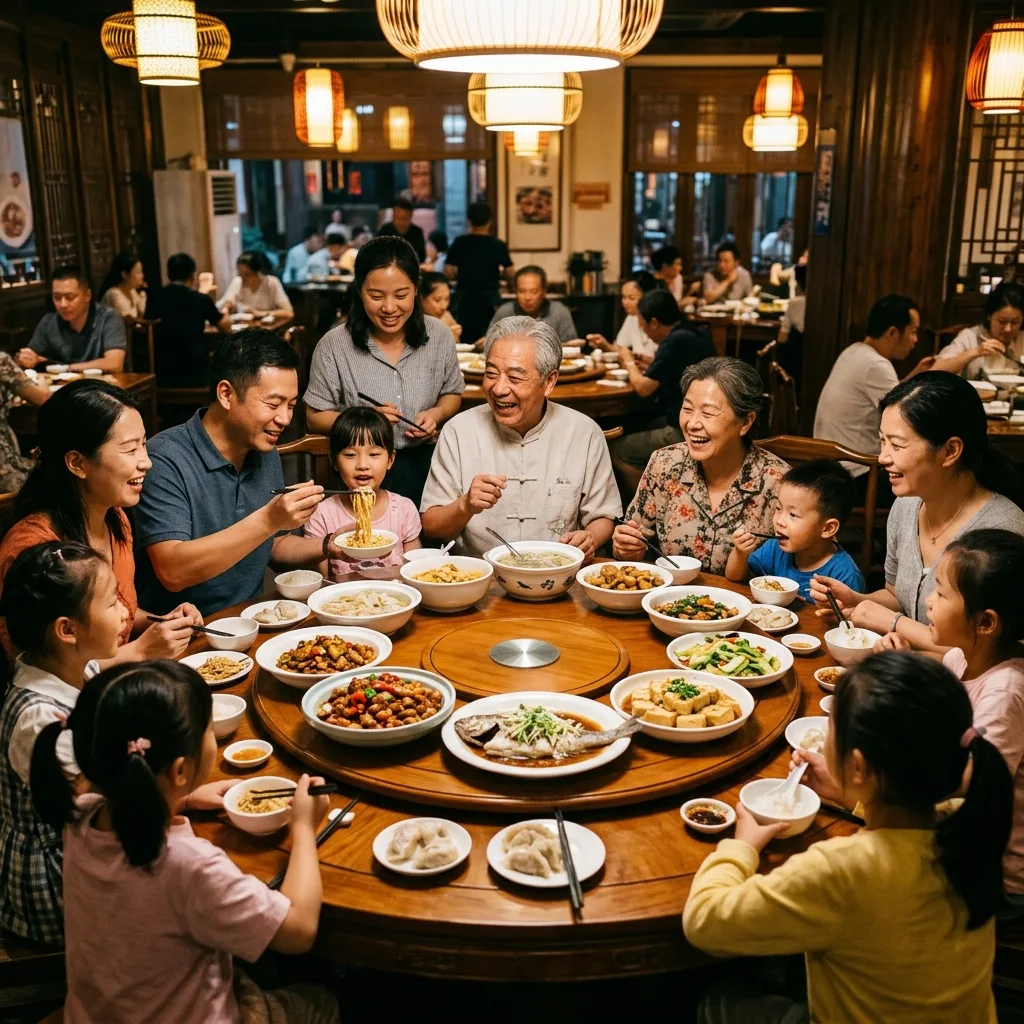
If you travel in China long enough, you start to notice that hospitality is not just service. It is a social language. Meals arrive in layers, children are folded into the center of attention, grandparents are treated as decision-makers, and hosts often seem to anticipate needs before anyone has said them out loud. For family travelers, especially those moving with parents, children, and older relatives at the same time, that can feel both generous and complicated. This guide explains how Chinese hospitality works in multigenerational settings, what it means for everyday travel decisions, and how to move through the experience without misunderstanding the local rhythm.
What Chinese Hospitality Means in a Family Setting
Chinese hospitality is often built around the idea that a guest should feel fully cared for, not merely accommodated. In a family context, that usually means food is shared, logistics are handled for you, and the social burden is pushed away from the visitor whenever possible. The result is warm, abundant, and deeply considerate, but it also comes with expectations around reciprocity, patience, and respect for age.
At its best, this style of hospitality makes travel feel easier than you expected. A family host may over-order so nobody leaves hungry, choose a restaurant with a private room so the group can talk freely, or insist that the oldest person is seated first and the youngest is served early. None of that is accidental. It reflects a culture in which hosting is an active duty, not a passive courtesy. If you understand that baseline, you will interpret the experience correctly instead of mistaking generosity for extravagance or formality for distance.
The first thing many travelers notice is how quickly meals become the center of the relationship. In China, hospitality is often expressed through food because food is visible, social, and easy to scale for a group. A host can show care by selecting dishes that suit elders, children, and guests at the same table, then keep the conversation moving while the shared plates rotate. If you want a deeper look at how food becomes part of the travel narrative itself, our Chinese Regional Food Guide: Dim Sum, Sichuan Spice & Beijing Duck gives useful context for the dishes that often anchor these gatherings.
That hospitality also has a strong practical side. Hosts often think about whether the bathroom is convenient, whether the restaurant is noisy, whether the walk is too long for grandparents, and whether children will get restless. That means family travel in China can feel smoother once you recognize that comfort is not treated as a luxury detail. It is part of the experience the host is trying to create.
The Role of Reciprocity
One of the easiest mistakes for foreign visitors is to interpret generous hospitality as a one-way gift. In reality, Chinese hospitality usually carries the expectation that good treatment should be acknowledged. That does not mean you need to calculate every bowl of noodles in return. It does mean you should be attentive, grateful, and willing to participate.
Reciprocity can take many forms. You might offer to pay for tea, insist on covering one round of snacks, bring a small gift from your home country, or follow through promptly when a host suggests a plan. The point is not to match value perfectly. The point is to show that you understand the social effort being made on your behalf.
This matters even more in multigenerational settings because the family unit itself is part of the exchange. When grandparents, parents, and children travel together, hospitality is not only about the visitor. It is also about preserving harmony inside the group. A restaurant choice that pleases everyone is a form of respect. A hotel room layout that lets older relatives rest is a form of care. A taxi arranged before the rain starts is a form of competence. The best hosts are often quietly managing all of those things at once.
Dining as the Core Expression
In much of China, a good meal is the simplest way to make a guest feel valued. Large shared dishes are common, but the structure of the meal matters as much as the food itself. Seating, serving order, and the pace of conversation all communicate status and care. The oldest family member may be invited to start first. The guest of honor may receive the most attention. A child may be offered something mild before the spicier or richer dishes are passed around.
This dining style can feel elaborate to travelers used to ordering individually. It is worth leaning into it. Shared dining helps a family group absorb differences in appetite, age, and taste without turning the meal into a negotiation. If one relative wants dumplings, another wants noodles, and a child wants something plain, the table can usually absorb all of it. That flexibility is one reason Chinese hospitality often feels more inclusive than it first appears.
The practical lesson is simple: do not rush to declare what you want before the group has settled the plan. Watch first, then join in. If the table is built around sharing, try to sample a little of everything and leave room for the host to guide the sequence. That pattern shows respect and keeps you from disrupting a rhythm that already works.
How Multi-Generational Travel Changes the Experience
Multigenerational travel changes hospitality because it introduces different needs into the same itinerary. A family group may include toddlers, school-age children, active adults, and older relatives who move more slowly or tire more easily. In China, that mixture is common enough that many travel decisions are designed to protect the whole group rather than maximize the preferences of one traveler.
Travelers sometimes assume that family trips are only about children. In reality, older relatives often determine the pace more strongly than the youngest travelers do. That is one reason hotels, restaurants, and transport planners in China pay so much attention to convenience, seat access, elevator placement, and meal timing. If the elders are comfortable, the rest of the group usually becomes easier to manage.
The most noticeable change is pacing. A multigenerational group does not usually want the kind of all-day, high-traffic itinerary that single travelers sometimes enjoy. One museum, one meal, one scenic stop, and one good rest window may be more valuable than five fast attractions. That is not a compromise. It is a smarter use of the trip because it leaves room for conversation, photos, and recovery.
Another change is that trip roles become more explicit. One person may keep track of tickets, one may watch the children, one may handle translation, and one may stay close to an elder relative. This division is normal and often healthier than trying to have everyone do everything at once. In practice, the best family trips in China are not the ones that cover the most ground. They are the ones where each generation can participate without feeling rushed.
Elders Shape the Rhythm
In Chinese family life, older relatives often carry genuine authority. On the road, that authority can show up in small and important ways. They may prefer an early dinner, want a quieter restaurant, or choose destinations that feel meaningful rather than trendy. Younger travelers sometimes misread that as stubbornness, but it is usually an extension of the broader respect that Chinese society gives age and experience.
For family travelers, the lesson is to plan around stamina instead of ambition. A day that starts too late can be annoying for grandparents. A day that ends too late can be miserable for children. The sweet spot is often a compact program with built-in pauses. Tea breaks, snack stops, short taxi rides, and easy access to bathrooms all become more important than they might on a solo backpacking trip.
This is also where transport choices matter. If a family is crossing a region, high-speed rail often works better than a chain of flights or long car rides. It gives children room to move, lets elders sit down for a predictable block of time, and avoids the security and boarding fatigue that can drain a family before the day has really started. If you are planning that kind of trip, our China High-Speed Rail Guide: Booking Tickets & Understanding the System is the practical companion piece because it covers the booking side of the journey.
Children Change the Social Atmosphere
Children are usually treated generously in China, and that matters for hospitality. Staff may be patient, relatives may overfeed them, and strangers may smile at them or make room for them in ways that feel more hands-on than in some other countries. That warmth can be a relief for parents, but it can also create a different kind of management challenge because children are often invited into the center of attention.
Parents should expect little favors. Extra bowls. Smaller portions. Advice from relatives. Offers to sit the child near the window. These gestures are usually sincere, but they can multiply quickly. If you are traveling with multiple generations, it helps to know in advance which favors you want to accept and which ones you would rather decline politely.
The important thing is not to treat the child as an obstacle to hospitality. In Chinese family culture, children are often part of the reason hospitality feels alive in the first place. They bring energy to the table, and they make the group feel continuous across generations. The social effort of hosting a child is usually seen as worthwhile, not burdensome.
Accommodation Becomes a Strategic Choice
Hotel choice matters more on multigenerational trips than on almost any other kind of journey. A family that shares one big suite may enjoy the closeness, but it can also run into sleep schedules, snoring, privacy, and bathroom bottlenecks. A family that books separate rooms may gain rest but lose flexibility. Chinese hospitality patterns can help here because many domestic hotels are used to serving family groups and understand the need for connected rooms, extra beds, and flexible bedding.
The best answer is often somewhere in the middle. Choose a hotel with an elevator, solid breakfast options, and enough space for a calm morning. If possible, put the elder relatives closest to the most convenient room position, not the noisiest one. If children wake early, make sure that one adult is not trapped in a room too far from the common area. These are small things, but they can determine whether the trip feels restorative or chaotic.
It is also worth remembering that hospitality in China often extends into room selection itself. Staff may try to improve your comfort without being asked, and that can include room upgrades, late check-out suggestions, or advice on which side of the building is quieter. When that happens, respond clearly and gratefully. If a staff member is trying to help your family avoid extra stress, they are participating in the same hospitality logic that you see at the dinner table.
Practical Guide for Family Trips in China
The practical side of family travel is where theory becomes useful. Hospitality feels best when the logistics are calm, and logistics are calm when your group has enough structure to absorb the day’s surprises. That means thinking about time, movement, food, and money before the trip gets busy. For families traveling across China, the difference between a good day and a hard one often comes down to one or two decisions made early.
Hours, Admissions, and Prices
Because this article is about hospitality rather than one specific attraction, the safest practical rule is to treat opening hours and admission policies as moving targets. Museums, gardens, scenic areas, and heritage sites in China can change hours by season, holiday, or local event. Family travelers should check official listings the day before visiting, then again the morning of the visit if the day is important.
Admission pricing also varies by age, height, student status, and location. In many places, children receive discounted entry, but the definition of a child ticket is not always the same from one destination to the next. Older relatives may also qualify for reduced or free entry in some places, but the age threshold is not universal. Do not assume a national rule. Check the attraction’s own page or ticket platform, then keep a screenshot handy in case the staff wants to confirm details at the gate.
For meals, the practical equivalent is just as important. Family hospitality is often expressed through generous ordering, but not every place is family-friendly in the same way. Some restaurants are perfect for a big table and lazy conversation. Others are designed for turnover and quick eating. If you need the long-form, celebratory version of Chinese dining, look for places with round tables, private rooms, and menus large enough to support mixed ages. If you need something faster, choose a place that can actually turn the table without pressure.
How to Get There
Transport planning is where multigenerational trips either become graceful or start to drag. In China, high-speed rail is usually the first option worth considering for intercity movement because it reduces airport friction and gives the whole group a more predictable experience. If you are moving between major cities, the rail network can keep grandparents from getting exhausted and give kids a more civilized travel window than a long bus or a connection-heavy flight.
Inside cities, taxis and ride-hailing are often the easiest way to keep the family together. They reduce the number of transfers, they make luggage easier, and they protect older relatives from long station walks. This is where having mobile connectivity already sorted can save real time. Our China SIM Card Guide 2026: eSIM, Local Cards & Roaming Options is useful because it explains how to stay connected without building your whole trip around airport Wi-Fi or hotel reception desks.
Money matters too, especially when one person in the family is managing purchases for everyone. Some family members prefer mobile payments. Others want cash as a backup. Visitors should not assume every place will be equally happy with foreign cards or foreign-issued wallets. If your group is going to move quickly between meals, rides, and ticket counters, it helps to have a clear plan for payment before you leave the hotel. Currency in China: Where to Exchange, Use Cards & Avoid Scams is a good companion guide for that part of the trip.
Booking Links and Planning Tools
When a family trip gets complicated, the best booking tool is the one that shortens the number of decisions you have to make in public. For rail, official systems and major booking platforms can both work, but the key is to enter the day with seats confirmed. For hotels, choose a platform that lets you see room size, bed configuration, and cancellation terms clearly. For family meals, especially in major cities, use map apps and reservation tools to identify places with enough space for your whole group before you arrive.
If the trip includes a special food stop, pre-planning is even more important. A restaurant famous for Beijing Duck, for example, may be delicious but not ideal if one relative is already tired and another child is impatient. In those cases, the right move is not to force the “best” place on the itinerary. It is to choose the place that makes the whole group relaxed enough to enjoy it. If you want examples of how food planning affects route design, our Beijing Duck (Peking Duck): History, Where to Try & Proper Way to Eat article shows how a single meal can become a destination.
The same logic applies to night activities. Family travel is not only about what is famous. It is about what can be completed pleasantly by the oldest and youngest members of the group. A night market can be exciting, but it can also be crowded, noisy, and hard to manage with a stroller or an older relative. If you do want that energy, Chinese Night Market Guide: Wangfujing, Xi'an & Chengdu Snack Streets is the kind of planning reference that helps you pick a market based on mood rather than hype.
Tips & Common Mistakes
The biggest mistake foreign families make in China is assuming hospitality will do all the work for them. Hospitality helps, but it does not replace planning. If your group is large, tired, or divided across generations, you still need to control the basics: timing, transport, food, and rest. Chinese hospitality can make a trip feel graceful, but only if you leave enough structure for it to operate.
Another common mistake is underestimating the importance of elders. Even if the oldest family members say they are fine, they may still benefit from shorter walking distances, fewer transfers, and a quieter seating arrangement. Respecting that need is not overcautious. It is often the difference between a pleasant trip and one that becomes exhausting by mid-afternoon.
Foreign travelers also sometimes misunderstand generosity at the table. Hosts may order more than you think is necessary. They may keep pushing extra dishes. They may refill your cup before you are done. This is rarely about pressure in the negative sense. It is about demonstrating abundance and attention. You do not have to accept everything, but you should answer in a way that keeps the warmth intact. A smile, a small taste, or a polite explanation usually works better than a blunt refusal.
Do not ignore the rhythm of group photos, toasts, and pauses. In China, these small rituals can carry a lot of meaning in family settings. If you are traveling with locals, a brief photo or a shared toast may be the moment that confirms the whole trip felt successful. If you skip every social moment because you are focused on the itinerary, you may technically see more places but miss the part of hospitality that your hosts cared about most.
Finally, do not assume that a “family-friendly” label means the same thing everywhere. Some places are friendly because they are quiet. Others are friendly because they are lively. Some are friendly because service staff will help you without being asked. Others are friendly because there is enough space to keep children from being in the way. On a multigenerational trip, you need all of those definitions to be considered, not just one.
A Better Way to Pace the Day
The easiest way to improve a family trip is to design around energy peaks. Morning is often best for the oldest relative, especially if the day starts with a scenic site or a major transit move. Lunch should be a real break, not a logistical afterthought. Afternoon should include one slower item, not only more walking. Evening should not be so ambitious that the group arrives back at the hotel wired and tired.
That pacing also changes how you think about “successful” travel. Success is not always a complete checklist. Sometimes it is one excellent meal, one manageable attraction, one easy transfer, and one evening where everyone had enough energy left to talk. That kind of day may look modest from the outside, but it is usually the kind that families remember best.
Be Clear About Roles
In a big family trip, silence creates friction. If one person assumes another person booked the tickets, somebody is going to stand at a counter frustrated. If one person assumes another person is watching the child, the group will lose time. If one person assumes the elder relative knows where the taxi is waiting, the whole plan can wobble.
Chinese hospitality is often extremely good at filling gaps, but visitors should not rely on that as a substitute for internal coordination. Decide who handles navigation, who handles food, who handles the youngest traveler, and who stays closest to the elder relative. Once those roles are clear, the trip feels smoother and the hospitality around you becomes easier to appreciate.
FAQ
Is Chinese hospitality different when you travel as a family versus as a couple or solo?
Yes. Family travel usually increases the amount of care, planning, and attention people put into the experience. Hosts often think about elders, children, food preferences, and pacing at the same time. That makes the hospitality feel more comprehensive, but it also means the trip is less spontaneous. A family group is more likely to be fed, seated, and guided as a whole rather than left to figure things out independently.
What should I bring if I am staying with a Chinese family?
Bring something small, thoughtful, and easy to share. A local snack, tea, or a modest gift from your home country works well. You should also bring patience, because dinner may be long, schedules may shift, and hosts may insist on helping with details you expected to manage yourself. The point is not the value of the gift. It is the clarity of your appreciation.
How do I handle over-ordering at meals?
Accept the intention, not every extra portion. In many Chinese family settings, over-ordering is a way of making sure nobody feels underfed or under-cared-for. You can try a little of everything, leave space for the host to choose the sequence, and say clearly when you are full. A warm refusal usually works better than acting alarmed by the amount of food.
Are grandparents usually central to travel decisions?
Often, yes. Older relatives may strongly influence pace, destination choice, and daily timing. That does not mean younger travelers have no voice. It means the trip works best when the group respects the comfort of the elders. If the grandparents are calm and well-rested, the whole family usually benefits.
What is the most useful travel habit for multigenerational trips in China?
Keep the day simple. Fewer transfers, fewer long walks, fewer last-minute decisions, and more time buffers. If you can reduce friction around transport, payment, and connectivity, the family can focus on the actual trip instead of the mechanics of moving through it. That is why practical guides like China High-Speed Rail Guide: Booking Tickets & Understanding the System, China SIM Card Guide 2026: eSIM, Local Cards & Roaming Options, and Currency in China: Where to Exchange, Use Cards & Avoid Scams matter so much in a family context.
Conclusion
Chinese hospitality is at its most revealing when you see it through a family lens. It is not just about being welcomed. It is about being folded into a system that values care, continuity, and shared responsibility. Meals become a way to communicate respect. Planning becomes a way to protect elders and children. Small gestures become evidence that the host is paying attention.
For multigenerational travelers, that can be a gift. It can also be a challenge if you do not recognize the social logic behind it. Once you do, the trip becomes much easier to read. You stop asking why everyone is ordering too much food or why the schedule seems so focused on comfort, and you start seeing the point: in China, good hospitality often means making sure the whole group feels looked after at the same time.
If you are preparing your own trip, build the itinerary around pace, not ego. Keep the logistics simple, choose food stops that can handle a group, and give the oldest and youngest travelers enough room to breathe. That is how family travel in China starts to feel less like a test and more like a conversation.