Beijing Duck (Peking Duck): History, Where to Try & Proper Way to Eat

Introduction
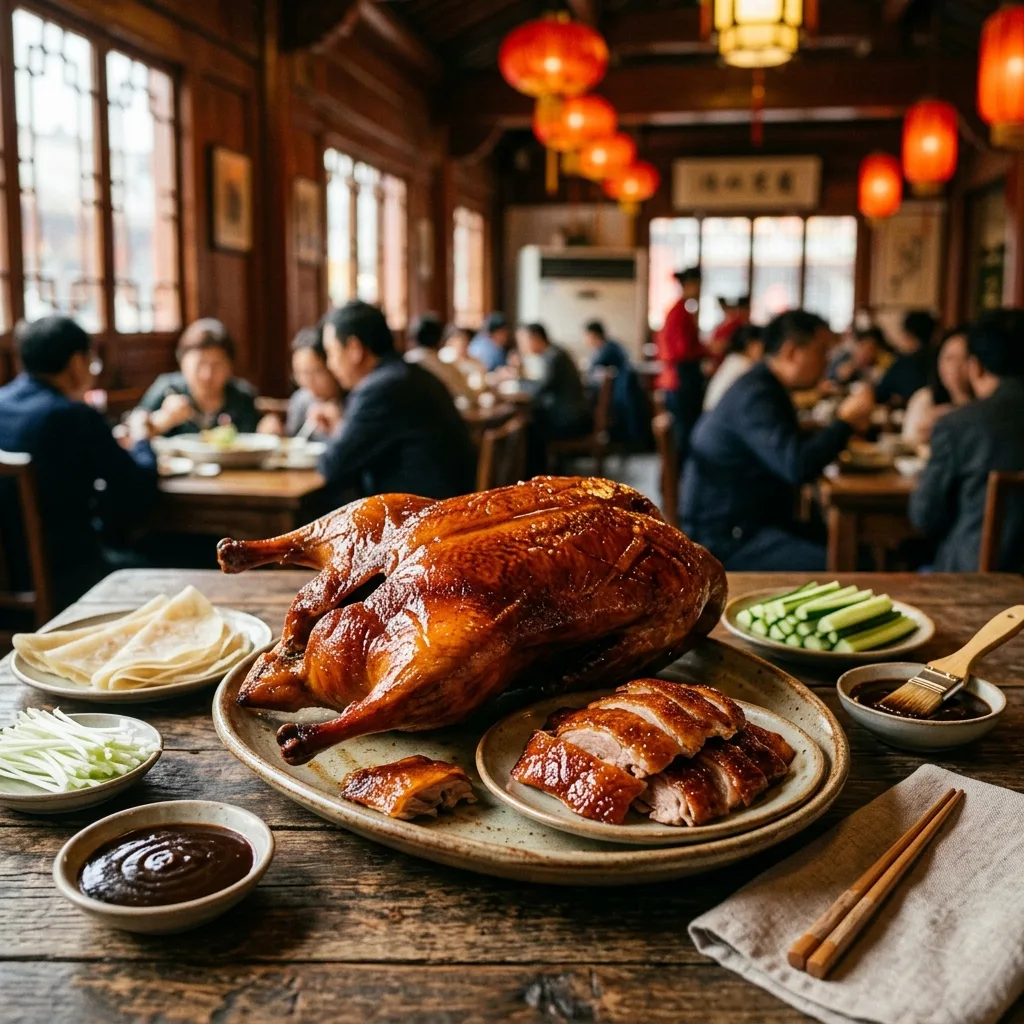
Imagine a dish so legendary it once graced imperial tables, a culinary masterpiece perfected over centuries, offering a symphony of textures and flavors in every bite. That, my friends, is Beijing Duck, often known as Peking Duck – a dish that transcends mere food to become an experience. But for first-time visitors to Beijing, the journey to finding, ordering, and properly enjoying this iconic dish can be as complex as the crispy skin itself.
This comprehensive guide will demystify Beijing Duck for you. We'll dive into its rich history, revealing how a humble duck dish evolved into a global culinary icon. You'll discover the top restaurants in Beijing, complete with 2026 pricing and booking tips, ensuring you avoid tourist traps and long queues. Most importantly, we'll walk you through the proper way to eat Beijing Duck, from carving to wrapping, so you can savor every nuance like a seasoned local. Get ready to embark on a delicious adventure that will elevate your Beijing travel experience.
The Imperial Legacy: A Brief History of Beijing Duck
Beijing Duck's origins trace back to the Yuan Dynasty (1271–1368), where it was a staple on imperial menus, then known as "Shaoyazi" (roast duck). It gained significant popularity during the Ming Dynasty (1368–1644), when Nanjing, the capital at the time, developed a preference for ducks roasted in closed ovens. When the capital moved to Beijing, the culinary tradition followed, evolving over time into the dish we know today. The Qing Dynasty saw further refinement, solidifying its status as a royal delicacy and a symbol of sophisticated Chinese cuisine. The most significant development was the "Peking Roast Duck" style using hung, open-oven roasting, pioneered by restaurants like Bianyifang (established 1416) and later Quanjude (established 1864), which popularized the dish for the common people and international visitors. This intricate preparation method, involving air-drying, blanching, and roasting, is what gives Beijing Duck its signature crispy skin and succulent meat.
What Makes Beijing Duck So Special?
The allure of Beijing Duck lies in its meticulous preparation and the contrasting textures it delivers. A true Beijing Duck features impossibly crispy, lacquered skin, thin as paper, offering a delightful crunch with every bite. Beneath this brittle exterior, the meat remains tender, juicy, and infused with a subtle smokiness. The traditional presentation involves the chef carving the duck tableside, a performance in itself, yielding uniform slices of skin and meat. This theatrical element, combined with the delicate balance of flavors from the accompaniments, elevates Beijing Duck from a meal to a memorable cultural experience, making it a must-try for any visitor to China.
Where to Find the Best Beijing Duck in 2026: Top Restaurants
Beijing boasts an array of restaurants specializing in Peking Duck, ranging from historic institutions to modern, innovative establishments. For 2026, here’s a breakdown of the top places to experience this culinary icon, along with crucial details on pricing, hours, and booking.
1. Siji Minfu (四季民福): The Unbeatable Local Favorite
Why it's great: Siji Minfu is consistently praised for its exceptional duck quality, vibrant atmosphere, and relatively affordable prices. It strikes the perfect balance, offering a premium experience without the exorbitant cost of some high-end alternatives. The duck here is known for its incredibly crispy skin and juicy, flavorful meat. Many branches offer stunning views, particularly the one near the Forbidden City.
- Average Price (Whole Duck): ¥259 (approx. $36 USD)
- Half Duck: ¥154 (approx. $21 USD)
- Operating Hours: Typically 10:30 AM – 10:30 PM (some popular branches extend to 11:00 PM).
- Booking & Tips: They do not take advance reservations for small groups. Your best bet is to arrive early (before 11:00 AM for lunch or 4:30 PM for dinner) or use the Dianping app (China's Yelp) to get a digital queue number, potentially 2-3 hours in advance. Expect significant wait times during peak hours.
2. Da Dong (大董): The Innovative Master & Fine Dining Experience
Why it's great: Da Dong revolutionized Peking Duck with its "SuperLean" duck, characterized by less fat and an incredibly brittle, "shattering" skin. It's an upscale experience, known for its elegant ambiance, artistic presentation, and extensive menu of refined Chinese cuisine. Ideal for business dinners or special occasions.
- Average Price (Whole Duck): ¥398 (approx. $55 USD)
- Additional Costs: Expect a separate condiment fee (around ¥12 per person) and service charges.
- Operating Hours: 11:00 AM – 10:00 PM (Daily).
- Booking & Tips: Reservations are highly recommended and often essential, especially for dinner. You can book directly via their website, WeChat, or by calling them. English-speaking staff are usually available.
3. Quanjude (全聚德): The Historic Legend & Traditional Experience
Why it's great: Established in 1864, Quanjude is the most famous and historic name in Peking Duck. It offers a very traditional, ceremonial dining experience, especially at its flagship Qianmen branch. While sometimes criticized for being "touristy" or expensive, it's an undeniable part of Beijing's culinary heritage.
- Average Price (Whole Duck): Varies by branch; ¥190–¥238 (approx. $26–$33 USD) at the historic Qianmen flagship.
- Operating Hours: 10:30 AM – 9:00 PM (Qianmen Branch); other branches typically 11:00 AM – 2:00 PM and 4:30 PM – 9:00 PM.
- Booking & Tips: Accepts phone and online reservations. The Qianmen branch is the busiest; if you prefer a slightly less chaotic experience, consider the Hepingmen branch.
4. Sheng Yong Xing (晟永兴): The Modern Elite & Michelin-Starred Choice
Why it's great: A Michelin-starred restaurant offering a luxurious setting, particularly at its Sanlitun location. Sheng Yong Xing is famed for its "Caviar Duck," where the crispy duck skin is sensationally paired with premium caviar, offering a unique and indulgent twist on the classic.
- Operating Hours: 11:30 AM – 2:30 PM (Lunch), 5:30 PM – 9:30 PM (Dinner).
- Booking & Tips: Highly recommended to make reservations, especially for dinner. This is a high-end experience, so dress accordingly.
5. Bianyifang (便宜坊): The "Closed-Oven" Specialist (Oldest Brand)
Why it's great: Founded in 1416, Bianyifang holds the title of Beijing's oldest duck restaurant. What sets it apart is its "closed-oven" roasting method, which results in a duck with juicier, more tender meat and a softer, aromatic skin, contrasting with the super-crispy style of open-oven ducks.
- Operating Hours: 11:00 AM – 9:00 PM (Daily).
- Booking & Tips: A great choice if you prefer a more succulent, less dry duck. Reservations are advised but generally easier to secure than at Siji Minfu or Da Dong.
Comparison Table for Top Beijing Duck Restaurants (2026)
| Restaurant | Style / Specialty | Vibe | Average Price (Whole Duck) | Booking Method |
|---|---|---|---|---|
| Siji Minfu | Crispy Skin, Juicy Meat | Bustling, Local Favorite | ¥259 | On-site queue, Dianping app (no small group booking) |
| Da Dong | "SuperLean," Artistic Presentation | Upscale, Modern | ¥398 | Essential (phone, website, WeChat) |
| Quanjude | Traditional, Heritage | Formal, Touristy | ¥190–¥238 | Recommended (phone, online) |
| Sheng Yong Xing | "Caviar Duck," Michelin-starred | Luxury, Chic | ¥388–¥450+ | Essential (phone) |
| Bianyifang | "Closed-Oven," Tender Meat | Traditional, Authentic | ¥168–¥198 | Recommended (phone) |
The Proper Way to Eat Beijing Duck: A Step-by-Step Guide
Eating Beijing Duck is an art form, a ritual that enhances the flavors and textures. Here's how to enjoy it like a true connoisseur:
1. Observe the Carving Ceremony
Most reputable restaurants will have the chef carve the duck tableside. This isn't just for show; it ensures freshness and allows you to appreciate the skill involved. The chef will expertly slice the crispy skin and tender meat into delicate pieces, often separating the pure skin, skin with a little meat, and pure meat.
2. Prepare Your Pancake
You'll be presented with a stack of thin, steamed pancakes (or sometimes sesame pockets). Take one, lay it flat on your plate.
3. Add the Sauce
Using your chopsticks, spread a small amount of sweet bean sauce (tianmianjiang) onto the center of the pancake. This dark, savory-sweet sauce is the cornerstone of the flavor profile.
4. Layer the Duck
This is where personal preference comes in, but a traditional approach involves:
- A piece of crispy skin: Often dipped lightly in sugar for a textural and sweet contrast.
- A piece of meat: Choose one with a good balance of fat and lean.
- Condiments: Thinly sliced cucumber and spring onion are essential. Some places offer radish or pickled ginger. These add freshness and a slight bite.
5. Wrap It Up
Fold the bottom of the pancake over the fillings, then fold in the sides to create a neat, cylindrical packet. It should be small enough to eat in one or two bites.
6. Enjoy!
The perfect bite offers the crunch of the skin, the succulence of the meat, the sweetness of the sauce, and the crisp freshness of the vegetables. Repeat, experimenting with different combinations until the duck is gone.
Beyond the Wrap: Other Ways to Enjoy
- Pure Crispy Skin with Sugar: Many locals enjoy the incredibly crispy skin dipped in granulated sugar. The sugar melts slightly, enhancing the crunch and sweetness, a delightful sensation.
- Duck Bone Soup: After carving, the duck carcass is typically taken back to the kitchen and returned as a light, milky duck bone soup. This is often served at the end of the meal and is perfect for digestion.
- Stir-fried Duck Remains: Some restaurants offer to stir-fry the remaining duck meat (e.g., with vegetables or noodles) for an additional fee.
Practical Information for Your Beijing Duck Feast
Hours, Admission & Prices (2026 Verified)
As detailed above, most top Beijing Duck restaurants operate from late morning (around 10:30 AM or 11:00 AM) through late evening (9:00 PM to 10:30 PM). Lunch service typically runs until 2:00 PM or 2:30 PM, with dinner resuming around 4:30 PM or 5:30 PM.
- Prices: A whole duck ranges from ¥168 (budget/casual) to ¥450+ (luxury). A good mid-range duck (e.g., Siji Minfu) will cost around ¥259. Remember to factor in extra costs for condiments, pancakes, and sometimes service charges.
- Admission: No "admission fees" as such, but reservations are often essential, particularly for upscale venues or during peak dining times.
How to Get There
Most popular Beijing Duck restaurants are located in central, tourist-friendly districts and are easily accessible by Beijing's efficient subway system or ride-hailing apps like DiDi (China's Uber).
- Siji Minfu (Forbidden City Branch): Near Tiananmen East (Line 1) or Wangfujing (Line 1).
- Da Dong (various branches): Many are in upscale shopping areas like Jinbao Place (near Wangfujing) or Sanlitun (Tuanjiehu Line 10).
- Quanjude (Qianmen Flagship): Directly accessible from Qianmen Station (Line 2).
Booking Links & Tips (MyRealTrip / Klook / Official Site)
Direct booking via platforms like MyRealTrip or Klook specifically for Beijing Duck restaurants is generally not common or necessary, as most prefer direct reservations or on-site queuing.
- For high-end restaurants (Da Dong, Sheng Yong Xing, Duck de Chine):
- Call Directly: Many have English-speaking staff. Use your hotel concierge if you need assistance.
- Official Websites / WeChat: Check their official presence for online booking options.
- For popular local spots (Siji Minfu):
- Dianping App: Download and learn to use Dianping for remote queuing. It's often in Chinese, so a translation app or local help is useful.
- Arrive Early: This is the most reliable strategy to minimize wait times.
- General Tip: If you're a tourist, asking your hotel concierge to make reservations for you is the easiest and most reliable method, as they can navigate language barriers and local booking systems.
Tips & Common Mistakes to Avoid
What Most Guides Miss
- Condiment Charges: Don't be surprised if pancakes, sauce, cucumber, and scallions are charged separately, especially in mid-range and budget restaurants. Confirm this beforehand if it's a concern.
- The "Half Duck" Option: If you're a solo traveler or a couple, inquire about ordering a half duck. Many places offer this, allowing you to sample the dish without over-ordering.
- Duck Bone Soup is Not Always Automatic: While traditional, some restaurants might not offer the duck bone soup automatically. Don't hesitate to ask for it after your duck has been carved.
- Table-Side Carving is Key: If a restaurant doesn't carve the duck tableside, it might indicate a less authentic or high-quality establishment.
Insider Advice
- Try Different Styles: If you have time, try both the "open-oven" (crispy skin, exemplified by Siji Minfu, Da Dong) and "closed-oven" (juicier meat, exemplified by Bianyifang) styles to appreciate the diversity.
- WeChat is Your Friend: For navigation, translation, and even remote queuing at popular spots like Siji Minfu, WeChat is an indispensable app for travelers in Beijing.
- Don't Over-Order: Beijing Duck is rich. A whole duck is typically sufficient for 2-3 people with some side dishes.
- Experiment with Wraps: While there's a "proper" way, don't be afraid to experiment with the ratios of meat, skin, sauce, and condiments to find your perfect bite.
FAQ
1. What is the difference between Peking Duck and Beijing Duck?
There is no difference. "Peking Duck" is the older, traditional English transliteration of "Beijing Duck." Both terms refer to the same iconic roast duck dish from Beijing.
2. Can I order a half duck?
Yes, many restaurants, especially the popular ones like Siji Minfu, offer half-duck portions, which are perfect for solo diners or couples. Always ask when ordering.
3. Is Beijing Duck spicy?
No, traditional Beijing Duck is not spicy. The sweet bean sauce is savory and subtly sweet, with no heat. The condiments (cucumber, scallions) are fresh and mild.
4. Do I need a reservation for Beijing Duck restaurants?
For high-end or Michelin-starred restaurants like Da Dong or Sheng Yong Xing, reservations are essential. For popular local spots like Siji Minfu, advance booking isn't usually possible for small groups, but arriving early or using the Dianping app for remote queuing is highly recommended to avoid long waits.
5. What should I order alongside the duck?
Beyond the duck, consider ordering some classic Beijing side dishes such as stir-fried vegetables, dumplings, or noodles. Many restaurants also offer delicious appetizers and other regional specialties from Beijing Food Guide: Peking Duck, Jianbing & Night Market Snacks.
Conclusion
Beijing Duck is more than just a meal; it's a culinary journey through centuries of Chinese history and a testament to the country's rich gastronomic traditions. From the moment the chef presents the perfectly roasted bird to the last flavorful bite of a meticulously wrapped pancake, it's an experience that engages all the senses. By understanding its imperial legacy, knowing where to find the best spots in 2026, and mastering the art of eating it properly, you're not just enjoying a dish – you're participating in a beloved cultural ritual. So, arm yourself with this guide, make your reservations (or prepare for a delightful wait!), and get ready to savor every crispy, juicy, and utterly unforgettable moment of your Beijing Duck adventure. Don't miss out on this quintessential food guide experience on your next trip to the capital!