Attending a K-Pop Concert in Korea: A Traveler’s Practical Guide

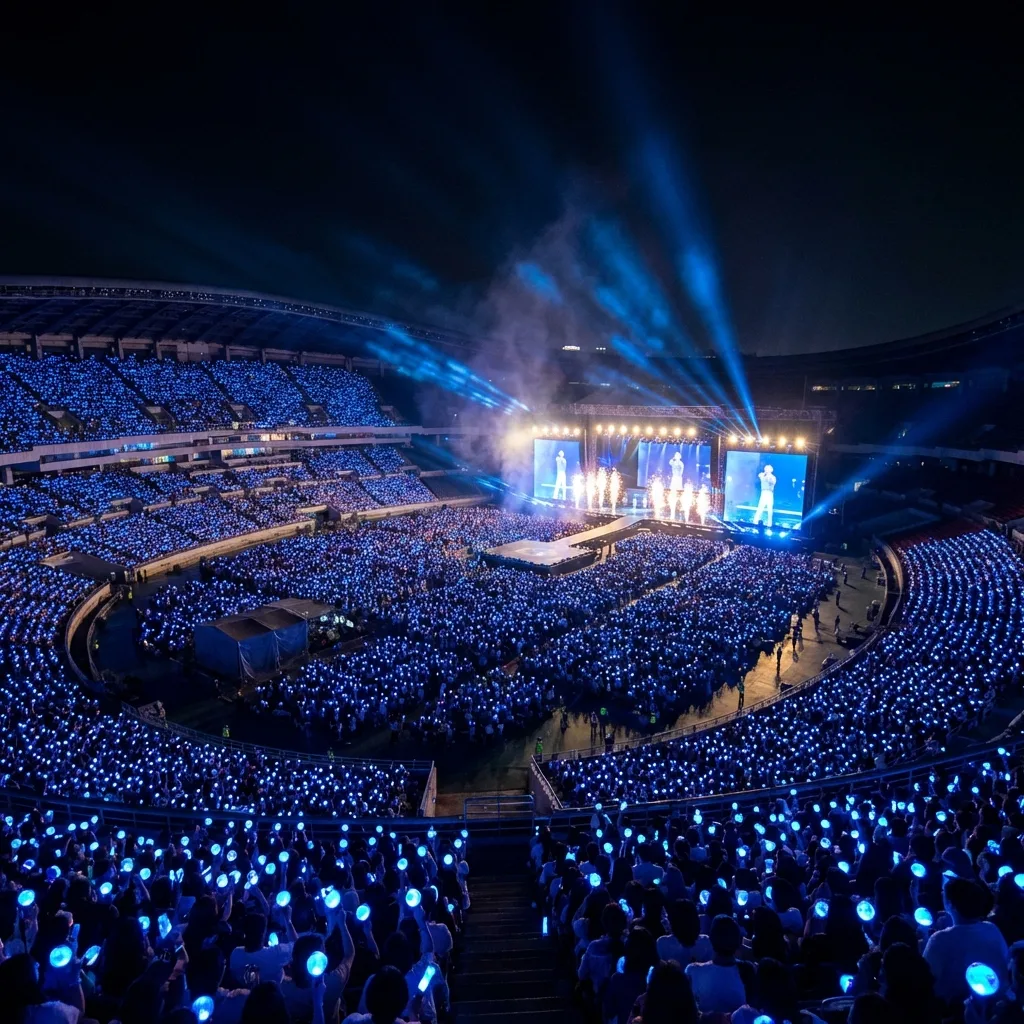
You’ve watched the music videos, mastered the fan chants, and bought the albums. Now, it’s time for the ultimate pilgrimage: a K-Pop concert in the heart of Seoul. There is nothing quite like the energy of a Korean "lightstick ocean," where thousands of fans move in perfect synchronization to the beat of their favorite idols.
However, attending a show in Korea is a far cry from the Western concert experience. From the high-stakes "Ticketing War" to the strict etiquette of the venue, international fans often find themselves overwhelmed by the logistics. In this guide, we’ll take you through the entire process—from winning the grape war on Interpark to finding your gate at the KSPO Dome.
The K-Pop "Hallyu" (Korean Wave) is built on a foundation of intense fan engagement. In Korea, this translates into a highly organized, high-demand concert circuit. If you want to secure a seat, you need to think like a local fan.
The Ticketing Gauntlet: How to Win the "Grape War"
In Korea, ticketing isn't just a transaction; it's a competitive sport.
Interpark Global vs. Yes24 Global
The vast majority of K-Pop concerts are sold via Interpark or Yes24.
- The Rule: As a foreigner, you must use the "Global" version of these sites. The domestic Korean sites require a Korean resident ID and a local credit card.
- The Verification: Many sites now require identity verification (often via email or a linked fan club account) before the sale starts. Do this at least 48 hours in advance.
The "Grape" Phenomenon
When the ticketing window opens, you’ll be faced with a seating map. Available seats are represented by tiny purple squares—lovingly called "grapes" (podo-al) by fans.
- The Strategy: You have seconds to click a grape and move to the payment screen. If you hesitate, the "ghost grape" (a seat already being purchased by someone else) will appear, and you’ll have to start over.
- Pro Tip: Use a server clock (like Navyism) to see the exact second the site refreshes.
Fan Club Pre-sales: The Weverse Advantage
For the most popular groups (BTS, BLACKPINK, SEVENTEEN, etc.), general sales are often a formality—most seats are gone during the Fan Club Pre-sale.
- How it works: You join the official fan club on Weverse or Lyz, then "apply" for the pre-sale on that same app.
- Authentication: You then link your Weverse account to Interpark Global. If your name and date of birth don't match exactly on both platforms, you will be disqualified.
K-Pop Concert Etiquette: Respecting the Fan Culture
K-Pop fandom in Korea is built on mutual respect between the artist and the audience.
1. No Cameras Allowed
This is the rule that shocks Westerners the most. Unlike US or UK shows where everyone records on their phone, Korean venues (especially stadiums) have a strict "No Photography or Video" policy.
- The Consequence: Security guards (carrying "No Photo" signs) will actively scout the crowd. If you are caught filming, you may be escorted out without a refund.
- Why?: It’s partly about copyright, but more about ensuring everyone can see the stage without a sea of glowing screens in their way.
2. Fan Chants
Instead of constant screaming, Korean fans perform synchronized "fan chants" during specific parts of the song (usually during the intro or choruses). It’s a powerful, unified sound that the artists deeply appreciate.
3. Lightsticks (Bongs)
The "Bong" is your most important accessory. Modern lightsticks sync via Bluetooth. You’ll often need to "pair" your seat number with the lightstick app so that the central control can change your light's color to match the stadium's light show.
Surviving the Day: Logistics and Will Call
Ticket Collection
As a foreigner, you will almost always collect your ticket at the "Will Call" (Foreigner) booth.
- Required: You MUST bring your physical Passport and your printed email confirmation. Photos of your passport are rarely accepted.
Standing Tickets: The Entry System
In Korea, "Standing" (General Admission) tickets have entry numbers. If your ticket says "Standing A 125," you must line up behind person 124.
- The Catch: You must be in line at a specific time (usually 2 hours before the show). If you arrive late, your entry number becomes invalid, and you are sent to the very end of the line regardless of your number.
Navigating the Major Venues
Gocheok Sky Dome (Guro-gu)
The only domed stadium in Korea. It’s massive, but the upper tiers (the "heavenly" seats) can feel very far from the stage.
- Access: Subway Line 1 (Guil Station). Follow the purple arrows!
KSPO Dome (Olympic Park)
The gold standard for K-Pop concerts. It’s circular, meaning almost every seat has a decent view.
- Access: Subway Line 5 or 9 (Olympic Park Station).
Inspire Arena (Incheon)
The newest contender. It was built specifically for music, meaning the acoustics are far superior to the converted sports domes.
- Access: It's near Incheon Airport. Most fans use the official shuttle buses from Gongdeok or Seoul Station.
The Fan Merchandise Universe: Before, During, and After
A K-Pop concert experience extends far beyond the two hours inside the venue. The surrounding merchandise ecosystem is a world unto itself.
Official Merch: The Venue Line
Official concert merchandise (MD, abbreviated from "Merchandise") is sold at designated booths outside the venue—typically starting 4–6 hours before the show. Lines for popular groups can stretch for hours. The limited-edition concert tote bag, hooded towel, and photocard set are standard offerings. Strategy: Send one member of your group to queue for merchandise while another secures your standing position or explores the area.
Fan-Made Merch: Cupsleeve Events
On concert day, small cafes and dessert shops within walking distance of major venues host "cupsleeve events"—unofficial fan-organized celebrations where, if you purchase a drink, you receive fan-made goods: photo cards, stickers, acrylic keychains, and mini posters of your favorite member. These items are often of surprisingly high quality and are given away freely, making them the best free souvenirs in all of K-Pop tourism.
Search for cupsleeve events on Twitter/X using the group name + "cupsleeve" + the concert date. A community fan account will have mapped every participating cafe within a 1-kilometer radius.
Post-Concert: The Fan-Waiting Zone
After the show, many fans gather in a designated area near the artist exit (often marked on fan community maps) in hopes of a brief sighting of the artists departing. This is called "waiting" (웨이팅). Participation is optional and unofficial. If you choose to participate, maintain a respectful distance, do not block traffic or emergency exits, and follow the lead of the organized fan clubs who manage these gatherings with a surprising degree of coordination.
What to Do If You Can't Get Tickets
For the most popular groups—BTS, BLACKPINK, aespa, SEVENTEEN—general sale tickets frequently sell out within minutes. Do not lose hope.
The Resale Market
Ticketbay (티켓베이) is Korea's most regulated concert ticket resale platform. Unlike scalping on the street, Ticketbay operates transparently with buyer protection. Prices for sold-out concerts can be 2x–4x face value, but the transaction is secure. Create an account before the concert and monitor listings starting the week of the show—last-minute sellers often list below peak prices.
Free Streams and Fan Cams
Weverse (the official fan platform for HYBE artists) and Bubble (for SM/JYP/Starship artists) often release official live streams of concerts simultaneously. While the experience is different from being in the room, watching a stream at a fan gathering café can be a genuinely communal event. Fan café owners often set up projector screens and organize group viewings for fans who couldn't secure tickets.
Fan Zones and Nearby Events
Even without a ticket, you can participate in the concert-day atmosphere. Fan clubs often organize "Guerrilla Events" in nearby plazas: group listening sessions, a cover dance performance, or a fan-organized "light stick parade." These are announced via the same Twitter/X fan accounts tracking cupsleeve events.
Managing the Full Concert Day
A K-Pop concert in Korea is a full-day event, not a two-hour outing. Here is how experienced fans structure the experience:
Morning: Preparation
- Storage: Check your hotel bag-storage policy and leave anything non-essential behind. Venues restrict bag sizes (often A4 or smaller). Station locker clusters near major venues—particularly at Olympic Park Station and Gocheok Dome—fill rapidly by 10 AM on concert day.
- Lightstick Pairing: If your lightstick requires a Bluetooth connection to the venue's show system, download the relevant app and test the pairing function before leaving the hotel.
- Clothing: Check the weather carefully. Outdoor waiting can last 2–3 hours. A compact windbreaker that fits inside your small bag is essential.
Afternoon: Arrival and Queueing
Most K-Pop venues open gates 90 minutes before showtime. For standing tickets (GA), your entry number determines your position in the crowd, but you must be present and checked in by the designated time or your number is voided. Arrive at the venue gates at least 2.5 hours early to complete: Will Call ticket collection, bag check, official merch purchase, and entry queue.
Evening: Inside the Venue
Korean concert halls enforce their no-photography policy strictly during performances but typically allow brief photos before the show begins when the stage setup is visible. A 30-second clip of the fan chant in the first song is the one "exception" most fans take—but be discreet, as security actively monitors.
Late Night: Post-Concert Recovery
After the show, avoid the immediate crush by staying in your seat through the post-concert music. The crowd thins by 30% in the first 15 minutes. If taking the subway, Olympic Park Station and nearby lines are capacity-restricted on show nights—staff limit the flow of passengers to the platform. Download the Kakao Metro app in advance to track real-time train delays.
Pro Tips for International Fans
- Battery Life: Between using Mobile Data to navigate and syncing your lightstick, your phone will die fast. Bring two portable chargers.
- Baggage: Venues are notoriously strict about bag size (often A4 size or smaller). Use the subway station lockers early in the morning, as they fill up fast.
- Fan Support: Look for "Cupsleeve" events at nearby cafes on the day of the show. You can often get free fan-made merchandise with a drink purchase.
K-Pop Tourism Beyond the Concert: Extending the Experience
For the true K-Pop traveler, the concert is only the centerpiece of a larger itinerary. Seoul has developed an extraordinary ecosystem of fan-oriented tourism experiences that can fill the days surrounding your show.
Artist Cafes and Fan-Run Spaces
Certain cafes in Hongdae, Mapo, and Mapo districts have been permanently converted into artist tribute spaces by passionate fan clubs. These "artist cafes" feature floor-to-ceiling photo walls, themed menus named after group members, and dedicated corners for leaving fan messages. Some are run by official fan clubs; others by passionate individual fans. They change regularly, so search Twitter/X for [group name] 카페 서울 to find the current listings.
Filming Locations and Music Video Sites
Every major K-Pop group has a catalog of music video locations across Seoul that fans systematically visit and photograph. The most popular sites for major groups include:
- Han River bridges (used in countless MV night shots)
- Mapo-gu industrial areas near Digital Media City
- Seongsu-dong warehouses (used by numerous mid-tier groups for aesthetic shoots)
- Bukchon Hanok Village (particularly early morning, before crowds)
Fan communities maintain detailed "location databases" on platforms like Twitter/X and Notion pages that map exact GPS coordinates of specific shot locations.
Entertainment Company Districts
Each of the major entertainment companies has a headquarters that fans regard as a pilgrimage site:
- HYBE (Big Hit): Yongsan-gu, near Hannam-dong. The complex includes a massive Weverse Square exhibition space open to the public—housing rotating exhibitions on BTS and other HYBE artists.
- SM Entertainment: Cheongdam-dong, Gangnam. The company operates a fan café and retail space within the building.
- JYP Entertainment: Mapo-gu, near the Digital Media City cluster.
- YG Entertainment: Mapo-gu, near Hapjeong Station.
The Fan Sign (팬싸인회): The Ultimate Close Encounter
If a concert is the public pilgrimage, a fan sign event is the private audience. Fan signs are small events (typically 100–300 attendees) where artists sign albums and interact individually with each fan for 30–60 seconds. The entry mechanism: purchase a specific number of albums from a designated retailer during a qualifying period, and your name enters a lottery.
The odds: For top-tier groups, winning rates range from 0.5% to 3%. For mid-tier groups with dedicated but smaller fanbases, winning rates can reach 10–30%. This makes attending a fan sign a realistic goal if you target groups who are actively promoting but not in the top-5 popularity tier.
Where to find listings: Fan sign schedules are posted on the official fan club app (Weverse, Fab) and announced via the company's official social media. The qualifying album purchase must typically be made within Korea during the promotional period.
11. 2026 Innovation: The Digital Hallyu Ecosystem
By 2026, the K-Pop concert experience has merged seamlessly with the digital world. The "Hallyu 5.0" era has introduced several high-tech tools that international fans should master before landing in Incheon.
AI Fanchant Trainers
In the past, fans had to memorize fanchant guides on YouTube. In 2026, many groups (especially those under HYBE and SM) have released AI Fanchant Trainers within their official apps.
- How it works: You put on your headphones, and the AI listens to your voice as the track plays, giving you a "Synchronicity Score." If you hit the member names at the exact millisecond required, you earn digital badges that can be displayed on your fan profile during the concert.
- The Payoff: Fans with high "Sync Scores" are sometimes selected for "Fan Zone" upgrades or specialized front-row sections where the energy is highest.
AR Lightstick Integration
The 2026 generation of lightsticks (like the Version 4 "Candy Bong" or the latest "Army Bomb") features built-in AR markers. When you hold your phone up to the stage through the official concert app, the lightstick triggers AR visuals—virtual dancers appearing next to you or digital lyrics floating in the air.
Facial Recognition Entry
To combat the persistent issue of illegal ticket resale, major venues like the KSPO Dome and the new CJ LiveCity Arena have implemented mandatory facial recognition entry for "Membership Only" sections. Your ticket is tied to your biometric data provided during the fan club verification process. This has virtually eliminated scalping for the first five rows of any major show.
12. Sustainability and Green Concerts (2026 Initiatives)
The K-Pop industry faced significant criticism in the early 2020s for its environmental impact. In 2026, the "Green Hallyu" movement is in full swing.
- Eco-Friendly Digital Albums: Many groups now release "Eco-Versions" of their albums. Instead of a plastic CD and bulky photobook, you receive a biodegradable card with a QR code and a high-quality digital assets package. Purchasing these "Green Versions" often grants extra entries into the fan sign lottery.
- Carbon-Neutral Tours: Major companies now publish "Carbon Transparency Reports" for every world tour. Fans who use public transportation (like the K-Pass) to reach the venue can scan their transit card at "Green Booths" to earn reward points for future merchandise purchases.
- Battery Recycling: Every major venue now has "Bong Battery" recycling stations. If you trade in your used lightstick batteries after the show, you often receive a limited-edition "Eco-Photocard."
13. The Post-Concert Survival Guide: Managing the "Blues"
The "Post-Concert Blues" (the emotional comedown after a major event) is a well-documented phenomenon among K-Pop fans. Here is how to navigate the 48 hours after the lights go out.
The Noraebang (Karaoke) Ritual
After a concert, the vibe in Hongdae noraebangs is electric. Thousands of fans head straight to coin noraebangs (TJ or Kumyoung systems) to sing the entire setlist they just heard live. In 2026, many noraebangs have a "Concert Setlist" button that automatically queues every song from the night's performance in order.
Thematic Cafes and "After-Parties"
Search for "Handover" (핸드오버) events. These are fan-organized after-parties at local bars and cafes where the concert recording is played on loop, and fans trade stories (and photocards) from the night. These events are the best way to make long-term friends within the fandom.
Physical Recovery: The Foot Soak
As mentioned in our guide to Korean foot massage, your legs will be in agony after 3 hours of jumping. Booking a session at The Foot Shop the morning after a concert is a non-negotiable step for experienced K-Pop travelers.
14. Conclusion
Attending a K-Pop concert in South Korea is no longer just about the three hours inside the arena; in 2026, it is a multi-day, tech-integrated cultural pilgrimage. From AI-assisted ticketing to sustainable "Green Hallyu" initiatives and the high-energy post-concert rituals in Hongdae, the experience has become more immersive and traveler-friendly than ever before.
While the "blues" after the final encore are inevitable, the friends made in thematic cafes and the memories of seeing your bias in person will last a lifetime. Prepare your lightstick, pack your K-Pass, and embrace the chaotic, beautiful world of K-Pop in the heart of its origin.
Once you've secured your concert tickets, ensure you can navigate the city to reach the stadium by reviewing our Seoul subway and bus guide. If you have a few days between shows, consider exploring the trendiest boutiques in Seongsu-dong or relaxing with a traditional tea ceremony. For a full plan across the peninsula, our Ultimate 10-Day South Korea Itinerary is your best companion.