Vegetarian Eating in China: Buddhist Cuisine & Plant-Based Options

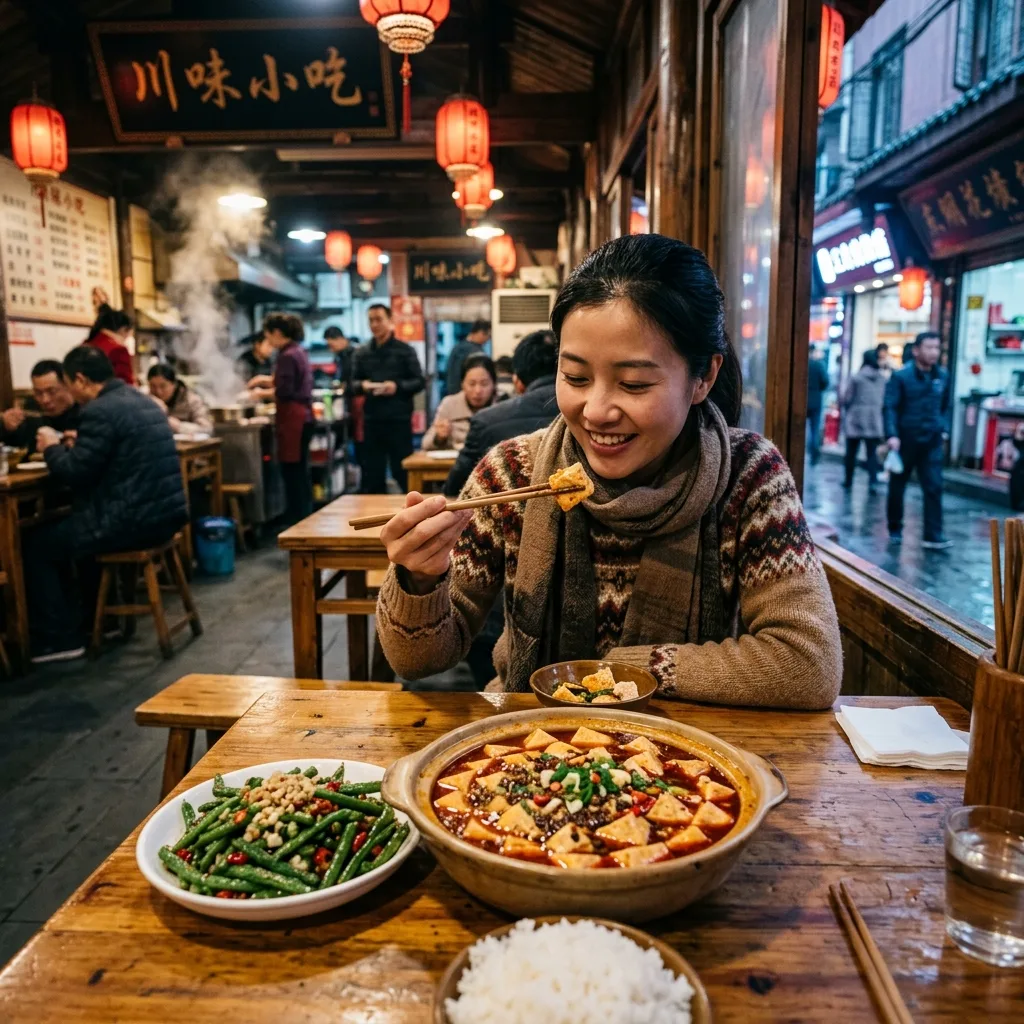
China can be an extremely easy country to eat in as a vegetarian, or an unexpectedly tricky one, depending on where you go and how you order. The good news is that Buddhist cuisine, temple-style meals, and a fast-growing plant-based restaurant scene make it possible to eat very well without giving up flavor, variety, or convenience. The catch is that "vegetarian" in China does not always mean what international travelers expect. Broth, oyster sauce, lard, fish sauce, egg, and alliums show up in more places than many first-time visitors realize.
If you are planning the broader trip at the same time, it helps to read China Travel Planning: Visa, WeChat Pay, High-Speed Rail & Practical Guide and China Tourist Visa Guide: Requirements, Process & Time to Apply before you lock in your route. If your trip also starts in Seoul, the Incheon Airport Survival Guide: From Landing to Seoul in 90 Minutes is useful for transfer-day logistics.
What Vegetarian Eating in China Actually Looks Like
Vegetarian travel in China is less about finding a single "vegan district" and more about learning a food system. In major cities, you can find Buddhist restaurants, dedicated vegetarian chains, creative plant-based cafes, and regular restaurants that can adapt dishes if you know how to ask. In smaller cities and rural areas, temple canteens and simple noodle shops may be your safest options.
Buddhist Cuisine and Temple Food
Buddhist cuisine is the backbone of vegetarian eating in China. It has deep historical roots, and it is one of the most reliable ways to find meals that are intentionally meat-free. In many Buddhist restaurants, the food is not simply meatless; it is designed around balance, texture, and comfort. Dishes often mimic familiar meat dishes with tofu skin, mushrooms, seitan, bean curd, and vegetable braises, but the goal is not imitation for its own sake. The goal is a complete meal that feels satisfying and seasonal.
The most important thing to understand is that Buddhist cuisine often avoids alliums. That means no garlic, onion, scallion, leek, or chive. Some restaurants follow this rule strictly, while others are looser, especially in modern city settings. If you want true Buddhist-style food, ask directly whether the kitchen uses alliums or only serves "vegetarian but not allium-free" dishes.
Temple food also varies by setting. A temple in a major tourist city may operate a polished restaurant with a menu, set meals, and tea service. A rural monastery may offer a much simpler meal, sometimes as part of a temple stay or a community dining hall. The style can feel humble or surprisingly refined, but it is usually practical and grounded in local ingredients.
One useful comparison is the temple dining culture you may know from elsewhere in East Asia. If you have enjoyed temple programs before, the atmosphere may remind you a little of the experiences described in Temple Stay in Korea: How to Book, What to Expect & Best Programs, though the food traditions are different. In China, the emphasis is more often on long-standing monastic culinary rules, mushroom-based richness, and regional Chinese seasoning patterns.
Where Plant-Based Meals Show Up in Daily Life
Plant-based food in China is no longer confined to temples. In large cities such as Shanghai, Beijing, Shenzhen, Hangzhou, and Chengdu, vegetarian and vegan restaurants are easier to find than many travelers expect. Some are fully vegan, some are Buddhist vegetarian, and some are health-focused cafes that happen to serve plant-forward menus. Even regular noodle shops sometimes offer a vegetable-only bowl if you know what to ask for.
That said, "easy" is relative. A traveler in a trendy urban neighborhood may find multiple options within a short walk. A traveler in a second-tier city may still need to plan dinner carefully or lean on chain restaurants. The practical reality is that the more local the area, the more essential your phrasebook, translation app, and patience become.
There is also a big difference between eating "without meat" and eating "strictly vegan." Many dishes that look vegetarian may include egg noodles, egg wash, dairy in baked goods, milk tea, butter in western-style cafes, or broth made with animal ingredients. If you are vegan, you should treat every dish as a potential negotiation until the kitchen confirms it is plant-based.
The Vocabulary That Saves You at the Table
The fastest way to improve your odds in China is not through a perfect translation app. It is through a small set of phrases and concepts you can repeat calmly, every time, without hesitation.
The Words You Need Most
In practical terms, these are the ideas travelers need to communicate:
- I do not eat meat.
- I do not eat fish or seafood.
- I do not eat eggs.
- I do not eat dairy.
- Please do not use animal broth.
- Please do not use garlic, onion, scallion, leek, or chive.
If you only need vegetarian food, not strict vegan food, you can be more flexible. But the more precise you are, the fewer unpleasant surprises you will have.
Many travelers rely on a translation screen that says something like "I am vegetarian." That is a start, but it is not enough by itself. In Chinese kitchens, the phrase may be understood as "no meat chunks in the dish," while the cook still uses broth, oyster sauce, egg, or meat-based seasoning. Showing a written note that lists exactly what you do not eat is better than hoping the server will infer your meaning.
Ingredient Traps That Catch Travelers Off Guard
These are the ingredients and cooking habits that most often trip people up:
- Meat broth in noodles, soups, and braises
- Oyster sauce in stir-fries
- Fish sauce in mixed sauces
- Egg in fried rice, noodles, pancakes, and batter
- Lard in dough, scallion oil, or pastry crusts
- Gelatin in desserts
- Butter and milk in desserts or Western-style cafe food
- Hidden meat bits in dumplings, buns, and shared hotpot broths
The issue is not that every restaurant uses these ingredients everywhere. The issue is that they can show up in dishes that sound harmless if you are only reading the English translation. "Vegetable noodles" may still use meat broth. "Mushroom rice" may use egg. "Spring rolls" may be fried in shared oil or contain minced pork.
What Buddhist Restaurants Usually Mean by "Vegetarian"
In Buddhist restaurants, you often get a cleaner standard than in general dining rooms. But even there, the kitchen may still include egg, dairy, or alliums unless you specifically ask. For many travelers, the safest rule is this: do not assume "Buddhist" automatically means vegan, and do not assume "vegetarian" automatically means allium-free.
If you are especially sensitive to garlic or onion, say so explicitly. Buddhist cuisine can be ideal for people who want meat-free food, but it may be unsuitable for travelers who need a completely allium-free diet unless the restaurant confirms that it follows that style.
Regional Differences Matter More Than You Think
China is not one vegetarian landscape. Eating patterns vary by region, city size, and local food culture. Once you understand that, your trip gets much easier.
Northern China
In the north, wheat-based foods are common, so you will see more noodles, dumplings, buns, pancakes, and steamed breads. That helps vegetarians because there are many starchy dishes that can be adapted, but it also means fillings and sauces deserve closer inspection. A plain-looking bun may still contain pork. A noodle bowl may be made with a meat-forward soup base.
The upside is that temple-style noodles, cold sesame noodles, vegetable dumplings, and stir-fried greens are usually easy to find in urban centers. The downside is that the cuisine can lean on meat-based flavoring even when the main ingredient is vegetables.
Sichuan and Other Flavor-Heavy Regions
In Sichuan, plant-based dining can be outstanding because the region is home to some of the most inventive vegetarian cooking in China. Sichuan peppercorn, fermented seasonings, preserved vegetables, and chili oil can create intense flavor even without meat. This is one of the best regions for travelers who worry vegetarian food will be bland.
Still, the spice profile can hide ingredients. Chili oil may contain meat fat. Broths may be animal-based. Restaurant cooks may assume a vegetarian diner is fine with egg or no meat only. The best strategy is to celebrate the abundance of vegetables while staying precise about your restrictions.
Cantonese and Southern China
Southern China often has excellent vegetable dishes, tofu dishes, and delicate stir-fries, especially in city restaurants. Cantonese cooking also has a tradition of clear soups, refined textures, and seasonal produce, which can make vegetarian dining feel elegant and varied.
At the same time, southern Chinese cooking can be very seafood-heavy, and seafood-based sauces may appear even where you do not expect them. Soup, noodles, and dim sum are all areas where hidden animal ingredients can be common. If you are eating vegetarian in the south, do not let a polished menu fool you into skipping the questions.
Big Cities vs Small Towns
The biggest distinction is not north versus south. It is big city versus small town.
In a large city, you can usually search maps or delivery apps for terms like vegetarian, vegan, Buddhist restaurant, or temple cuisine and find at least a few real options. You may even find places with English menus, QR ordering, and clearly labeled dishes.
In a smaller city, you may need to rely on simple noodle shops, rice-and-vegetable plates, convenience-store snacks, bakeries, fruit stalls, and whatever the local temple district offers. You can still eat well, but the experience is more dependent on planning and flexibility.
How to Eat Well Without Guessing
Most vegetarian frustration in China comes from guessing. The fix is to replace guesswork with a simple system.
Order in Layers
When you arrive at a restaurant, do not lead with a long explanation. Start with the core point: no meat. Then add the details that matter most to you. If the place seems willing to help, clarify broth, eggs, dairy, and alliums.
This layered approach works better than flooding the server with your entire dietary history at once. It also mirrors how staff in busy restaurants actually process requests. First they need the category. Then they can decide whether the dish can be changed.
Use Menu Logic, Not Just Menu Translation
Reading the menu is its own skill. Certain dish names are better bets than others:
- Stir-fried greens
- Braised tofu
- Mushroom dishes
- Cold cucumber salads
- Eggplant with garlic sauce, if garlic is okay
- Simple rice, congee, or plain noodles, if broth is confirmed absent
- Vegetarian dumplings, if the filling is verified
Less reliable options include anything described as "deluxe," "house special," "with flavor," "dry pot," "broth bowl," or "mixed platter." Those can still be vegetarian, but they need confirmation.
If the restaurant is a Buddhist one, a vegetable set meal is often the best order because it reduces the risk of accidental meat ingredients. If the place is a standard local restaurant, ask whether they can make a plate of seasonal vegetables, tofu, and plain rice with no broth or meat seasoning.
Convenience Stores Can Save the Day
Do not overlook convenience stores, supermarkets, bakeries, and fruit stalls. They are not glamorous, but they can keep your energy up between proper meals. For vegetarians, the best backup foods are usually:
- Fresh fruit
- Yogurt or milk products if you eat dairy
- Boiled eggs if you eat eggs
- Plain bread or buns, once ingredients are checked
- Nuts and seeds
- Packaged snacks that clearly list ingredients
- Yogurt drinks, tofu snacks, or soy milk
This is where your flexibility matters. If you are strict vegan, you still need to inspect labels carefully. But if you are simply trying to avoid meat, convenience stores can stretch a difficult travel day much farther than many visitors expect.
Delivery Apps and QR Menus
In major cities, delivery apps and QR menus can be extremely useful. They help you scan for vegetarian places nearby, compare ratings, and see whether the menu really has plant-based options or just one token salad. If the restaurant offers QR ordering, take your time and read the categories before tapping quickly.
One practical benefit of QR menus is that they often show photographs. Even if the text is not clear, the images can help you identify dumplings, sauces, soups, and hidden additions. That can reduce the chance of ordering something that looks safe but is not.
Practical Guide
Hours, Prices, and What to Expect
There is no single schedule for vegetarian dining in China, because the experience depends on the venue type.
- Temple canteens and monastery restaurants may open around breakfast, lunch, and early dinner, but some operate only during certain hours or during visiting periods.
- Dedicated vegetarian restaurants in cities often follow normal lunch and dinner hours and may stay open later in dense commercial areas.
- Buddhist restaurants attached to tourist sites may have more predictable daytime hours than neighborhood places.
- Convenience stores, of course, usually offer the widest hours, but the food selection is limited.
Prices also vary widely. A basic bowl of noodles or a vegetable rice meal can be inexpensive in a local setting, while a refined Buddhist set meal in a major city can cost much more. As a broad rule, you should expect to pay more for a dedicated vegetarian experience than for a standard local bowl of noodles, but less than or similar to a midrange sit-down restaurant depending on the city and the menu.
Rather than hunting for one universal price, think in categories:
- Budget: simple noodles, rice dishes, buns, fruit, and snacks
- Midrange: standard vegetarian restaurants, temple-style set meals, and city cafes
- Higher-end: upscale Buddhist cuisine, tasting menus, and specialty plant-based restaurants
If you are traveling on a budget, your best value usually comes from plainly prepared vegetable dishes, noodles, tofu, and rice rather than from western-style vegan cafes.
How to Get There
How you reach a vegetarian meal depends on where it is located.
- In city centers, the easiest approach is usually a short taxi ride or metro stop plus a walk.
- In temple districts, check whether there is a direct bus route or whether the last segment is best done by taxi or ride-hailing app.
- In large tourist areas, expect some restaurants to be hidden in shopping complexes, side streets, or upper floors rather than on the main road.
If you are using a map app, save both the Chinese name and the pin location. Vegetarian spots can be harder to find if the English listing is incomplete or the neighborhood has multiple similarly named restaurants.
For temple food specifically, it is worth confirming whether the restaurant is open to the public or only serves temple guests. Some monastic dining halls are open broadly; others are tied to the temple schedule or a reservation system.
Booking Links and Reservations
For this topic, there usually are not many third-party booking links in the usual tourist sense. Most vegetarian meals do not require advance booking unless you are planning one of the following:
- A temple stay
- A high-end Buddhist tasting menu
- A special holiday meal
- A private group experience
If a reservation is needed, the most reliable sources are typically the restaurant's official WeChat account, the venue's own website, or a local booking platform if the restaurant is listed there. For ordinary city meals, walk-ins are more common.
When in doubt, ask your hotel staff or host to help you reserve a table if the restaurant does not accept foreign phone numbers easily. That one small step can save a lot of frustration.
What Most Guides Miss
Most general travel guides reduce vegetarian eating in China to "bring a translation card." That advice is not wrong, but it is shallow. A better strategy is to understand the local logic of food, flavor, and hospitality.
Vegetables Are Often Treated as a Side, Not the Main Event
In many Chinese dining settings, vegetables are part of balance rather than the full focus of the meal. That means a vegetarian traveler should not expect every menu to offer a dedicated plant-based entree section. Sometimes you have to build your meal from several sides: greens, tofu, rice, cold dishes, and soup or tea.
Once you accept that structure, the dining experience becomes less frustrating. You are not always looking for "the vegetarian main." You are assembling a satisfying meal from the things the kitchen does best.
Some Best Meals Are the Simplest Ones
The most memorable vegetarian meals in China are not always the fanciest. A bowl of hand-pulled noodles with vegetables, a plate of seasonal greens, a tofu dish with a clean sauce, or a temple lunch tray can be more satisfying than a complicated western vegan plate trying too hard to impress.
Do not overlook humble food. In China, humble food can be exactly the point.
You Should Plan for Social Situations Too
Travel is not only about eating alone. You may be invited to dinner, share hotpot, or meet new people over a family-style meal. That is where vegetarian travel can get awkward if you wait too long to explain your restrictions.
The fix is simple. Say your diet early, repeat it politely, and offer a workable compromise. Maybe you can eat vegetables, tofu, rice, fruit, and some shared side dishes. Maybe the group chooses a restaurant with one vegetarian section. The earlier the conversation starts, the less likely you are to become the difficult person at the table.
Tips & Common Mistakes
Do Not Assume "No Meat" Means "Vegetarian Enough"
This is the biggest mistake. A dish can be meatless and still contain animal broth, eggs, fish sauce, or lard. If you are not just avoiding chunks of meat but actually want plant-based food, you need to say so.
Do Not Trust the English Name Alone
English menu translations are often approximate. A dish with a harmless English name may hide a richer, more complex ingredient list. If the kitchen cannot explain the dish clearly, choose something simpler.
Do Not Forget Breakfast
Breakfast is where vegetarian travel often gets messy. Hotel buffets may have fruit, porridge, bread, eggs, and yogurt, but local breakfast stalls may lean heavily on meat-filled buns or broth-based soups. If breakfast matters to you, find your backup options the night before.
Do Not Overcomplicate the First Meal
On day one, keep things simple. Pick one restaurant type that is likely to work: Buddhist restaurant, vegetarian cafe, or hotel breakfast. Once you have one successful meal, the rest of the trip becomes easier because you have a baseline for what your stomach, schedule, and language setup can handle.
Carry a Short Note
Even if you use translation apps, it helps to keep a short written note that explains your diet in clear terms. The note should be brief, polite, and specific. It should not read like a manifesto. It should read like a practical kitchen request.
FAQ
Is it easy to be vegetarian in China?
It can be easy in major cities and much more difficult in smaller towns. If you know the language you need, understand hidden ingredients, and plan ahead for meals, vegetarian travel in China is very manageable.
Is Buddhist cuisine always vegan?
No. Buddhist cuisine is often vegetarian, but it is not automatically vegan. Some dishes may include egg, dairy, or alliums unless the restaurant follows a stricter standard. Always confirm if those details matter to you.
What is the safest thing to order?
Simple vegetable dishes, plain rice, tofu, and verified noodle bowls are usually the safest options. In a Buddhist restaurant, a set meal is often one of the best choices because the kitchen is already built around meat-free cooking.
Can I find vegan food outside big cities?
Yes, but it is less predictable. Outside big cities, your best bets are Buddhist temples, temple restaurants, plain vegetable dishes, fruit, convenience-store items, and any local spot that can clearly explain ingredients.
Do I need a translation card?
Yes, if you are traveling outside the easiest urban neighborhoods. A translation card or note is one of the most useful tools you can carry because it reduces confusion and helps when staff are busy.
Conclusion
Vegetarian eating in China is absolutely possible, but it rewards preparation. Buddhist cuisine gives you a reliable foundation, modern plant-based restaurants provide growing variety, and local everyday food can still work if you know how to ask for it. The main skill is not chasing one perfect restaurant. It is learning how to spot hidden ingredients, explain your needs clearly, and choose the right dining context for each part of the trip.
If you remember only three things, remember these: Buddhist does not always mean vegan, English menu names are not always complete, and simple food is often the most dependable food. Once you build your habits around those truths, China becomes a much more comfortable place for vegetarian and plant-based travelers.
For the smoothest trip, pair this food strategy with the logistics in China Travel Planning: Visa, WeChat Pay, High-Speed Rail & Practical Guide and the entry requirements in China Tourist Visa Guide: Requirements, Process & Time to Apply. Good vegetarian travel in China is not about luck. It is about knowing what to ask, where to look, and how to order before you are hungry.