Vegan and Vegetarian Eating in Japan: What's Actually Plant-Based

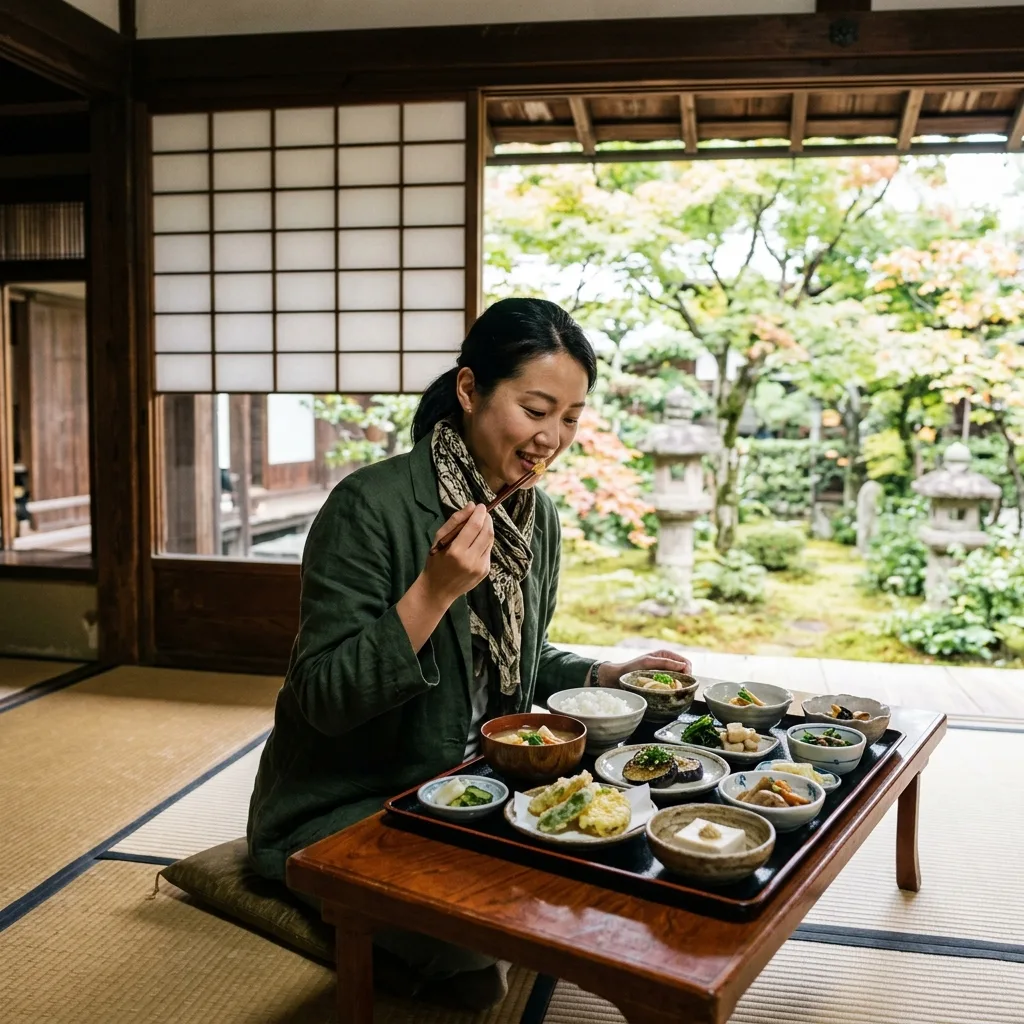
Japan is one of the easiest places to fall in love with and one of the easiest places to accidentally eat fish stock in something that looks completely harmless. A bowl of noodles can look plant-based and still hide bonito in the broth. A plate of curry can look safe and still contain meat extract in the roux. Even a simple-looking side dish can be seasoned with dashi, fish sauce, or oyster-based condiments that never appear on the menu. That is why so many first-time vegan and vegetarian travelers end up feeling like Japan is either impossible or exhausting.
The real story is better than that. Japan is absolutely doable for plant-based travelers if you understand how the cuisine works, what words matter, and where the safe pockets are. You do not need to give up on local food. You do need a better strategy than "I will just order the vegetable thing and hope for the best." This guide breaks down what actually counts as plant-based in Japan, where to eat with confidence, how to order without confusion, and what most travel guides miss.
Introduction
The easiest way to think about vegan and vegetarian eating in Japan is this: the country is not short on plant foods, but it is deeply casual about fish-based seasoning. That distinction matters. Rice, tofu, vegetables, noodles, and seaweed are everywhere. The problem is the broth, the sauce, the stock cube, the glaze, and the garnish. In Japan, those small details decide whether a meal is truly vegetarian, vegan, or neither.
The official Travel Japan guide says there are plenty of vegetarian and vegan options if you know where to look, and that is the right attitude to bring. Major cities now have more clearly marked vegan and vegetarian restaurants than they did even a few years ago, and many places display stickers from groups such as the Japan Vegan Society, VegeProject Japan, and the Japan Vegetarian Association. But you still need to read menus like a detective.
If you are building a broader Japan trip, pair this article with Japan Travel Planning: Visa, IC Card, Rail Pass & Essential Logistics Guide so your transport and arrival logistics are already handled before you start hunting for lunch. If you are planning a Tokyo-heavy trip, Ultimate Tokyo Travel Guide 2026: Everything First-Timers Need to Know will help you decide where to stay, while Tokyo Food Guide: Ramen, Sushi, Yakitori & Where to Find Them gives useful context for the city's food neighborhoods.
The Real Problem: Not Meat, but Dashi
The main trap for vegetarians and vegans in Japan is hidden broth, not obvious meat. Dashi, bonito flakes, dried sardines, chicken stock, fish sauce, and oyster sauce appear in soup, curry, simmered vegetables, pickles, dressings, and even sauces that look harmless on the menu.
Why a "Vegetable Dish" Is Not Always Vegetarian
In Japanese menus, a vegetable dish often means the visible ingredients are vegetables, not that every seasoning is plant-based. That is the first mental shift to make. A vegetable tempura set might still come with a fish-based dipping sauce. A tofu dish might be simmered in stock. A miso soup might include bonito dashi. A bowl of udon may look safe until you realize the broth is the entire issue.
This is also why the word "vegetarian" does not always solve the problem. Some restaurants understand it in a broad, Western sense. Others assume fish is fine. Others are trying to help and still do not realize that the seasoning is the issue. So the safest explanation is not "no meat" but "no meat, no fish, no dashi, no stock, no animal broth, and no hidden seafood ingredients."
For many travelers, this is the same survival skill that helps with Korean Street Food for Vegetarians: What You Can and Can't Eat. Across East Asia, the visible food is not always the ingredient story. Once you learn to think in broths and seasonings rather than just toppings, travel eating gets much easier.
What Actually Counts as Plant-Based in Japan
The safest plant-based foods in Japan are the ones with short ingredient lists and minimal seasoning: plain rice, salt-seasoned grilled vegetables, tofu, natto, edamame, fruit, simple salads without dressing, some soba or udon dishes if you verify the broth, and temple cuisine. Even then, the seasoning still matters. The more processed or restaurant-prepared the dish is, the more likely it is to contain hidden animal ingredients.
That sounds restrictive, but the upside is that Japanese cuisine also has a deep tradition of plant-based cooking. Buddhist vegetarian cuisine, known as shojin ryori, has been around for centuries. Tofu, yuba, mushrooms, mountain vegetables, sesame, and seasonal produce are not niche imports. They are part of the country's culinary vocabulary. The challenge is not that Japan cannot feed plant-based travelers. The challenge is knowing which part of the culinary world you are standing in.
Why Japan Is Still Easier Than Its Reputation
Japan gets a reputation for being impossible because many travelers compare it to places where vegetarian labels are more explicit. In reality, it is more accurate to say Japan is pattern-based rather than label-based. Once you know the patterns, you can eat very well. Tokyo, Kyoto, Osaka, and other major cities have growing numbers of vegan ramen shops, tofu restaurants, shojin ryori specialists, and cafes that clearly label plant-based meals. A traveler who knows where to look can do far better than one who is relying on luck.
That is why official tourism resources now emphasize planning ahead, checking ingredient lists, and using dedicated vegetarian-friendly restaurant portals. The current message from Japan's tourism ecosystem is not "good luck." It is "prepare a little and you will be fine." That is a meaningful difference.
Where Plant-Based Travelers Eat Best
The best plant-based meals in Japan usually fall into one of five buckets: temple cuisine, dedicated vegan restaurants, modern cafes that label ingredients carefully, convenience-store survival food, and carefully chosen traditional dishes in cities with strong vegan infrastructure. The city matters because availability matters. Tokyo gives you the widest range. Kyoto gives you the strongest temple food culture. Osaka and Fukuoka have improved a lot. Smaller towns are still hit-or-miss, which is why a little pre-planning pays off.
Tokyo: The Most Reliable Starting Point
Tokyo is the easiest city for plant-based travelers because the restaurant ecosystem is large enough to support niche dining. You will find vegan ramen, burger chains with plant-based options, bakeries with vegan bread, sushi alternatives, and international restaurants with clear ingredient lists. Neighborhoods like Shibuya, Shinjuku, Asakusa, and Tokyo Station areas are especially useful because they combine transit access with food variety.
If you want a practical place to start your search, use the neighborhood logic from Ultimate Tokyo Travel Guide 2026: Everything First-Timers Need to Know. Stay in an area with easy rail access, then build your food day around a few known vegan-friendly spots instead of wandering after you are already hungry. If you also want a broader snack-and-restaurant overview, Tokyo Food Guide: Ramen, Sushi, Yakitori & Where to Find Them is a good companion piece because it helps you understand where the city clusters its food options.
Kyoto: Temple Cuisine and Traditional Plant-Based Food
Kyoto is where Japan's plant-based food heritage becomes visible. This is the city for shojin ryori, tofu specialties, yuba dishes, and temple-adjacent dining rooms that understand vegetarian needs better than the average casual restaurant. You do not have to be on a meditation retreat to eat well here. You just have to lean into the cuisine that Kyoto already does beautifully.
The city's strength is not just that it offers meat-free food. It offers meals that feel intentional. A temple lunch might include sesame tofu, simmered vegetables, pickles, rice, miso soup made without fish, and seasonal side dishes that show off the region's produce. The textures are calm and the flavors are subtle, which some travelers love and others underestimate until they actually sit down and eat it.
Osaka: Better Than Its Reputation for Vegans
Osaka is famous for street food, which can make vegetarians nervous, but the city has become much easier for plant-based travelers than its reputation suggests. You still need to scrutinize takoyaki, okonomiyaki, curry, and noodles, but the city now has enough modern vegan cafes and specialty restaurants that you do not have to survive on convenience store snacks. That matters if you are spending multiple days in Kansai.
Osaka is especially useful for travelers who want a food-forward trip with fewer formal temple meals and more casual dining. It is also a smart base if you are combining food exploration with day trips to Kyoto or Nara. For a region-wide itinerary, the structure in Japan Travel Planning: Visa, IC Card, Rail Pass & Essential Logistics Guide helps you think about rail logic first, then food.
Nara, Fukuoka, Sapporo, and Other Secondary Cities
Secondary cities are where travelers often get surprised. Nara has temple-food traditions and vegetarian-friendly spots near major sights. Fukuoka has a stronger modern food scene than many first-timers expect, especially in central neighborhoods. Sapporo can be easier than expected because its cafe culture and city layout make it simpler to research in advance. But these places still reward prep.
If you are heading outside the big three, use the same logic every time: search before arrival, identify one dedicated plant-based restaurant, identify one convenience store near your hotel, and note one backup meal that is naturally safe. That prevents the "there is nothing I can eat" spiral that happens when travelers arrive hungry and unprepared.
Rural Japan: Still Possible, Just More Deliberate
Rural Japan is where the old rules return. Fewer menu translations. Fewer dedicated vegan restaurants. More reliance on local hospitality, guesthouse meals, ryokan breakfasts, and advance notice. This is where the official Travel Japan advice to plan ahead really matters. If you are staying in a ryokan or minshuku, email them before arrival and explain your diet clearly. Many hosts can adapt if they know in advance, but not all can improvise on the spot.
Rural travel is also where simple foods become valuable. Plain rice, fruit, onigiri with umeboshi or kombu filling, roasted sweet potatoes, and packaged snacks can keep you fed between meals. The point is not to romanticize scarcity. The point is to avoid being surprised by it.
Core Japanese Dishes That Can Work
There is no single list of "safe Japanese food" because the same dish can be plant-based at one restaurant and fish-based at another. Still, some categories are consistently useful once you know what to ask.
Shojin Ryori
Shojin ryori is Buddhist vegetarian cuisine, and it is the clearest example of Japan's plant-based tradition. It usually avoids meat, fish, and strong alliums, though the exact rules can vary. A typical meal focuses on tofu, sesame, mountain vegetables, mushrooms, yuba, pickles, rice, and delicate broths made without fish. For vegetarians, this is often the safest traditional dining style in the country. For vegans, it can still require a quick check because some places may use eggs or dairy in modern desserts.
Tofu and Yuba
Tofu is not a side character in Japan. It is a major food group. Soft tofu, fried tofu, grilled tofu, tofu skin, chilled tofu, sesame tofu, and tofu in soup all appear across the country. Yuba, or tofu skin, is especially useful because it is often treated as a standalone ingredient rather than as a protein substitute. If you see a restaurant advertising tofu cuisine, there is a good chance the kitchen already understands plant-based dining better than average.
Soba and Udon
Buckwheat noodles and wheat noodles can be safe, but only if you verify the broth. Cold soba with a dipping sauce can be easier to modify than hot noodle soup because the sauce can sometimes be checked or substituted. Udon is the same story. The noodles themselves are not the issue. The broth is the issue. If you have a restaurant staff member who understands dashi-free preparation, you can often do much better than casual English menus suggest.
Curry
Japanese curry is one of the biggest trap foods for vegans and vegetarians. It looks safe, especially when served with vegetables, but many curry roux blocks contain meat extract, fish extract, or dairy. Some curry houses now offer vegan versions, and those are worth seeking out. But do not assume any standard curry is safe just because it has carrots and potatoes.
Onigiri and Convenience Food
Onigiri can save a day, but you have to read fillings carefully. Umeboshi and kombu are often safe, while tuna, salmon, mayonnaise, and egg fillings are not. Packaged salads, fruit cups, edamame, plain bread, soy milk, nuts, and some tofu products can help fill gaps. Convenience stores are not glamorous, but they are one of the most important plant-based travel tools in Japan.
Practical Guide
The practical game in Japan is not "find a vegan restaurant every time." It is "reduce uncertainty before you get hungry." That means using maps, translation tools, restaurant reviews, and a few stock phrases so you can make decisions quickly. The more you do this before you arrive, the less every meal feels like a negotiation.
How to Order Without Confusion
The best ordering strategy is direct and specific. Do not just say "vegetarian" and assume that solves it. Say what you do not eat. A helpful version is:
Watashi wa bejitarian desu. Niku, sakana, dashi wa tabemasen.
That means you are vegetarian and do not eat meat, fish, or dashi. If you are vegan, add that you also avoid eggs, dairy, and other animal products. Even if your pronunciation is imperfect, the specificity helps.
When in doubt, ask about:
- dashi
- bonito flakes
- fish sauce
- chicken stock
- oyster sauce
- meat extract
- lard
- egg
- dairy
If the staff seems uncertain, show a written note in Japanese rather than trying to improvise with gestures. A short translated card often works better than a long conversation. This is one of the most useful traveler habits in Japan, and it works for more than just dietary restrictions.
What Time of Day Works Best
Lunch is often the easiest meal for plant-based travelers. Many restaurants offer simpler set lunches, and some places that are difficult at dinner may have clearer lunch specials. Dinner can be more limited because kaiseki, izakaya, and family restaurants may lean harder on shared stocks and broths. Breakfast is mixed. Hotels may be easiest if you can book a property with a clear vegan breakfast option, but many standard Japanese breakfasts use fish, egg, or dairy.
If you are traveling through multiple cities, eat your "safest" meal at the point where you have the most control. For many people that means lunch near a vegan restaurant, then a lighter dinner using food you already know is safe. That strategy reduces stress and keeps you from gambling when you are tired.
Budget Expectations
Plant-based eating in Japan can be cheap or expensive depending on the venue. Convenience-store meals are the budget option. Casual ramen and curry shops are usually moderate, but dedicated vegan ramen can cost more than standard bowls. Shojin ryori and specialty temple meals are often the most expensive, but they are also part of the cultural experience, not just a meal.
As a rough planning range, casual plant-based lunches often fall somewhere around the low thousands of yen, while specialty set meals can move into the mid- to high-thousands. Exact pricing changes by city and neighborhood, so treat that as a planning range rather than a promise. If you are on a budget, the trick is not to avoid dedicated restaurants entirely. It is to combine them with convenience stores and simpler meals so you can spend on the experiences that matter most.
Reservations and Timing
Some of the best plant-based meals in Japan require reservations, especially temple cuisine, kaiseki-style vegetarian menus, and small specialty restaurants. If a place has a fixed lunch or dinner set, book ahead. Even when a reservation is not required, arriving early matters because many restaurants run limited inventory or shorter lunch service.
This is also why a trip plan matters as much as a restaurant list. If you already know your train schedule, hotel location, and sightseeing rhythm, it is much easier to place meals in the right slots. That is the same kind of planning logic that makes Japan Travel Planning: Visa, IC Card, Rail Pass & Essential Logistics Guide useful in the first place.
Tips & Common Mistakes
Most plant-based travelers make the same avoidable mistakes in Japan. The good news is that they are easy to fix once you know what to look for.
Do Not Trust the Visible Ingredients Alone
If the dish has vegetables, that does not mean it is vegetarian. If the dish has tofu, that does not mean it is vegan. If the sauce tastes light, that does not mean it is fish-free. The seasoning is the problem more often than the ingredients you can see.
Do Not Assume English Menus Are Accurate
English menu translations can be incomplete or oversimplified. Sometimes they hide the broth issue. Sometimes they only list the main topping. Sometimes they leave out the seasoning entirely. If you see a menu with English and pictures, use that as a starting point, not as proof.
Do Not Forget About Sauces and Dressings
Salad dressing, dipping sauce, curry roux, glaze, and even soy sauce blends can contain animal ingredients. This is where travelers get tripped up after successfully identifying the main dish. The meal is only safe if the entire plate is safe.
Do Not Skip Planning for Smaller Towns
In Tokyo, you can often recover from a bad meal plan because there are so many options. In a small town, you may not have that luxury. Bring snacks, identify backup meals, and know the opening times of the few safe restaurants you can find. Search the restaurant's hours before you rely on it.
Do Learn the Short Japanese Phrases
You do not need to become fluent to eat well. You do need a few phrases that make the issue clear. The most useful ones are the ones that explain categories, not just labels. "No meat, no fish, no dashi" does more work than "I am vegetarian" because it matches how Japanese kitchens actually think about ingredients.
Do Use Food Apps and Community Lists
HappyCow-style mapping, vegan restaurant portals, Google Maps reviews, and recent travel blogs are extremely useful in Japan because restaurant menus and availability change. Dedicated vegan spots can close, relocate, or switch hours. Community-sourced data is your friend. This is especially important if you are traveling on a tight schedule and cannot afford a failed meal.
FAQ
Can vegetarians eat ramen in Japan?
Sometimes, but not by default. Most ramen broth is fish- or meat-based, and many toppings are not vegetarian either. The safest route is a dedicated vegan or vegetarian ramen shop. If you are at a standard ramen shop, ask very specifically about the broth, tare, and toppings before ordering.
Is sushi possible for plant-based travelers?
Yes, but you need to be selective. Cucumber rolls, avocado rolls, pickled vegetable rolls, and some inari-style options can work. However, sushi rice seasoning, sauces, and side dishes may still include fish-based ingredients. Conveyor-belt sushi places sometimes have vegetarian options, but they are not always clearly labeled.
Is shojin ryori always vegan?
Not always. It is vegetarian Buddhist cuisine, and many places do make it fully vegan, but some modern versions may include egg, dairy, or honey. If you are vegan, ask in advance. That said, shojin ryori is one of the safest traditional dining styles in Japan and one of the best ways to eat beautifully without relying on imported plant-based food.
Are convenience stores safe for vegans and vegetarians?
They are useful, but not automatically safe. Fruit, plain bread, some salads, soy milk, nuts, edamame, and certain onigiri fillings can work, but many packaged items use fish seasoning, milk, egg, or meat extract. Read the labels or learn the handful of go-to products you can trust.
What is the fastest phrase to explain my diet?
For many travelers, the fastest useful sentence is: Niku, sakana, dashi wa tabemasen. That communicates the most important restrictions in one line. If you are vegan, add that you also do not eat egg, milk, or other animal products. A small printed card in Japanese is still the safest backup.
Is Japan getting better for vegan travelers?
Yes. Major cities now have more plant-based restaurants, more clearly labeled menus, and better awareness than they did in the past. Tourism resources and restaurant portals have also improved. The real progress is not that every restaurant has changed. It is that the places that want vegan and vegetarian customers can now be found more easily.
Conclusion
Eating vegan or vegetarian in Japan is not about luck. It is about understanding the hidden logic of the cuisine. Once you stop treating a "vegetable" label as a guarantee and start checking broth, seasoning, and sauces, the country opens up fast. Tokyo gives you range. Kyoto gives you depth. Osaka gives you more casual options than people expect. Rural Japan requires more preparation, but it is still manageable if you plan ahead.
The most important takeaway is simple: Japan has a real plant-based food culture, but it does not always announce itself loudly. Shojin ryori, tofu, yuba, vegetable-focused cafes, and dedicated vegan restaurants are all there. The trick is to build your trip around them instead of assuming every normal menu item will be friendly.
If you are preparing a Japan itinerary, use this guide alongside Japan Travel Planning: Visa, IC Card, Rail Pass & Essential Logistics Guide so the transport side is smooth, and compare your city choices with Ultimate Tokyo Travel Guide 2026: Everything First-Timers Need to Know and Tokyo Food Guide: Ramen, Sushi, Yakitori & Where to Find Them if Tokyo is part of the plan. The more you prepare before you land, the easier it is to spend your time eating well instead of decoding menus.