Tatami Room Etiquette: How to Sleep, Sit & Behave in a Japanese Inn

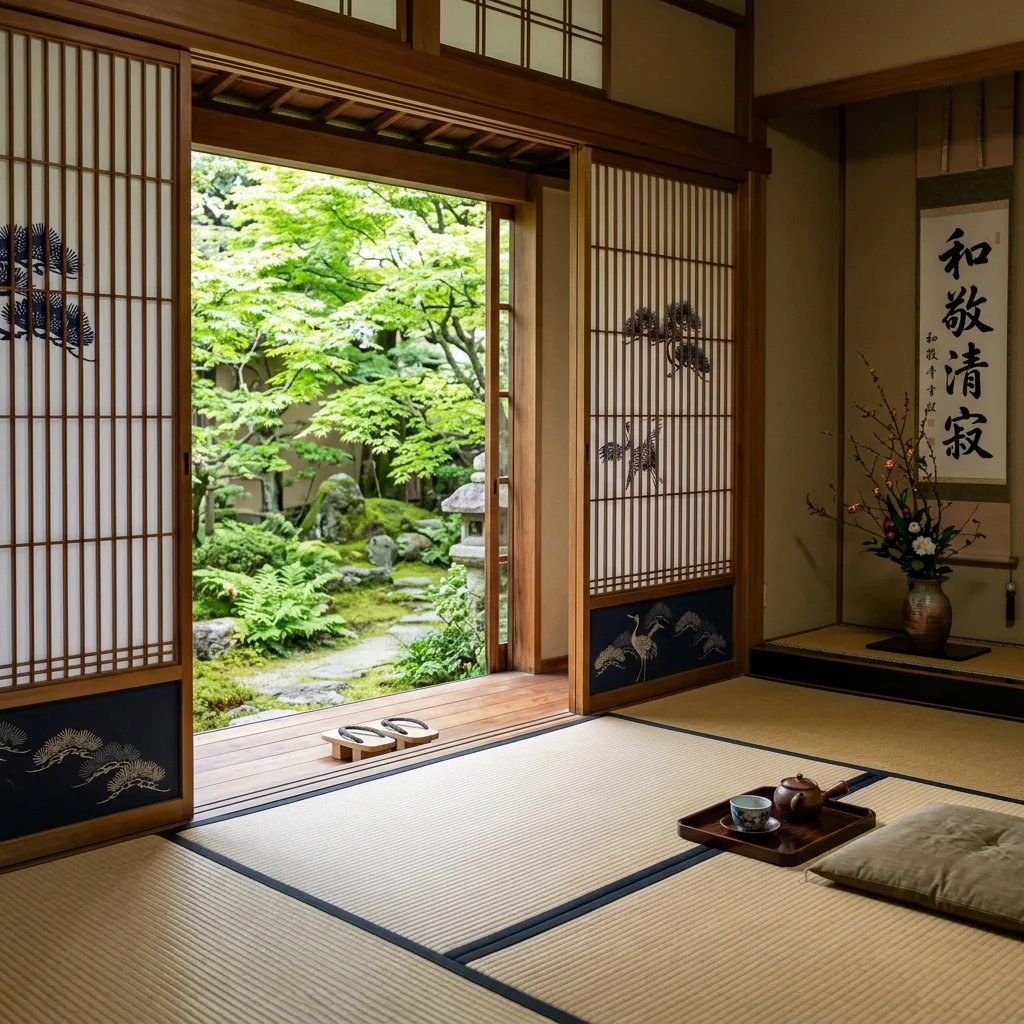
Stepping into a tatami room for the first time can feel like entering a space with invisible rules. The floor is beautiful, the air is quiet, and suddenly the ordinary habits of hotel life do not quite apply. If you want your ryokan or Japanese inn stay to feel relaxed instead of awkward, the key is learning a few simple habits before you arrive.
Introduction
Tatami room etiquette is not about memorizing a long list of rigid rules. It is about understanding how a Japanese inn is designed to be used, and then moving through the space with care. That means knowing where to remove your shoes, how to sit without damaging the mats, when to spread out the futon, what to do with your luggage, and how to avoid the small mistakes that make hosts quietly cringe.
For many travelers, the hardest part is that the room looks simple. There is usually no giant sign explaining every expectation. The room itself is the instruction manual. Tatami flooring, low tables, sliding doors, futons, and shared bathing customs all point to a different rhythm from a Western-style hotel. Once you understand that rhythm, a ryokan stay becomes one of the most peaceful experiences in Japan.
This guide covers the basics and the details: how to enter a tatami room, how to sit safely, how to sleep comfortably, how to behave around meals and baths, and what common mistakes to avoid. It also connects the etiquette to broader Japanese travel manners, so if you are building a bigger trip, you can cross-reference it with Japanese Culture Guide: Customs, Etiquette, Do’s and Don’ts for Travelers, Sushi Etiquette in Japan: Omakase, Kaitenzushi & How to Order Right, and Street Food in Japan: Takoyaki, Crepes & Convenience Store Gems.
Primary Topic Section
Tatami room etiquette starts with one principle: treat the room like a shared cultural surface, not just a floor. Tatami mats are made from woven straw and are more delicate than carpet or tile, so shoes, rough suitcase wheels, spilled liquids, and careless furniture movement can all leave marks. The room is meant for sitting, dining, and sleeping in a way that keeps the mats clean and the space flexible.
The first practical rule is simple footwear discipline. Remove your shoes at the entrance or genkan before stepping onto the raised tatami area. If the inn provides slippers, use them on non-tatami flooring, but take them off once you enter the tatami room unless the host specifically says otherwise. Even clean slippers can transfer grit or moisture onto the mats, and those mats are central to the room’s comfort and appearance.
The second rule is to stay light on the floor. Tatami is not a place for hard heels, dragging bags, or heavy stomping. Walk carefully, kneel gently, and place objects down instead of dropping them. If you need to open a suitcase, do it on the wooden threshold, in an entry area, or on a luggage stand if the inn provides one. In many ryokan, staff will already have anticipated this and laid out a path of least damage, but you still need to move with intention.
The third rule is to respect how multipurpose the room is. During the day, the room may function as a lounge, dining area, and tea space. At night, the futon is laid out and the room becomes a bedroom. Because the same floor is used for everything, cleanliness matters more than in an ordinary hotel. Keep food crumbs contained, avoid wet towels on the tatami, and do not set hot items directly on the mats unless there is a tray or protective surface.
If you are new to Japanese inns, think of the tatami room as a quiet choreography. You are not performing for anyone, but your movements should be measured and calm. That is true whether you are arriving after a long day on the train, getting ready for dinner, or rolling up your bedding before checkout. In the same way that ryokan customs differ from those at a modern city hotel, the expectations also differ from many casual guesthouses. The beauty is that once you settle into the pace, the whole stay feels easier.
Why Tatami Feels Different
Tatami is designed to regulate touch, posture, and movement. The mat surface is soft but firm, which encourages people to sit lower to the ground and move with more awareness. A tatami room also signals a different social mood. Instead of leaning into the vertical privacy of chairs and beds, you are entering a space where openness, tidiness, and low posture matter.
That is why the room may include only a few items: a low table, a kettle, cushions, a robe or yukata, and bedding stored in a closet. The sparseness is not a lack of comfort. It is intentional flexibility. The room can reset itself from tea room to dining room to bedroom without rearranging heavy furniture. When you understand that, the etiquette becomes easier to remember because every action protects the room’s flexibility.
The Unwritten Goal
The goal is not perfection. Hosts do not expect international guests to behave like lifelong locals. They do expect you to observe the room’s logic and avoid preventable damage or disruption. If you remove shoes, keep floors clean, use cushions correctly, and handle bedding respectfully, you are already doing most of the work. Small efforts matter in a space where the materials themselves are older, more delicate, and more tactile than a standard hotel room.
Secondary Topic Section
How to Sit on Tatami Without Looking Lost
The most common sitting styles in a tatami room are seiza, cross-legged sitting, and side-sitting with both legs to one side. Seiza is the formal kneeling position where you rest on your shins with your feet tucked under you. It looks elegant, but it can be uncomfortable if you are not used to it. Many Japanese people also find it tiring over long periods, so you do not need to force yourself to hold it for hours unless the situation is truly formal.
If you are a traveler, cross-legged sitting is often the most practical option, especially for relaxed meals or casual conversation. The important thing is not to plant your feet aggressively, stretch them into someone else’s space, or kick out in a way that risks touching the table or the tatami edge. If you sit cross-legged, keep the posture compact. If you sit to one side, keep your knees and ankles neatly folded so the space remains orderly.
When you are entering or leaving the room, move around the low table carefully. Avoid stepping over plates, teacups, or other people’s legs. If you need to pass by someone, give a slight verbal warning and take your time. The room may feel casual, but it still has the social etiquette of a shared dining or sleeping area.
If you are invited to a meal on the floor, wait for the host to indicate where to sit. In a ryokan, the staff may set the table, position the zabuton cushions, and arrange the seating order. Follow the placement instead of improvising. The highest-comfort seat may not be the most appropriate seat, especially if elders, hosts, or honored guests are present.
Sleeping on a Futon
Sleeping in a tatami room is often one of the highlights of the stay, but the bedding system can feel unfamiliar if you expect a Western mattress. A futon is usually stored during the day and laid out in the evening by staff or by you, depending on the property. It normally consists of a mattress pad, a comforter, and possibly a pillow with a different firmness from what you are used to.
The first rule is to treat the futon as bedding, not a lounge chair. Do not sit on it with shoes, do not place bags directly on it, and do not use it as a storage surface for wet clothes or toiletries. If the room has limited space, keep your belongings in the designated area so the bedding remains clean and airy.
If staff lays out the futon for you, do not immediately rearrange everything unless you need to make a small comfort adjustment. The layout may be intentionally positioned to leave access to doors, climate controls, or walkways. If you are expected to set up the futon yourself, use the bedding in the closet rather than assuming there is a hidden mattress somewhere else in the room. The room usually has just enough equipment for a practical and comfortable sleep.
Tatami room sleep etiquette also includes sound discipline. Ryokan are often quiet at night, and thin walls or sliding doors can carry voices more easily than travelers expect. Keep conversations low, avoid loud phone notifications, and respect any posted quiet hours. A peaceful night is part of what you are paying for. The inn is not just selling a bed. It is selling calm.
What to Wear Inside
What you wear in a tatami room depends on the property, but many ryokan provide a yukata or similar indoor robe. If so, it is generally appropriate to wear it inside the inn, especially to meals, common areas, or the bath. The robe is part of the experience, and learning how to wear it correctly is part of the fun. Left side over right is the standard for living people; right over left is associated with funerary dressing, so avoid mixing that up.
If you prefer to wear your own loungewear, choose something clean, modest, and easy to move in. Avoid street clothes that shed lint, have sharp metal bits, or drag dirt onto the tatami. Socks are usually acceptable and often preferred if you are walking on the mats, but make sure they are clean. Bare feet are sometimes fine in private rooms, though some guests prefer socks for hygiene and modesty. The key is cleanliness and respect for the materials underfoot.
If you are going to the bath or shared wash area, carry a small towel and the essentials neatly. Do not bring your entire toiletry bag into the bath zone if the inn has a set process for lockers or baskets. Follow the flow the property has created. That is part of behaving well in a Japanese inn.
Practical Guide
Hours / Admission / Prices
There is no single admission price for tatami room etiquette because you are usually applying these habits as part of a ryokan or Japanese inn stay. That said, the practical cost question matters because the more traditional the property, the more likely it is to include meals, bath access, and staff-made bedding as part of the room rate.
In many inns, check-in is in the mid-afternoon and checkout is late morning. That schedule exists because rooms are reset manually, bedding is managed carefully, and meals may be tied to specific service windows. You should always confirm the exact times in your reservation confirmation rather than assuming hotel-style flexibility. Some properties are strict about arrival windows because dinner is served at a set time and staff need to plan room preparation.
Pricing varies widely depending on region, season, meal plan, and room type. A simple minshuku can be affordable, while a luxury ryokan with private bath, kaiseki dinner, and seasonal views can be much more expensive. In popular areas, the room price may also reflect the location, not just the building itself. If you are booking during cherry blossom season, autumn foliage, or a holiday period, expect higher rates and fewer last-minute options.
If your trip involves a temple stay or a historic lodging experience, the schedule may be even more structured than a standard inn. Treat the itinerary as part of the accommodation, not as a side note. That is one reason articles like Temple Stay in Korea: How to Book, What to Expect & Best Programs are useful even outside Japan: the hospitality logic is similar, even though the customs differ.
How to Get There
Most travelers reach a ryokan or Japanese inn by a mix of train, local bus, and sometimes a short taxi ride from the nearest station. The arrival experience can feel more complicated than a business hotel in the center of a city, but that is often because the best inns are in quieter neighborhoods, on the edge of hot spring towns, or near scenic areas rather than in the most commercial district.
Before you book, check how far the property is from the station and whether the final segment is walkable with luggage. A ten-minute walk on a map may feel very different if the road is hilly, unpaved, or dark at night. If the inn offers a shuttle, note the pickup schedule and reserve it in advance if required. If it does not, plan for the possibility that you will need a taxi for the last leg.
When you arrive, keep your luggage tidy and easy to handle. If there is a reception area with shoe storage, use it. If staff escorts you to the room, let them lead instead of rushing ahead. Ryokan service often involves a sequence: greeting, shoe removal, check-in, tea, room introduction, and meal explanation. The sequence is part of the hospitality, so slowing down is not a problem. It is expected.
Booking Links and What to Look For
There is no universal booking link for tatami etiquette, but there are some practical booking habits that matter. Look for whether the room description says tatami or Japanese-style room, whether meals are included, whether the bath is private or shared, and whether futon bedding is set up by staff. These details change how you should pack and how you should plan your evening.
If you are comparing options, pay attention to photos that show the actual flooring and room layout. Some listings use the language of traditional lodging but only include a tatami accent area rather than a full tatami room. That is not necessarily a problem, but it changes the experience. A true tatami room usually has a larger floor area dedicated to mats and a more flexible sleeping setup.
Also check whether the inn expects you to arrive by a certain time for dinner service. In traditional properties, missing dinner can be a genuine issue because the meal is tied to staffing and preparation. If your train is delayed, contact the property as early as possible. Clear communication is much better than showing up late and hoping everything will still be waiting.
Tips & Common Mistakes
The Mistakes That Travelers Make Most Often
The first mistake is wearing shoes too far into the room. Many travelers understand the general no-shoes rule but still accidentally step onto tatami while carrying bags, taking photos, or hurrying to set things down. If in doubt, stop at the threshold and orient yourself before moving further inside.
The second mistake is placing luggage directly on the mats. Even if the bag looks clean, wheels, handles, and the underside can transfer grit. Use the entryway, a luggage rack, or a designated floor area. If you have a rolling suitcase, lift it rather than dragging it across the tatami.
The third mistake is treating the futon like a casual daytime sofa. Once the bedding is out, the room changes function. Try not to scatter clothing, snacks, and charging cables over it. Keep the sleeping area calm and reserved for sleep.
The fourth mistake is being noisy when the space becomes quiet. Some travelers think because they are in a private room they can talk, laugh, or watch videos loudly. In an inn, privacy and soundproofing are not the same thing. Keep your voice down, especially after dinner service.
The fifth mistake is assuming every inn works the same way. One property may expect you to make your own futon, another may turn it down for you, another may provide bath towels in the room, and another may ask you to pick up extra towels at reception. Read the check-in instructions. Japanese inns are often polite but precise, and those details matter.
Small Habits That Make a Big Difference
Bring or use clean socks. They are one of the simplest ways to show respect for tatami surfaces, especially if you tend to take off slippers and walk barefoot. Keep your feet clean, your bags organized, and your belongings contained.
Use the tea and water setup as intended. If the room offers tea, utensils, or a kettle, place them back neatly after use. The room is often reset multiple times a day, and a neat arrangement helps staff work efficiently.
Handle the robe properly. If you are given a yukata, wear it naturally and keep the sash secure. It is normal to walk through the inn in robe attire, but do so neatly and avoid wearing the robe in a sloppy, half-open manner unless the inn explicitly signals a very relaxed atmosphere.
Be mindful of meals if they are served in the room. Some ryokan create a beautiful in-room dining experience, and that means the floor, low table, and bedding all coexist in the same environment. Do not leave food wrappers, drip sauce onto the tatami, or move dishes without considering where they belong. If you are interested in how Japanese food service etiquette works more broadly, the mindset in Sushi Etiquette in Japan: Omakase, Kaitenzushi & How to Order Right is a useful companion read.
How to Behave With Staff
Ryokan staff are often attentive, but the service style is usually quiet and indirect. If you need something, ask clearly and politely. Do not assume silence means the staff are unavailable, and do not assume frequent check-ins mean you are being watched. In many Japanese inns, thoughtful service is designed to feel seamless rather than intrusive.
If staff are helping with bedding or meals, give them space to work. They may enter the room at specific times, move items with great care, and arrange the room quickly. You can make their job easier by keeping your belongings compact and by being ready when they arrive. A small amount of organization goes a long way.
If you are unsure about a custom, it is better to ask than to guess. Japanese hospitality is often generous toward questions, especially when asked politely. A simple, respectful question can prevent a mistake that would otherwise affect your stay. This is especially true if the inn has a more formal or historic character.
Luggage, Cameras, and Gadgets
Large suitcases are one of the most common sources of tatami trouble. If you can pack lighter, do it. If you cannot, use the room’s edges, entry area, or storage closets to keep bags off the mats. For cameras and phones, think about where you are placing straps, chargers, and accessories. A dangling cord can scratch a surface or get tangled in bedding.
Photography is usually fine in a private room, but avoid turning the space into a studio setup that disrupts the room’s calm. Do not move furniture aggressively for the perfect angle. If you want a nice photo, use the room as intended and let the design speak for itself. The understated beauty of tatami, paper lamps, and low furniture is usually enough.
FAQ
Do I have to sleep on the floor in a tatami room?
Usually yes, if the room is arranged as a true Japanese-style room with futon bedding. That does not mean you will be uncomfortable. The futon system is designed for a flexible, compact sleep experience. If you have mobility issues, back concerns, or a strong preference for a raised bed, check the room type before booking. Some properties offer Western-style beds or hybrid rooms.
Is it rude to sit cross-legged on tatami?
No, not in a casual setting. Cross-legged sitting is common among travelers and is often more comfortable than kneeling. The important thing is to sit neatly and keep your posture respectful. If the situation is formal, wait for cues from the host or staff and choose a more restrained position if needed.
Can I bring snacks into a tatami room?
Often yes, but do it carefully. Keep packaging tidy, avoid crumbs, and do not leave sticky wrappers or spills on the mats. If the inn provides a dining schedule or in-room meals, it is best to keep your snacks light and contained. Strong smells, greasy fingers, and loose crumbs are the biggest problems.
What happens if I accidentally step on tatami with shoes?
If it happens once, do not panic. Remove the shoes immediately, apologize if staff or other guests notice, and avoid repeating it. The main concern is not a single mistake but a pattern of carelessness. A quick correction is much better than pretending nothing happened.
Are there separate etiquette rules for baths and shared spaces?
Yes, and they matter as much as the room itself. If the inn has a public bath or shared wash area, you should follow bathing customs carefully, rinse before entering the bath, keep towels out of the water, and move quietly. The room, the bath, and the dining area are all part of one broader hospitality system.
Conclusion
Tatami room etiquette is really about moving through a Japanese inn with enough awareness to protect the space and enough confidence to enjoy it. Remove your shoes early, keep the mats clean, sit neatly, use the futon respectfully, and follow the staff’s lead when the room changes from daytime lounge to nighttime bedroom. Once you understand that rhythm, the stay becomes much easier.
The best part is that these habits are not difficult. They are small, practical adjustments that make the room more comfortable for you and more sustainable for the property. Whether you are staying in a simple minshuku, a hot spring ryokan, or a historic inn with elaborate service, the same core idea applies: be tidy, be quiet, and let the room work the way it was designed to work.
If you are building a bigger Japan itinerary, this kind of etiquette knowledge pairs naturally with food and culture planning. A traveler who understands tatami rooms is usually also better prepared for dining customs, bath customs, and the broader pace of Japanese hospitality. In practice, that means more comfort, fewer surprises, and a stay that feels closer to the country rather than just another hotel night.