Shirakawa-go Gassho Village: Snow, Thatched Roofs & Day Trip Tips

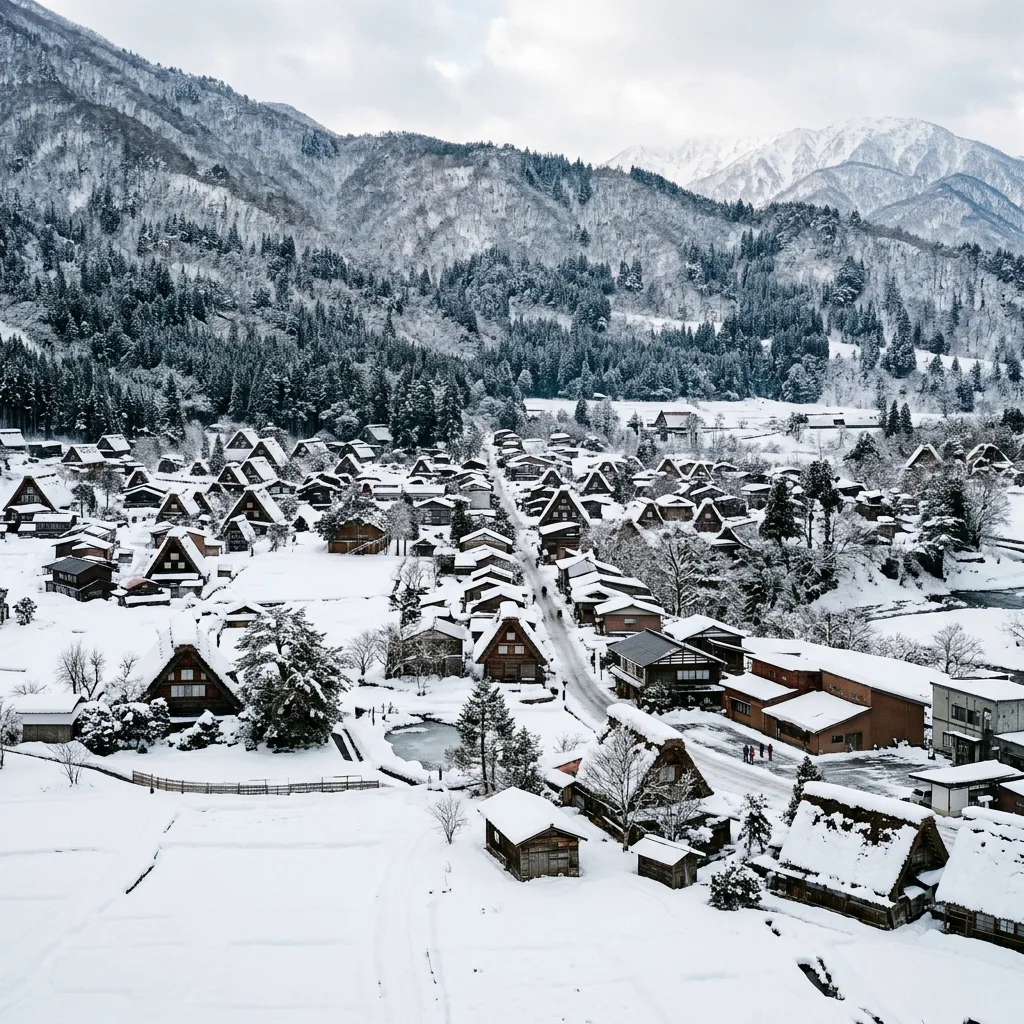
The ethereal beauty of Shirakawa-go, a UNESCO World Heritage site nestled deep in the mountains of Gifu Prefecture, Japan, is a scene straight out of a fairy tale, especially when blanketed in winter snow. Its iconic gassho-zukuri farmhouses, with their steeply pitched, thatched roofs resembling praying hands, offer a glimpse into a traditional way of life that has largely vanished elsewhere. For anyone embarking on a Japanese adventure, understanding Japan Travel Planning: Visa, IC Card, Rail Pass & Essential Logistics Guide is crucial for a smooth journey. Planning a day trip to this remote haven, particularly during the magical winter illumination, requires careful preparation to maximize your experience and avoid common pitfalls. This guide will equip you with all the essential tips, from navigating admission and operating hours to securing your spot for the coveted 2026 winter light-up, ensuring your visit to this unique village is as enchanting as its snow-kissed landscapes.
Shirakawa-go: A Timeless Village Frozen in Time
Shirakawa-go, along with its neighboring Gokayama region, is renowned for its unique architectural style, the gassho-zukuri farmhouse. These multi-storied homes, built without nails and designed to withstand the heavy snowfall of the region, served both as residences and as workshops for sericulture (silkworm cultivation) on their upper floors. The steep roofs, often angled at 60 degrees, allow snow to slide off easily while providing ample attic space for raising silkworms. The name "gassho" literally means "praying hands," reflecting the shape of the roofs. This architectural marvel, coupled with the villagers' self-sufficient lifestyle, led to its designation as a UNESCO World Heritage site in 1995, preserving this living museum for future generations.
Shirakawa-go is not merely a collection of old buildings; it is a vibrant community where people continue to live and work, maintaining the traditions of their ancestors. For a deeper understanding of respectful travel, especially in unique cultural settings like Shirakawa-go, consulting a Japanese Culture Guide: Customs, Etiquette, Do’s and Don’ts for Travelers can greatly enhance your visit. The village of Ogimachi is the largest and most famous, offering visitors a chance to explore a variety of gassho-zukuri houses, some of which are still private residences, while others have been converted into museums, shops, and guesthouses. The surrounding natural beauty, particularly the pristine white of winter, enhances the village's timeless allure, drawing visitors from across the globe seeking an escape from modern life. The best way to truly immerse yourself in the ambiance is to wander the narrow paths, cross the suspension bridge, and take in the panoramic views from the Shiroyama Viewpoint, which offers an unparalleled perspective of the entire snow-covered valley.
Experiencing Shirakawa-go's Winter Wonderland
Visiting Shirakawa-go in winter is an experience unlike any other. The heavy snowfall transforms the village into a breathtaking canvas of white, with the thatched roofs bearing thick caps of snow, creating an idyllic, almost surreal atmosphere. This period, typically from December to March, is when the village is at its most photogenic and magical. However, it also brings unique challenges and considerations for travelers. The cold can be intense, with temperatures often dipping below freezing, and snow can accumulate to significant depths, sometimes reaching two meters. Proper winter attire, including waterproof boots, warm layers, gloves, and hats, is absolutely essential for comfort and safety.
Beyond the scenic beauty, winter offers the chance to witness the rare and highly sought-after Winter Light-Up event. During these special evenings, the village is illuminated, casting a warm, golden glow on the snow-covered houses, creating an unforgettable spectacle. However, securing access to this event is extremely competitive and requires advance planning due to strict reservation-only policies. It's not a casual visit; it's a carefully orchestrated experience to preserve the tranquility and safety of the village. The charm of Shirakawa-go extends beyond the winter, too; each season paints the village in different hues, from the lush greens of summer to the fiery reds and golds of autumn, making it a captivating destination year-round.
Beyond the Roofs: Local Flavors and Crafts of Shirakawa-go
Shirakawa-go's isolation, while preserving its unique architecture, also fostered a distinct local culture, particularly evident in its cuisine and traditional crafts. A visit here isn't complete without indulging in the flavors of the region.
One of the most famous local delicacies is Hida beef, renowned for its exquisite marbling and tenderness. Originating from the nearby Hida region, this premium wagyu beef can be savored in various forms, from succulent steaks to shabu-shabu or even as skewers sold by street vendors. Its rich flavor is a true highlight for any foodie visiting the area. Another must-try is Gohei Mochi, a traditional snack consisting of pounded rice cakes coated in a sweet and savory sauce (often soy sauce, miso, and nuts), then grilled over an open flame. The aroma alone is enticing, and the chewy texture makes it a satisfying treat as you explore the village. For something more substantial, local restaurants often serve hearty soba noodles made with pure mountain spring water, a perfect warm meal during chilly winter days. Don't forget to sample local sake, brewed using the region's pristine water and often available for tasting in specialized shops.
Beyond culinary delights, Shirakawa-go and the surrounding Gifu Prefecture are also known for their traditional crafts. While not as prominently displayed as the architecture, you can find small shops selling handmade items that reflect the local heritage. These might include intricately woven textiles, ceramics, or woodworking pieces. Engaging with these crafts offers another layer of understanding about the self-sufficient lifestyle of the gassho-zukuri residents and their connection to the materials found in their natural environment. Look for souvenirs that tell a story, perhaps a small wooden figurine of a gassho-zukuri house or locally produced lacquerware.
Practical Guide to Visiting Shirakawa-go in 2026
Planning your Shirakawa-go adventure for 2026 involves understanding the practicalities of access, costs, and timings.
Admission, Hours, and Fees
- Village Entry: There is no admission fee to enter the main Ogimachi village area. You can freely walk around and enjoy the scenery.
- Individual Gassho-zukuri Houses: To step inside the preserved historic homes and museums, separate fees apply:
- Wada-ke, Kanda-ke, Nagase-ke Houses: Approximately ¥400 per adult for each house. These offer a fascinating insight into the daily life and construction of the gassho-zukuri.
- Gasshozukuri Minkaen (Open-air Museum): ¥800 per adult. This open-air museum features a collection of relocated gassho-zukuri houses, allowing for a comprehensive exploration.
- Shiroyama Viewpoint Shuttle Bus: A small fee of ¥300 one-way for the shuttle bus that takes you to the panoramic viewpoint. Alternatively, you can enjoy a scenic walk up for free.
- Parking Fees: If you drive, the Seseragi Park Parking Lot charges ¥2,000 for standard cars. This fee contributes directly to the village's preservation efforts.
- General Sightseeing Hours: The village is generally open for sightseeing from 8:00 AM to 5:00 PM. Visitors are kindly requested to depart by 5:00 PM, as it is a residential area.
- Museums & Houses Hours: Typically operate from 9:00 AM to 5:00 PM, though some may close earlier, around 4:00 PM or 4:30 PM, depending on the season.
2026 Winter Light-Up Event (Reservation Essential!)
The highly anticipated 40th annual illumination event is scheduled for select dates in early 2026:
- January 12 (Monday, Holiday)
- January 18 (Sunday)
- January 25 (Sunday)
- February 1 (Sunday)
- Time: 5:30 PM – 7:30 PM.
- Crucial Note: Access during these specific dates and times is strictly reservation-only. You cannot enter the village for the light-up without a pre-booked ticket, tour, or confirmed accommodation within the village. These reservations are allocated via a lottery system for overnight stays or through specific tour packages. Do not plan to simply show up; you will be turned away.
How to Get There
Shirakawa-go's remote location is part of its charm, but it requires planning for transportation. The most common access points are from Nagoya, Kanazawa, and Takayama.
- From Takayama: This is one of the most convenient routes. Nohi Bus operates regular services from Takayama Nohi Bus Center to Shirakawa-go. The journey takes approximately 50 minutes. Booking in advance, especially during peak seasons, is highly recommended.
- From Kanazawa: Kaetsunou Bus offers direct routes from Kanazawa Station to Shirakawa-go, taking about 1 hour and 15 minutes. This route is often preferred for those wanting a more relaxed pace or combining Shirakawa-go with a visit to Kanazawa.
- From Nagoya: Meitetsu Bus and Gifu Bus offer direct highway bus services from Nagoya Station. The journey is longer, typically around 2 hours and 40 minutes. Many guided day tours also depart from Nagoya, combining Shirakawa-go with other attractions like Takayama.
Booking Tours & Tickets
For hassle-free travel, especially during the light-up season, booking a guided tour can be an excellent option.
- Klook & MyRealTrip: These global and regional travel platforms offer a variety of Shirakawa-go day trip packages departing from Nagoya, Kanazawa, and Takayama. Many include transportation and visits to other nearby attractions. For the 2026 light-up, keep an eye on these platforms starting around late 2025 (October-November) as specialized light-up tours with guaranteed entry become available.
- Official Bus Tours: Nohi Bus (from Takayama) and Meitetsu Bus (from Nagoya) also offer tour packages, including those for the winter illumination. These can sometimes be booked directly through their websites or local offices.
- Accommodation for Light-Up: Staying overnight within Shirakawa-go during the light-up period guarantees entry, but securing accommodation is extremely difficult and usually involves a lottery system run by the Shirakawa-go Tourist Association far in advance.
Tips for Your Shirakawa-go Day Trip & Common Mistakes to Avoid
To make your Shirakawa-go day trip unforgettable, consider these insider tips and steer clear of common traveler blunders.
What Most Guides Miss & Insider Advice
- Golden Week Crowds: Be aware that Japan's Golden Week (late April to early May) brings immense crowds to popular destinations, including Shirakawa-go. If your schedule allows, avoid these dates in 2026 (April 25 – May 10) for a more peaceful experience.
- Viewpoint Access During Light-Up: During the Winter Light-Up, access to the Shiroyama Viewpoint is often restricted or only accessible via specific tour buses, not individual walking. Confirm this detail with your tour operator or the official website if seeing the panoramic illuminated village is a priority.
- Dress for Extreme Cold (Winter): Shirakawa-go in winter is beautiful but brutally cold. Layering is key. Invest in good quality waterproof and insulated boots, thermal underwear, a heavy winter coat, gloves, and a hat. Hand warmers (kairo) are also highly recommended.
- Early Arrival (Non-Light-Up): If you're visiting outside the light-up events, aim to arrive early in the morning (around 8:00 AM - 9:00 AM) to experience the village before the main crowds from day tours descend. This allows for better photos and a more serene atmosphere.
- Respect Local Residents: Remember that Shirakawa-go is a living village, not just a museum. Be respectful of private property, do not litter, and keep noise levels down, especially in the early mornings and evenings. Understanding Cultural Etiquette in South Korea: 7 Rules to Avoid Awkward Moments can provide a broader context for respectful travel in East Asia, ensuring you navigate cultural nuances with grace.
- Cash is King (Sometimes): While larger establishments may accept cards, smaller shops and some guesthouses might prefer or only accept cash. It's always wise to carry some Japanese Yen.
- Explore Beyond Ogimachi: If you have time and your tour allows, consider exploring the smaller, less crowded gassho-zukuri villages in Gokayama, such as Ainokura or Suganuma, which offer a similar charm with fewer tourists.
Common Mistakes to Avoid
- No Light-Up Reservation: The biggest mistake visitors make is attempting to visit Shirakawa-go during the winter light-up without a confirmed reservation. This is not a casual event; you will be denied entry.
- Underestimating Travel Time: While Shirakawa-go might look close on a map to cities like Nagoya or Kanazawa, mountainous roads and bus schedules mean travel can take longer than expected. Factor in ample buffer time.
- Ignoring Weather Forecasts: Winter weather in the Japanese Alps can change rapidly. Always check the forecast before your trip and prepare for snow, ice, and strong winds.
- Missing the Last Bus: If you're on a self-guided day trip, be acutely aware of the last bus departure time. Missing it could leave you stranded in a remote location.
- Not Charging Devices: Cold weather drains battery life quickly. Ensure your phone and camera batteries are fully charged, and consider carrying a portable power bank, especially for winter visits.
Frequently Asked Questions about Shirakawa-go
Q1: What is the best time of year to visit Shirakawa-go?
While winter (December to March) is iconic for its snow-covered landscapes and the special light-up events, each season offers a unique charm. Spring brings lush greenery, summer offers a vibrant agricultural scene, and autumn paints the mountains in fiery hues. Your "best" time depends on the experience you seek.
Q2: How much time should I allocate for a day trip to Shirakawa-go?
For a comprehensive day trip, plan for at least 3-4 hours within the village itself, allowing for exploration of the houses, shops, Shiroyama Viewpoint, and a meal. Factor in travel time from your base city.
Q3: Can I stay overnight in Shirakawa-go?
Yes, it is possible to stay overnight in traditional gassho-zukuri farmhouses that operate as minshuku (family-run inns). This offers a deeply immersive cultural experience. However, reservations are highly competitive, especially during peak seasons and the winter light-up, often requiring booking months in advance.
Q4: Is Shirakawa-go suitable for families with young children?
Yes, Shirakawa-go can be a wonderful family destination. The open spaces are great for children to explore, and the unique houses can spark their imagination. However, during winter, pathways can be icy and challenging for strollers, and the cold requires extra preparation for little ones.
Q5: Are there food options available in Shirakawa-go?
Absolutely! The village has several restaurants and cafes serving local specialties, including Hida beef, soba noodles, and local sake. You'll also find smaller stalls selling snacks and refreshments.
Conclusion: Your Unforgettable Shirakawa-go Journey Awaits
Shirakawa-go is more than just a destination; it's a journey back in time, a testament to human ingenuity, and a sanctuary of natural beauty. Whether you're drawn by the enchanting winter illuminations, the rich history of its unique farmhouses, or simply the desire to escape to a serene, picturesque landscape, careful planning is your key to an unforgettable experience. By heeding the practical advice on transportation, admission, and especially the crucial reservation requirements for the winter light-up, you can ensure your day trip unfolds seamlessly. Pack your warmest clothes if visiting in winter, charge your camera, and prepare to be captivated by the timeless charm of Shirakawa-go's snow-thatched roofs. Your Japanese adventure to this extraordinary village awaits!