Yakushima Island: UNESCO Forest, Hiking & Getting There

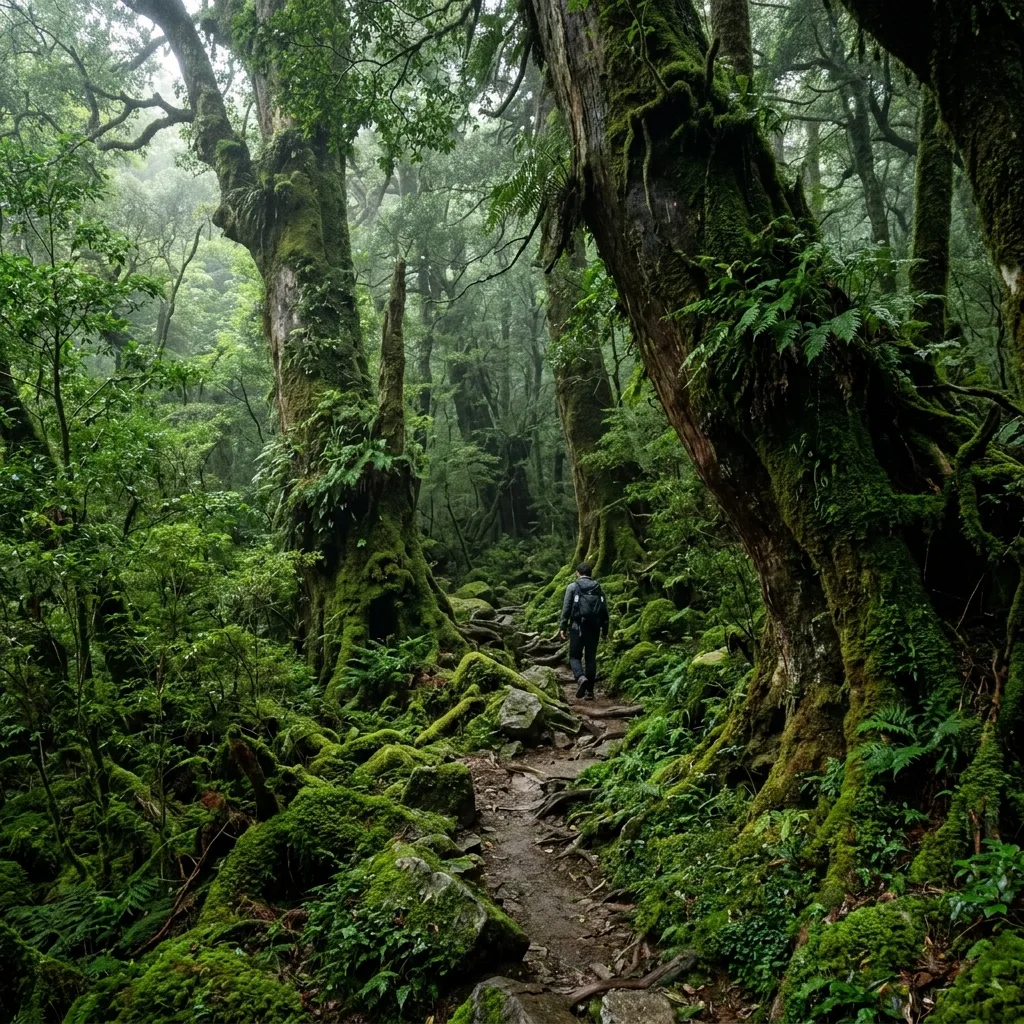
Are you dreaming of an escape to a primeval forest, where ancient trees tower over misty trails and the air hums with a profound sense of natural history? Yakushima Island, a jewel in Japan's Kagoshima Prefecture, offers just that. This subtropical haven, a UNESCO World Heritage site—much like the enchanting Shirakawa-go Gassho Village: Snow, Thatched Roofs & Day Trip Tips in central Japan—is celebrated for its unique ecosystem, dramatic mountains, and the legendary Yakusugi cedars, some of which are thousands of years old. Planning a trip to this enchanting island requires careful consideration, from navigating its remote location to understanding its conservation efforts and preparing for its famously wet weather.
Yakushima: Japan's Enchanted Forest Island
Yakushima is more than just an island; it's a living museum of nature, where the interplay of abundant rainfall and diverse altitudes has fostered an extraordinary biodiversity. Nestled off the southern coast of Kyushu, this circular island is home to Japan's oldest living trees, the Yakusugi cedars, which can live for over a thousand years. Its designation as a UNESCO World Heritage site in 1993 was a testament to its exceptional universal value, particularly its primeval forest ecosystem that boasts both subtropical and subalpine flora. The island's dramatic landscape, featuring peaks soaring over 1,900 meters and lush valleys carved by countless rivers, offers an unparalleled hiking experience that draws adventurers and nature lovers from across the globe. Whether you're seeking a challenging multi-day trek or a gentle stroll through ancient woodlands, Yakushima provides a truly immersive journey into the heart of nature. Its mystical atmosphere, often enveloped in mist, is said to have inspired the magical forest depicted in Studio Ghibli's "Princess Mononoke."
The Unique Ecosystem and Its Ancient Cedars
The island's climate is famously described as "35 days a month it rains," contributing to its incredibly rich and verdant landscape. This high rainfall, combined with the island's mountainous terrain, creates distinct climatic zones, allowing a vast array of plant life to flourish, from subtropical ferns and banyan trees at sea level to alpine plants on its highest peaks. The most iconic inhabitants are the Yakusugi cedars, a specific variety of Cryptomeria japonica found only on Yakushima. These magnificent trees, particularly those over a thousand years old, are revered for their resilience and majestic beauty. The most famous among them is Jomon Sugi, estimated to be between 2,000 and 7,200 years old, a truly ancient sentinel of the forest. The effort to protect these natural treasures is paramount, and visitors are encouraged to respect the delicate balance of this ancient ecosystem.
Hiking in Yakushima: Trails for Every Explorer
Yakushima offers a diverse range of hiking trails, catering to all levels of experience, from leisurely boardwalks to strenuous mountain ascents. Each trail provides a unique perspective on the island's natural beauty.
Jomon Sugi: A Pilgrimage to Ancient Giants
The trek to Jomon Sugi is undoubtedly Yakushima's most iconic and challenging hike. This full-day adventure (10-12 hours round trip) takes you deep into the heart of the UNESCO World Heritage area, past countless ancient cedars, over moss-covered bridges, and alongside old logging railways. The trail begins with a long, relatively flat section along the Arakawa Forest Road (closed to private vehicles for most of the year), followed by a more challenging ascent through dense forest. The sheer scale and age of Jomon Sugi are awe-inspiring, making the arduous journey well worth the effort. It's a true pilgrimage for those who wish to connect with nature's ancient wonders.
Shiratani Unsuikyo: The Mystical "Princess Mononoke" Forest
For a shorter yet equally enchanting experience, Shiratani Unsuikyo Ravine offers a network of trails through a moss-laden forest that famously inspired Hayao Miyazaki's "Princess Mononoke." Here, moss carpets every surface, creating a vibrant, emerald-green world that feels straight out of a fairy tale. Trails range from easy 1-hour walks to a more strenuous 5-hour loop that includes Taiko Iwa Rock, offering panoramic views of the island's central mountains. The most popular route is the "Moss Forest" course, which takes about 3 hours and immerses you in the ethereal beauty of the ancient cedars and lush mosses.
Yakusugi Land: Accessible Ancient Cedars
Yakusugi Land, despite its name, is not an amusement park but a beautiful nature park designed to make the ancient cedar forests accessible to a wider audience. It offers several well-maintained boardwalks and trails ranging from 30 minutes to 2.5 hours, allowing visitors to experience the grandeur of Yakusugi cedars without embarking on a full-day trek. This area is particularly good for families or those with limited time, offering stunning views and a chance to see impressive cedars like Sennensugi and Kugurisugi.
Practical Guide: Planning Your Yakushima Adventure (2026)
Planning your trip to Yakushima involves understanding the island's unique logistics, especially regarding conservation, transportation, and facilities. For a more comprehensive overview of general travel planning in Japan, including visa requirements, transportation passes, and essential logistics, refer to our Japan Travel Planning: Visa, IC Card, Rail Pass & Essential Logistics Guide.
Conservation Donations and Entry Fees
While the island doesn't charge a general national park entrance fee, visitors are strongly encouraged to contribute to its preservation. For 2026, the Mountain Environment Conservation Donation is a crucial aspect of responsible tourism. It's a voluntary contribution that supports trail maintenance, waste management, and other conservation efforts.
- Day Trip Visitors: A donation of ¥1,000 per person is requested.
- Overnight Visitors (staying on the island): A donation of ¥2,000 per person is requested.
These donations can typically be made at various points, including the airport, ferry terminals, and trailheads.
In addition to the general conservation donation, specific areas have small entry fees:
- Shiratani Unsuikyo: An entry fee of ¥500 per person (for those 16 and older) is required. This fee contributes directly to the upkeep of this popular area.
- Yakusugi Land: Similar to Shiratani Unsuikyo, Yakusugi Land has an entry fee of ¥500 per person (for those 16 and older).
How to Get There
Yakushima is accessible by air and sea. The most common entry points are Kagoshima on Kyushu mainland.
By Air:
- Kagoshima Airport (KOJ) to Yakushima Airport (KUM): JAL operates several daily flights, taking approximately 35-40 minutes. This is the fastest but often most expensive option. Booking well in advance is recommended, especially during peak seasons.
By Sea:
- Toppy & Rocket Hydrofoil (Jetfoil): This is the most popular option for many travelers. It departs from Kagoshima Port (Minato) and arrives at Miyanoura Port or Anbo Port on Yakushima. The journey takes about 2 to 3 hours, depending on the number of stops. Reservations are highly recommended, especially on weekends and holidays.
- Ferry Yakushima 2: A slower, larger car ferry that also departs from Kagoshima Port and arrives at Miyanoura Port. The journey takes about 4 hours. This is a more economical option and allows you to bring a car, though renting one on the island is often more convenient.
Getting Around Yakushima: Once on the island, navigating Yakushima primarily involves buses or rental cars. Public transportation, while available, can be infrequent, particularly in more remote areas, and schedules are limited. The main bus routes connect the airport and ports to the key towns of Miyanoura and Anbo, and to the trailheads of Shiratani Unsuikyo and Yakusugi Land. For the Jomon Sugi hike, a special Arakawa Shuttle Bus operates during peak season (March to November), replacing private vehicle access to the Arakawa trailhead. It is crucial to purchase shuttle bus tickets in advance from locations such as the Yakushima Environmental Culture Village Center, tourist information centers, or various local shops. The cost is approximately ¥1,400–¥2,000 round trip.
For maximum flexibility and convenience, renting a car is highly recommended. This allows you to explore the island at your own pace, reach various trailheads easily, and discover hidden gems. Car rental agencies, including major brands like Toyota Rent-a-Car and Nissan Rent-a-Car, have offices conveniently located at Yakushima Airport and near the Miyanoura and Anbo ports. Be aware that driving on Yakushima involves narrow, winding mountain roads, some without guardrails, so caution and confident driving skills are advised. Ensure you understand the car rental company's policies regarding insurance and drop-off points.
Booking Links and Resources (2026)
For guided tours, accommodation, and transportation, several resources are available to help you plan your 2026 trip:
- Guided Tours:
- Yakushima Experience: Offers various guided hiking tours for Jomon Sugi, Shiratani Unsuikyo, and other areas, providing expert local knowledge and handling logistics. (Website:
yakushimaexperience.com) - YES Yakushima: A highly regarded resource offering a free booking service for accommodation and tours, as well as comprehensive information about the island. (Website:
yesyakushima.com) - Klook / GetYourGuide: These international platforms often list a variety of tours for Yakushima, providing options for different budgets and preferences. Search for "Yakushima hiking tours" or "Jomon Sugi tour" to compare offerings.
- Yakushima Experience: Offers various guided hiking tours for Jomon Sugi, Shiratani Unsuikyo, and other areas, providing expert local knowledge and handling logistics. (Website:
- Transportation:
- Toppy & Rocket Hydrofoil: Check their official website for updated schedules and online booking for fast ferry services from Kagoshima.
- JAL (Japan Airlines): For flight bookings from Kagoshima Airport to Yakushima Airport.
- Car Rentals: Reserve well in advance, especially during peak seasons. Search directly for agencies like Toyota Rent-a-Car and Nissan Rent-a-Car on Yakushima.
- Accommodation: Yakushima offers a diverse range of lodging options. From luxurious resorts and hotels in Miyanoura and Anbo to charming guesthouses (minshuku) that provide a more local experience, and even budget-friendly hostels. Consider booking well in advance, especially if traveling during Japan's Golden Week (early May), Obon holidays (mid-August), or cherry blossom season, as popular options fill up quickly. Websites like Booking.com, Agoda, and Rakuten Travel are good starting points, but also explore local listings for unique guesthouses.
Food and Dining on Yakushima
While Yakushima is primarily known for its nature, you'll find a decent selection of dining options, mainly concentrated in the larger towns of Miyanoura and Anbo. Local cuisine often features fresh seafood, including flying fish (tobiuo) which is a specialty, and various locally grown vegetables.
- Restaurants: Expect a mix of traditional Japanese izakayas, casual eateries serving set meals (teishoku), and some cafes.
- Supermarkets/Convenience Stores: These are available in Miyanoura and Anbo, where you can stock up on snacks, drinks, and ingredients for packed lunches for your hikes. Limited options exist outside these towns.
- Trail Snacks: It's highly advisable to prepare packed lunches and sufficient water before heading to the trails, as facilities are non-existent or extremely limited once you are deep within the forests.
Tips & Common Mistakes for Yakushima Hiking
Yakushima's unique environment demands respect and preparation. Avoiding common pitfalls will significantly enhance your experience.
Prepare for Rain, Always
Yakushima is infamous for its rainfall. The local saying goes, "it rains 35 days a month." Even on what appears to be a clear morning, weather can change rapidly in the mountains.
- Waterproof Gear is Essential: Invest in high-quality waterproof hiking boots, rain jacket, and rain pants. A waterproof backpack cover is also highly recommended.
- Layering: Dress in layers, as temperatures can vary significantly from the coast to higher altitudes and throughout the day.
- Pack Dry Clothes: Always have a set of dry clothes and a towel waiting for you back at your accommodation.
- Protect Electronics: Use waterproof bags or cases for your phone, camera, and other electronics.
Understand Trail Difficulty and Your Limits
While some trails are accessible, others are very strenuous and require good physical condition and proper gear.
- Jomon Sugi: This is an advanced hike. Do not underestimate its length and elevation gain. If you are not an experienced hiker, consider a guided tour.
- Shiratani Unsuikyo: Offers various routes. Choose a course that matches your fitness level. The Taiko Iwa Rock route involves some scrambling and can be slippery when wet.
- Start Early: Especially for longer hikes like Jomon Sugi, starting before dawn is often necessary to complete the trek before dark and catch the last shuttle bus.
Respect the Environment and Local Rules
Yakushima's natural beauty is fragile. Adhering to conservation guidelines is vital. For broader insights into Japanese customs and etiquette, which can enhance any travel experience, consult our Japanese Culture Guide: Customs, Etiquette, Do’s and Don’ts for Travelers.
- Stay on Marked Trails: This protects the delicate mosses and plant life.
- Take Nothing but Pictures, Leave Nothing but Footprints: Do not disturb flora or fauna, and carry out all your trash.
- Use Designated Toilets: Especially important on long trails to prevent environmental contamination.
- Arakawa Shuttle Bus: If hiking Jomon Sugi during the restricted period (March to November), you must use the shuttle bus. Private vehicle access to the trailhead is prohibited to reduce traffic and environmental impact. Ensure you have your ticket purchased in advance.
Don't Underestimate the Logistics
Yakushima is remote, and some services can be limited, especially outside the main towns.
- Book in Advance: Accommodation, flights, hydrofoils, and popular guided tours (especially for Jomon Sugi) should be booked well in advance, particularly during peak seasons (spring, autumn, Golden Week, Obon).
- Food and Supplies: While there are shops and restaurants in Miyanoura and Anbo, options can be limited in other areas. Pack sufficient snacks and water for your hikes.
- Cash: While credit cards are accepted in some places, it's always wise to carry enough Japanese Yen, especially for smaller shops, bus fares, and trailside stalls.
FAQ: Your Questions About Yakushima Answered
Q1: Is Yakushima suitable for beginner hikers?
A1: Yes, Yakushima offers trails for all levels. Shiratani Unsuikyo has shorter, well-maintained paths, and Yakusugi Land provides accessible boardwalks through ancient forests. However, challenging hikes like Jomon Sugi require good fitness and preparation.
Q2: Do I need a guide for hiking on Yakushima?
A2: For shorter, well-marked trails like some routes in Shiratani Unsuikyo and Yakusugi Land, a guide is not strictly necessary. However, for the Jomon Sugi trek, especially if you are not an experienced hiker or unfamiliar with the terrain, a licensed local guide is highly recommended for safety, navigation, and insightful commentary on the island's ecosystem. Guides also assist with shuttle bus bookings and logistics.
Q3: What is the best time of year to visit Yakushima?
A3: Yakushima is beautiful year-round, but spring (March to May) and autumn (October to November) are generally considered the best. Spring offers lush greenery and blooming rhododendrons, while autumn provides stunning fall foliage. Summer (June to September) can be very hot and humid with frequent typhoons, and winter (December to February) can bring snow to higher elevations, requiring specialized gear.
Q4: Can I see monkeys and deer on Yakushima?
A4: Yes! Yakushima is famous for its indigenous macaque monkeys (Yakushima macaques) and sika deer (Yakushika), which are often seen along roadsides and even on some hiking trails. They are wild animals, so observe them from a respectful distance and never feed them.
Q5: What kind of accommodation is available on Yakushima?
A5: Yakushima offers a range of accommodation, from luxury resorts and hotels to charming guesthouses (minshuku), traditional ryokan, and budget-friendly hostels. The main towns of Miyanoura and Anbo have the most options. Booking in advance is crucial, especially during peak seasons, as choices can be limited due to the island's remote nature.
Conclusion
Yakushima Island stands as a testament to nature's enduring power and beauty, offering an escape unlike any other. Its ancient cedar forests, mystical moss-covered landscapes, and diverse hiking trails promise an adventure that rejuvenates the spirit and deepens your connection to the natural world. From the challenging ascent to Jomon Sugi to the serene beauty of Shiratani Unsuikyo, every path on Yakushima reveals a new wonder. By respecting its delicate ecosystem, preparing for its unpredictable weather, and planning your logistics thoughtfully, you'll be well on your way to an unforgettable journey. So pack your rain gear, lace up your boots, and prepare to step into a world where time seems to stand still, where ancient giants whisper tales of millennia, and where every corner reveals a breathtaking vista. Your adventure to Japan's enchanted forest island awaits!