Cycling Korea's Four Rivers Rail Trail: Complete Bike Path Guide
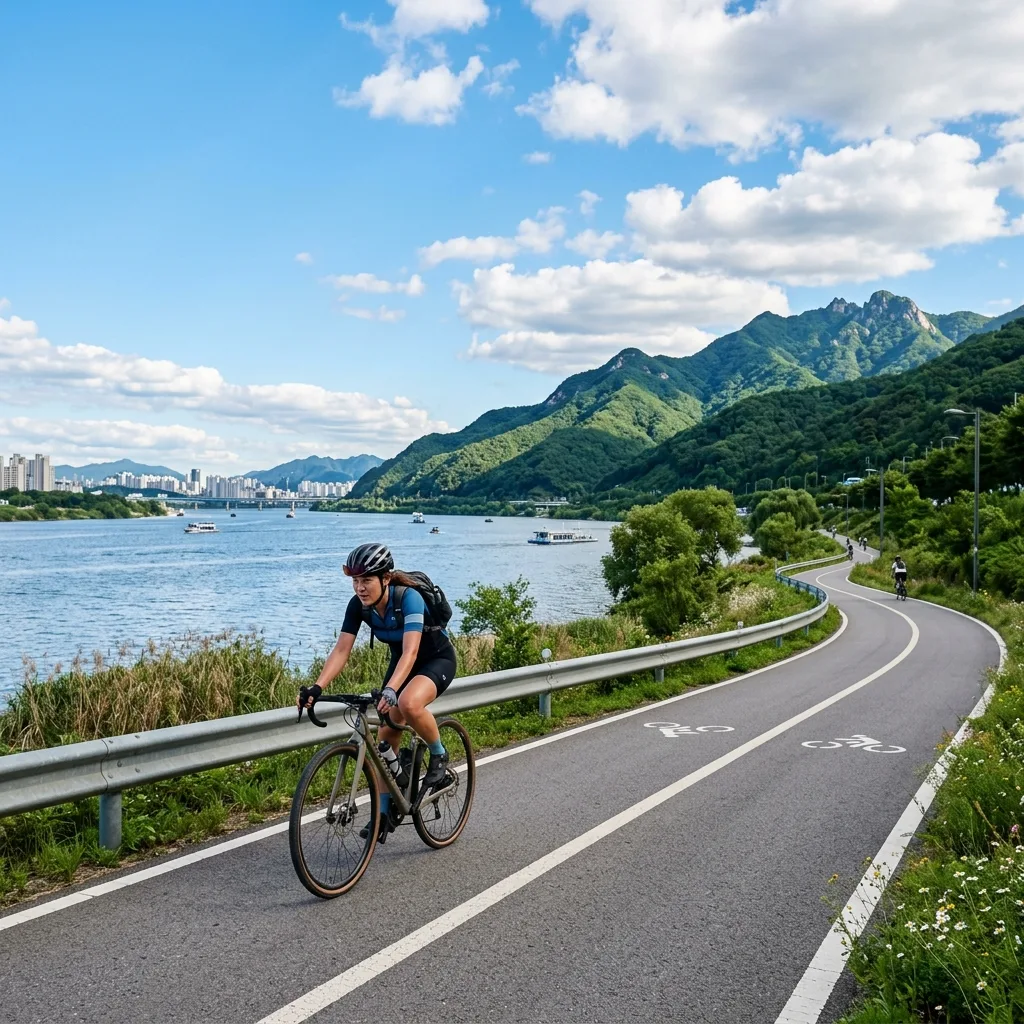
The hum of tires on asphalt, the gentle breeze carrying the scent of pine, and ancient temples flickering past in a blur – there’s no better way to truly experience South Korea’s diverse landscapes and rich cultural tapestry than by bicycle. And at the heart of this two-wheeled adventure lies the magnificent Four Rivers Rail Trail, a network of meticulously maintained bike paths that crisscross the peninsula, inviting cyclists of all levels to embark on an unforgettable journey. But navigating such an extensive network, especially as an international traveler, can seem daunting. What are the best routes? How do you rent a bike? Are there any crucial 2026 updates to be aware of? This guide will cut through the confusion, offering a complete, practical roadmap to help you plan and execute your epic cycling adventure along Korea's iconic Four Rivers.
The Four Rivers Rail Trail, officially known as the 4 Rivers Cross-Country Cycling Road, is South Korea's premier long-distance cycling network, stretching over 633 kilometers from Incheon on the west coast to Busan on the southeast. It offers a unique blend of natural beauty, historical sites, and modern infrastructure, making it a dream destination for avid cyclists and casual riders alike. With key routes following the Han, Nakdong, Geum, and Yeongsan rivers, the trail provides an unparalleled perspective on the country's geography and culture.
Unveiling the Four Rivers Rail Trail: Routes and Highlights
South Korea's Four Rivers Rail Trail is more than just a bike path; it's a national endeavor to connect the country's major waterways and provide an eco-friendly way to explore its heartland. The network comprises several distinct yet interconnected routes, each offering unique scenery and challenges. The most famous is the Cross-Country Cycling Road, linking Incheon’s Ara West Sea Lock to Busan’s Eulsukdo Migratory Bird Park, covering approximately 633 km.
The Han River Bicycle Path (Seoul to Chungju)
Beginning at the Ara West Sea Lock, this path traces the mighty Han River through the bustling metropolis of Seoul, past iconic landmarks, and into the serene countryside. You'll cycle alongside parks, historic sites like the Korean Fortress Walls: Hiking the Seoul City Wall and Suwon Hwaseong and traditional markets. The path is largely flat and well-maintained, making it an excellent starting point for any rider. As you venture further east, the urban sprawl gives way to more natural landscapes, culminating in the beautiful Paldangho Lake and ultimately connecting towards Chungju.
The Nakdong River Bicycle Path (Andong to Busan)
Often considered the most scenic and challenging section, the Nakdong River path winds through dramatic mountain ranges, historic villages, and vast agricultural plains. This route offers a true test of endurance, with some significant climbs, but rewards cyclists with breathtaking vistas and a sense of accomplishment. Key cultural stops along this river include Andong Hahoe Folk Village and Haeinsa Temple. The end point in Busan is Eulsukdo, a significant ecological park.
The Geum River Bicycle Path (Daejeon to Gunsan)
Flowing through the central-western part of Korea, the Geum River path offers a gentler ride with its expansive wetlands and tranquil farmlands. This section is particularly rich in historical significance, passing by ancient Baekje Kingdom sites and connecting cities like Daejeon and Buyeo. It culminates at the estuary in Gunsan, a port city with a fascinating modern history.
The Yeongsan River Bicycle Path (Damyang to Mokpo)
The shortest of the four main river paths, the Yeongsan River route is known for its picturesque bamboo forests in Damyang and the vibrant port city of Mokpo. This region offers a glimpse into Korea's southern charm and slower pace of life, with numerous opportunities to sample local delicacies.
Connecting Trails and 2026 Expansions
Beyond the core four rivers, several connecting trails link these major arteries, creating a truly comprehensive national network. For 2026, a significant development is the full opening of the Dongseo Trail, a monumental 849km coast-to-coast route from Taean (West Sea) to Uljin (East Sea). While not strictly part of the original Four Rivers network, this new trail significantly expands the country's cycling opportunities, offering an alternative long-distance challenge. Expect improved connections and smoother links in the Cheonan-Sejong area and new scenic paths around Daecheong Lake, enhancing the overall experience for cyclists.
Planning Your Journey: Essential Logistics and Considerations
Embarking on a multi-day cycling trip requires careful planning. From choosing the right time of year to understanding bike rentals and navigation, these practical tips will ensure a smooth and enjoyable adventure.
Best Time to Cycle
The shoulder seasons of spring (April-June) and autumn (September-November) are by far the best times to cycle the Four Rivers Rail Trail. During these months, the weather is mild, skies are clear, and the natural scenery is at its most vibrant – cherry blossoms in spring and fiery foliage in autumn. Summer (July-August) can be hot and humid with frequent monsoon rains, while winter (December-March) brings freezing temperatures and snow, making cycling challenging and some sections inaccessible.
Bike Rentals: Options for Every Rider
Your choice of bike rental depends on the length and nature of your trip.
For Long-Distance / Cross-Country Riders (Incheon to Busan): Specialized rental shops cater to the full Four Rivers experience, offering high-quality touring bikes, e-bikes, and crucial services like one-way rental and luggage transfer.
- Bike Rental Korea, BikeroPros, and Bike Nara are popular choices, often providing English-speaking support.
- Prices (Estimated): Expect around ₩350,000–₩400,000 (~$280 USD) for a hybrid/touring bike for a 7-10 day trip, and ₩600,000+ (~$480 USD) for an e-bike. Daily rates typically range from ₩25,000 to ₩40,000.
- Services: Many offer one-way rental where you pick up in Seoul and drop off in Busan (or vice-versa), often with an additional fee of ₩25,000–₩50,000 for bike transportation. Luggage transfer services are also commonly available, allowing you to cycle light.
- Operating Hours: Generally, these shops operate from 9:00 AM to 6:00 PM or 7:00 PM. It's advisable to book well in advance, especially during peak seasons.
For Short-Term / Casual Rides (e.g., Han River Section in Seoul): If you're only looking to experience a smaller section, perhaps just for a day in Seoul, simpler options are available.
- Seoul Public Bike (Ttareungyi): An excellent, affordable option for short rides in urban areas. Rent for ₩1,000 for 1 hour or ₩2,000 for 2 hours, with all-day passes around ₩5,000. Available 24/7 via mobile app.
- Park Rental Stations: Located in major parks like Yeouido or Banpo. Expect ₩3,000–₩5,000 per hour for standard bikes, and more for specialty bikes. Operating hours are typically 10:00 AM to 6:00 PM/7:00 PM, seasonal variations apply.
The Bike Passport and Certification System
A unique and rewarding aspect of cycling the Four Rivers Rail Trail is the National Bicycle Path Certification System.
- The Bike Passport: Purchase a physical "Bike Passport" for approximately ₩4,000–₩5,000 (~$4-5 USD) at major certification centers (e.g., Ara West Sea Lock in Incheon, Eulsukdo in Busan).
- Stamping Your Progress: Along the routes, you’ll find distinctive red phone booth-like structures containing ink stamps. Each stamp corresponds to a specific section of the trail. Collect all the stamps in your passport as you complete each section.
- Medals and Certificates: Upon collecting all stamps for a specific route (e.g., the Cross-Country route or one of the individual river routes), you can present your passport at a final certification center (usually at the start/end points) to receive an official certificate and a commemorative medal. This is a cherished souvenir and a testament to your achievement. For international tourists, on-the-spot issuance at final centers is often possible.
Navigation Tools
While the paths are generally well-signed, a reliable navigation app is indispensable.
- Naver Maps & Kakao Maps: These are the most accurate and detailed mapping apps for South Korea. Crucially, switch to "Bicycle" mode for specific bike path routing. Google Maps is less effective for local bike paths.
- Komoot: Popular among international cyclists for its detailed routing and offline map capabilities.
- GPS Devices: Many serious cyclists use dedicated GPS devices which can be loaded with GPX tracks of the routes.
Accommodation and Luggage
- Accommodation: Along the popular Cross-Country route, you'll find a range of accommodations, from budget-friendly motels (Motel, Yeogwan) to guesthouses and hotels. Booking ahead is recommended during peak seasons.
- Luggage Transfer: If you opt for a one-way bike rental, many providers also offer luggage transfer services. Alternatively, some larger towns have intercity bus terminals that can transport luggage, or you can use local courier services.
Tips for a Smooth Ride and Common Mistakes to Avoid
Even with careful planning, unexpected situations can arise. Here are some insider tips and common pitfalls to steer clear of.
Essential Packing List
- Hydration: Carry plenty of water, especially on longer stretches. Refill stations are available, but not always frequent.
- Snacks: Energy bars, nuts, and fruit are crucial for maintaining energy levels.
- Sun Protection: Sunscreen, a hat, and sunglasses are vital, even on cloudy days.
- Basic Repair Kit: A spare tube, tire levers, a patch kit, and a small pump can save you from a long walk.
- First-Aid Kit: Blisters, cuts, and scrapes are common on long rides.
- Portable Charger: Keep your phone and navigation devices charged.
- Comfortable Cycling Gear: Padded shorts are a game-changer!
- Layers: Weather can change quickly, especially in mountainous areas.
Stay Safe on the Trail
- Helmet: Always wear a helmet. Safety first!
- Lights: Ensure your bike has front and rear lights, especially if you plan to ride near dawn or dusk, or through any tunnels.
- Awareness: Be aware of other cyclists, pedestrians, and occasional motor scooters on shared paths.
- Emergency Numbers: Know the local emergency numbers (119 for ambulance/fire, 112 for police).
Common Mistakes to Avoid
- Underestimating Distances: While the paths are well-maintained, the full Cross-Country route is challenging. Don't overschedule your daily mileage.
- Ignoring Weather Forecasts: A sudden downpour or heatwave can drastically impact your ride. Check forecasts regularly.
- Lack of Hydration/Nutrition: Dehydration and bonking (hitting the wall) are real risks. Eat and drink consistently.
- Not Carrying Cash: While cards are widely accepted, some smaller vendors or remote shops might only take cash.
- Relying Solely on Google Maps: As mentioned, for bike paths, Naver Maps or Kakao Maps are far superior in Korea.
- Forgetting Your Bike Passport: This is your key to the certification system and a fantastic souvenir!
Beyond the Path: Exploring Korean Culture
Your cycling adventure isn't just about the miles; it's also a fantastic opportunity to immerse yourself in Korean culture.
- Temple Stays: Consider booking a Temple Stay Programs in Korea: A Guide to Finding Inner Peace along your route for a unique cultural and spiritual experience. Many temples are located in serene mountain settings, offering a peaceful break from cycling.
- Jjimjilbangs: After a long day of cycling, there’s nothing quite like relaxing in a Korean bathhouse. A Ultimate Guide to Jjimjilbang: How to Use a Korean Sauna Like a Local offers saunas, hot tubs, and a chance to unwind like a local.
- Local Cuisine: Don't miss out on the incredible local food. Each region has its specialties, from spicy stews to fresh seafood. Stop at a local market or restaurant to refuel.
- Festivals: Check if any local festivals are happening along your route. Korea has a vibrant festival culture year-round.
Practical Guide: Hours, Admission, and Booking
Four Rivers Rail Trail Access
- Opening Hours: The trails themselves are generally open 24/7, though cycling at night is not recommended due to visibility and safety. Support facilities (rental shops, certification centers) have specific operating hours (typically 9 AM - 6 PM/7 PM).
- Admission Fees: Access to the bike paths themselves is free. You only pay for bike rentals, accommodations, food, and the optional Bike Passport and related certification.
- Certification Centers: These are usually open during daylight hours. It's best to check the specific operating times of the centers you plan to visit, especially the final ones for medal collection.
Booking Essential Services
- Bike Rental: For long-distance tours, book your bike well in advance, especially during peak seasons (spring and autumn). Contact providers like Bike Rental Korea or BikeroPros directly through their websites.
- Accommodation: While some cyclists prefer to find accommodation on the fly, booking ahead, particularly in smaller towns or popular tourist spots, is advisable to ensure availability and secure the best rates. Use global booking platforms or local Korean sites like Agoda or Naver.
- Luggage Transfer: Arrange this directly with your bike rental company or inquire at local tourist information centers for recommended courier services.
- Flights & KTX: For getting to and from your starting and ending points, domestic flights or the KTX (Korea Train eXpress) high-speed rail are excellent options. Remember, for 2026, the GTX-A full connection to Seoul Station and Incheon's new KTX station will significantly improve transit with bikes. Always check train company policies on transporting bicycles; often, bikes need to be dismantled or bagged.
FAQ: Your Cycling Questions Answered
Q: Is the Four Rivers Rail Trail suitable for beginners?
A: While sections of the trail, particularly the Han River path around Seoul, are very beginner-friendly and mostly flat, the full Cross-Country route includes significant climbs, especially along the Nakdong River. Beginners can enjoy shorter, flatter segments. For the full route, a moderate level of fitness and cycling experience is recommended. E-bikes can make the entire route more accessible.
Q: How many days does it take to complete the full Cross-Country route?
A: Most cyclists take between 5 to 10 days to complete the 633km Cross-Country route, depending on their fitness level, daily mileage goals, and how many stops they make for sightseeing. A comfortable pace would be around 7 days.
Q: Can I wild camp along the trail?
A: Wild camping is generally discouraged and often illegal in South Korea. However, there are designated campsites along the route, and the Dongseo Trail, fully opening in 2026, specifically features 44 designated camping sites. It's best to utilize established campgrounds or accommodations.
Q: Do I need to speak Korean to cycle the trail?
A: While not strictly necessary, knowing a few basic Korean phrases can be very helpful, especially outside major cities. Many locals are friendly and willing to assist, but English proficiency might be limited in rural areas. Navigation apps are key!
Q: What should I do if I have a mechanical issue with my bike?
A: It's always wise to carry a basic repair kit. Along the more popular sections of the trail, you might find small bike shops in towns. For more significant issues, you may need to find a way to transport your bike to a larger city. Some rental companies offer roadside assistance or have agreements with local repair shops.
Conclusion: Your Korean Cycling Adventure Awaits
The Four Rivers Rail Trail offers an unparalleled opportunity to explore the natural beauty and rich cultural heritage of South Korea. From the bustling urban landscapes of Seoul to the serene river valleys and dramatic mountain passes, each pedal stroke brings a new discovery. With the exciting developments in 2026, including new trail connections and improved transit options, there’s never been a better time to embark on this epic journey. So, pack your bags, prepare your bike passport, and get ready for an adventure that promises not just stunning scenery, but a profound connection with the heart and soul of Korea. Your complete bike path guide is here – now go forth and cycle!