Tibet Travel Permit Guide: How to Enter Tibet Legally & Responsibly

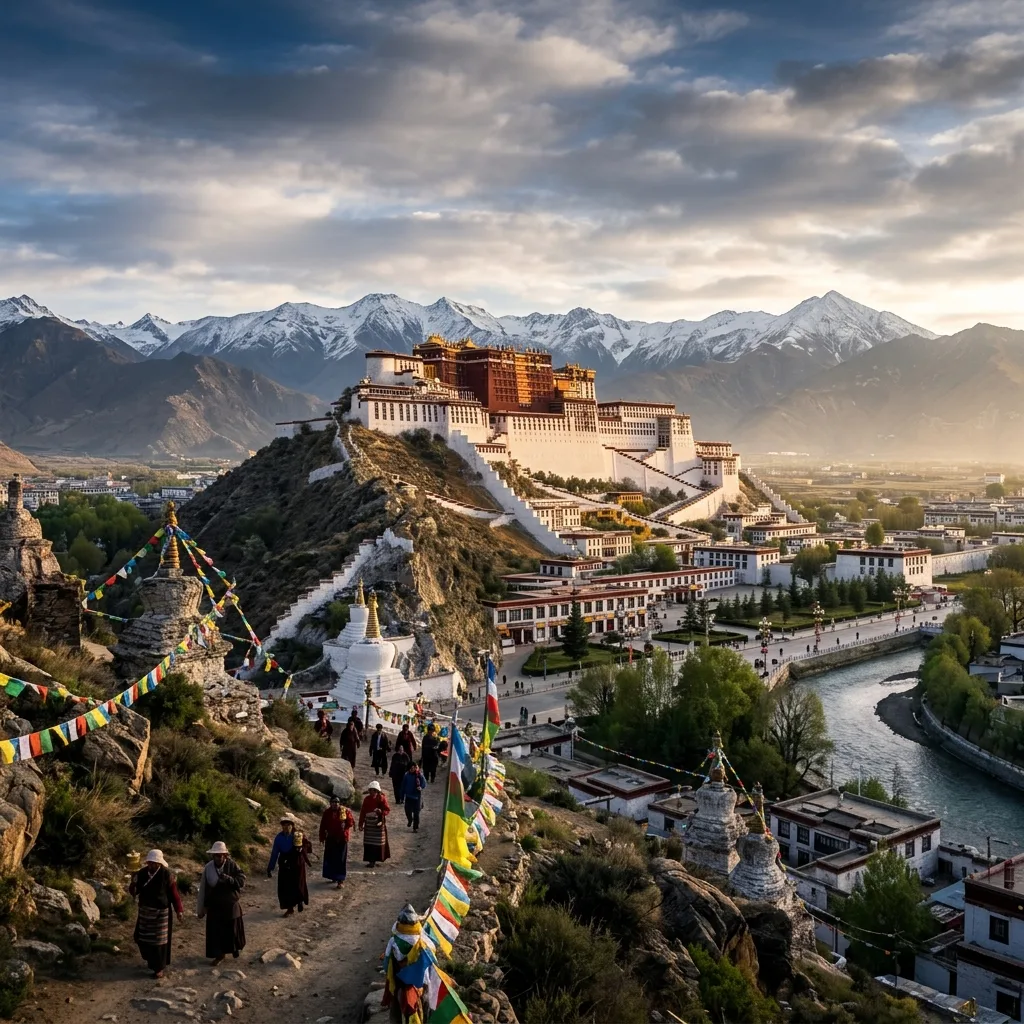
Planning a trip to the Roof of the World, Tibet, is an adventure of a lifetime, but it comes with a unique set of entry requirements. Unlike most destinations, independent travel is not permitted for foreigners, and securing a Tibet Travel Permit (TTP) is your absolute first step. This guide will cut through the confusion, offering clear, up-to-date information for 2026 on how to obtain your permit legally and responsibly, ensuring your journey to this mystical land is as smooth as the serene Himalayan peaks.
Obtaining a Tibet Travel Permit (TTP) is an indispensable requirement for all foreign passport holders wishing to visit the Tibet Autonomous Region. This permit is crucial not only for entering Tibet but also for boarding any flight or train bound for Lhasa, emphasizing the controlled nature of foreign tourism in the region. The process, while strict, ensures that travelers experience Tibet responsibly and respectfully, always accompanied by licensed guides as part of organized tours.
Understanding the Tibet Travel Permit in 2026: The Gateway to the Roof of the World
The allure of Tibet—its ancient monasteries, breathtaking landscapes, and profound spiritual heritage—draws travelers from across the globe. However, unlocking this mystical land requires more than just a plane ticket and a passport. For foreign visitors, the Tibet Travel Permit (TTP) is an essential document, acting as your official pass to the Tibet Autonomous Region (TAR). In 2026, while China's visa policies have seen some liberalization, the fundamental rules governing entry into Tibet remain steadfast: no independent travel, and the TTP is non-negotiable.
What is the Tibet Travel Permit (TTP)? The TTP is a special permit issued by the Tibet Tourism Bureau (TTB) that all non-Chinese passport holders must possess to enter and travel within the Tibet Autonomous Region. It's distinct from a Chinese Visa and is an additional layer of authorization required specifically for Tibet. Without it, you cannot board flights or trains destined for Lhasa or any other entry point into Tibet.
Key Requirements for 2026:
- Mandatory Organized Tour: The most crucial rule to understand is that independent travel in Tibet is strictly forbidden for foreigners. You must book your tour through a licensed Tibetan travel agency. This agency will be responsible for obtaining your TTP and arranging all aspects of your itinerary, including transportation, accommodation, and the services of a licensed Tibetan guide.
- Licensed Guide Requirement: Throughout your entire stay in Tibet, you must be accompanied by a licensed Tibetan guide. This ensures not only your safety and compliance with local regulations but also provides invaluable cultural and historical insights into the region.
- Fixed Itinerary: Your TTP will be issued based on a pre-planned itinerary submitted by your travel agency. Deviating from this itinerary once in Tibet is not permitted and can lead to serious complications.
- China Visa First (Mostly): For most nationalities, a valid Chinese Tourist (L) Visa is a prerequisite for applying for the TTP. For a detailed guide on obtaining your Chinese Visa, see our China Tourist Visa Guide: Requirements, Process & Time to Apply. However, a significant development for 2026 is China's expanded visa-free policies. Citizens from over 80 countries (including many European nations, Australia, New Zealand, Malaysia, and Singapore) can now enter China visa-free for 15 to 30 days. If you qualify for visa-free entry into mainland China, you only need to provide a scan of your passport to your travel agency for the TTP application. Ensure your total stay, including Tibet, falls within your visa-free duration.
- No March Closure (Expected): In a welcome change for 2026, Tibet is expected to remain open to foreign visitors during February and March. Historically, these months, particularly around the Tibetan New Year (Losar), have seen closures to foreigners. Always confirm the latest status with your travel agency, but this offers greater flexibility for early spring travel.
Understanding these foundational requirements is paramount. The TTP process, while seemingly complex, is designed to regulate tourism and protect the unique culture and environment of Tibet. By working with a reputable agency, you ensure compliance and a hassle-free journey.
The Step-by-Step Tibet Travel Permit Application Process for 2026
Navigating the application process for the Tibet Travel Permit can feel daunting, but it becomes straightforward once you understand the necessary steps and the role of your travel agency. Remember, you cannot apply for the TTP directly; it must be handled by a licensed tour operator.
Phase 1: Pre-Application & Tour Booking
- Choose a Licensed Tibet Travel Agency: This is arguably the most critical step. Research and select a reputable agency specializing in Tibet tours. They will be your primary contact and facilitator for the entire process. Look for agencies with good reviews, clear communication, and extensive experience. For a comprehensive guide to travel planning in China, including essential logistics, read our China Travel Planning: Visa, WeChat Pay, High-Speed Rail & Practical Guide.
- Plan Your Itinerary: Work with your chosen agency to finalize your travel dates, desired destinations within Tibet (e.g., Lhasa, Everest Base Camp, Mount Kailash), and tour duration. This itinerary will be submitted as part of your TTP application, so it needs to be concrete.
- Secure Your Chinese Visa (If Required): If your nationality is not eligible for China's visa-free entry, you must obtain a valid Chinese Tourist (L) Visa before your agency can apply for your TTP. Apply for this well in advance from the Chinese Embassy or Consulate in your home country.
- Entering from Nepal: If your entry point into Tibet is from Kathmandu, Nepal, a different rule applies. You will need a Chinese Group Tourist Visa, issued by the Chinese Embassy in Kathmandu. This is required even if you already possess a standard Chinese Visa. Your travel agency will assist in arranging this; typically, a minimum group size (often 5 people) is required, and all members must visit the embassy together.
Phase 2: Document Submission to Your Agency
- Provide Required Documents: Once your tour is booked and your Chinese Visa (if needed) is secured, you'll need to send clear, high-resolution scans of the following to your travel agency:
- Passport: A scan of the main photo page of your passport, valid for at least six months beyond your planned departure date from China.
- Chinese Visa (if applicable): A scan of your valid Chinese Visa page. If you are entering China visa-free, explicitly state this to your agency.
- Tibet Travel Permit Application Form: Your agency will provide this form for you to fill out.
Phase 3: Agency Processing & Permit Issuance
- Agency Submits to Tibet Tourism Bureau (TTB): Your travel agency will compile all your documents and submit them to the Tibet Tourism Bureau in Lhasa. The TTB is the sole authority responsible for issuing TTPs.
- Processing Time:
- Standard Permit: Allow approximately 8-10 working days for the TTB to process the standard Tibet Travel Permit.
- Restricted Areas: If your itinerary includes sensitive or restricted areas like Mount Kailash or parts of Ngari Prefecture, additional permits (Aliens' Travel Permit, Military Area Entry Permit) are required. These can take significantly longer, up to 20-30 days to process. Therefore, it's highly recommended to book these types of tours at least 45-60 days in advance.
- Avoid Peak Times: During major Tibetan festivals (like Losar) or Chinese national holidays, processing times can be longer, and the permit offices may even be closed. Plan accordingly.
- Permit Delivery: The TTB issues a physical paper copy of the TTP. You cannot board any transportation to Tibet without this original document. Your travel agency will typically arrange for the permit to be delivered to your hotel in your chosen "gateway city" in mainland China (e.g., Chengdu, Beijing, Shanghai, Xi'an) just before your departure to Lhasa. Alternatively, for some train departures, a representative might hand it to you at the station. Ensure you carry it with you at all times during your trip.
Important Considerations for 2026:
- Start Early: Given the processing times and the need for a Chinese Visa (for some), it’s always best to start planning and booking your Tibet trip at least 1.5 to 2 months before your intended travel date.
- Flexibility: While planning, try to maintain a degree of flexibility with your travel dates, especially if applying during peak seasons or for restricted areas, as permit issuance dates can sometimes shift.
By meticulously following these steps with the guidance of a trusted travel agency, you can confidently navigate the TTP application process and look forward to an unforgettable journey into Tibet.
Costs Associated with Your Tibet Travel Permit and Tour in 2026
When planning your journey to Tibet, it’s essential to understand the financial implications, particularly concerning the Tibet Travel Permit (TTP) and associated tour costs. While the TTP itself is often quoted as "free," this can be misleading. Here’s a breakdown of what to expect in 2026:
1. The Tibet Travel Permit (TTP) - Officially Free, Practically Not
- Official Stance: The Tibet Travel Permit, issued by the Tibet Tourism Bureau, technically has no government fee. You do not pay a direct fee to the TTB for its issuance.
- The Reality: Agency Service Fees: Since foreign travelers are legally mandated to enter Tibet as part of an organized tour and cannot apply for the TTP independently, the "cost" of the permit is inherently bundled into your tour package. Licensed travel agencies charge a service fee for handling the complex application process, liaising with the TTB, and arranging the necessary paperwork. This administrative and delivery fee is usually integrated into the overall tour price, but if separated, it might be valued at approximately $50-$100 USD.
2. Mandatory Tour Package Costs
This is where the primary expense for entering Tibet lies. Because you must travel with a licensed agency and guide, you'll need to purchase a tour package. Prices vary significantly based on:
- Duration: Longer tours are naturally more expensive.
- Itinerary: Tours to remote areas (e.g., Everest Base Camp, Mount Kailash) are more costly due to additional permits, specialized logistics, and longer travel distances.
- Group Size: Small group tours are generally more budget-friendly than private tours.
- Inclusions: What’s covered (accommodation level, meals, transportation quality) will affect the price.
Typical Tour Price Ranges (2026 Estimates):
- 4-Day Lhasa City Tour: Expect to pay roughly $500 - $800 USD per person for a group tour.
- 8-Day Lhasa to Everest Base Camp Tour: This popular itinerary typically ranges from $900 - $1,200 USD per person for a group tour.
- Extended or Specialized Tours (e.g., Mount Kailash Trek): These can cost upwards of $2,000 - $4,000+ USD, depending on the length and level of service.
3. Additional Permits for Restricted Areas
Beyond the main TTP, certain regions require further authorization:
- Aliens' Travel Permit (ATP): This is needed for areas outside Lhasa and its immediate surroundings, such as Shigatse, Gyantse, and Everest Base Camp. The official fee for the ATP is approximately 50 CNY (~$7 USD) per person, which your guide typically collects and pays on your behalf during the tour.
- Military Area Entry Permit: Required for very sensitive border areas like Mount Kailash (Ngari Prefecture). The processing for this permit is intricate and is entirely handled by your travel agency, with its cost usually embedded within the specialized tour package for these regions. You will rarely see a separate charge for this.
4. Related Travel Expenses to Budget For
Don't forget these additional costs when planning your overall budget:
- Chinese Visa: If you're not from a visa-free country, a Chinese Tourist (L) Visa can cost anywhere from $60 to $140 USD, depending on your nationality and application location. For more details on the latest entry requirements for China, refer to our China Entry Requirements 2026: Visas, Transit Rules & Arrival Process. Remember, several nationalities now enjoy visa-free entry to mainland China for 15-30 days in 2026, which can save you this fee—but the TTP is still required.
- Flights/Trains to China Gateway City: The cost of international travel to your entry city in mainland China (e.g., Chengdu, Beijing, Shanghai) before heading to Tibet.
- Domestic Flights/Trains to Lhasa: The cost of internal transportation from your Chinese gateway city to Lhasa. Your travel agency can often book these for you.
- Personal Expenses: Budget for souvenirs, extra snacks, drinks, tips for your guide and driver, and any personal medical supplies.
- Travel Insurance: Highly recommended for any international trip, especially to a high-altitude region like Tibet.
Summary of Key Costs (2026 Estimates):
| Item | Typical Cost (USD) | Notes |
|---|---|---|
| Tibet Travel Permit (TTP) | $0 (official); $50-$100 (agency service) | Integrated into tour package; agency fee for processing & delivery. |
| Mandatory Tour Package | $500 - $4000+ | Varies by duration, itinerary, group size, and inclusions. |
| Aliens' Travel Permit (ATP) | ~ $7 (50 CNY) | For regions beyond Lhasa (e.g., EBC). Collected by guide. |
| Military Area Entry Permit | Included in specialized tour | For highly restricted areas (e.g., Mt. Kailash). |
| Chinese Visa | $60 - $140 (if applicable) | Not needed for visa-free nationalities. |
| International & Domestic Transport | Varies | Flights to China, then to Lhasa. |
| Personal Expenses | Varies | Souvenirs, tips, additional food/drinks. |
| Travel Insurance | Varies | Essential for high-altitude travel. |
By having a clear understanding of these costs, you can budget effectively and ensure that your journey to Tibet is financially well-prepared, allowing you to focus on the incredible experience ahead.
Practical Guide to Visiting Tibet in 2026: From Arrival to Departure
Once your Tibet Travel Permit (TTP) is secured and your tour is booked, the practicalities of your journey begin to come into focus. This section guides you through what to expect, from your arrival in China to your exploration of Tibet, emphasizing logistical details for a smooth and enjoyable trip.
Getting There: Your Gateway to Tibet
Your journey to Tibet will typically start from a major city in mainland China. The most common gateway cities include Chengdu, Beijing, Shanghai, Xi'an, and Guangzhou, as they offer the most frequent connections to Lhasa.
By Air:
- Flights to Lhasa: Lhasa Gonggar Airport (LXA) is the main entry point by air. Direct flights are available from major Chinese cities. Remember, you must present your original TTP at the check-in counter to board your flight. Without it, you will be denied boarding.
- Altitude Sickness Precaution: Flying directly into Lhasa (elevation ~3,650 meters / 12,000 feet) can increase the risk of acute mountain sickness (AMS). Consider spending a day or two in a lower-altitude Chinese city before flying to Lhasa, or take the train for a more gradual ascent.
By Train:
- Qinghai-Tibet Railway: Often lauded as one of the world's most spectacular railway journeys, the train to Lhasa offers a gradual acclimatization to the altitude and stunning scenery. Trains depart from various cities, with Xining being the most frequent departure point. Other major starting points include Chengdu, Chongqing, Lanzhou, Beijing, Shanghai, and Guangzhou.
- TTP Requirement: Similar to flights, the original TTP is strictly required to purchase train tickets and to board the train to Lhasa.
- Preferred Option for Acclimatization: The train journey allows your body more time to adjust to the increasing altitude, making it a favored option for those concerned about AMS. Oxygen is also supplied in the carriages for comfort.
Accommodation and Transportation in Tibet
- Accommodation: Your tour package will include pre-booked accommodation. Options range from standard tourist hotels to guesthouses, particularly in more remote areas. In Lhasa, you'll find a range of hotels, while outside the capital, choices become simpler.
- Internal Transportation: All transportation within Tibet, as per regulations, will be arranged by your tour agency. This typically involves private vehicles (cars, vans, or buses depending on group size) with your driver and guide. You cannot hire public taxis or local buses for inter-city travel as a foreigner.
Money and Communication
- Currency: The official currency is the Chinese Yuan (CNY or RMB). Major cities like Lhasa have ATMs that accept international cards. It's advisable to carry some cash, especially when visiting remote areas where card payments might not be accepted.
- Internet Access: Wi-Fi is generally available in hotels and some restaurants in Lhasa and major towns. However, connectivity can be unreliable in rural areas. Consider purchasing a local Chinese SIM card in mainland China before entering Tibet if you need consistent mobile data, but be aware of internet censorship. Your tour agency or guide can advise on the best local options.
- Language: Tibetan and Mandarin Chinese are the primary languages. Your licensed Tibetan guide will be fluent in English (or your requested language) and will facilitate all communication. Learning a few basic Tibetan phrases like "Tashi Delek" (hello/blessings) will be appreciated.
Health and Safety in the High Altitude
- Acute Mountain Sickness (AMS): Tibet is on a high-altitude plateau. Most visitors will experience some symptoms of AMS (headache, dizziness, fatigue) in the first day or two.
- Prevention: Hydrate well, avoid alcohol and strenuous activity on arrival, and consider a gradual ascent (e.g., by train). Consult your doctor about prophylactic medication like Diamox before your trip.
- Treatment: Inform your guide immediately if symptoms worsen. They are experienced in handling AMS and can arrange medical attention if needed.
- Travel Insurance: Comprehensive travel insurance that covers high-altitude trekking and medical emergencies is essential. Ensure your policy explicitly covers travel in Tibet.
- Staying Safe: Tibet is generally a safe place for tourists. However, always follow your guide's instructions, especially regarding local customs and political sensitivities. Be respectful of local traditions and religious practices.
By being prepared for these practical aspects, you can ensure that your Tibetan adventure unfolds smoothly, allowing you to fully immerse yourself in the unique culture and stunning natural beauty of the region.
Tips & Common Mistakes for Your Tibet Journey in 2026
Traveling to Tibet is an extraordinary experience, but it requires careful planning and a mindful approach. Avoiding common pitfalls can significantly enhance your trip. Here are some essential tips and mistakes to steer clear of for your 2026 adventure:
Essential Tips for a Smooth Journey
- Book with a Reputable Agency Early: This cannot be stressed enough. A good agency handles all the complexities of permits, logistics, and guides. Start your booking process at least 2-3 months in advance, especially if traveling during peak season or to restricted areas like Mount Kailash, which can require up to 60 days for permits.
- Acclimatize Gradually: High altitude is the biggest challenge for many travelers. If possible, take the train to Lhasa for a more gradual ascent. If flying, plan for a relaxed first day or two in Lhasa, avoiding strenuous activities and staying hydrated.
- Pack Appropriately: Tibet's weather can be unpredictable, with significant temperature variations between day and night, even in summer. Layering is key. Include warm clothing (even in summer), a windproof/waterproof jacket, comfortable walking shoes, sunglasses, a hat, and high SPF sunscreen due to the intense sun at altitude.
- Stay Hydrated and Avoid Alcohol: Drink plenty of water and herbal teas. Avoid alcohol, especially during your first few days, as it can exacerbate altitude sickness.
- Respect Local Culture and Customs: Tibet is a deeply spiritual land. Be mindful of local traditions, particularly when visiting monasteries and religious sites. Dress modestly, walk clockwise around stupas and monasteries, and ask for permission before taking photos of people. Your guide will provide invaluable insights into appropriate etiquette.
- Be Prepared for Basic Facilities in Remote Areas: While Lhasa offers modern amenities, expect simpler accommodations and facilities when traveling to more remote parts of Tibet. Embrace it as part of the authentic experience.
- Carry Basic Medications: Bring any personal prescription medications, along with a basic first-aid kit for headaches, stomach issues, and a supply of altitude sickness medication (e.g., Diamox) if prescribed by your doctor.
- Understand Political Sensitivities: Avoid discussing sensitive political topics. Your guide will be able to advise you on what is appropriate.
Common Mistakes to Avoid
- Attempting Independent Travel: This is the most significant mistake a foreigner can make. It is illegal and impossible to enter or travel within Tibet without an organized tour and a TTP. Do not try to circumvent the system; you will be denied entry or face severe penalties.
- Ignoring Altitude Sickness Symptoms: Don't brush off headaches or dizziness. Inform your guide immediately. Pushing through severe AMS can be dangerous.
- Forgetting Your Original TTP: The physical, original Tibet Travel Permit is required at multiple checkpoints: boarding your flight/train to Lhasa, hotel check-ins, and various security checkpoints within Tibet. A photocopy or digital version is NOT sufficient.
- Deviating from the Approved Itinerary: Your TTP is issued based on a specific, approved itinerary. Changing plans on the fly (e.g., deciding to visit an unplanned monastery or city) is not allowed and can invalidate your permit.
- Underestimating the Cold: Even in summer, evenings and early mornings in Tibet can be very cold, especially at higher elevations. Always pack warmer layers than you think you'll need.
- Not Budgeting for Incidentals: While tours cover major expenses, factor in money for souvenirs, snacks, drinks, and tips for your guide and driver.
- Over-scheduling Your First Days: Arriving in Lhasa, you'll be at high altitude. Don't plan strenuous activities for your first 1-2 days. Allow your body time to adjust.
- Bringing Prohibited Items: Avoid carrying any materials that could be deemed politically sensitive by Chinese authorities. When in doubt, leave it out.
By being informed and adhering to these tips, you can transform a potentially complex journey into a truly unforgettable and trouble-free exploration of Tibet's profound wonders.
Frequently Asked Questions (FAQ) About the Tibet Travel Permit
Planning a trip to Tibet often comes with a host of questions, particularly concerning the unique permit system. Here are answers to some of the most common queries first-time visitors have about the Tibet Travel Permit (TTP) and travel to the region.
Q1: Can I apply for the Tibet Travel Permit myself? A1: No, foreign individuals cannot apply for the Tibet Travel Permit directly. It is a legal requirement that your TTP application, along with your entire tour, must be arranged and submitted by a licensed travel agency specializing in Tibet tours. This agency acts as your sponsor and facilitator throughout the process.
Q2: Do I need a Chinese Visa before applying for the Tibet Travel Permit? A2: Generally, yes, for most nationalities. You must first secure a valid Chinese Tourist (L) Visa from the Chinese Embassy or Consulate in your home country before your travel agency can submit your TTP application. However, for 2026, if you are a citizen of one of the countries eligible for China's expanded visa-free entry (e.g., many European nations, Malaysia, Singapore), you may not need a separate Chinese Visa. In this case, you only provide your passport scan to the agency for the TTP application, ensuring your total stay in China (including Tibet) falls within the visa-free period.
Q3: How long does it take to get the Tibet Travel Permit? A3: Standard TTP processing typically takes 8-10 working days once your travel agency submits all necessary documents to the Tibet Tourism Bureau. If your itinerary includes restricted areas like Mount Kailash or remote parts of Ngari, additional permits are required, extending the processing time to 20-30 working days. It is highly recommended to finalize your tour and submit documents at least 1.5 to 2 months before your intended travel date.
Q4: Is the Tibet Travel Permit expensive? A4: The Tibet Travel Permit itself is officially free of charge from the Tibet Tourism Bureau. However, since you must book an organized tour through a licensed agency to obtain it, the cost of the permit is indirectly covered within the tour package price. The tour package is the main expense, covering the agency's service fee, guide, transportation, and accommodation. Additional permits for restricted areas (like the Aliens' Travel Permit for EBC) have a small official fee (~50 CNY or $7 USD), usually collected by your guide.
Q5: Can I enter Tibet from Nepal? A5: Yes, you can enter Tibet from Nepal (Kathmandu), but the process is different. If entering from Nepal, you are required to obtain a Chinese Group Tourist Visa from the Chinese Embassy in Kathmandu, even if you already have a single-entry Chinese Visa issued elsewhere. Your Tibetan travel agency will assist in arranging this group visa, which often requires a minimum group size (typically 5 people in 2026) and for all members to apply together in Kathmandu.
Q6: What happens if I lose my Tibet Travel Permit while in Tibet? A6: Losing your original TTP is a serious issue. You must immediately inform your licensed Tibetan guide. They will know the procedures for reporting it and attempting to get a replacement, though this can be time-consuming and disruptive to your itinerary. Always keep your TTP in a safe and accessible place, and guard it as carefully as your passport.
Q7: Can I travel anywhere in Tibet with just the Tibet Travel Permit? A7: No. The Tibet Travel Permit allows you entry into the Tibet Autonomous Region. However, if your itinerary takes you beyond Lhasa and its immediate vicinity to "unopened" areas (e.g., Everest Base Camp, Mount Kailash, remote areas of Shigatse, Ngari, Nyingchi), you will also need additional permits, such as the Aliens' Travel Permit (ATP) and sometimes a Military Area Entry Permit. Your travel agency will handle all these necessary additional permits based on your agreed-upon itinerary.
Conclusion: Your Legal and Responsible Journey to Tibet Awaits
Navigating the unique entry requirements for Tibet can seem daunting at first, but with the right knowledge and a reputable travel partner, your dream trip to the Roof of the World is well within reach. The Tibet Travel Permit, while a regulated necessity, is your gateway to an unparalleled cultural and spiritual experience.
By understanding that independent travel is not permitted, embracing the process of booking through a licensed agency, securing your Chinese Visa (if required), and allowing ample time for permit processing, you lay the foundation for a responsible and legal visit. Remember to budget for the comprehensive tour packages that encapsulate the true cost of entry, including the invaluable services of your guide and organized logistics.
Tibet offers more than just stunning landscapes; it’s a profound encounter with an ancient civilization, vibrant Buddhist traditions, and some of the most resilient and welcoming people on Earth. Equip yourself with this guide, choose your adventure wisely, and prepare to embark on a journey that will undoubtedly leave an indelible mark on your soul.
Ready to explore the majestic Himalayas and immerse yourself in Tibetan culture? Start planning your authorized tour today and take the first step towards securing your Tibet Travel Permit for an unforgettable 2026 adventure.