Japanese Alps Trekking: Kamikochi Valley & Northern Alps Route

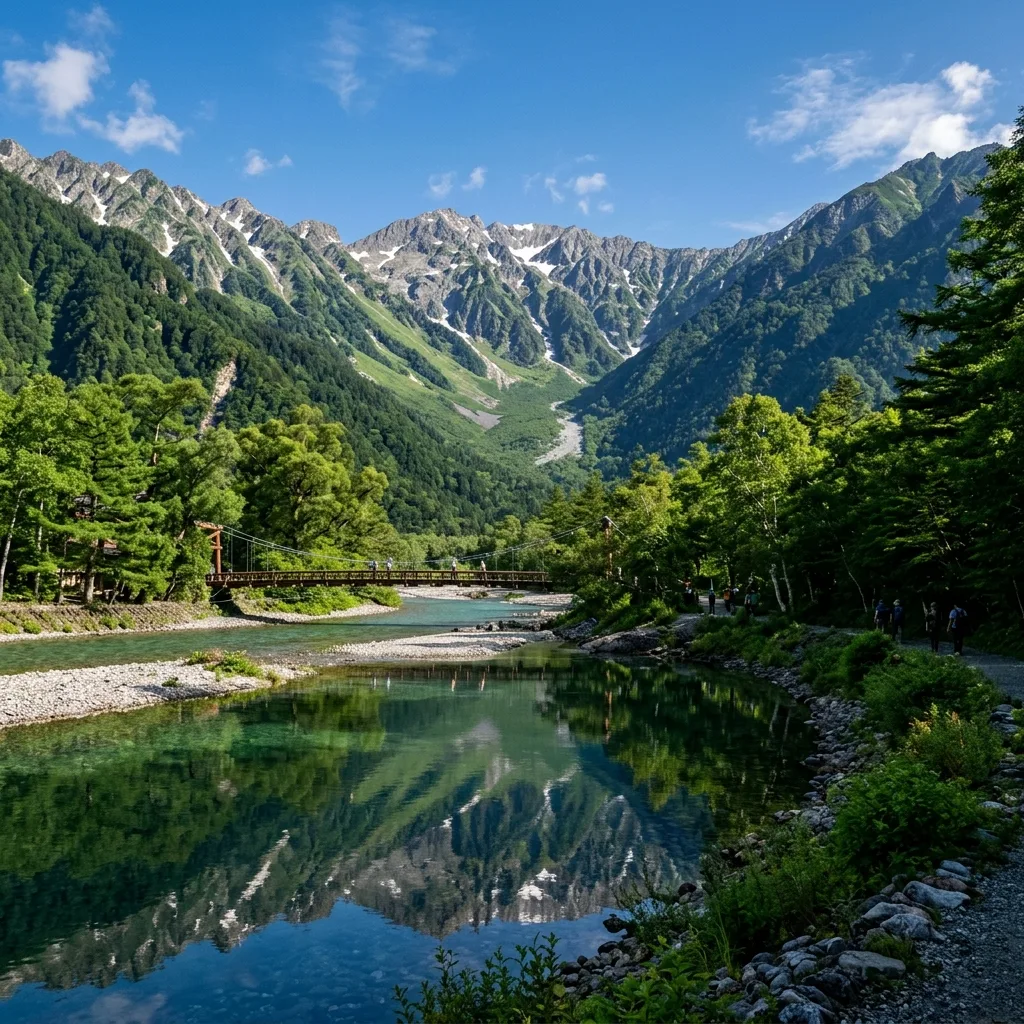
The Japanese Alps offer some of the most breathtaking alpine scenery in Asia, a rugged landscape of towering peaks, pristine forests, and crystal-clear rivers. Among its many jewels, the Kamikochi Valley stands out as the gateway to the majestic Northern Alps, a sanctuary for trekkers, nature lovers, and those seeking an escape into Japan's wild heart. Whether you dream of leisurely strolls along the Azusa River or challenging multi-day treks to iconic summits like Mount Yari and Mount Hotaka, planning is paramount. This guide will navigate you through everything you need to know for an unforgettable adventure in 2026, much like how a well-prepared itinerary can transform a trip to a vibrant destination such as The Ultimate 10-Day South Korea Itinerary for First-Timers, from essential permits and transportation logistics to insider tips for enjoying the pristine wilderness responsibly.
Kamikochi Valley, nestled within the Chubu Sangaku National Park, is a pristine alpine valley in the Northern Japanese Alps, renowned for its spectacular natural beauty, accessible trekking trails, and as a starting point for serious mountaineering ascents.
Gateway to the Northern Alps: Kamikochi Valley
Kamikochi Valley, often hailed as the "Jewel of the Japanese Alps," is a truly special place. At an elevation of approximately 1,500 meters (4,900 feet), it offers a relatively flat, walkable terrain surrounded by dramatic peaks, including Hotaka-dake, Yari-ga-take, and Myojin-dake. The crystal-clear Azusa River flows through the valley, fed by glacial melt, creating stunning turquoise pools and meandering past iconic landmarks like Kappa Bridge. This area is not just a gateway for serious mountaineers; it's a paradise for casual hikers, nature photographers, and anyone looking to immerse themselves in Japan's wild landscapes without venturing too far off the beaten path.
The valley serves as the primary access point for many of the Northern Alps' most famous trails. From Kamikochi, hikers can embark on day trips to serene locations like Myojin Pond or Tokusawa, or begin multi-day expeditions into the higher reaches of the Hotaka mountain range. The natural environment is exceptionally well-preserved, thanks to strict regulations on private vehicle access and a strong emphasis on ecological conservation. Expect to encounter diverse flora and fauna, including playful Japanese macaques and a stunning array of alpine flowers, particularly during the vibrant summer months.
Navigating Kamikochi: Key Dates and Regulations for 2026
Planning your visit to Kamikochi requires attention to its seasonal opening and specific access rules. For 2026, the valley officially opens to the public on April 17, 2026, and closes on November 15, 2026. Outside these dates, the valley is completely inaccessible by public transport, and all facilities are shut down due to heavy snowfall.
While the valley opens in mid-April, the true "Grand Opening" is typically around April 27th, marked by the Kaizansai (Opening Ceremony) at Kappa Bridge, when most hotels and shops are fully operational. It's crucial to note that access to Kamikochi is highly regulated to preserve its delicate ecosystem:
- No Private Cars: Private vehicles are strictly prohibited beyond designated parking areas. Visitors must use shuttle buses or taxis from either the Sawando parking lot (Matsumoto side) or the Akadana/Hirayu Onsen parking lots (Takayama side). This system effectively limits traffic within the valley and enhances the sense of being truly "away from it all."
- Mandatory Bus Reservations: A significant change for 2026 is the implementation of a mandatory reservation system for buses connecting Matsumoto/Shin-Shimashima and Kamikochi. Alpico Transport requires advance booking for both your outbound and return journeys. Spontaneous travel without a reservation on these routes will not be possible. Booking can typically be done via Japan Bus Online or the Alpico website approximately one month in advance. For those coming from Takayama, buses to Hirayu Onsen are generally not reserved, but the connecting shuttle to Kamikochi might be, so always check the latest information.
- Operating Hours: While the valley itself doesn't "close," public transport generally runs from around 5:00 AM to 6:00 PM. Facilities like the Kamikochi Visitor Center operate from 8:00 AM to 5:00 PM. It is vital to check the latest bus schedules upon arrival to avoid missing the last bus out.
- Admission Fees: There is no direct admission fee to enter Kamikochi Valley as it's a national park. However, certain attractions like Myojin Pond, located within the Hotaka Shrine Okumiya grounds, charge a small fee of ¥500. Baggage storage is available at the Kamikochi Bus Terminal with varying costs based on size (e.g., Small: ¥350, Medium: ¥400, Large: ¥500, Oversize: ¥600).
- New Accommodation Tax: Be aware that starting June 1, 2026, Nagano Prefecture will implement a new accommodation tax of ¥200 per person per night for stays within Kamikochi and surrounding areas. This will be added to your hotel bill.
Trekking Deeper: Permits and Mountain Huts in the Northern Alps
Venturing beyond the main trails of Kamikochi into the higher reaches of the Northern Japanese Alps requires additional planning and adherence to important regulations, especially concerning safety and conservation. The raw beauty of these mountains comes with inherent risks, and Japanese authorities take safety seriously.
Mandatory Hiking Plan (Tozan-todoke)
By law, all trekkers undertaking routes in the Northern Alps, particularly in Nagano and Gifu Prefectures, must submit a hiking plan, known as a Tozan-todoke. This isn't just a recommendation; it's a mandatory requirement designed to assist search and rescue operations in case of an emergency.
- How to Submit:
- Online: The most convenient method is via the Compass portal, which allows you to register your itinerary, emergency contacts, and equipment.
- Physical Submission: For those who prefer, physical submission boxes are available at major trailheads, including the Kamikochi Bus Terminal. You'll need to fill out a form detailing your route, dates, and contact information.
- Penalties: Failure to submit a Tozan-todoke can result in a fine of up to ¥50,000 in Gifu Prefecture. More importantly, it can significantly delay or complicate rescue efforts if you get into trouble. Always submit your plan.
Mountain Hut Reservations
For multi-day treks, staying in mountain huts is a quintessential Japanese Alps experience. These huts provide shelter, meals, and a communal atmosphere. However, due to increasing popularity and sometimes limited capacity, especially in peak season, advance reservations are almost always necessary.
- Booking Windows: Most popular huts open their reservation books 1–2 months in advance. For example, prominent huts like Hakuba Sanso and Goryu Sanso typically begin accepting bookings in early spring for the upcoming summer season. For the 2026 season, popular huts may have already started their booking process.
- Specific Hut Requirements: Some huts, like Hotakadake Sanso, located near the summit of Mount Hotaka, strictly require reservations for all stays. Always check the official website of the specific hut you plan to stay at for their booking policy, availability, and any specific operating dates or conditions.
- No Walk-ins: Do not rely on walk-in availability, especially during weekends, national holidays (like Golden Week in late April/early May, or Obon in mid-August), or the autumn foliage season (mid-October). Arriving without a reservation during busy periods may result in being turned away, which can be dangerous in remote mountain environments.
- Camping: While some designated campsites, such as Konashidaira near Kamikochi, may offer first-come, first-served spots, many mountain campgrounds are also moving towards reservation systems to manage impact and visitor numbers.
General Park Rules and Safety in the Northern Alps
The Northern Alps are a pristine wilderness that demands respect and careful conduct. Adhering to park rules and prioritizing safety is crucial for both your well-being and the preservation of the environment.
- Helmets: For more technical routes, particularly in exposed or rocky sections (e.g., the challenging "Gendarme" ridge between Mt. Nishihotaka and Mt. Okuhotaka, or approaches to Mt. Yari), helmets are strongly recommended and may even be locally required.
- Environmental Protection: The principle of "Leave No Trace" is paramount. Carry out all your trash, stay on marked trails, and do not disturb wildlife or collect plants. Drones are generally prohibited within the National Park without special permission.
- Wildlife: While beautiful, never feed wild animals, especially Japanese macaques, as it can alter their natural behavior and lead to aggressive encounters.
- Winter/Off-Season Travel: The Northern Alps are extremely dangerous outside the official season (mid-April to mid-November). Heavy snow, icy conditions, and extreme weather make winter mountaineering a highly specialized and risky endeavor, requiring advanced skills, equipment, and a separate winter climbing notification. Do not attempt unless you are a highly experienced winter mountaineer with proper gear and training.
By understanding and respecting these regulations, you contribute to the safety of all trekkers and the continued preservation of Japan's magnificent Northern Alps. This groundwork ensures that your adventure is not only unforgettable but also responsible and secure.
Practical Guide: Getting to Kamikochi Valley
Accessing Kamikochi is unique due to its strict private vehicle restrictions, designed to protect its pristine environment. Regardless of your starting point, your journey will involve a combination of trains and buses. The key takeaway for 2026 is mandatory advance bus reservations if you're coming from the Matsumoto/Shin-Shimashima side.
General Access Rules:
- No Private Cars Beyond Parking Lots: You cannot drive directly into Kamikochi. You must park at designated lots in Sawando (Matsumoto side) or Hirayu Onsen/Akadana (Takayama side) and transfer to a shuttle bus or taxi.
- Shuttle Bus/Taxi Only: From these parking areas, special low-emission buses and taxis are the only allowed transport into the valley.
- Operating Season: Remember, access is only from April 17 to November 15, 2026.
From Major Cities:
From Tokyo (Shinjuku)
- Option 1: Direct Highway Bus (Recommended for convenience)
- Route: The Sawayaka Shinshu-go highway bus offers a direct route from Shinjuku Bus Terminal (Busta Shinjuku) to Kamikochi Bus Terminal. This comprehensive approach to transportation planning is akin to navigating a new city with a detailed resource like The Ultimate Seoul Travel Guide: Where to Stay & What to See.
- Duration: Approximately 4 hours 45 minutes for day buses, or a longer overnight option (around 7 hours).
- Cost: Varies dynamically, roughly ¥8,000 – ¥16,000 one-way.
- Booking: Mandatory advance reservation via Highway-Buses.jp. Book well in advance, especially for peak season.
- Option 2: Train + Local Bus (More Scenic, requires transfers)
- Take the JR Azusa Limited Express from Shinjuku Station to Matsumoto Station (approx. 2.5 hours).
- From Matsumoto Station, transfer to the Alpico Kamikochi Line train to Shin-Shimashima Station (about 30 minutes). Crucially, IC cards like Suica/Pasmo are NOT accepted on this private line; purchase a paper ticket.
- At Shin-Shimashima Station, transfer to a reserved shuttle bus directly to Kamikochi (about 65 minutes).
- Cost: Train to Matsumoto (
¥7,000-¥8,000), Alpico train + bus to Kamikochi (¥3,810). - Booking: The Matsumoto to Shin-Shimashima train ticket can be bought at the station. The Shin-Shimashima to Kamikochi bus requires a mandatory advance reservation via Japan Bus Online or the Alpico Website.
From Matsumoto
- Option 1: Direct Bus (National Park Liner)
- Route: Departs directly from Matsumoto Bus Terminal to Kamikochi Bus Terminal.
- Schedule: Usually a few departures per day, typically starting early morning (e.g., around 5:30 AM and 10:15 AM).
- Cost: Approximately ¥4,600 – ¥5,000 one-way.
- Booking: Mandatory advance reservation is required. Check the Alpico Website for schedules and booking.
- Option 2: Train + Local Bus (Most Frequent)
- This is the same as the final two legs of the "Tokyo via Matsumoto" option.
- Take the Alpico Kamikochi Line train from Matsumoto Station to Shin-Shimashima Station, then transfer to the reserved shuttle bus to Kamikochi.
- Cost: Combined train + bus ticket is around ¥3,810 one-way.
- Booking: The bus portion requires mandatory advance reservation.
From Takayama
- Route: Take the Nohi Bus from Takayama Nohi Bus Center to Hirayu Onsen Bus Terminal (approximately 60 minutes).
- At Hirayu Onsen, transfer to a connecting shuttle bus that goes directly into Kamikochi (approximately 25 minutes).
- Cost: Approximately ¥3,000 combined one-way.
- Booking: Tickets for the Nohi Bus to Hirayu Onsen can typically be purchased at the bus center. The connecting shuttle from Hirayu Onsen to Kamikochi generally does not require advance reservations, but it's always wise to confirm the latest information on the Nohi Bus or Alpico websites, especially during peak travel times.
Driving and Parking:
If you choose to drive to the vicinity of Kamikochi, you must use one of the designated parking areas outside the valley:
- From Matsumoto/Tokyo Side: Sawando Parking Area. Multiple private and public parking lots are available. Expect to pay around ¥700–¥800 per day. From here, shuttle buses run frequently into Kamikochi.
- From Takayama/Nagoya Side: Hirayu Onsen Parking Area (also known as Akadana Parking). Similar parking fees apply, around ¥600–¥800 per day. Shuttle buses connect directly to Kamikochi.
Essential Booking Tips for 2026:
- Book Early: Especially for the mandatory bus segments from Matsumoto/Shin-Shimashima and the direct highway bus from Shinjuku, aim to book your tickets as soon as the booking window opens (typically one month in advance). Peak season dates (Golden Week, Obon, autumn foliage) sell out quickly.
- Round Trip: Always book your return journey at the same time. Afternoon buses departing Kamikochi are in high demand.
- Official Sources: Utilize the official booking portals like Japan Bus Online, Highway-Buses.jp, and the Alpico Website to ensure legitimate and up-to-date information.
Navigating the transportation to Kamikochi can seem complex initially, but with advance planning and understanding of the reservation system, you'll find it to be a smooth and efficient process, allowing you to fully enjoy the tranquil beauty of this alpine paradise.
Tips & Common Mistakes for Your Japanese Alps Adventure
Even with thorough planning, a trip to the Japanese Alps, particularly Kamikochi, can present unexpected challenges if you're not aware of some common pitfalls and local nuances. Here’s some insider advice to ensure your trek is as smooth and enjoyable as possible.
What Most Guides Miss & Insider Advice:
- Weather Changes Rapidly: Alpine weather is notoriously unpredictable. Sunny mornings can quickly turn into stormy afternoons, even in summer. Always pack layers (including waterproof and windproof outer shells) and check the mountain forecast daily, not just before you leave home. Websites like the Japan Meteorological Agency (JMA) or specialized mountain weather forecasts are invaluable.
- Leave No Trace, Seriously: Japan has an extremely high standard of cleanliness and environmental respect. There are often very few trash cans, especially on trails and in remote areas. This is because visitors are expected to carry out all their trash, including food wrappers and even fruit peels. Bring a small bag specifically for your waste.
- Footwear Matters More Than You Think: While the main trails in Kamikochi are relatively flat, if you plan any significant hiking or multi-day treks, proper hiking boots with good ankle support are non-negotiable. The trails can be rocky, uneven, and slippery when wet. Trainers or sneakers are fine for casual strolls but inadequate for proper trekking.
- Embrace the Early Start: Kamikochi and popular Northern Alps trails can get crowded, especially on weekends and national holidays. Starting your day early not only allows you to beat the crowds but also gives you more time to enjoy the tranquility of the mountains, capture stunning photos in the morning light, and mitigate risks from afternoon weather changes.
- Stay Hydrated & Carry Snacks: While mountain huts sell refreshments, carrying your own water bottle (many places have potable spring water for refills) and high-energy snacks is essential. This is particularly true for longer hikes where facilities are sparse.
- Understand Japanese Etiquette:
- Greetings: A simple "Konnichiwa" (hello) or "Arigato gozaimasu" (thank you) to fellow hikers or hut staff goes a long way.
- Queueing: Always form orderly queues for buses, facilities, and even photo opportunities.
- Noise: Maintain a respectful volume. The mountains are a place for quiet appreciation.
- Cash is King in the Mountains: While urban Japan is increasingly cashless, many mountain huts, small shops, and even some transportation options in more remote areas still primarily operate on cash. Ensure you have enough Japanese Yen (JPY) on hand, especially for hut stays, emergency supplies, or unexpected expenses. ATMs are scarce once you leave major towns.
- Don't Underestimate the Difficulty: Even seemingly "easy" trails can become challenging due to weather, elevation, or unexpected conditions. Be honest about your fitness level and experience, and choose trails that match your capabilities. Research elevation gains, distances, and estimated times thoroughly.
- No Drone Zone: As mentioned previously, drones are generally prohibited within the National Park boundaries without special permission. Respect these rules to protect wildlife and maintain the peaceful atmosphere.
- Book Huts WELL in Advance: This cannot be stressed enough. Mountain huts are not hotels; they have limited capacity, especially for food and bedding. Failing to book can leave you stranded, particularly in high season. Always confirm your reservation a few days before your hike.
Common Mistakes to Avoid:
- Ignoring the Tozan-todoke: This mandatory hiking plan is for your safety. Not submitting it can have serious consequences in an emergency.
- Assuming English Availability: While major tourist hubs in Kamikochi might have some English speakers or signs, once you venture into mountain huts or more local transport, English proficiency can be limited. A basic Japanese phrasebook or translation app can be very helpful.
- Underpacking or Overpacking: Finding the right balance is crucial. Overpacking means unnecessary weight; underpacking can lead to discomfort or danger. Focus on essential gear, layers, navigation tools, first-aid, and enough food/water.
- Disregarding Bus Schedules: Especially the last bus out of Kamikochi. Missing it means you're potentially stranded for the night, facing unexpected accommodation costs or a very long and expensive taxi ride. Understanding and adhering to bus schedules is crucial, much like mastering The Ultimate Guide to Public Transportation in Korea (2025 Edition) can simplify urban travel.
- Feeding Wildlife: This is a strict no-no. It harms the animals, makes them reliant on humans, and can lead to aggressive behavior.
- Not Having Insurance: Comprehensive travel insurance that covers trekking and potential medical emergencies is highly recommended. Mountain rescues can be very expensive.
By keeping these tips in mind and avoiding these common mistakes, your Japanese Alps trekking adventure will undoubtedly be a more rewarding and safer experience. These mountains are a treasure, and enjoying them responsibly is part of the journey.
Frequently Asked Questions (FAQ)
Planning a trip to the Japanese Alps can bring up many questions, especially for first-time visitors. Here are some of the most common inquiries to help you prepare for your adventure in Kamikochi and the Northern Alps.
Q: What is the best time of year to visit Kamikochi for trekking?
A: The best time for trekking in Kamikochi and the Northern Alps is generally from late May to early November.
- Late May to Mid-July: Lush greenery, rhododendrons in bloom, and melting snow on higher peaks create stunning landscapes. Some higher trails might still have snow.
- Mid-July to August: Peak summer, warmest temperatures, and ideal for higher altitude trekking. Can be crowded.
- September to Early November: Vibrant autumn foliage, crisp air, and generally stable weather. This is a very popular time, so expect crowds and book accommodations far in advance. The valley officially closes on November 15th.
Q: Do I need special permits to hike in Kamikochi or the Northern Alps?
A: While there's no "permit" fee to enter Kamikochi Valley itself, you must submit a mandatory hiking plan (Tozan-todoke) for any treks into the higher Northern Alps. This can be done online via the Compass portal or physically at trailheads. For day hikes within Kamikochi (e.g., to Myojin Pond), a Tozan-todoke is not usually required, but it's always wise to inform someone of your plans.
Q: Can I camp in Kamikochi or the Northern Alps?
A: Yes, camping is permitted only in designated campsites. In Kamikochi, Konashidaira Camping Ground is the primary option, located a short walk from the bus terminal. For multi-day treks in the Northern Alps, many mountain huts also offer designated camping areas nearby. Wild camping is generally prohibited to protect the environment. Always check if reservations are required for campsites, especially during peak season.
Q: Are there ATMs or places to exchange money in Kamikochi?
A: ATMs are very limited, if not entirely absent, once you are in Kamikochi Valley itself. The nearest reliable ATMs are in Matsumoto or Takayama. It is strongly advised to carry sufficient Japanese Yen (JPY) in cash for your entire trip, especially if you plan to stay in mountain huts (which often only accept cash for lodging, meals, and snacks) or for shuttle buses and taxis from the parking lots. There are no currency exchange services in Kamikochi.
Q: Is Kamikochi suitable for beginners or families with children?
A: Yes, Kamikochi is exceptionally suitable for beginners and families. The main valley floor offers several easy, flat walking trails, such as the popular path from the bus terminal to Kappa Bridge and further to Myojin Pond. These trails are well-maintained and offer stunning views without significant elevation changes, making them perfect for leisurely strolls with young children or those seeking a relaxed nature experience. Many facilities, including restrooms and food vendors, are available along these routes. For more adventurous families, there are moderate trails leading to Tokusawa or further up the valley, but always assess your group's fitness and readiness for longer distances.
Conclusion: Embrace Your Japanese Alps Adventure
Trekking through Kamikochi Valley and the Northern Japanese Alps offers an unparalleled opportunity to connect with nature's grandeur, challenge your spirit, and create memories that will last a lifetime. From the serene beauty of the Azusa River to the majestic peaks that touch the sky, this region is a testament to Japan's profound natural heritage.
While the planning process might seem intricate, with mandatory bus reservations, hiking plan submissions, and advance hut bookings, each step serves to preserve this precious environment and ensure the safety of every adventurer. By respecting the rules, preparing diligently, and embracing the local customs, you're not just a visitor; you become a guardian of these magnificent mountains.
So, pack your bags, lace up your boots, and prepare to be captivated. Your 2026 adventure in the Japanese Alps awaits, promising breathtaking vistas, invigorating trails, and a deep sense of accomplishment. Start planning today, and discover the wild heart of Japan!