Huangshan Yellow Mountain: Sunrise, Sea of Clouds & Best Trail Routes

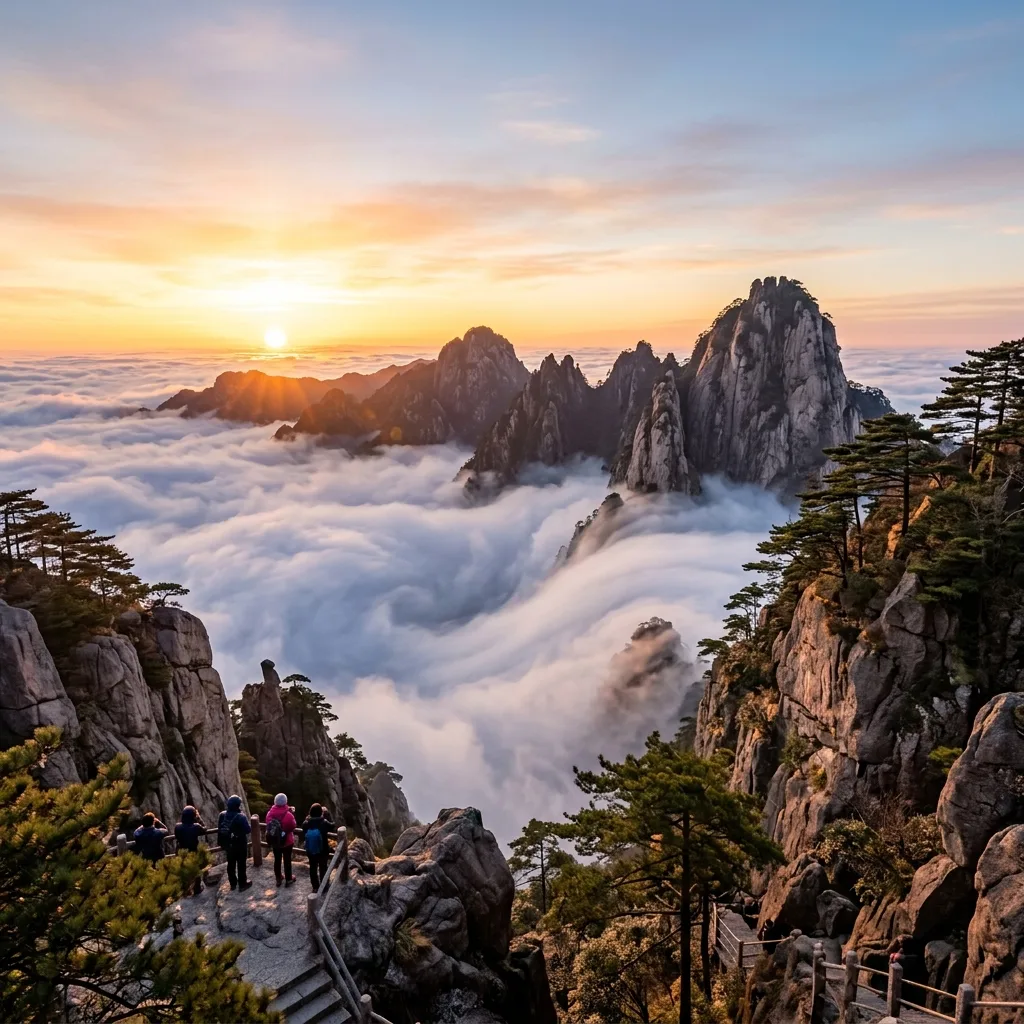
Huangshan Yellow Mountain: Sunrise, Sea of Clouds & Best Trail Routes
Introduction
Planning a trip to Huangshan, often dubbed the "Yellow Mountain," is an endeavor filled with anticipation for breathtaking natural beauty. However, navigating its vast trails, understanding the best times for sunrise and the elusive sea of clouds, and staying updated on practicalities can be daunting. This guide aims to solve that problem, providing you with all the essential information to plan an unforgettable Huangshan adventure in 2026. We'll cover everything from prime viewing spots for its iconic phenomena to the most efficient trail routes and critical logistical details, ensuring you're fully prepared to witness the majestic landscapes that have inspired poets and painters for centuries.
Huangshan, or Yellow Mountain, is renowned for its "four wonders": oddly-shaped pines, spectacular rock formations, hot springs, and the ethereal sea of clouds. To truly capture its magic, visitors often seek the perfect sunrise amidst a swirling mist, an experience that transcends mere sightseeing. This guide offers practical advice on maximizing your chances of witnessing these natural spectacles and provides detailed insights into the best hiking routes to suit various fitness levels and time constraints.
The Allure of Huangshan's Sunrise and Sea of Clouds
The spectacle of a Huangshan sunrise is legendary. As the first rays of dawn pierce through the lingering mist, painting the sky with vibrant hues, the mountaintops emerge like islands in a vast, cotton-like ocean. The "sea of clouds" is a phenomenon that transforms the landscape, often occurring after rain or during periods of high humidity. While never guaranteed, understanding the best viewing points and weather patterns can significantly increase your chances of witnessing this otherworldly display.
Prime locations for catching the sunrise include Bright Summit Peak (Guangming Ding), Lion Peak (Shizi Feng), and Begin-to-Believe Peak (Shixin Feng). Each offers a unique perspective, but Bright Summit Peak is often cited for its panoramic views and accessibility. For the sea of clouds, conditions are typically best after rainfall or on cloudy days, where the clouds settle below the peaks, creating an illusion of an ocean.
Unveiling the Best Trail Routes for Every Explorer
Huangshan offers a network of well-maintained trails, catering to everyone from casual hikers to seasoned trekkers. The mountain can generally be divided into two main areas: the Front Mountain (southern part, from Yuping Cable Car Station) and the Back Mountain (northern part, from Yungu Cable Car Station). Most first-time visitors opt for a two-day itinerary, staying overnight on the mountain to experience both sunset and sunrise.
Classic Two-Day Itinerary (Recommended): A Comprehensive Exploration This itinerary is ideal for those seeking a thorough experience of Huangshan's grandeur, allowing for a comfortable pace and the magical prospect of both sunset and sunrise from the mountain. It typically involves an overnight stay in one of the mountaintop hotels.
-
Day 1 (Back Mountain Ascent – Focus on Scenic Wonders): Begin your journey by taking the Yungu Cable Car (often referred to as the Cloud Valley Cable Car) up to the mountain. This ascent immediately plunges you into a world of mist and stunning vistas. Once at the top station, you’ll embark on trails that are generally less strenuous than the front mountain, characterized by gradual climbs and serene beauty. Key highlights on this route include:
- Begin-to-Believe Peak (Shixin Feng): Named for a saying, "Having seen the Five Sacred Mountains, you won't want to see any others, but having seen Huangshan, you won't want to see any of the five." The views here are truly inspiring, featuring unique pine trees like the "Black Tiger Pine" and dramatic rock formations.
- Black Tiger Pine (Heihu Song): One of Huangshan's famous "Ten Great Pines," this ancient tree with its dark, strong branches resembles a crouching tiger.
- Stone Monkey Watching the Sea (Houzi Guanhai): A perfectly shaped rock formation that, with a bit of imagination, looks exactly like a monkey gazing out over the vast sea of clouds. It’s a popular photo spot, especially at sunrise.
- Paiyun Pavilion (Cloud-Dispelling Pavilion): Offering spectacular views of the West Sea Grand Canyon, this is an excellent spot for photographers and serves as a gateway to the more challenging sections of the mountain.
- Bright Summit Peak (Guangming Ding): As the second highest peak, it's a prime location for both sunrise and sunset, offering 360-degree panoramic views of the entire Huangshan range. You'll traverse towards this area, potentially spending the night near the West Sea Grand Canyon area or Tianhai, ensuring you’re perfectly positioned for the next morning’s spectacle.
-
Day 2 (Front Mountain Descent & Thrilling Peaks): Wake before dawn to catch the ethereal sunrise from either Bright Summit or Lion Peak, an experience that often leaves visitors speechless. After breakfast, prepare for a day of descent and exploration.
- Tiandu Peak (Heavenly Capital Peak): If you're seeking a challenge and if it's open (it is in 2026!), this is a must-do. Known for its incredibly steep and narrow "Heavenly Ladder" (Tian Ti), it features chains to assist climbers. The views from the summit are unparalleled but require a good head for heights and physical stamina. Remember the daily limit of 3,000 visitors, so arriving early or reserving a slot is crucial.
- West Sea Grand Canyon (Xihai Da Canyon): Often referred to as the "Magic Scenic Area," this deep and vast canyon offers unique, isolated beauty. Descending into its depths and ascending the other side via steps and occasionally steep paths, or utilizing the monorail for a partial journey, is an adventure in itself. The "Fairy Walking Bridge" is a notable sight.
- Guest-Greeting Pine (Yingke Song): Before taking the Yuping Cable Car (Jade Screen Cable Car) down, you’ll pass by this iconic tree, a symbol of Huangshan and Chinese hospitality, which has stood for over 1,000 years. Its outstretched branches appear to welcome visitors. This cable car offers dramatic descent views, contrasting with the more serene Yungu ascent.
One-Day Express Route: A Taste of Huangshan's Grandeur For those with limited time or who prefer a less strenuous visit, a full day can still provide a memorable glimpse into Huangshan's iconic landscapes. This route typically focuses on the Back Mountain, which is considered more accessible and less physically demanding for a quick tour.
- Ascent via Yungu Cable Car: Begin your day early by taking the Yungu Cable Car up. This minimizes climbing time and maximizes sightseeing.
- Back Mountain Highlights: Once at the Yungu Cable Car upper station, follow the well-marked paths to explore key attractions such as:
- Begin-to-Believe Peak: Enjoy the famous oddly-shaped pines and rock formations.
- Lion Peak: Another excellent spot for panoramic views and capturing the "Stone Monkey Watching the Sea."
- Bright Summit Peak: Reach the second-highest peak for extensive views of the surrounding mountains and potentially a glimpse of the sea of clouds if conditions are right.
- Descent via Yungu Cable Car: After soaking in the views and exploring the main sights of the Back Mountain, descend via the same Yungu Cable Car you ascended. This route allows you to experience many of Huangshan's "four wonders" without the commitment of an overnight stay, making it perfect for a day trip. While it doesn't include the challenging Tiandu Peak, it still offers incredible natural beauty and photo opportunities.
Tiandu Peak vs. Lotus Peak (2026 Update): As of 2026, Tiandu Peak is OPEN to visitors after its rotational closure. This means you can experience its challenging yet rewarding ascent. However, Lotus Peak is currently CLOSED for ecological restoration. Always confirm the latest status of peaks before your visit, as these rotational closures are vital for preserving the mountain's delicate ecosystem. Tiandu Peak has a daily visitor limit of 3,000, requiring a time slot reservation.
Practical Guide to Visiting Huangshan in 2026
To ensure a smooth and enjoyable trip to Huangshan, it's crucial to be aware of the latest practical details regarding admission, operating hours, and booking procedures.
Admission Fees (2026): Huangshan National Park operates with seasonal pricing.
- Peak Season (March 1 – November 30): CNY 190
- Off-season (December 1 – February 28/29): CNY 150
- Concessions: Children under 6 years old (or under 1.2m) and seniors aged 65+ (with passport) can enter for free. Students with valid ID and minors aged 6–18 receive a half-price discount (CNY 95/75). Remember to bring your physical passport for verification, as a real-name reservation system is in place.
Operating Hours (2026): Operating hours vary seasonally and by day of the week. It's important to note that entry gates typically close earlier than cable car operations cease.
- Peak Season (March – November): Monday – Friday: 07:00 – 17:10; Saturday, Sunday & Public Holidays: 06:30 – 17:40.
- Off-season (December – February): Daily: 08:00 – 16:40. Certain areas, such as the West Sea Grand Canyon, may close during heavy snow or for maintenance in the winter months.
How to Get There: Most visitors arrive at Huangshan by high-speed train or flight to Huangshan Tunxi International Airport (TXN). From Huangshan North Railway Station or Tunxi Airport, you'll need to take a shuttle bus or taxi to the Tangkou Transfer Center at the base of the mountain. From Tangkou, mandatory park shuttle buses (CNY 19 one way) transport you to either the Yungu Temple (for Yungu Cable Car) or Ciguang Pavilion (for Yuping Cable Car) trailheads. For a broader understanding of navigating the country, refer to our comprehensive guide on China Travel Planning: Visa, WeChat Pay, High-Speed Rail & Practical Guide.
Cable Car & Shuttle Bus Costs (2026):
- Park Shuttle Bus (Tangkou to Trailheads): CNY 19 (one way)
- Yungu / Taiping Cableway: CNY 80 (Peak) / CNY 65 (Off-season)
- Yuping Cableway: CNY 90 (Peak) / CNY 75 (Off-season)
- Xihai Grand Canyon Monorail: CNY 100 (Peak) / CNY 80 (Off-season)
Official Booking Channels (2026): Advance booking is highly recommended due to a daily capacity limit of 30,000 visitors.
- Official WeChat Mini-Program: For direct booking, search for "黄山旅游官方平台" (Huangshan Tourism Official Platform). This is the primary channel, though it primarily supports domestic payment methods.
- Third-Party Platforms: For international visitors, platforms like Trip.com or TravelChinaGuide are often more convenient, supporting foreign credit cards and providing English interfaces for the mandatory passport registration.
- On-site: If online booking is not feasible, bring your original passport to the service windows at the South or North Gate. Manual registration is possible if the daily quota has not been met.
Tips & Common Mistakes for Your Huangshan Journey
Avoiding common pitfalls can significantly enhance your Huangshan experience. Beyond the well-trodden paths, insider knowledge can make all the difference.
- Pack Light but Smart: While you'll be hiking, consider bringing only essentials for your overnight stay if you plan one. Porters are available but can be expensive. Essential items include rain gear (weather changes rapidly), comfortable hiking shoes, layers of clothing, snacks, water, and sunscreen. For more detailed advice on what to pack for mountain adventures, check out our guide on Essential Gear for Hiking in Korea: Prepare for the Terrain.
- Book Accommodation Early: If staying overnight on the mountain, book your hotel well in advance, especially during peak season or holidays. Rooms are limited and can be pricey.
- Check the Weather Forecast Religiously: The "sea of clouds" is a weather-dependent phenomenon. Official Huangshan weather forecasts (often available on the WeChat mini-program) can predict its likelihood. Overcast days with high humidity or days immediately following rain are often the best.
- Respect the Mountain: Stick to marked trails, do not litter, and avoid disturbing wildlife. The mountain's ecosystem is fragile.
- Consider a Guide: For a deeper understanding of the geology, history, and local legends, consider hiring a local guide, especially if you're keen on finding hidden gems or optimizing your route.
- Don't Underestimate Tiandu Peak: If you plan to hike Tiandu Peak, be prepared for a strenuous climb with very steep sections. It's not for the faint of heart or those with significant mobility issues. Ensure you have comfortable shoes and strong knees.
- Hydration is Key: Even in cooler weather, hiking Huangshan can be physically demanding. Carry sufficient water or be prepared to purchase it at marked stops (prices are higher on the mountain).
- Embrace the Unexpected: While planning is crucial, some of Huangshan's most magical moments are spontaneous—a sudden clearing in the fog, a unique cloud formation, or an unexpected encounter with wildlife. Be open to these moments.
FAQ: Your Top Questions Answered
Here are answers to some of the most frequently asked questions by first-time visitors to Huangshan.
Q: What is the best time of year to visit Huangshan? A: Spring (April-May) and Autumn (September-October) offer pleasant weather and vibrant foliage, making them ideal for hiking. Winter (December-February) brings snowscapes but can have closures. Summer (June-August) is warm and humid, increasing the chances of the sea of clouds, but also brings more crowds and rain.
Q: Is Huangshan suitable for children or seniors? A: Yes, with proper planning. The cable cars make the mountain accessible. For children and seniors, sticking to the less strenuous Back Mountain trails (e.g., around Begin-to-Believe Peak) and avoiding challenging sections like Tiandu Peak is advisable. Take frequent breaks and consider the option of hiring a sedan chair.
Q: How many days do I need to explore Huangshan? A: A two-day, one-night itinerary is highly recommended to fully appreciate the mountain, allowing for both sunset and sunrise views and exploration of different sections without rushing. A one-day trip is possible but will be very condensed.
Q: Can I hike Huangshan independently, or do I need a tour guide? A: You can absolutely hike independently. The trails are very well-marked, and signs are often in both Chinese and English. However, a guide can enrich your experience with cultural insights and local knowledge.
Q: What should I wear for hiking Huangshan? A: Layers are essential as mountain weather can change rapidly. Wear comfortable, sturdy hiking shoes with good grip. Bring a waterproof jacket and pants, as rain is common. In colder months, gloves, a hat, and warm base layers are necessary.
Q: Are there places to eat and stay on the mountain? A: Yes, there are several hotels and guesthouses on the mountain, ranging from basic to more upscale. Food options include simple restaurants at hotels and small kiosks selling snacks and drinks. Prices are significantly higher than at the base. It is recommended to book your stay in advance.
Conclusion
Huangshan Yellow Mountain is a destination that truly lives up to its reputation, offering a transcendent experience for those who venture to its peaks. By carefully planning your visit, armed with knowledge about the best routes, optimal times for its famous sunrises and sea of clouds, and critical logistical details for 2026, you're set for an unforgettable adventure. Whether you're navigating the thrilling ascent of Tiandu Peak or simply soaking in the panoramic vistas from Bright Summit, the Yellow Mountain promises memories that will last a lifetime. Prepare to be captivated by its unique beauty and the ever-changing tapestry of its natural wonders. Start planning your journey now and witness the magic of Huangshan for yourself. For more comprehensive travel inspiration and guides to other incredible destinations, explore our Ultimate Seoul Travel Guide: Where to Stay & What to See and beyond.