Korean Baseball Games: How to Watch, Buy Tickets & Stadium Food Guide

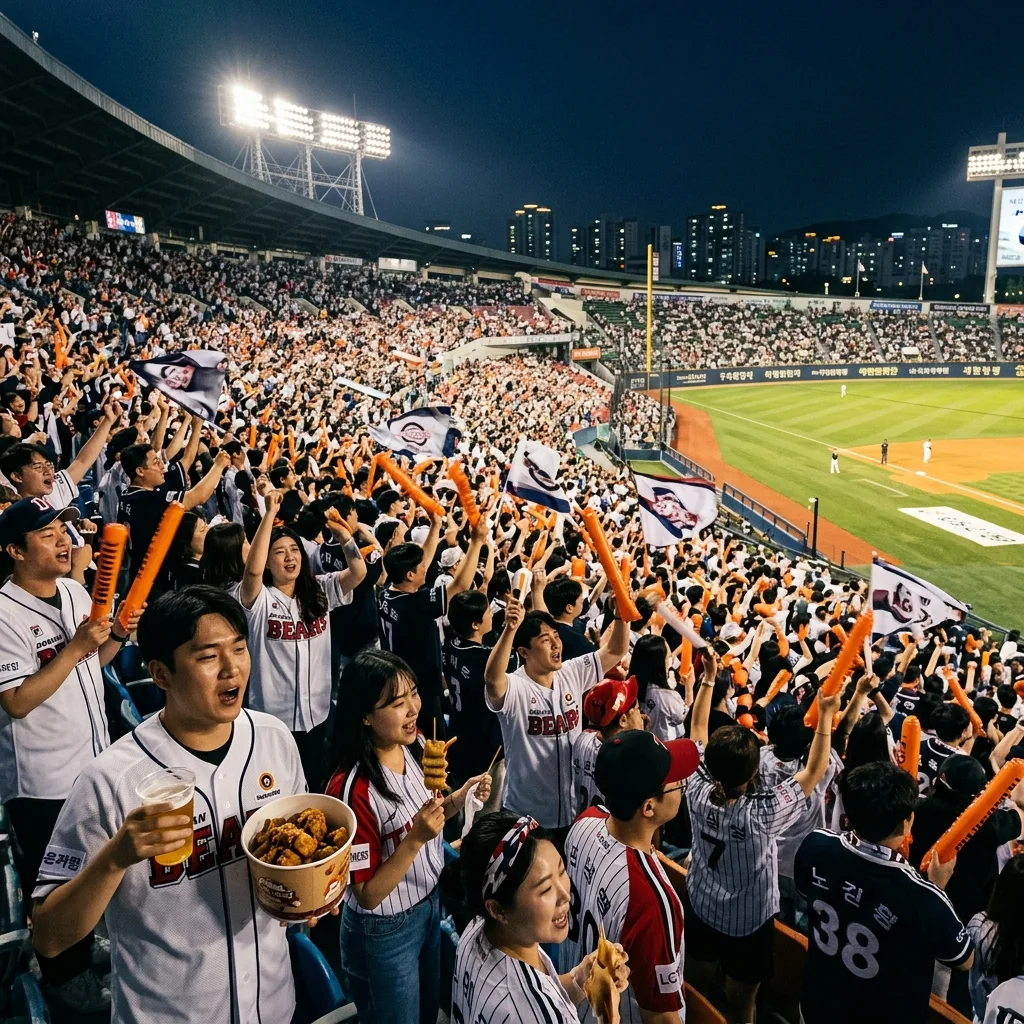
Attending a professional baseball game in South Korea is not just a sporting event; it is a full-blown cultural phenomenon. Forget the quiet, leisurely pace of a sunny afternoon at an MLB game in the United States, where the crack of the bat and the murmurs of the crowd are the main soundtrack. A Korean Baseball Organization (KBO) game is a high-octane, three-hour rock concert masquerading as a sporting event. It is a sensory overload of synchronized dancing, thunderous chanting, cheerleaders, and some of the best stadium food you will ever consume.
For travelers visiting South Korea in 2026, catching a KBO game is widely considered a "must-do" experience, even if you don't know the first thing about baseball. The atmosphere is so infectious that you will find yourself screaming for a team you discovered just ten minutes prior.
However, navigating the ticketing system, choosing the right stadium, and understanding the cheering etiquette can be daunting for non-Korean speakers. This comprehensive guide will break down everything you need to know to experience Korean baseball like a true local in 2026.
1. The Anatomy of a KBO Game: Why It's Different
To understand the appeal of the KBO, you have to understand that the crowd is an active participant in the game, not a passive observer.
The Cheer Master and Cheerleaders
Every KBO team employs a "Cheer Master" (Dan-jang) and a squad of cheerleaders. They do not stand on the sidelines; they perform on a massive, elevated stage facing the crowd, usually located in the infield sections (first base for home teams, third base for away teams). Their job is to orchestrate the crowd's energy from the first pitch to the final out. They lead the chants, demonstrate the dances, and keep the volume at a fever pitch regardless of the score.
Player-Specific Anthems
The most striking feature of KBO culture is the walk-up songs. When a player steps up to the plate in the MLB, a 10-second clip of their favorite rap or rock song plays. In the KBO, every single player has a custom, fully produced fight song with specific lyrics. The moment a player approaches the batter's box, the entire stadium stands up and belts out their anthem in unison, accompanied by synchronized hand motions.
The Thundersticks
The visual aesthetic of a KBO game is defined by "makdae pungseon"—inflatable, cylindrical plastic cheering sticks. Fans bang them together rhythmically to the beat of the chants. The sound of ten thousand thundersticks clapping simultaneously is deafening. Every team has its own specific color of sticks, which you can (and should) buy outside the stadium for a few dollars.
2. Navigating the Ticketing Nightmare (How to Buy Tickets as a Foreigner)
This is the biggest hurdle for tourists. KBO games, especially weekend games or rivalry matchups in Seoul, frequently sell out. The ticketing infrastructure is highly digitized and designed for Korean residents.
Why It's Difficult
Most Korean ticketing apps require identity verification linked to a Korean phone number or a Resident Registration Number (ARC). If you are a tourist on a short-term visa, you will not have this.
Method 1: Interpark Global (The Best Online Option)
Some KBO teams (like the Doosan Bears and LG Twins, who share Jamsil Stadium) use Interpark for their ticketing.
- Create an Account: You must use the Interpark Global website, not the domestic Korean site. The global site is in English and allows you to create an account using an international email and a foreign credit card.
- Timing: Tickets typically go on sale exactly one week before the game at 11:00 AM or 2:00 PM KST. You need to be logged in and refreshing the page right when they drop.
- The Catch: Interpark Global’s interface can sometimes be buggy on mobile, so it is highly recommended to book on a desktop computer. Also, you must bring the exact credit card you used to purchase the tickets to the stadium to pick them up at the box office.
Method 2: Third-Party Concierge Services
If you don't want the stress of navigating Korean websites, you can use concierge services.
- GoWonderfully: This is a popular bilingual personal assistant service in Korea. You message them your desired game and seating preference on WhatsApp or KakaoTalk, and they will buy the tickets for you for a service fee.
- Klook / Trazy: These travel platforms often sell "KBO Experience" packages. While you pay a markup, these packages often include the ticket, a team jersey or cheering sticks, and sometimes an English-speaking guide to explain the rules and chants.
Method 3: The Box Office Gamble
If you fail to get tickets online, you can try buying them in person at the stadium box office on game day.
- Pros: It's straightforward. Some major stadiums even have a dedicated window for foreigners.
- Cons: You risk the game being sold out. This strategy works best for Tuesday-Thursday games. For weekend games, arrive at the box office at least 2.5 hours before the first pitch.
3. Where to Sit: Choosing Your Vibe
Your seating location drastically alters your KBO experience.
The Cheer Zone (Red/Navy/Orange Seats)
If you want the authentic, high-energy KBO experience, you must sit in the designated cheering sections.
- Location: Usually the infield sections right behind the cheer stage (1st base for the home team, 3rd base for the away team).
- The Vibe: You will be standing for almost the entire game. You are expected to chant, sing, and bang your thundersticks. If you want to sit quietly and have a conversation, do not buy tickets here; the locals will give you strange looks.
- Best For: First-timers, party animals, and those who want the true cultural immersion.
Table Seats (Blue/Premium Seats)
These are located behind home plate or slightly up the baselines.
- Location: They feature actual tables in front of the seats.
- The Vibe: Excellent views of the game, much more relaxed, and perfect for eating the massive amounts of food you will buy. You can still hear the cheering perfectly, but you aren't obligated to stand up.
- Best For: Families, serious baseball purists, and foodies.
The Outfield
- Location: The grassy knolls or bleachers in the outfield.
- The Vibe: Very relaxed, often cheaper. Many families bring picnic blankets and tents to the grassy areas (in stadiums that have them, like Munhak).
- Best For: Budget travelers and families with small children.
4. The Legendary Stadium Food: A Culinary Tour
KBO stadium food makes American hot dogs and peanuts look archaic. The sheer variety and quality of food available is staggering. Furthermore, you are legally allowed to bring outside food and drink into KBO stadiums, provided the drinks are in plastic bottles under 1 liter (no glass or large cans).
The Staples
- Chimaek (Chicken and Beer): This is the undisputed king of Korean baseball food. Every stadium is surrounded by dozens of fried chicken vendors. You can buy massive boxes of crispy, spicy, or sweet-and-sour fried chicken. Inside the stadium, vendors walk the aisles with massive kegs strapped to their backs, dispensing fresh draft beer directly into your cup.
- Tteokbokki and Sundae: Spicy rice cakes and Korean blood sausage are cheap, delicious, and easy to eat in the stands.
- Samgyeopsal (Pork Belly): Yes, you can get freshly grilled pork belly at a baseball game. At Jamsil Stadium, there is a famous vendor who will grill the pork belly, garlic, and kimchi to order, and package it in a convenient box with rice and ssamjang (dipping sauce).
Stadium-Specific Specialties
If you are doing a stadium tour, each ballpark has a "must-eat" local specialty.
- Jamsil Stadium (Seoul): Famous for the aforementioned grilled Samgyeopsal sets and "Jamsil Noodles" (spicy cold noodles).
- SSG Landers Field (Incheon): The culinary crown jewel of the KBO. This stadium is famous for its Cream Shrimp—crispy fried shrimp smothered in a sweet, tangy cream sauce. The line for this stall often takes 45 minutes. They also feature a Starbucks with a panoramic view of the field.
- KT Wiz Park (Suwon): Famous for Jinmi Tongdak (a legendary local fried chicken brand) and Boyeong Mandu (spicy cold chewy noodles served with fried dumplings).
- Hanwha Life Eagles Park (Daejeon): Famous for Nongshim Garak Udon, a highly addictive, cheap bowl of hot udon noodles that fans eat even in the sweltering heat.
5. A Guide to the Major Stadiums and Teams
If you are staying in Seoul, you have three distinct stadium options, but venturing outside the capital offers unique experiences.
Jamsil Baseball Stadium (Seoul)
- Home Teams: LG Twins and Doosan Bears (They share the stadium).
- The Vibe: The oldest and most iconic stadium. It lacks the modern amenities of newer parks, but it makes up for it with sheer history and volume. Because two popular Seoul teams share it, the rivalries here are intense.
- Accessibility: Extremely easy to reach via the Seoul Subway (Sports Complex Station, Line 2).
Gocheok Sky Dome (Seoul)
- Home Team: Kiwoom Heroes.
- The Vibe: Korea's only domed baseball stadium. It is air-conditioned, incredibly clean, and modern.
- Why Go: This is the safest bet during the summer monsoon season (July) when outdoor games are frequently rained out. The Kiwoom Heroes fan base is slightly smaller, making tickets easier to acquire.
SSG Landers Field (Incheon)
- Home Team: SSG Landers.
- The Vibe: Owned by the Shinsegae retail conglomerate, this stadium feels like a premium shopping mall attached to a baseball field. It has the best food, the best merchandise stores, and unique seating options (like a barbecue zone where you can rent a grill and cook your own meat while watching the game).
- Accessibility: About a 1-hour subway ride from central Seoul.
Sajik Baseball Stadium (Busan)
- Home Team: Lotte Giants.
- The Vibe: If Jamsil is the historic heart of the KBO, Sajik is its wild, beating soul. Busan fans are notoriously passionate. The stadium is known as the "World's Largest Karaoke Room."
- The Tradition: In the 7th inning, fans used to place orange plastic trash bags on their heads like bandanas and sing the team's anthem, "Busan Seagulls." (Note: In recent years, environmental concerns have led the team to introduce reusable red towels instead, but the energy remains identical). If you are in Busan, this is an absolute must-visit.
6. A Step-by-Step Game Day Itinerary
To maximize your 2026 KBO experience, follow this schedule:
3:30 PM (2.5 hours before the standard 6:00 PM first pitch): Arrive at the stadium subway station. The atmosphere will already be buzzing. Outside the stadium exits, you will see dozens of tents selling counterfeit jerseys, headbands, and cheap fried chicken.
4:00 PM: Head to the official team store (usually located near the main gates). Buy a team jersey (approx. 60,000 - 100,000 KRW) and a pair of thundersticks (approx. 3,000 KRW). Wearing the gear immediately makes you part of the tribe.
4:30 PM: Food time. While the food inside is great, many locals prefer to buy food in the concourse outside or at nearby department stores to bring in. Grab your fried chicken, pick up a few 1-liter plastic bottles of Cass or Terra beer from a convenience store, and head to the gates.
5:00 PM: Enter the stadium. Find your seat. Take in the immaculate grass and watch the players take batting practice.
6:00 PM - The First Pitch: The moment the game starts, the Cheer Master takes the stage. Stand up, inflate your thundersticks, and follow the crowd. When your team is at bat, you stand and scream. When your team is pitching, you sit down, eat your chicken, and chat.
8:30 PM - The 8th Inning: This is when the energy peaks. Even if the home team is losing by 10 runs, the stadium will turn on their smartphone flashlights, the stadium lights will dim, and a massive, emotional team anthem will be sung by 25,000 people. It is goosebump-inducing.
9:30 PM - Post-Game: If the home team wins, stay in your seats! The players often come out to the field to do a choreographed dance with the cheerleaders, give interviews, and shoot t-shirt cannons into the crowd.
7. Crucial Etiquette and Tips
- Respect the Away Fans: In KBO stadiums, the seating is strictly segregated. The home fans sit on one side (usually 1st base), and the away fans sit on the other (usually 3rd base). Never buy a ticket in the home section and actively cheer for the away team, or vice versa. It is considered highly disrespectful and will draw anger from the locals.
- Clean Up: KBO fans are notoriously tidy. At the end of the game, you are expected to gather all your chicken boxes and beer cups and sort them into the massive recycling bins located at the exits. Leaving trash at your seat is a major faux pas.
- Foul Balls: If a foul ball comes into the stands, the unwritten rule in Korea is to give the ball to the nearest child. If you catch one as an adult and keep it, prepare to be jokingly booed by your section.
- Pace Your Drinking: While beer flows freely and is very cheap (around $3 USD for a massive draft beer), public drunkenness and aggressive behavior are extremely rare and highly frowned upon. Drink, be merry, but maintain your composure.
8. Family-Friendly Features and Safety at the Stadium
A major difference between KBO games and sporting events in some other countries is the incredibly family-friendly and safe environment. Baseball in Korea is a multi-generational affair, and the stadiums are designed to accommodate fans of all ages.
Facilities for Children
Most modern KBO stadiums go out of their way to cater to young fans.
- Play Zones: Stadiums like SSG Landers Field and KT Wiz Park feature dedicated, supervised play areas (sometimes even with small ferris wheels or inflatable bounce houses) where restless children can burn off energy safely while parents watch the game.
- Family Seating: Many stadiums offer specific "family zones" which feature picnic-style seating or small, private cabana areas that are perfect for wrangling toddlers while still enjoying the game.
Safety and Security
- Low Security Threat: Violent incidents or hooliganism between rival fans are virtually non-existent in Korean baseball. Even during the most heated rivalry games between the LG Twins and Doosan Bears, opposing fans routinely mingle in the concourses without issue.
- Lost and Found: The stadium staff are highly efficient. If you lose an item, the stadium's lost and found center is incredibly reliable. It is not uncommon for fans to leave their expensive smartphones or bags unattended on their seats while they go buy food, fully expecting them to be there when they return.
Conclusion
A KBO game is the perfect microcosm of modern South Korea: it is highly organized, technologically integrated, deeply communal, incredibly loud, and fueled by fantastic food. It bridges the gap between traditional sporting events and modern K-Pop concert production. By securing your tickets early, choosing the right section, and embracing the thundersticks, you guarantee yourself one of the most vibrant, unforgettable evenings you can have in 2026 Seoul.
If you are building a full Seoul night around it, connect the game with Seoul's street food guide or the broader late-night eats guide. If you need a city-base decision first, use the Seoul neighborhood guide before choosing your stadium.