Jiuzhaigou Valley Sichuan: Colorful Lakes, Waterfalls & Visiting Tips

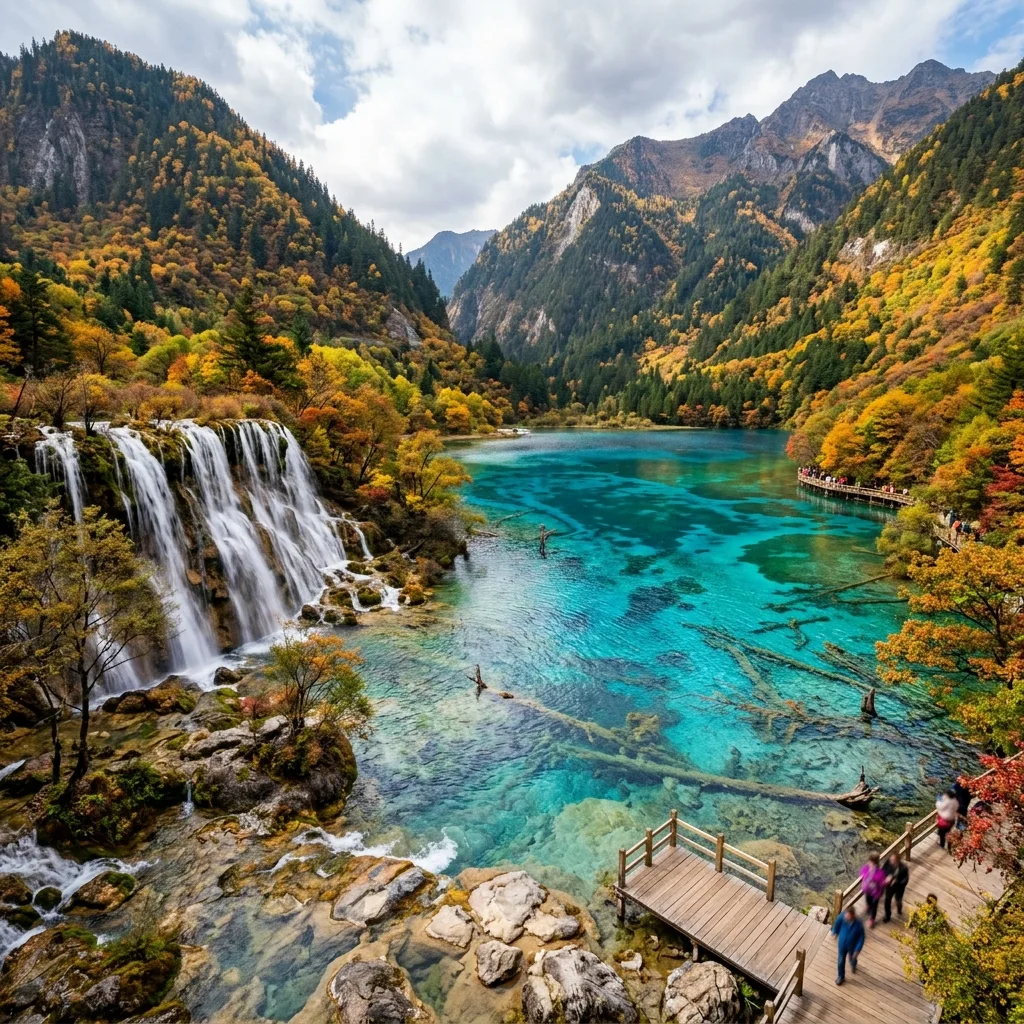
Imagine a place where turquoise lakes reflect snow-capped peaks, cascading waterfalls sing ancient songs, and forests glow with a thousand shades of autumn. This isn't a dream; it's Jiuzhaigou Valley, a UNESCO World Heritage site nestled in the Sichuan province of China. Renowned for its stunning multi-level waterfalls, colorful lakes, and diverse ecosystem, Jiuzhaigou offers an unparalleled natural spectacle. But with its remote location and specific visiting requirements, planning a trip to this natural wonderland can feel daunting. This guide cuts through the confusion, providing you with everything you need to know for a seamless and unforgettable adventure in Jiuzhaigou Valley in 2026.
Jiuzhaigou Valley, a UNESCO World Heritage site in China's Sichuan province, is famous for its stunning multi-colored lakes, pristine waterfalls, and diverse forest landscapes. It is an ecological marvel that draws visitors with its crystal-clear waters and unique calcified rock formations, offering a truly breathtaking natural experience.
Introduction
Are you dreaming of experiencing one of China's most breathtaking natural wonders, a place where vibrant turquoise lakes meet dramatic waterfalls and lush forests? Jiuzhaigou Valley, a UNESCO World Heritage site in Sichuan province, promises an unforgettable journey into a landscape often described as a fairy tale. However, navigating the logistics of visiting this remote yet incredibly popular destination can be challenging. From understanding the best time to visit and securing tickets to figuring out transportation and what to expect on arrival, this guide aims to be your definitive resource. We'll cover essential information for 2026, including up-to-date details on admission, operating hours, and practical tips, ensuring your trip to Jiuzhaigou's colorful lakes and majestic waterfalls is as smooth and magical as the scenery itself. Prepare to unlock the secrets to a perfect Jiuzhaigou adventure.
Jiuzhaigou: A Jewel of Sichuan
Nestled within the Min Mountains on the edge of the Tibetan Plateau, Jiuzhaigou Valley translates to "Nine Village Valley," named after the nine Tibetan villages scattered throughout its vast expanse. This national park and nature reserve is celebrated for its ethereal beauty, characterized by its numerous multi-colored lakes, often attributed to their high concentration of calcium carbonate, and a series of spectacular waterfalls. The vibrant hues of the lakes, ranging from deep sapphire to emerald green and brilliant turquoise, shift with the sunlight and seasons, creating a dynamic visual feast.
Among its most famous attractions, Five Flower Lake (Wuhua Hai) is arguably the most stunning. This shallow, multi-colored lake is renowned for its incredible clarity and a dazzling spectrum of blues, greens, and yellows, created by mineral deposits and submerged ancient tree trunks. It’s a photographer’s paradise, particularly beautiful during autumn when the surrounding foliage adds an extra layer of vibrancy.
Further along, the Pearl Shoal Waterfall (Zhenzhutan Pubu) is a wide, terraced waterfall where water cascades over a gentle slope of calcified rock formations, resembling strings of pearls. The sheer expanse and the continuous roar of the water make it a truly immersive experience. Just downstream from Pearl Shoal is the dramatic Pearl Shoal, a broad, gently sloping area covered in small, rounded pebbles over which clear water flows, creating countless miniature waterfalls.
The majestic Nuorilang Waterfall (Nuorilang Pubu) is one of the widest highland waterfalls in China, stretching over 140 meters. Its powerful flow creates a misty spectacle, and in winter, parts of it can freeze into impressive ice formations. It’s often considered the heart of the "Y" shape of the valley, a crucial interchange point for the park's sightseeing bus routes.
At the highest point of the Zechawa Valley, you'll find Long Lake (Chang Hai), the largest and deepest lake in Jiuzhaigou. Surrounded by imposing mountains and often retaining snow well into summer, its deep blue waters offer a stark contrast to the shallower, more colorful lakes. It's a serene and awe-inspiring sight, often shrouded in mist, giving it a mystical quality. Near Long Lake is the equally mesmerizing Five-Colored Pond (Wucai Chi), a small but intensely vibrant lake whose colors can rival Five Flower Lake despite its size. Its extraordinary palette of blues, greens, and yellows is remarkably vivid.
Beyond its aquatic marvels, Jiuzhaigou boasts a rich biodiversity, home to pandas, golden monkeys, and numerous bird species, all protected within its pristine forests. The unique geological features, coupled with the rich cultural heritage of the local Tibetan people, and broader Chinese Culture Guide: Customs, Etiquette, Do’s and Don’ts for Travelers, make Jiuzhaigou a truly unique global treasure.
Planning Your 2026 Jiuzhaigou Adventure: Essential Information
To make the most of your visit to Jiuzhaigou Valley in 2026, meticulous planning is key. The park operates under strict visitor management policies to preserve its delicate ecosystem and ensure a pleasant experience for everyone. Here’s a breakdown of the critical details you'll need:
Operating Hours and Best Times to Visit
Jiuzhaigou Valley's operating hours vary seasonally, and it's crucial to adhere to these timings, especially the last entry time.
- Peak Season (April 1 – November 15): The park is generally open from 07:30 AM to 5:00 PM. This period offers the most vibrant scenery with lush greenery in summer and spectacular autumn foliage.
- Off-Peak Season (November 16 – March 31): Hours shift slightly to 08:30 AM to 5:00 PM. While colder, the winter months present a serene, snow-covered landscape and fewer crowds.
- Last Entry: Regardless of the season, the last entry is typically at 2:00 PM. Plan your arrival accordingly to allow sufficient time to explore.
The best time to visit often depends on what you want to experience. Autumn (September to October) is widely considered the most beautiful, with the forests ablaze in fiery reds, oranges, and yellows, contrasting spectacularly with the turquoise lakes. However, this is also the busiest period, requiring bookings well in advance. Spring offers wildflowers and melting snow, while summer provides lush landscapes and pleasant temperatures. Winter, though chilly, offers a unique tranquility and frosted beauty, with fewer tourists.
Admission Fees and Ticketing for 2026
Tickets for Jiuzhaigou Valley must be booked in advance via official channels, as there are no on-site ticket counters. Real-name registration with a passport or ID is required.
| Season | Dates | Entrance Fee (RMB) | Sightseeing Bus (RMB) | Total (RMB) |
|---|---|---|---|---|
| Peak Season | April 1 – Nov 15 | 190 – 220 | 90 | 280 – 310 |
| Off-Peak | Nov 16 – March 31 | 80 | 80 | 160 |
- Mandatory Sightseeing Bus: The sightseeing bus fee is obligatory and is usually paid together with your entrance ticket. This bus system is how visitors navigate the extensive park, stopping at major scenic spots.
- Second-Day Ticket: During the off-peak season only, visitors have the option to purchase a second-day ticket for an additional 20 RMB, plus the daily bus fee. This option must be arranged at the time of your initial purchase or before exiting the park on your first day.
- Free Entry: Children under 6 years old (or under 1.2 meters in height) and seniors over 65 generally receive free park admission, though bus fees may still apply for some categories. Additionally, residents of Zhejiang Province might be eligible for specific free ticket policies through 2026.
- Booking Recommendation: Due to a daily visitor cap (historically around 41,000, though this can fluctuate), it's highly recommended to book your tickets at least 7 days in advance, especially if you plan to visit during peak months like October or major Chinese holidays. Official booking platforms like "Aba Tourism" or authorized agents are the way to go.
Getting to Jiuzhaigou Valley
Reaching this pristine nature reserve involves a bit of travel, but the journey is well worth it.
- By Air: The most common way to reach Jiuzhaigou is by flying to Jiuzhai Huanglong Airport (JZH). This airport has connections from major Chinese cities like Chengdu, Chongqing, and Xi'an. From the airport, you can take a shuttle bus or taxi to Jiuzhaigou Valley, which is approximately a 1.5 to 2-hour drive.
- By High-Speed Train (New for 2026): A significant development for 2026 is the high-speed train connection from Chengdu to Huanglongjiuzhai Station. This journey takes approximately 2 hours. From Huanglongjiuzhai Station, visitors will need to take a bus for another 2-hour ride to the park entrance. This new train line is expected to significantly improve accessibility.
- By Bus: Long-distance buses are available from Chengdu's Xinnanmen Bus Station directly to Jiuzhaigou. This is a longer journey, typically 8-10 hours, but it's a more budget-friendly option and offers scenic views of the Sichuan countryside. However, for comfort and time efficiency, air travel or the new high-speed train are often preferred.
Navigating the Park: A Practical Guide
Once inside Jiuzhaigou, the efficient sightseeing bus system is your primary mode of transport. The valley is shaped like a "Y" with three main valleys: Rize Valley, Zechawa Valley, and Shuzheng Valley. The buses stop at designated points, and you can hop on and off as you please. Walking paths connect many of the scenic spots, allowing you to immerse yourself in the natural beauty at your own pace.
Suggested One-Day Itinerary
For a comprehensive one-day experience, most visitors follow a similar pattern to maximize their time and see the most iconic sights.
-
Morning – Rize Valley (Right Branch of the 'Y'):
- Take the Bus to the End: From the entrance, board a sightseeing bus directly to the primeval forest at the very end of Rize Valley. This allows you to work your way back down, mostly downhill, making for easier walking.
- Explore Primeval Forest & Arrow Bamboo Lake: Start with a walk through the serene Primeval Forest, then proceed to Arrow Bamboo Lake, known for its crystal-clear reflections.
- Five Flower Lake & Pearl Shoal Waterfall: These are absolute must-sees. Spend ample time at Five Flower Lake, appreciating its vibrant colors. Continue downstream to Pearl Shoal, and then witness the grandeur of Pearl Shoal Waterfall. The boardwalks here offer stunning viewpoints.
- Mirror Lake (Optional): If time permits and the water is calm, Mirror Lake offers perfect reflections of the surrounding mountains and trees. It’s best visited early in the morning before the wind picks up.
-
Midday – Nuorilang Tourist Center & Zechawa Valley (Left Branch of the 'Y'):
- Lunch at Nuorilang: The Nuorilang Tourist Center, located at the junction of the 'Y', is the main hub for food and restrooms. Options are basic but sufficient.
- Bus to Long Lake: After lunch, take a bus up the Zechawa Valley to Long Lake, the highest and largest lake. Enjoy the panoramic views and the deep blue waters.
- Five-Colored Pond: Walk down from Long Lake to the enchanting Five-Colored Pond. Despite its small size, its intense colors are captivating. This section is often less crowded than Rize Valley.
-
Afternoon – Shuzheng Valley (Main Branch of the 'Y'):
- Nuorilang Waterfall: Head back to Nuorilang and spend time at the impressive Nuorilang Waterfall if you haven't already.
- Shuzheng Lakes & Shuzheng Village: As you descend the main branch, explore the tiered Shuzheng Lakes, which include scenic spots like Shuzheng Waterfall and the ancient water mills of Shuzheng Village.
- Reed Lake & Bonsai Shoal: Further down, Reed Lake presents a beautiful contrast with its winding blue river through a sea of reeds. Bonsai Shoal is characterized by its numerous small trees and plants growing on calcified platforms, resembling natural bonsai.
-
Late Afternoon – Exit:
- From Bonsai Shoal or the last major bus stop in Shuzheng Valley, take the bus back to the park entrance.
Key Navigation Tips:
- Study the Map: Obtain a map at the entrance or download one beforehand.
- Bus Etiquette: Be prepared for queues at bus stops, especially during peak season. Buses are frequent.
- Walk Sections: While buses connect all major points, don't miss out on walking the boardwalks between popular spots within each valley, as this is where much of the magic happens.
- Start High, Go Low: This strategy (starting at the furthest points of Rize and Zechawa Valleys and walking downhill) saves energy and allows you to enjoy the best views.
Tips & Common Mistakes
Avoid common pitfalls and enhance your Jiuzhaigou experience with these insider tips:
- Book Everything in Advance: This cannot be stressed enough. From flights and accommodation to park tickets, pre-booking is essential, especially during peak season.
- Arrive Early: The park can get very crowded, particularly in Rize Valley. Arriving at opening allows you to enjoy the most popular spots with fewer people.
- Wear Comfortable Shoes: You'll be doing a lot of walking on well-maintained paths.
- Layer Your Clothing: Weather can change rapidly in the mountains. Be prepared for temperature fluctuations.
- Bring Snacks and Water: While there are some refreshment stops, having your own supplies is advisable.
- Respect the Environment: Jiuzhaigou is a protected area. Stick to marked paths, do not litter, and do not disturb wildlife.
- Consider a Multi-Day Visit (Off-Peak): If visiting during the off-peak season, purchasing a second-day ticket allows for a more relaxed exploration of the vast park.
- Photography: Bring a good camera and extra batteries. The lighting conditions can be tricky, but the rewards are immense. Consider a polarizing filter for capturing the vibrant lake colors.
- Altitude Sickness: Jiuzhaigou's altitude ranges from 2,000m to over 3,000m. Take it easy on your first day, stay hydrated, and avoid strenuous activity if you feel symptoms.
FAQ
Q: Is Jiuzhaigou Valley suitable for children and seniors? A: Yes, the park is generally well-equipped with accessible boardwalks and the sightseeing bus system makes it easy to navigate. However, the higher altitude requires caution, especially for seniors or those with health conditions.
Q: Can I visit Jiuzhaigou and Huanglong National Park on the same trip? A: Yes, it's a popular combination. Huanglong is another stunning UNESCO site known for its calcified terraces. However, Huanglong is at a higher altitude, so it's often recommended to visit Jiuzhaigou first to acclimatize, or allocate sufficient time to rest between the two.
Q: What kind of food is available inside Jiuzhaigou Valley? A: There are several restaurants, primarily at Nuorilang Tourist Center, offering simple Chinese dishes. Snacks and instant noodles are also available at smaller kiosks. For more variety and quality, it's best to eat outside the park, exploring local Sichuan food.
Q: Are there any restrictions on drones or professional photography equipment? A: Generally, drones are prohibited to protect wildlife and ensure visitor safety. For professional photography equipment beyond standard cameras, it's best to check with park authorities in advance for any specific regulations or permits required.
Q: What currency should I use in Jiuzhaigou? A: The official currency is the Chinese Yuan (RMB). While major hotels and some larger establishments may accept credit cards, it's always advisable to carry cash, especially for smaller vendors, local transportation, or in more remote areas. Mobile payment apps like WeChat Pay and Alipay are widely used in China, but require a local bank account or a linked international credit card through specific processes.
Conclusion
Jiuzhaigou Valley is more than just a destination; it's an experience that etches itself into your memory. With its kaleidoscope of lakes, thunderous waterfalls, and serene forests, it stands as a testament to nature's unparalleled artistry. By carefully planning your visit in 2026, taking into account the essential details regarding ticketing, transportation, and park navigation, you can ensure a smooth and deeply rewarding journey. Remember to book in advance, arrive early, and embrace the stunning beauty that unfolds at every turn. Whether you're a seasoned traveler or a first-time visitor to China, Jiuzhaigou offers a unique blend of adventure and tranquility, inviting you to discover its vibrant secrets. Start planning your unforgettable trip today and witness the magic of Jiuzhaigou for yourself.