Korean Drinking Culture Guide: Soju, Makgeolli & Craft Beer Explained

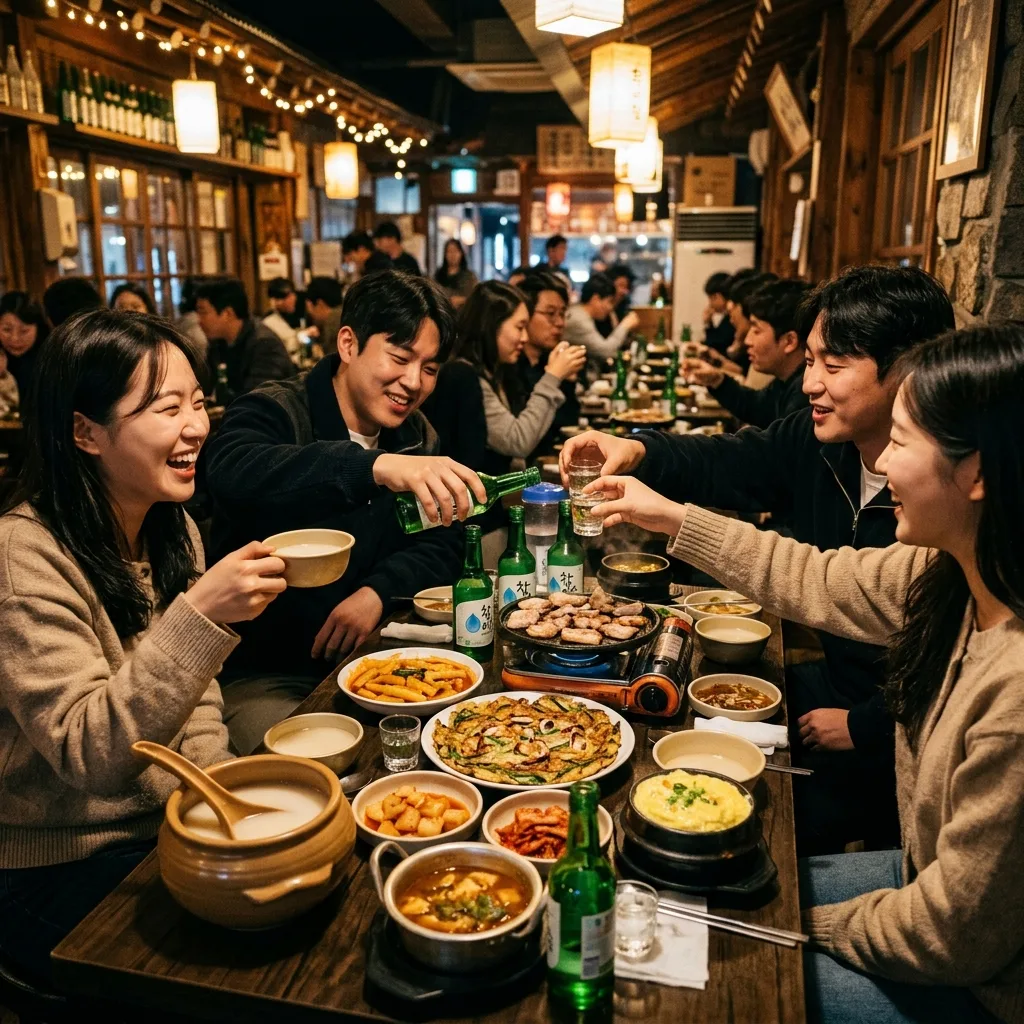
Imagine arriving in South Korea, eager to immerse yourself in its dynamic culture, only to find yourself confused by the complex etiquette of a communal soju toast or unsure which makgeolli to order. Korean drinking culture is a fascinating blend of tradition and modernity, deeply woven into the social fabric. From the ubiquitous green bottles of soju to the rustic charm of makgeolli and the rising popularity of craft beer, navigating this landscape can be as exhilarating as it is daunting for first-time visitors. This guide will demystify the essential beverages, customs, and evolving trends of 2026, ensuring you can confidently raise a glass like a local.
The Pillars of Korean Drinking: Soju, Makgeolli, and Beyond
Korean drinking culture is anchored by a few iconic beverages, each with its own history, flavor profile, and social context. Understanding these drinks is the first step to appreciating the local scene. In 2026, the South Korean drinking landscape continues its evolution, embracing a "healthy pleasure" movement that sees a rise in low-ABV and zero-sugar options, alongside a sustained interest in home-drinking with premium selections. This dynamic shift reflects a broader societal change, offering both traditional charm and modern innovation to those exploring Korea's vibrant social life.
Soju: The Green Bottle Icon
Soju, often called Korea's national drink, is a clear, distilled spirit traditionally made from rice, wheat, or barley. Its distinctive green bottle is instantly recognizable across the country. While traditionally potent, modern soju typically has an alcohol by volume (ABV) ranging from 16-25%. It's usually consumed neat, often in shot glasses, and is central to social gatherings and meals.
Taste Profile: Soju has a clean, crisp, and slightly sweet taste, though its primary characteristic is its smooth, alcoholic kick. Fruit-flavored soju varieties, which exploded in popularity in the 2010s, remain a staple, offering sweeter, more palatable options for those new to the drink.
Current Trends (2026): The soju market is adapting to changing consumer preferences. Zero-sugar soju has become a dominant force, appealing to health-conscious drinkers. While the classic clear soju remains popular, newer variations with lower alcohol content and innovative flavors are continually introduced to cater to the "sober curious" generation. A standard 360ml bottle of soju costs approximately ₩1,900 ($1.40 USD) at convenience stores and around ₩1,330 ($1.00 USD) at large supermarkets. In restaurants, expect to pay between ₩5,000 to ₩7,000 ($3.70-$5.20 USD).
Makgeolli: The Ancient Elixir
Makgeolli is an unfiltered rice wine, milky in appearance and often slightly fizzy. With an ABV typically between 6-8%, it's considerably lighter than soju and offers a unique tangy and sweet flavor profile. Historically, it was the drink of farmers and the working class, but it has experienced a significant resurgence, gaining popularity among all demographics for its unique taste and perceived health benefits (it's rich in lactic acid bacteria and yeast).
Taste Profile: Makgeolli's flavor is complex, ranging from sweet and creamy to tart and effervescent, often with notes of fermented rice. It's best served chilled and gently mixed (the sediment settles at the bottom) before pouring into traditional bowls rather than glasses.
Modern Comeback: Craft makgeolli breweries are innovating, introducing new flavors like chestnut, fruit, or even coffee-infused varieties, and using premium ingredients to create sophisticated versions of this ancient drink. This revival has led to makgeolli bars becoming trendy spots, particularly in areas frequented by younger crowds and tourists.
Korean Beer: From Hite to Craft
While soju and makgeolli hold historical significance, beer is also a popular choice in South Korea. For decades, the market was dominated by a few large breweries producing light lagers (Hite, Cass, Terra). However, the craft beer scene has exploded in the past decade, offering a diverse range of styles.
Traditional Lagers: Korean mass-produced lagers are known for their clean, crisp, and refreshing qualities, designed to complement Korean cuisine without overpowering it. They are typically lower in bitterness and have a lighter body compared to many Western counterparts.
The Rise of Craft Beer: Driven by a growing appreciation for diverse flavors and brewing artistry, craft breweries have flourished across the country, especially in Seoul. These breweries experiment with various hops, malts, and fermentation techniques, producing everything from hoppy IPAs and rich stouts to unique Korean-inspired ales. Popular craft beer districts like Gyeongnidan-gil in Itaewon or certain alleys in Hongdae now boast numerous taprooms.
Highballs and Low-ABV Trends (2026): In a significant development for 2026, the South Korean government has introduced a 30% liquor tax reduction for low-alcohol mixed beverages (ABV 8.5% or less), leading to a projected 15% drop in prices for ready-to-drink (RTD) highballs. This policy aims to encourage more moderate drinking and reflects the national shift towards lower-alcohol options, making highballs an even more attractive choice for many.
Cheongju and Other Traditional Spirits
Beyond the big three, South Korea boasts a rich tradition of other alcoholic beverages:
- Cheongju: A refined, clear rice wine that is essentially a filtered version of makgeolli. It's known for its delicate aroma and smooth taste, often served chilled in small cups. Popular brands include Cheongha and Bekseju.
- Fruit Wines (Gwa실주): Wines made from various Korean fruits, such as bokbunja (Korean raspberry wine) or maesilju (plum wine), are also widely consumed. These are typically sweeter and enjoyed as an after-dinner drink or with specific dishes.
- Traditional Liquors: Various regional specialties, often made with unique local ingredients and traditional fermentation methods, can be found in more specialized shops or restaurants. These often carry a higher price point and are appreciated for their artisanal quality.
Navigating the Social Pour: Korean Drinking Etiquette
Korean drinking etiquette is a nuanced dance of respect, hierarchy, and communal bonding. Observing these customs is crucial for a smooth and enjoyable social experience, especially when dining or celebrating with Koreans.
Respect for Elders and Superiors
This is perhaps the most fundamental rule. When drinking with elders or those in a higher social or professional position:
- Receiving a Drink: Always use two hands to receive a drink. Hold your glass with one hand and support your forearm or elbow with the other. This shows respect.
- Pouring a Drink: Always pour for others, never for yourself. Use two hands when pouring for an elder or superior. For peers or subordinates, one hand is acceptable. Ensure their glass is never empty.
- Drinking: When drinking in front of an elder or superior, turn your head slightly away from them and cover your mouth with your hand while you drink. This is a sign of deference.
The Art of the Pour
In Korean drinking culture, refilling glasses is a continuous act of hospitality and care.
- Never Pour for Yourself: It's considered impolite to fill your own glass. Someone else will always pour for you, and you should reciprocate.
- Keep Glasses Full (or nearly full): Pay attention to the glasses around you. If someone's glass is approaching empty, offer to refill it.
- The "One Shot" Culture: Especially with soju, there's often a push for "one shot" (원샷, wonsyat), meaning to down the entire glass in one go, particularly when making a toast. While common, you are not obligated to do so, especially if you prefer to sip. It's perfectly acceptable to take a smaller sip and express gratitude.
Toasts and Cheers
Toasts are an integral part of Korean drinking, used to foster camaraderie and celebrate.
- Geonbae! (건배!): The most common toast, equivalent to "Cheers!" or "Bottoms up!"
- Wihayeo! (위하여!): Meaning "For [something]!" or "To [something]!", often followed by the reason for the toast.
- Communal Spirit: Toasts are usually followed by everyone clinking glasses (or bottles, especially with beer and soju) and then drinking.
Refusing a Drink (Gracefully)
While it's considered polite to accept a drink when offered, especially by an elder, you can decline gracefully.
- Initial Acceptance, Then Decline: Sometimes, accepting the first pour and taking a small sip before stating you've had enough (e.g., "괜찮습니다," gwaenchanseumnida, meaning "I'm okay" or "I've had enough") is more polite than an outright refusal.
- "My Stomach Is Not Good": A common and socially acceptable excuse to limit alcohol intake.
- Designated Driver: If you are driving, make it clear from the beginning. Koreans respect the role of a designated driver.
The "Hoesik" (회식): Company Dinners
The traditional Hoesik, or company dinner, was once characterized by heavy drinking and often extended late into the night. However, this culture has significantly shifted by 2026. The "Sober Curious" and "Healthy Pleasure" movements have led to shorter, earlier gatherings that rarely last past midnight. While alcohol may still be present, the emphasis is less on mandatory heavy drinking and more on team bonding and dining. This evolution is a direct result of younger generations prioritizing well-being and work-life balance.
Legal Drinking Age (2026)
The legal drinking age in South Korea is 19 (international age). However, Korea uses a "calendar year" system. This means you are legal to purchase and consume alcohol starting January 1st of the year you turn 19. For example, in 2026, anyone born in 2007 or earlier can legally buy alcohol. Always carry your ID, especially if you look younger than your age.
Where to Drink and What to Expect: A Practical Guide
South Korea offers a diverse range of establishments for enjoying alcoholic beverages, each providing a unique atmosphere and experience.
Pocha (포차): Street Stalls
Pocha are informal, often tented, street stalls that serve a variety of anju (안주, drinking snacks) alongside soju, beer, and makgeolli. They are beloved for their casual atmosphere, delicious comfort food, and vibrant street-side ambiance, especially in bustling areas like Jongno or Hongdae. Prices are generally very reasonable.
- What to expect: Plastic chairs, lively conversations, delicious and affordable food, and a genuine slice of Korean everyday life.
- Prices (Approximate): Soju bottle: ₩4,000-₩5,000; Beer bottle: ₩4,000-₩6,000; Anju dishes: ₩10,000-₩25,000.
Hof (호프): Beer Halls
Hofs are casual beer halls, akin to pubs, that primarily serve draft beer and a wide array of fried chicken, dried squid, and other beer-friendly snacks. They are popular spots for after-work gatherings and friends looking for a relaxed evening.
- What to expect: Casual seating, often large screens showing sports, a focus on beer, and generous portions of anju.
- Prices (Approximate): Draft beer (500ml): ₩4,000-₩8,000; Anju dishes: ₩15,000-₩30,000.
Makgeolli Bars (막걸리집)
These specialized establishments, which have seen a renaissance, focus on serving various types of makgeolli, often paired with traditional Korean pancakes (전, jeon) or other complementary dishes. They range from rustic, traditional settings to modern, chic spaces.
- What to expect: A cozy atmosphere, a wide selection of makgeolli (sometimes even craft makgeolli on tap), and delicious jeon.
- Prices (Approximate): Makgeolli pitcher (1L): ₩10,000-₩20,000; Jeon dishes: ₩15,000-₩25,000.
Craft Beer Pubs
Seoul, Busan, and other major cities boast a thriving craft beer scene with numerous pubs and taprooms. These establishments offer a rotating selection of local and international craft beers, often with a more Western-influenced ambiance.
- What to expect: A wide variety of unique beers, knowledgeable staff, and a more relaxed, often quieter atmosphere than traditional Korean drinking spots.
- Prices (Approximate): Craft beer pint: ₩7,000-₩12,000.
Izakaya and Japanese-Style Bars
Reflecting a broader culinary trend, Japanese-style izakaya and bars are also very popular, offering a selection of sake, Japanese beers, and sophisticated small dishes. They provide a different vibe, often more intimate and refined.
Convenience Stores and Supermarkets
For those looking to enjoy drinks at home or in casual outdoor settings (where permitted), convenience stores (like GS25, CU, 7-Eleven) and supermarkets are excellent options. They offer a vast selection of soju, beer, makgeolli, and the increasingly popular RTD highballs. Prices are significantly lower here than in restaurants or bars.
- Current Prices (2026): Soju (360ml): ~₩1,900; RTD Highballs: Projected to drop by approximately 15% due to tax reductions, making them even more affordable.
Tips & Common Mistakes for Travelers
To truly enjoy South Korea's drinking culture, a few insider tips can go a long way, helping you avoid common missteps and maximize your experience.
Don't Chug Soju (Unless You Want To)
While the "one shot" culture is prevalent, especially during toasts, you are not always expected to finish your soju in one gulp. It's okay to sip, particularly if you're not a heavy drinker. Politely indicate your preference. The pressure has somewhat lessened with the "sober curious" trend.
Pace Yourself and Stay Hydrated
Korean drinking sessions can be marathon events. It's easy to get carried away. Alternate alcoholic drinks with water and ensure you eat plenty of anju. Many anju dishes are designed to complement alcohol and help absorb it.
Never Pour Your Own Drink
This cannot be stressed enough. Always wait for someone to pour for you, and actively look to refill others' glasses. It’s a fundamental gesture of respect and hospitality.
Master the Two-Handed Pour/Receive
This small gesture makes a huge difference, especially with new acquaintances or elders. It instantly communicates respect and understanding of local customs.
Try "Somaek" (소맥) – Soju and Beer Bomb
A popular concoction, somaek involves dropping a shot glass of soju into a glass of beer, then chugging the mixture. It's a quick way to get buzzed and is often done during lively social gatherings. There are even special devices to create the perfect somaek. This is a quintessential part of modern Korean social drinking for many.
Embrace the Anju
Anju (안주) are drinking snacks, and they are just as important as the drinks themselves. From crispy fried chicken (chimaek) and spicy stir-fried pork (jeyuk bokkeum) to fresh fruit platters and savory pancakes (jeon), anju are designed to enhance the drinking experience and prevent excessive intoxication. Don't overlook them!
Know When to Say No (Politlately)
If you genuinely cannot drink more, a polite refusal with a slight bow and a simple "괜찮습니다" (gwaenchanseumnida, I'm okay) or "더 이상 마실 수 없습니다" (deo isang masil su eopseumnida, I can't drink anymore) is acceptable. You can also cite being a designated driver as a universally respected reason.
Be Aware of Public Drinking Laws
While drinking in public parks is generally tolerated in designated areas, it's always wise to be discreet and respectful. Open containers on public transportation are generally not allowed.
FAQ: Your Korean Drinking Culture Questions Answered
Q1: Is tipping customary in Korean bars or restaurants?
A1: No, tipping is generally not customary in South Korea. The prices listed are typically what you pay, and service charges are usually included. Attempting to tip might even cause confusion.
Q2: Can I drink alcohol in public parks or on the street?
A2: Drinking in public parks is generally permitted and quite common, especially during warmer months. However, it's important to be respectful, keep noise levels down, and dispose of your trash properly. Drinking openly on the street is less common but generally tolerated unless you are causing a disturbance. Always check for local signage or restrictions, though these are rare.
Q3: What is "Chimaek" and why is it so popular?
A3: "Chimaek" (치맥) is a portmanteau of "chicken" (치킨, chikin) and "maekju" (맥주, maekju, beer). It refers to the hugely popular combination of fried chicken and beer. It's a beloved pairing for casual dinners, late-night snacks, and social gatherings, celebrated for its perfect balance of crispy, savory chicken and refreshing cold beer. Many restaurants specialize in chimaek, offering various chicken preparations and beer selections.
Q4: Are there non-alcoholic options available in bars and restaurants?
A4: Yes, absolutely. With the rise of the "sober curious" movement and a general trend towards healthier lifestyles, non-alcoholic options are becoming increasingly prevalent. Most establishments will offer soft drinks, juices, and often non-alcoholic beers. Some trendy cafes and bars also feature sophisticated mocktails. Don't hesitate to ask for "음료수" (eumryosu, beverage) or "무알코올 맥주" (mu-alkohol maekju, non-alcoholic beer).
Q5: What's the best way to get home after a night out?
A5: South Korea has an excellent public transportation system, but subways and buses typically stop running around midnight to 1 AM. Taxis are readily available, especially in major cities, and ride-hailing apps like Kakao Taxi are very popular and convenient. If you've been drinking, always prioritize safety by using a taxi or designated driver service (대리운전, daeri unjeon). Never drink and drive.
Conclusion: Raising a Glass to Korean Hospitality
South Korea's drinking culture is a vibrant, evolving tapestry of tradition, social ritual, and modern trends. From the humble green bottle of soju and the earthy comfort of makgeolli to the burgeoning craft beer scene and the shift towards low-ABV options, there's a drink and an experience for every palate. By understanding the etiquette of respect, the joy of communal pouring, and the importance of anju, you're not just consuming beverages; you're participating in a cherished aspect of Korean social life.
Armed with this guide, you can confidently navigate the nuances of a Hoesik, skillfully offer a toast with a resounding Geonbae!, and savor the diverse flavors that define the country's unique drinking landscape. So, raise your glass – or rather, let someone else raise it for you – and immerse yourself in the warm, convivial spirit of South Korea.
Remember to check out our guide on Korean Social Customs for more insights into respectful interactions. If you're planning a culinary adventure, our article on A Foodies Guide to South Korea will complement your drinking experiences perfectly. For those looking to explore Seoul's nightlife, consider reading our Guide to Seoul's Nightlife.