Jeju Slow Travel Itinerary: Wellness, Nature & Mindful Exploration

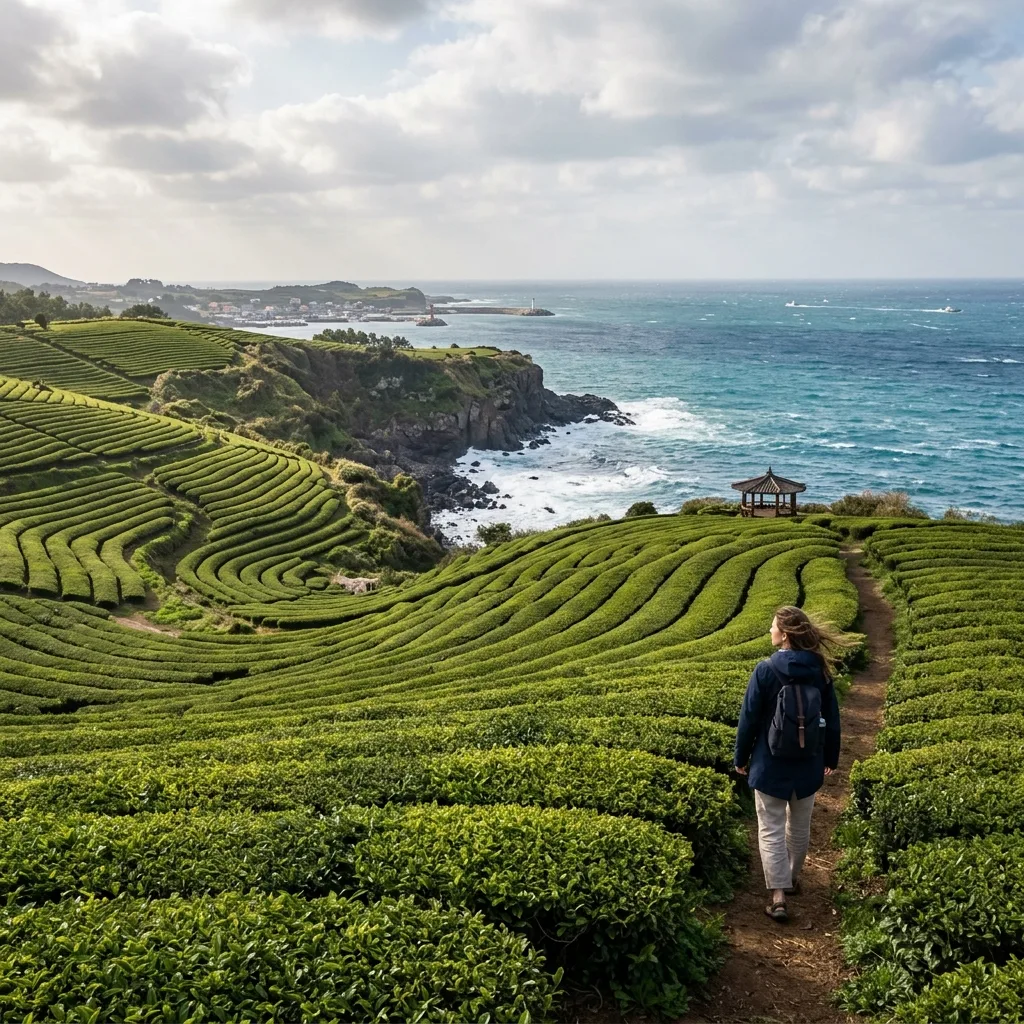
Jeju rewards the traveler who slows down. If you try to turn the island into a box-ticking race, you will spend more time in traffic, parking lots, and decision fatigue than you will in the actual places you came to see. But if you treat Jeju like a place to breathe, walk, sit, and eat well, it becomes one of the most restorative trips in Korea.
This itinerary is built for that version of the island. It favors tea fields over theme parks, forest paths over shopping detours, and a few well-chosen stops over the usual overstuffed list. If you want the classic road-trip version first, start with The Perfect 4-Day Jeju Island Road Trip (East, South, West); if you want the slower, more intentional version, keep reading.
Why Jeju Works So Well for Slow Travel
Jeju works well for slow travel because its tea fields, forest paths, coastal roads, and wellness stops reward unhurried time. Instead of chasing a checklist, build each day around one anchor experience, one long meal, and one calm transition between places.
Slow travel in Jeju is not about avoiding the famous places. It is about visiting them in a way that lets them land. That usually means fewer destinations per day, longer meals, one or two walks that are actually memorable, and at least one wellness stop where you are not chasing a photo or a schedule. It also means accepting that Jeju is bigger and more spread out than first-time visitors expect. The island looks compact on a map, but road time adds up quickly.
The easiest way to understand the rhythm is this: choose one anchor per half-day, then let everything else support it. For example, a morning at Osulloc Tea Museum works best when paired with a nearby forest walk or a long café stop, not another hour-long attraction immediately after. A coastal stroll on an Olle section works best when you keep lunch simple and avoid stacking it with a long drive to the opposite side of the island. That logic is what turns a packed itinerary into a restorative one.
A Mindful Jeju Itinerary: The Core 4-Day Shape
If this is your first slow-travel trip to Jeju, four days is the sweet spot. Three days can work if you stay on one side of the island, and five days gives you enough margin for weather or extra rest. But four days is long enough to feel unhurried without becoming expensive or overly repetitive.
Day 1: Arrival, Reset, and Seogwipo Pace
Start on the southern side of the island if you can. Seogwipo is the best base for slow travel because it balances nature, food, and calmer evenings better than Jeju City. After landing, pick up your rental car or transfer to your hotel, then resist the urge to cram in a major hike. The first day should feel like a decompression chamber.
Begin with a soft landing: a café, a light lunch, and one low-stress outdoor stop. If your flight arrives early enough, Jeju Stone Park is a strong first choice because it gives you both scenery and context. The park is not just a walking area; it also tells you something useful about the island’s stone culture, mythology, and volcanic identity. That makes it more than "a place to take photos" and less likely to feel like filler.
After that, keep the evening simple. A slow dinner in Seogwipo, a walk along the harbor, or an early stop at a jjimjilbang will do more for your trip than another long transfer. If you are interested in Korean sauna culture, read Korean Spa Etiquette: Do’s and Don’ts for International Visitors before you go. Jeju’s wellness spaces are friendlier when you know the rhythm ahead of time.
Day 2: Tea Fields, Forests, and the West Coast
The western side of Jeju is where slow travel becomes visible. Tea fields, coastal roads, and easier pacing make this part of the island feel like it was built for lingering. Start at Osulloc Tea Museum in the morning, before the crowds arrive and while the tea fields still feel cool. Then leave enough time to sit down, order something green, and let the place be more than a quick stop.
After Osulloc, do not rush to another major attraction. Pair it with a forest or a quieter coastal stretch. A walk through Gotjawal terrain or a slower drive toward Aewol gives the tea-field morning time to settle. If you want a more structured walking route, this is also where a section of the Jeju Olle Trail makes sense. You do not need to walk an entire route to feel the effect; even one short section can reset the tone of the day.
Finish the afternoon at a seaside café rather than at another "must-see" spot. Jeju’s west coast is famous for sunset views, but the real value is the in-between time. Order a drink, sit outside if the wind allows it, and let the coast slow your pace naturally. Slow travel works when you stop trying to outpace the scenery.
Day 3: Eastern Jeju and the Long Walk Feeling
The east side of Jeju is where the island starts to feel more open and elemental. This is the place for a longer drive, a longer walk, and fewer interruptions. If the weather is good, anchor the day around one outdoor route and one meal you will remember. That could mean a sunrise-adjacent start, a ridgeline walk, or a coastal section with basalt scenery and sea air.
Many travelers try to treat the east as a checklist of viewpoints. A better approach is to choose one area and stay there. If you enjoy walking, the Jeju Olle routes are ideal because they reward patience rather than speed. If you prefer something less physical, choose a long lunch, a scenic drive, and one beach or lookout with space to sit. Jeju is especially good at this kind of "soft ambition" day, where the goal is not distance but atmosphere.
In the evening, return to Seogwipo or stay one night farther east if you want a more remote feel. A smaller guesthouse near the coast can make the next morning feel dramatically different from city-hotel Jeju. That shift matters more than another attraction would.
Day 4: One Last Wellness Stop Before You Leave
Your final day should be intentionally light. This is the day to visit a market, drink one last cup of tea, or spend an hour at a quiet museum rather than forcing in a sunrise hike and a long shopping run. If you are departing from Jeju City, move north slowly and keep your schedule soft. If you are leaving from the south, use the day for one last reflective walk.
A good final-day shape looks like this: breakfast, one short cultural stop, a relaxed lunch, then airport transfer. The point is not to "use up" the remaining hours. It is to end the trip with enough space to feel like you actually rested.
What to Choose, What to Skip, and What to Stretch Out
Slow travel in Jeju is partly an itinerary question and partly a discipline question. The island gives you many temptations to overbook yourself: cliff viewpoints, markets, theme cafés, museums, beaches, and scenic roads all compete for attention. But the best Jeju trips usually have the same structure underneath them: one or two meaningful nature experiences, one food-focused block, and one wellness or cultural anchor each day.
Here is the simplest decision rule:
- Choose places where you can stay at least 45 minutes without checking your watch.
- Skip places that only feel satisfying in a rapid photo sequence.
- Stretch out places that have a clear sensory payoff: tea fields, forests, markets, coastal walks, and bathhouses.
That approach does more than make the trip calmer. It also makes the trip feel more Jeju-like. The island’s identity is tied to volcanic terrain, herbal and tea traditions, seafood, and long-standing walking culture. When you move through it slowly, those elements become obvious. When you rush, they blur together.
If you are traveling as a couple, slow travel is especially effective in Jeju because the island naturally creates shared pauses. If you are traveling solo, it gives you room to actually notice where you are instead of mentally drafting the next move. If you are traveling with family, it reduces friction because children and older travelers are less likely to feel dragged from place to place.
Practical Guide: Hours, Admission, and Getting Around
This is the part that matters when you actually start booking. Jeju is forgiving in many ways, but the wrong assumptions about opening hours, fees, or transport can waste a day.
Verified Operating Details for Key Slow-Travel Stops
| Place | Why It Fits Slow Travel | Current Hours / Fee |
|---|---|---|
| Osulloc Tea Museum & Factory | Tea, landscape, and a built-in pause | Open daily 9:00 AM to 6:00 PM; admission is free |
| Jeju Stone Park | Walking, mythology, and volcanic context | Tuesday to Sunday, 9:00 AM to 6:00 PM; adult admission is ₩5,000 |
| Jeju Olle Trail | Long-form walking and quiet coastal scenery | No fixed admission fee; walk sections in daylight and check weather before setting out |
Osulloc is the easiest place to lock into a slow-travel day because it has a clear rhythm and no admission barrier. The tea museum opens every day from 9:00 AM to 6:00 PM, and the grounds are designed for wandering rather than speed. If you want to linger over tea, arrive early enough to avoid the heaviest crowd window, then spend time in the café or tea shop instead of treating it as a photo stop.
Jeju Stone Park is a better fit if you want something that feels both scenic and educational. The park operates Tuesday through Sunday from 9:00 AM to 6:00 PM, with adult admission at ₩5,000. It is one of the easiest places to spend a half-day without it feeling empty, because the landscape and the exhibits reinforce each other.
The Jeju Olle Trail is the most flexible option of the three because it has no single entry fee and no single "must do" way to experience it. You can walk a short stretch, pair it with a meal, or use it as a quiet interlude between other stops. For travel logistics, this is where The Ultimate Guide to Public Transportation in Korea (2025 Edition) can still help even if you are driving, because the same logic of transfer time and spacing applies when you plan island movement.
How to Get Around Without Killing the Mood
You can do slow-travel Jeju by bus, by car, or by a mixed strategy. The right answer depends on your tolerance for transfer time and how much you want to control your own pacing.
Car rental: Still the easiest option for most visitors. Jeju’s road network is straightforward enough that driving is not difficult, but parking and seasonal traffic can affect how "slow" the day feels. A car is best if you want to pair a tea museum, forest stop, and coastal café in one day without waiting for buses.
Bus: Better for travelers who want a lower-stress environmental footprint or who are planning only a few destination blocks. It works if you are disciplined. It does not work well if you want spontaneous detours. For a deeper comparison of transport planning in Korea, the public-transit guide above is the better starting point.
Taxi plus short transfers: Useful if you are staying in one area and want to avoid parking hassles. This can be a good compromise for travelers who want a calm trip but do not want to drive at all.
The most important rule is not the transport mode itself. It is the number of transitions you ask of your day. Every extra transfer adds friction. On slow travel days, friction is the enemy.
Booking and Timing Tips
Book the major arrival and departure pieces first, then build the itinerary around them. That means flight, car rental if needed, and lodging. After that, schedule the anchor experiences with only one or two optional additions.
If you want a tea-focused day, keep the afternoon open. If you want a walking day, keep meals near the walking area. If you want a wellness day, do not stack it behind a long mountain drive.
That sounds obvious, but it is where most Jeju itineraries break down. They are full of good places that are arranged in bad order.
Tips and Common Mistakes
1. Don’t Overestimate How Much You Can See in One Coast
Jeju looks manageable on a map, but the road network and stop timing make "one more attraction" a trap. The island is not a city with quick hops. It is an island with moods. If you try to see the east, west, and south in one day, you will spend the trip inside the car.
2. Don’t Treat Tea Cafés Like Fast Food Stops
Osulloc and the other tea spaces work because they give you a reason to stay. Order the tea, the dessert, or the set menu, then actually sit. If you leave after ten minutes, you miss the point. Tea culture in Jeju is not just about taste; it is about slowing the body down enough to notice texture, temperature, and scent.
3. Don’t Pair Every Scenic Stop with a Heavy Meal
Jeju food is rich, and rich food is part of the pleasure. But if you pair every stop with a full barbecue or seafood feast, the day gets heavy very quickly. For slow travel, lighter lunches often work better: noodles, porridge, tea snacks, or a simple café meal. Save the richer dinner for when the driving is done.
4. Don’t Skip the Small Roads
The prettiest parts of Jeju are often between the famous points. Stone walls, tangerine groves, quiet village roads, and seaside shoulders can be more memorable than a crowded lookout. If you are driving, resist the instinct to keep the route as direct as possible at all times. Sometimes the scenic secondary road is the actual destination.
5. Don’t Confuse "Wellness" With Only Spas
Jeju wellness is broader than bathhouses and beauty products. It includes walking, weather, air, tea, and silence. A good wellness day on Jeju can be as simple as a forest path followed by an early dinner and a longer sleep. If you need a more explicit bathhouse or sauna stop, use the etiquette guide above so the experience stays relaxing rather than awkward.
6. Don’t Ignore Weather Shifts
Jeju changes quickly. Coastal wind, fog, and rain can change the whole mood of a day. Have at least one indoor option ready for each day: a museum, tea house, market, or wellness stop. Slow travel is not rigid travel. It is flexible travel with better pacing.
A Better Way to Organize Your Days
If you want the itinerary to feel truly restorative, organize each day around a single question rather than a list of places.
- Day 1 question: Where can I arrive, exhale, and settle in?
- Day 2 question: Where can I spend time in a landscape that asks me to slow down?
- Day 3 question: Where can I walk without hurrying?
- Day 4 question: What feels like a calm final memory of the island?
That question-based method works because it stops you from overfitting the day to a map. Instead, you choose experiences based on how they feel.
For example:
- If you want tea and design, build around Osulloc.
- If you want mythology and volcanic context, build around Jeju Stone Park.
- If you want silence and movement, build around the Olle Trail.
- If you want to recover between active days, schedule a bathhouse or long café stop instead of another drive-heavy attraction.
When people say a Jeju trip felt "peaceful," it is usually because they accidentally did this right. When people say it felt tiring, it is usually because they treated the island like a checklist.
FAQ
Is Jeju good for slow travel without a car?
Yes, but you need to be selective. If you are not driving, choose one base, one side of the island, and a smaller number of destinations. Bus travel can work for tea areas, city stops, and some walking routes, but it becomes harder when you start stacking remote nature sites. If your goal is a low-friction itinerary rather than maximum flexibility, a no-car trip is still possible.
How many days do I need for a mindful Jeju trip?
Four days is ideal for most first-time visitors. Three days works if you keep the route tight, and five days gives you more time for weather changes or recovery time between outings. The key is not just the number of days but the density of each day. Even a four-day trip can feel rushed if you plan too many stops.
What is the best season for a slower Jeju itinerary?
Spring and autumn are usually the easiest seasons for walking and outdoor time. Spring gives you fresh green landscapes and softer weather, while autumn tends to be more comfortable for long meals and coastal walks. Summer can work, but heat and humidity can push you toward shorter outdoor blocks and more indoor pauses.
Can I mix wellness and sightseeing in the same day?
Yes, but keep the sightseeing light. A good mix is one cultural stop, one nature stop, and one long rest block. For example, a museum in the morning, a coastal walk in the afternoon, and a bathhouse or tea café in the evening. That balance preserves the wellness feel instead of draining it.
Is Jeju expensive for slow travel?
It can be, but slow travel helps because you spend less on constant transfers and impulse admissions. If you limit yourself to a few strong stops and choose lodging carefully, the island becomes much more manageable. The biggest cost variables are usually airfare, car rental, and accommodation, not the tea museum or trail itself.
What should I absolutely not miss?
If you only have room for three things, make them a tea stop, a walk, and a long meal. On a Jeju slow-travel itinerary, that combination captures the island better than a packed list of landmarks ever will. The details can change, but that structure is the core.
Conclusion
Jeju does not need to be conquered to be understood. It needs to be entered at the right speed. When you give the island enough time, its best qualities come forward naturally: volcanic landscape, tea culture, coastal air, stone traditions, and a pace that encourages you to stop performing "travel" and start actually inhabiting the day.
That is why slow travel works so well here. It matches the island’s own rhythm. The right Jeju itinerary is not the one with the most stops; it is the one with the fewest unnecessary transitions and the most memorable pauses.
If you want the more conventional route-map version, compare this guide with The Perfect 4-Day Jeju Island Road Trip (East, South, West). If you want to deepen the walking side of the trip, pair it with Exploring the Jeju Olle Trail: A Walker's Paradise. And if your version of wellness includes a hot floor and a bowl of sikhye, keep Korean Spa Etiquette: Do’s and Don’ts for International Visitors open in another tab.
Jeju is better when you let it breathe. So should your itinerary.