The Perfect 4-Day Jeju Island Road Trip (East, South, West)
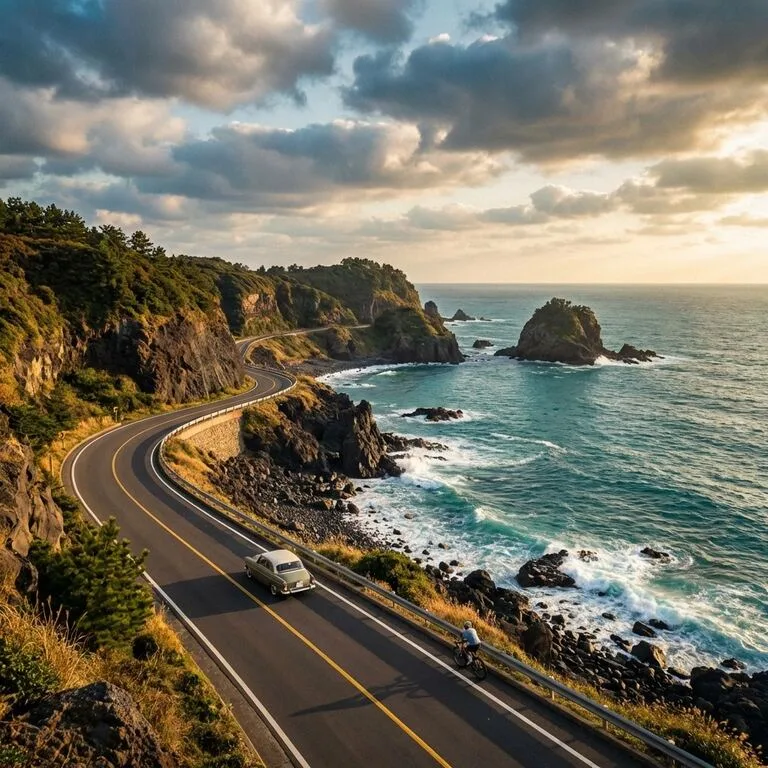
Jeju Island is often called "The Hawaii of Korea," but that comparison doesn't quite do it justice. It's a volcanic wonderland where emerald tea fields meet jagged basalt cliffs, and towering waterfalls crash directly into the ocean.
However, many first-time visitors make a critical mistake: they underestimate its size. Jeju is three times larger than Seoul. You cannot see "a bit of everything" in a single day.
To truly experience the island—from the sunrise peaks of the East to the tangerine groves of the South and the hipster cafes of the West—you need a plan, and you need a car.
Here is the perfect 4-day road trip itinerary to help you circumnavigate Korea's crown jewel.
Before You Go: The Golden Rule (Rent a Car)
Public transport on Jeju exists, but it is designed for locals, not tourists. Buses can be infrequent, and many of the best scenic spots are far from the main bus loops. Trying to rely on buses will likely cost you 30-40% of your daylight hours just waiting at stops.
- Requirement: You must have an International Driving Permit (IDP) issued from your home country. Your domestic license alone will not work.
- Navigation: Google Maps works okay-ish, but Naver Map or Kakao Map are far superior.
- Speed Limits: Jeju is famous for its speed cameras. The limit is often a frustratingly slow 50km/h (30mph), even on wide roads. Cruise control is your friend.
- Read More: How to Rent a Car in Korea
Day 1: The Majestic East (Sunrise & Lava Tubes)
We start our journey on the eastern side of the island. This area is defined by its dramatic geology and deep roots in Jeju's Haenyeo (female diver) culture.
Morning: Seongsan Ilchulbong (Sunrise Peak)
This is the single most iconic landmark on Jeju. formed by a hydro-volcanic eruption 5,000 years ago, this massive tuff cone rises straight out of the sea.
- The Hike: It takes about 20-30 minutes to hike the steep staircase to the rim. It’s a workout, but the view of the crater and the surrounding ocean is worth every step.
- Pro Tip: If you can’t wake up for the actual sunrise, go early (8:00 AM) to beat the tour buses.
- Haenyeo Show: At the bottom of the cliff, catch the daily performance by the Haenyeo divers (usually at 1:30 PM/3:00 PM), who free-dive for seafood without oxygen tanks.
Lunch: Abalone Porridge at Seopjikoji
Just south of Seongsan is Seopjikoji, a scenic cape famous for its fields of yellow canola flowers (in spring) and dramatic cliffs.
- Eat: Try Jeonbok-juk (Abalone Porridge). It’s a Jeju staple—creamy, rich, and green (from the abalone innards).
- Visit: The Glass House (designed by Tadao Ando) creates a stunning frame for the lighthouse view.
Afternoon: Manjanggul Lava Tube
Head inland to one of the finest lava tunnels in the world.
- The Experience: You can walk about 1km into this massive underground tunnel.
- Warning: It is cold inside (11°C-21°C year-round) and the floor is uneven. Bring a light jacket and wear sneakers, not flip-flops.
Day 2: The Tropical South (Seogwipo)
Drive south to Seogwipo City. This side of the island is shielded by Mt. Hallasan, often making it significantly warmer and sunnier than the north.
Morning: Jeongbang Waterfall
Korea is full of waterfalls, but Jeongbang is special. It is said to be the only waterfall in Asia that falls directly into the ocean. The spray of the fresh water meeting the salty sea air is refreshing, and you can scramble over the rocks to get right up to the misty base.
Lunch: Seogwipo Olle Market
This is the best traditional market on the island for tourists. It’s clean, organized, and packed with street food.
- Must-Eats:
- Ma-neul Tong-dak: Garlic Fried Chicken. They mince fresh garlic right into the batter.
- Hallabong Juice: Freshly squeezed tangerine juice in iconic Dol-hareubang (stone grandpa) shaped bottles.
- Black Pork Skewers: Grilled pork belly with spicy sauce.
- Read More: Traditional vs Modern Korean Cuisine
Afternoon: Jusangjeolli Cliff
Located in the Jungmun Resort complex, these cliffs look like they were carved by a machine. They are hexagonal basalt pillars formed when thick lava from Hallasan flowed into the sea and cooled rapidly. It’s a geological masterpiece and a great photo op.
Day 3: The Trendy West (Tea & Translucent Water)
The western coast is the "younger" side of Jeju, known for its hipster cafes, clear turquoise waters, and stunning sunsets.
Morning: O'sulloc Tea Museum
Even if you aren't a tea drinker, the rolling green fields here are mesmerizing.
- Do: Walk through the tea fields for photos. Visit the Innisfree Jeju House next door to make your own natural soap.
- Eat: The Green Tea Roll Cake and Green Tea Ice Cream are legendary.
Afternoon: Hyeopjae Beach
If you want that Caribbean-blue water, go to Hyeopjae. The water is incredibly shallow for hundreds of meters out, making it safe for swimming. The view of Biyangdo Island floating in the distance creates a perfect backdrop.
Evening: Sunset at Aewol Cafe Street
Drive north along the coast to Aewol. This area was popularized by K-pop star G-Dragon (who used to own a cafe here).
- The Vibe: A cliffside walking path lined with dozens of aesthetic cafes.
- The Plan: Grab a coffee, find a beanbag chair, and watch the sun dip below the horizon. It’s the quintessential Jeju moment.
Day 4: A Taste of the North before Departure
Before you head to Jeju International Airport (CJU), there’s one last stop.
Dongmun Market
Located in Jeju City, this is the oldest and largest thrilling market. It’s the perfect place to buy snacks and souvenirs to take home.
- Souvenirs: Look for Hallabong chocolates, Omegi-tteok (Jeju millet rice cake), and tangerine-infused Makgeolli.
- Bonus: If you have an evening flight, the Night Market here opens at 6 PM and is famous for its blow-torch seared lobster and pork dishes.
Optional: Hiking Hallasan
Note: This itinerary skips the summit hike of Mt. Hallasan because it takes a full 8-9 hours. If you are a serious hiker and want to tackle the highest mountain in South Korea, you need to replace one full day (likely Day 2 or 3) with the hike. You must also reserve a hiking slot online in advance.
- Read More: Hiking Hallasan: A Beginner's Guide
Where to Stay?
- Seogwipo (South): Best for nature lovers, families, and access to waterfalls. quieter at night.
- Jeju City (North): Best for late arrivals, early departures, and nightlife/shopping.
- Aewol/Hamdeok: Best for beach lovers who want to wake up with an ocean view.
Car Rental Deep Dive: Everything You Need to Know
Renting a car in Jeju is the single most important logistics decision of your trip. Here is a comprehensive breakdown for 2026.
Requirements Checklist
- International Driving Permit (IDP): Issued in your home country before you travel. It is NOT available in Korea. Without it, no rental agency will hand you keys, period.
- Original National Driving License: The IDP works with your original license, not as a replacement.
- Credit Card (not debit): Most major rental agencies (Lotte, SK Rent-a-Car, AJ Rent-a-Car) require a credit card as a security deposit.
- Minimum Age: 21 years old. Some agencies require 26 for SUV class vehicles.
2026 Car Rental Price Guide
| Vehicle Class | Daily Rate (KRW) | Approx. USD/day |
|---|---|---|
| Economy (Spark, Avante) | ₩40,000–₩60,000 | $30–$45 |
| Intermediate (Sonata, K5) | ₩65,000–₩90,000 | $49–$68 |
| SUV (Tucson, Sorento) | ₩100,000–₩140,000 | $75–$106 |
| Electric (Ioniq 6, EV6) | ₩80,000–₩120,000 | $60–$90 |
| Premium / Tesla | ₩150,000+ | $113+ |
Pro Tip: Electric vehicles on Jeju are a fantastic choice in 2026. The island has an extensive charging network and offers rental subsidies for EVs through the Jeju government's green tourism program. An Ioniq 5 on a 4-day trip will cost you roughly the same as a standard SUV—with zero fuel costs.
Where to Pick Up Your Car
The most convenient pickup is at Jeju International Airport (CJU), where all major agencies have desks on the 1st floor arrivals level. Avoid arriving after 10 PM—some desks close, so pre-arrange a late pickup if needed.
Navigation Note
Download Naver Map before you land. Google Maps cannot render Korean road data accurately enough for island driving. Naver Map integrates live speed camera alerts, which is critical given Jeju's aggressive speed enforcement.
Day-by-Day Suggested Schedule with Timing
Day 1: East Jeju
| Time | Activity | Notes |
|---|---|---|
| 06:30 AM | Depart Jeju City | 45-min drive to Seongsan |
| 07:15 AM | Seongsan Ilchulbong Hike | Beat tour buses; entrance ₩5,000 |
| 09:00 AM | Haenyeo Show (if available) | Check times at base |
| 10:00 AM | Drive to Seopjikoji | 10 min south |
| 11:00 AM | Abalone Porridge Lunch | Budget ₩20,000–₩30,000 |
| 13:00 PM | Manjanggul Lava Tube | Entrance ₩4,000; wear a jacket |
| 15:30 PM | Check-in near Seongsan | Rest; local sunset stroll |
Day 2: South Jeju (Seogwipo)
| Time | Activity | Notes |
|---|---|---|
| 09:00 AM | Jeongbang Waterfall | Entry ₩2,000 |
| 10:30 AM | Olle Market Street Food | Budget ₩15,000–₩25,000 |
| 13:00 PM | Jusangjeolli Cliff (Jungmun) | Free, near resort area |
| 15:00 PM | Cheonjiyeon Waterfall (optional) | Free entry, short 10-min walk |
| 17:00 PM | Check-in Seogwipo area | Calmer vibe than north |
Day 3: West Jeju (Tea & Ocean)
| Time | Activity | Notes |
|---|---|---|
| 09:30 AM | O'sulloc Tea Museum | Free entry; plan ₩15,000 for tea/snacks |
| 11:00 AM | Innisfree Jeju House | Free DIY soap activity optional (₩15,000) |
| 13:00 PM | Drive to Hyeopjae Beach | Crystal blue water; BYO snacks or nearby café |
| 15:30 PM | Biyangdo Island Ferry (optional) | Round trip ₩11,000; 30-min crossing |
| 18:00 PM | Sunset at Aewol Café Street | Budget ₩8,000–₩15,000 for drinks |
Day 4: North Jeju & Departure
| Time | Activity | Notes |
|---|---|---|
| 09:00 AM | Dongmun Market | Budget ₩20,000 for snacks/souvenirs |
| 11:00 AM | Return rental car at airport | Allow 30 min for processing |
| 12:00 PM | Check-in at CJU | Standard domestic check-in |
Where to Stay: Best Areas by Night
| Night | Stay In | Why |
|---|---|---|
| Night 1 | Seongsan area | Catch early sunrise; quiet village atmosphere |
| Night 2 | Seogwipo City | Walkable to market and waterfall; lively dinner scene |
| Night 3 | Aewol or Hallim (West) | Waking up near the turquoise coast is worth it |
| (Night 4 if needed) | Jeju City | Near airport; great nightlife options |
Accommodation Types & Price Range
| Type | Price/Night (KRW) | Best For |
|---|---|---|
| Pension (private house w/ pool) | ₩120,000–₩250,000 | Couples, small groups |
| Guesthouse / Hostel | ₩30,000–₩60,000 (dorm) | Solo travelers, budget focus |
| Boutique Hotel | ₩100,000–₩200,000 | Mid-range comfort |
| Luxury Resort (Maison Glad, Shinhwa) | ₩350,000+ | Splurge stays |
The Jeju Food Cheat Sheet
Don't leave the island without trying these regional specialties:
| Dish | Where to Find | Approx. Price |
|---|---|---|
| Jeonbok-juk (Abalone porridge) | Seopjikoji area restaurants | ₩18,000–₩25,000 |
| Black Pork BBQ (Heuk-dwaeji) | Any butcher-style BBQ in Seogwipo | ₩15,000–₩20,000/person |
| Hallabong Tangerine Juice | Dongmun Market | ₩5,000–₩8,000 |
| Omegi-tteok (Millet rice cake) | Any market; best at Dongmun | ₩6,000–₩10,000/box |
| Raw Sea Urchin (Seng-tteok) | Haenyeo village restaurants | ₩20,000–₩35,000 |
| Malcha (Matcha) Ice Cream | O'sulloc Museum gift shop | ₩6,000–₩8,000 |
Frequently Asked Questions
Q: Is Jeju really worth the extra cost compared to staying in Seoul? A: Unequivocally yes—if you care about nature. Jeju offers a completely different biome: volcanic craters, lava tubes, ocean-facing waterfalls, and open-sky tea fields that simply don't exist on the mainland. Budget an extra ₩200,000–₩400,000 for flights plus ₩80,000–₩120,000/day for a car rental, and the experience is absolutely worth the premium.
Q: Can I visit Jeju without renting a car? A: Technically yes, but you will miss 60% of the best spots. The public bus system covers the main tourist areas (Seongsan, Seogwipo, Hallim) but runs infrequently. If you truly cannot drive, combine bus travel with KakaoTaxi rides and book a half-day tour for remote sites like Manjanggul.
Q: When is the worst time to visit Jeju? A: The typhoon season (July–August) can bring sudden closures of outdoor sites. The lunar New Year (Seollal) and Chuseok holidays see extremely crowded flights and accommodation. Book 2–3 months in advance for any holiday travel.
The Jeju Packing List
Jeju's climate is warmer and more humid than the mainland, with more UV exposure (especially in coastal areas). Pack accordingly.
| Item | Why |
|---|---|
| Reef-safe SPF 50+ sunscreen | High UV index at coast and on volcanic hikes |
| Light windbreaker | Coastal wind is strong even in summer |
| Comfortable walking shoes | Lava rock surfaces are uneven |
| Reusable water bottle | Reduce plastic; fill at guesthouses |
| Snorkeling mask (optional) | Hyeopjae and Hamdeok beaches have clear, shallow water |
| Power bank | GPS navigation drains batteries quickly |
| Small daypack | For day hikes; many shops sell Jeju-branded ones at Dongmun Market |
| Light jacket for lava tube | Manjanggul stays at 11°C–21°C year-round |
The "2026 Eco Tip"
Jeju Island is under active environmental protection. Several beaches and volcanic sites have introduced daily visitor caps and require advance reservation through the Jeju Tourism website. This applies specifically to Manjanggul (weekend slots sell out a week ahead), Hallasan summit permits, and Seongsan Ilchulbong during the cherry blossom season (late March–early April). Book any of these before purchasing your flights—not after.
Additionally, Jeju's famous Hyeopjae Beach and Hamdeok Beach have introduced a "no single-use plastic" zone policy in 2026. Water refill stations are installed at 200-meter intervals along the main beach promenades. Bring a reusable bottle—it is both eco-friendly and practical, as the summer heat demands constant hydration. Local vendors at Dongmun Market also offer discounts on takeaway drinks for customers who bring their own cup, a small but meaningful incentive that reflects the island's growing commitment to sustainable tourism.
Jeju is a place that invites you to slow down. Don't rush from spot to spot. Roll down the windows, feel the humid breeze, and enjoy the drive. If you're ready to go deeper, the Jeju Olle Trail is a walker's circuit that reveals the island's quietest coastlines. Serious hikers should set aside a full day for conquering Hallasan, Korea's highest peak. And for a relaxing base, our guide to the best Jeju resorts and pension houses covers every budget and style.
How to Decide Which Jeju Day Matters Most
If your schedule gets tight, keep the day that best matches your travel style and drop the rest.
Keep Day 1 If
- You care about geology and the iconic sunrise peak
- You want the strongest first-day impression
- You like the island's eastern landscape most
Keep Day 2 If
- You want waterfalls and market food
- You prefer a warmer, more relaxed south-coast base
- You want the easiest balance of sightseeing and eating
Keep Day 3 If
- You want cafes, tea fields, and sunset driving
- You care about atmosphere more than hiking
- You like the western coast's slower pace