Exploring Hallasan: Conquering South Korea's Highest Peak on Jeju
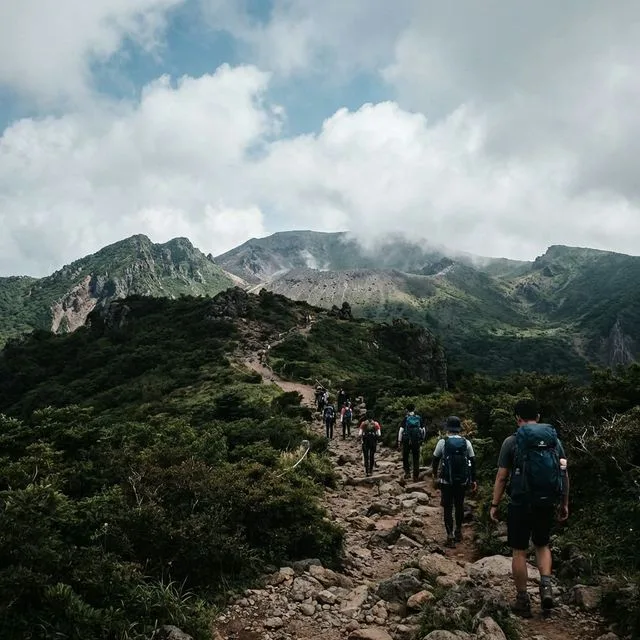
Standing at 1,947 meters above sea level, Hallasan isn't just South Korea's highest mountain—it's a bucket-list adventure that rewards determined hikers with breathtaking views of a mystical crater lake and the entire Jeju Island spread below. Whether you're an experienced mountaineer or an ambitious first-timer, this comprehensive guide will help you conquer this UNESCO World Natural Heritage Site with confidence.
Why Hike Hallasan? The Allure of South Korea's Highest Peak
Hallasan holds a special place in Korean culture and natural history. As a dormant shield volcano that last erupted over 5,000 years ago, it has shaped not just Jeju Island's landscape but also its identity. The mountain's designation as a UNESCO World Natural Heritage Site in 2007 recognizes its exceptional biodiversity and geological significance.
The crown jewel of any Hallasan hike is Baengnokdam, the summit crater lake whose name translates to "White Deer Lake." According to legend, celestial beings would descend to this pristine lake to play with white deer. Today, hikers are rewarded with views of this serene body of water, which transforms dramatically with the seasons—from a snow-covered wonderland in winter to a vibrant oasis surrounded by blooming rhododendrons in spring.
What makes Hallasan truly special is its remarkable ecological diversity. As you ascend, you'll pass through distinct vegetation zones, from subtropical forests at the base to alpine plants near the summit. This vertical journey through multiple ecosystems is like traveling from southern Korea to its northern reaches in a single day.
The seasonal transformations are equally spectacular. Autumn paints the mountainside in brilliant reds and golds, spring brings carpets of wildflowers, winter creates a pristine snow-covered landscape, and even summer—despite the heat—offers lush green vistas and highland blooms.
Choosing Your Trail: Seongpanak vs Gwaneumsa
One of the most important decisions you'll make is which trail to take to the summit. Only two routes lead to Baengnokdam crater lake, and each offers a distinctly different experience.
Seongpanak Trail: The Gradual Ascent
Distance: 9.7 km one-way
Daily Limit: 1,000 hikers
Estimated Time: 3-4.5 hours ascent, 7-9 hours round trip
The Seongpanak Trail is generally considered the more accessible route to the summit. Its longer distance is offset by a more gradual, consistent incline that allows you to settle into a steady rhythm. The trail predominantly winds through dense forest, providing welcome shade during warmer months and protection from wind.
The path is well-maintained with a mix of dirt trails, wooden stairs, and some rocky sections. The steepest portions are concentrated near the summit, so you'll have built up your hiking legs by the time you encounter them. This makes Seongpanak an excellent choice for first-time Hallasan hikers or those who prefer to conserve energy through steady pacing rather than tackling steep climbs.
Gwaneumsa Trail: The Scenic Challenge
Distance: 8.7 km one-way
Daily Limit: 500 hikers
Estimated Time: 4-5 hours ascent, 8-10 hours round trip
Don't let the shorter distance fool you—the Gwaneumsa Trail is significantly more challenging, with a 1,380-meter elevation gain that includes some steep, demanding sections. However, many hikers consider it the most rewarding route for its dramatic scenery.
This trail treats you to spectacular views throughout the journey, including waterfalls, ancient lava formations, rugged cliffs, and deep canyons. You'll cross suspension bridges over ravines and navigate through diverse terrain that showcases Hallasan's volcanic origins. The autumn foliage along this route is particularly stunning, and winter snow transforms it into a magical landscape.
The Gwaneumsa Trail demands more from your legs and lungs, but it rewards you with photo opportunities and scenic vistas that the more forested Seongpanak route doesn't offer.
Pro Strategy: The Combination Route
Here's the insider tip that experienced Hallasan hikers swear by: ascend via Seongpanak and descend via Gwaneumsa. This strategy offers the best of both worlds.
By climbing the longer but gentler Seongpanak route, you conserve energy and reduce the risk of exhausting yourself before reaching the summit. The gradual ascent also helps with altitude acclimatization. Then, on the descent, when your cardiovascular system isn't working as hard, you can fully appreciate the stunning views along the Gwaneumsa Trail without the distraction of gasping for breath.
The descent via Gwaneumsa is also easier on your knees than the longer Seongpanak descent would be. Plus, the dramatic scenery provides a welcome distraction during what can otherwise be a monotonous downhill slog.
The Mandatory Reservation System: How to Secure Your Spot
Unlike many hiking destinations where you can simply show up and start walking, Hallasan requires advance reservations for both summit trails. This system was implemented to protect the mountain's fragile ecosystem and ensure a quality experience for hikers.
Booking Window: Reservations open on the 1st day of each month for dates extending through the end of the following month. For example, February 1st opens bookings through March 31st.
How to Book: Visit the official Hallasan National Park reservation website. The system is available in English, and you'll need to provide your passport information. The reservation is free—you're just securing your slot.
Daily Limits:
- Seongpanak Trail: 1,000 hikers per day
- Gwaneumsa Trail: 500 hikers per day
Entry System: Upon successful reservation, you'll receive a QR code via email or through the website. Save this to your phone or print it out. At the trailhead, you'll scan this QR code at automated gates to gain entry. You must also present your passport for verification.
Important Penalties: If you book a slot and fail to show up without canceling, you may be banned from making new reservations for three months. This policy ensures that slots aren't wasted while other hikers are turned away.
Pro Tip: Weekend slots, especially during peak autumn foliage season (late October to early November), fill up within hours of opening. If you're planning a weekend hike during popular seasons, be ready to book exactly when reservations open. Weekday slots are generally easier to secure.
Best Time to Hike Hallasan: Seasonal Guide
Hallasan offers a completely different experience depending on when you visit. Each season has its unique advantages and challenges.
Fall (September-November): Peak Season
Autumn is undeniably the most popular time to hike Hallasan, and for good reason. The mountain explodes in vibrant reds, oranges, and yellows as the foliage changes. Late October to early November typically offers the most spectacular colors.
Beyond the visual feast, fall provides ideal hiking conditions: comfortable temperatures (though still cool at the summit), clear skies, and lower humidity. The crisp air often means exceptional visibility, with views extending across the entire island and sometimes even to the Korean mainland on exceptionally clear days.
The downside? Everyone knows fall is the best time, so expect competition for reservations and crowded trails, especially on weekends.
Spring (April-May): Bloom Season
Spring on Hallasan is a gentler, quieter alternative to autumn's crowds. As the snow melts, the mountain comes alive with wildflowers, including the famous rhododendrons (azaleas) that bloom in May, creating pink and white carpets across the upper slopes.
Temperatures are mild and pleasant, making for comfortable hiking conditions. You'll avoid both the summer heat and the winter cold while still enjoying clear spring skies. The mountain feels fresh and renewed, with streams running full from snowmelt.
Winter (December-February): Snow-Covered Serenity
Winter transforms Hallasan into a completely different mountain. Baengnokdam crater lake, blanketed in snow and ice, becomes one of Jeju's legendary "Twelve Scenic Spots." The snow-covered landscape offers a peaceful, almost otherworldly beauty.
However, winter hiking requires additional preparation and caution. You'll need crampons for icy sections, extra layers for the significantly colder temperatures, and should be prepared for potentially harsh weather conditions. The summit can be 10-15°C colder than the base, with biting winds that make it feel even colder.
Winter hiking is best suited for experienced hikers comfortable with cold-weather trekking. The reward is a quieter, more intimate mountain experience with stunning winter vistas.
Summer: The Challenging Season
Summer (June through early September) is generally the least recommended season for hiking Hallasan. The combination of heat, humidity, and afternoon thunderstorms can make the experience uncomfortable and potentially dangerous.
If you do hike in summer, start as early as possible—ideally at first light—to complete most of your ascent before the heat of the day. Bring extra water (you'll need it), wear sun protection, and be prepared to turn back if afternoon storms develop. The lush green landscapes and highland blooms are beautiful, but the physical challenge is significantly greater than in cooler seasons.
Essential Gear and Preparation
Proper gear can make the difference between an enjoyable adventure and a miserable ordeal. Here's what you need:
Footwear: Your Most Important Investment
Sturdy hiking boots with good ankle support are non-negotiable. The trails include rocky sections, stairs, and potentially slippery areas. Your boots should have:
- Solid ankle support to prevent twists on uneven terrain
- Aggressive tread for grip on rocky and potentially wet surfaces
- Cushioning for the long distance (nearly 20km round trip)
- Waterproofing if hiking in wet seasons
Break in your boots before the hike—discovering that your new boots cause blisters at kilometer 5 is a painful lesson.
Hydration: Plan for 3+ Liters
There are no water sources along the trails except for one natural spring near the bottom of Seongpanak. You'll need to carry all your water for the entire 8-10 hour journey.
In cooler seasons, 2-3 liters might suffice. In summer or if you sweat heavily, bring 3-4 liters. Yes, water is heavy, but dehydration on a mountain is dangerous. Consider a hydration bladder for easy sipping while hiking.
Layering Strategy: Prepare for Temperature Swings
The summit can be 10-15°C colder than the trailhead, and weather can change rapidly. Use a layering system:
Base Layer: Moisture-wicking shirt (avoid cotton)
Mid Layer: Fleece or light insulated jacket
Outer Layer: Windproof and waterproof shell
Extras: Hat, gloves (even in summer for the summit), buff or neck gaiter
You'll likely start in just your base layer and add layers as you ascend and cool down. Having the flexibility to adjust is crucial for comfort.
Food and Energy
Pack high-energy snacks that are easy to eat on the move:
- Trail mix, nuts, and dried fruit
- Energy bars or granola bars
- Chocolate or candy for quick energy
- Sandwich or kimbap for a more substantial meal
- Electrolyte supplements if you're prone to cramping
Remember: you must pack out all your trash. Bring a small bag for waste.
Other Essentials
- Trekking Poles: Highly recommended, especially for the descent. They reduce stress on your knees and provide stability on rocky sections.
- Portable Charger: Your phone is your camera, GPS, and emergency device. Keep it charged.
- First Aid Kit: Basic supplies including blister treatment, pain relievers, and any personal medications
- Headlamp: In case you're on the trail longer than expected
- Sunscreen and Sunglasses: UV exposure increases with altitude
- Toilet Paper and Wet Wipes: Restroom facilities are limited and may lack supplies
- Emergency Whistle: For signaling if you need help
Hiking Strategy: Timing and Checkpoints
Success on Hallasan isn't just about physical fitness—it's about smart planning and pacing.
Start Early: The 6:00 AM Rule
Most experienced hikers recommend starting between 6:00-6:30 AM. This gives you ample time to reach the summit, enjoy the views, and descend safely before dark. Early starts also mean:
- Cooler temperatures for the ascent
- Better chance of clear summit views before afternoon clouds
- Less crowded trails
- Plenty of buffer time if you need to slow down
Checkpoint Cutoff Times
Hallasan has strict checkpoint cutoff times to ensure hikers can safely complete the descent before dark. The most critical checkpoint is Jindallaebat Shelter, typically with a cutoff around 12:30 PM (though this varies by season).
If you don't reach this checkpoint by the cutoff time, rangers will not allow you to continue to the summit. This isn't arbitrary—it's based on the time needed to safely descend before nightfall.
Plan your pace accordingly. If you're moving slower than expected and risk missing the cutoff, you may need to turn back early. There's no shame in attempting the summit another day rather than pushing beyond safe limits.
Pacing for the Long Haul
This is an 8-10 hour journey. Start at a sustainable pace—one that you could theoretically maintain for hours. Many hikers make the mistake of starting too fast and burning out before the summit.
Use the "talk test": you should be able to hold a conversation while hiking. If you're too breathless to talk, you're going too fast for a long-distance hike.
Take regular short breaks (5-10 minutes every hour) rather than infrequent long breaks. This keeps your muscles from stiffening up while allowing for hydration and snacks.
What to Do If You're Running Behind
If you realize you're moving slower than planned:
- Reassess your goal—is reaching the summit still realistic and safe?
- Consider turning back at one of the non-summit viewpoints
- Don't skip breaks to save time—this often backfires with fatigue
- Communicate with rangers at checkpoints about your situation
Remember: the mountain will still be there for another attempt. Your safety is more important than any summit.
The Summit Experience: Baengnokdam Crater Lake
After hours of climbing, you'll finally reach the summit ridge and get your first view of Baengnokdam crater lake. The sight is breathtaking—a serene body of water cradled in the volcanic crater, surrounded by rocky peaks.
The summit area offers 360-degree views of Jeju Island. On clear days, you can see the entire island spread below you, the ocean surrounding it, and sometimes even the Korean mainland in the distance. The sense of accomplishment and the visual reward make every step of the journey worthwhile.
Photo Opportunities: The crater lake is the star attraction, but don't miss:
- Panoramic views from Dongneung Peak (the actual highest point)
- The contrast between the crater and the island below
- Unique volcanic rock formations
- Your summit selfie (everyone takes one!)
Summit Certificate: Want proof of your achievement? Take a photo within 1km of the summit with GPS location information saved. You can then apply for an official hiking certificate at the kiosks located at the trail entrances. It's a nice souvenir of your accomplishment.
Weather Considerations: The summit can be dramatically different from the base. Even on clear days, the peak may be shrouded in fog or clouds. Strong winds are common and can make the temperature feel much colder than it actually is. If conditions are poor, don't linger—get your photos and start your descent.
Early morning summits often experience fog that burns off by mid-morning, revealing the crater lake in dramatic fashion. This is one reason why starting early pays off—you might witness this magical transformation.
Alternative Routes: Non-Summit Trails
Not everyone needs to reach the summit to enjoy Hallasan. The park offers several shorter trails that provide beautiful experiences without the full-day commitment or advance reservations.
Eorimok Trail (6.8km one-way)
This moderate trail leads to Witse Oreum Shelter at 1,700 meters elevation. The round trip takes approximately 2.5 hours, making it perfect for a half-day adventure. The trail offers open landscapes with excellent views and a taste of Hallasan's upper slopes without the summit push.
Yeongsil Trail (5.8km one-way)
Shorter and popular for its dramatic rock formations and cliffs, the Yeongsil Trail provides some of Hallasan's most photogenic scenery. The approximately 2-hour round trip connects with the Witse Oreum area and is particularly beautiful during autumn foliage season.
Donnaeko Trail (7km one-way)
This longer, less-traveled trail offers a quieter forest experience. It's perfect for those seeking solitude and a more contemplative hike through Hallasan's diverse ecosystems.
Key Advantage: None of these trails require advance reservations. You can simply show up and hike, making them ideal for travelers with flexible schedules or those who couldn't secure summit trail reservations.
Practical Tips from Experienced Hikers
Transportation to Trailheads
Both Seongpanak and Gwaneumsa trailheads are accessible by public bus from Jeju City, though schedules may be limited. Bus routes 281 and 240 serve the trailheads, but verify current schedules as they change seasonally.
A rental car or taxi offers more flexibility, especially for early morning starts when bus service may not yet be running. If you're doing the combination route (up Seongpanak, down Gwaneumsa), you'll need to arrange transportation between trailheads or take a taxi back to your starting point.
Restroom Facilities
Restrooms are available at the trailheads and at some shelters along the routes, but they're basic and may not have toilet paper or running water. Carry your own supplies and hand sanitizer.
Mobile Phone and Portable Charger
Cell phone coverage is generally good on Hallasan, even near the summit. Your phone is essential for photos, GPS, and emergencies. A portable charger ensures it stays powered throughout the long day.
Leave No Trace
Hallasan's UNESCO designation reflects its ecological importance. Practice Leave No Trace principles:
- Pack out all trash (there are no garbage bins on the trails)
- Stay on marked trails to prevent erosion
- Don't pick flowers or disturb wildlife
- Keep noise levels down to respect other hikers and nature
Emergency Procedures
In case of emergency:
- Call 119 (Korea's emergency number)
- Alert the nearest ranger or checkpoint staff
- Use your phone's GPS to provide your location
- Stay put if injured and wait for help
Rangers patrol the trails regularly, and the checkpoint system means your absence would be noticed if you don't return.
Common Mistakes to Avoid
Learn from others' errors to ensure your Hallasan experience is a success:
Starting Too Late: Beginning your hike at 9 or 10 AM leaves little margin for error and increases the risk of missing checkpoint cutoffs or descending in darkness.
Underestimating Water Needs: "I'll just bring one liter" is a recipe for dehydration. Bring more than you think you'll need—you can always carry extra water down, but you can't conjure it on the mountain.
Wearing Inadequate Footwear: Sneakers or casual shoes might seem fine for a "hike," but 20km on rocky, steep terrain will destroy your feet and potentially your ankles. Invest in proper hiking boots.
Ignoring Weather Forecasts: Mountain weather can be unpredictable, but checking the forecast gives you important information for planning. Be prepared to postpone if conditions look dangerous.
Not Booking Reservations in Advance: Showing up without a reservation means you won't be hiking the summit trails, period. The system is strictly enforced.
Skipping Breakfast: You need fuel for an 8-10 hour physical challenge. Eat a substantial breakfast before starting.
Bringing Too Much Gear: While being prepared is important, carrying an overpacked backpack will exhaust you. Pack smart, not heavy.
Conclusion: Your Hallasan Adventure Awaits
Hiking Hallasan is one of South Korea's premier outdoor adventures—a challenging but achievable goal that rewards you with stunning natural beauty, a sense of accomplishment, and memories that will last a lifetime. The mystical Baengnokdam crater lake, the diverse ecosystems, and the panoramic views from South Korea's highest peak make every step worthwhile. To make the most of this volcanic expedition, incorporate the hike strategically into a broader Jeju Island Itinerary so you have adequate time for recovery on the beaches afterward. If your travels don't take you as far south as Jeju, you can still experience a world-class granite climb near the capital by Hiking Bukhansan National Park. Whether you pick the peak in the north or the south, scheduling these physical challenges properly within a full 10-Day South Korea itinerary is the key to balancing adventure and relaxation.