Inner Mongolia Grasslands: Horseback Riding & Yurt Stays Guide

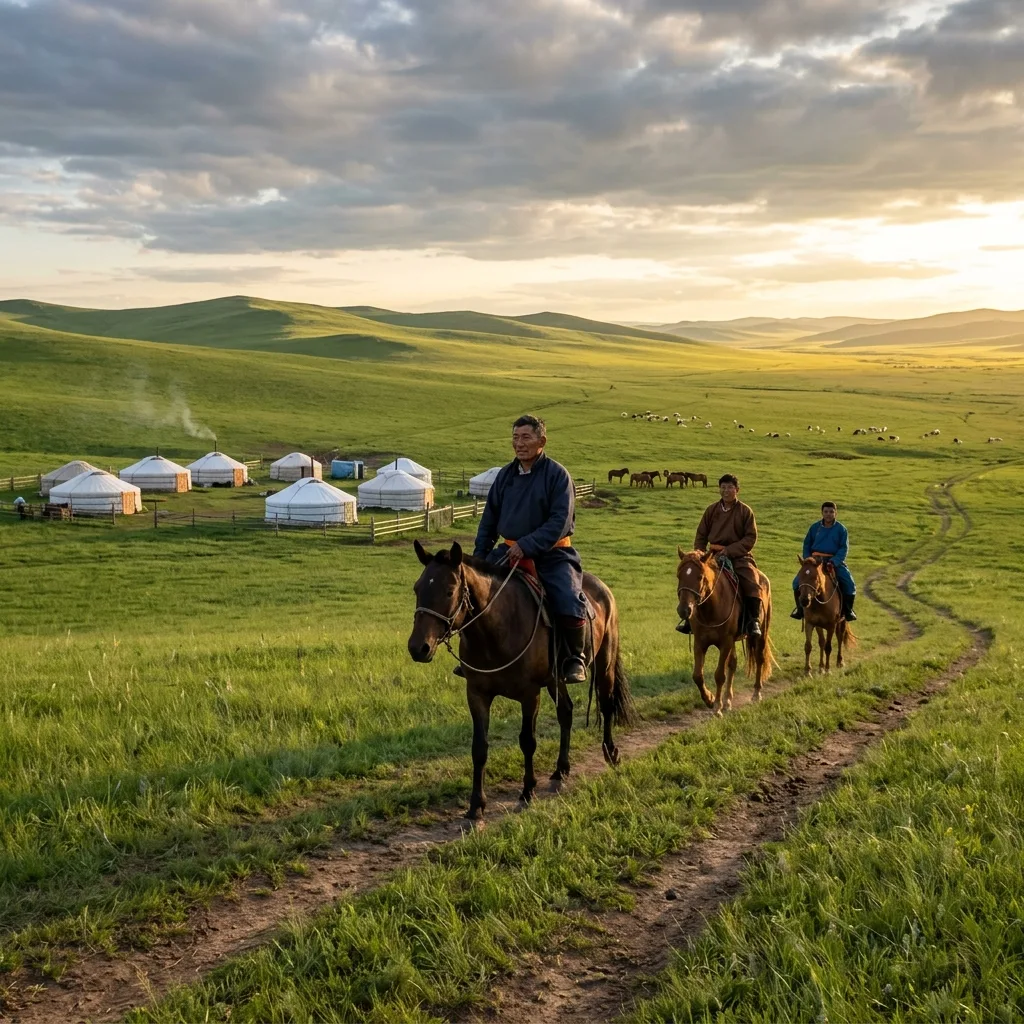
Dreaming of vast, rolling grasslands, the thundering hooves of horses, and nights spent under a canopy of stars in a traditional yurt? Inner Mongolia offers an escape into a world where ancient nomadic traditions meet breathtaking natural beauty. This guide will help you plan an unforgettable adventure, covering everything from the best time to visit to tour prices and essential tips for an authentic horseback riding and yurt stay experience.
Introduction
Planning a trip to the Inner Mongolia grasslands can seem daunting, but with the right information, you can transform your travel dreams into a tangible itinerary. Many travelers seek an authentic experience that combines the thrill of horseback riding with the unique cultural immersion of sleeping in a traditional Mongolian yurt. This article will demystify the planning process, providing clear guidance on when to go, what to expect regarding costs, and how to make the most of your adventure in China's expansive northern frontier. We'll delve into the seasonal nuances, regional variations, and practical advice to ensure your journey is as smooth as the endless horizons of the grasslands themselves.
Whether you're a seasoned equestrian or a curious first-timer, the call of the Inner Mongolian steppes promises an unparalleled sense of freedom and connection to nature. Our aim is to equip you with all the necessary details to confidently book your tour, understand local customs, and prepare for an immersive experience that goes beyond the typical tourist trail. Get ready to embrace the nomadic spirit and create memories that will last a lifetime amidst one of Asia's last great wildernesses.
Horseback Riding Adventures on the Steppes
Experience the true spirit of Inner Mongolia with an exhilarating horseback riding tour. Traverse endless green plains, encounter nomadic families, and witness stunning natural vistas. These tours are designed to immerse you in the region's unique landscape and culture, offering an unparalleled adventure for all skill levels.
Embarking on a horseback riding tour in Inner Mongolia is the quintessential way to experience the vastness and serenity of the grasslands. These tours cater to a range of preferences, from short, leisurely rides for beginners to multi-day treks for experienced equestrians. The experience often includes not just riding, but also opportunities to interact with local herders, learn about nomadic life, and witness stunning sunrises and sunsets over an uninterrupted horizon.
For 2026, the cost of horseback riding tours varies significantly based on duration, itinerary, and the level of service. Travelers can expect day trips near major cities like Hohhot to range from $25 to $150 USD, offering a taste of grassland life. More comprehensive short tours, typically lasting 3 to 4 days, might cost between $375 and $550 USD, often focusing on regions like Ulan Butong or Huitengxile. These budget-friendly options provide an excellent introduction to the region without a significant time commitment.
For those seeking a deeper immersion, standard private tours of 5 to 6 days are popular, particularly in the acclaimed Hulunbuir grasslands or Xilamuren. These tours typically fall within the $850 to $1,300 USD range per person, and often include a private driver, a 4WD vehicle for off-road exploration, meals, and comfortable yurt accommodations. For the ultimate adventure, in-depth or premium tours spanning 7 to 10 days can cost upwards of $1,400 to $2,000+ USD. These extended itineraries might cover remote areas like Arxan or offer more specialized activities. It's crucial to note that prices are generally quoted for private groups of 2-4 people, and solo travelers should anticipate a single supplement fee.
Peak season travel (July-August) can see prices escalate by 30-50%, making early booking—ideally 3-6 months in advance—a wise decision. These tours generally include 1-3 hours of horseback riding daily, though specialized trekking tours that involve riding for longer durations will incur additional costs, often exceeding $200 per day. Ensure your chosen tour clearly outlines what is included, such as accommodation in traditional or modern yurts (some with private bathrooms), traditional Mongolian meals like lamb dishes and milk tea, and transportation. The best tours provide an authentic yet comfortable journey through this unique landscape.
Yurt Stays: Your Nomadic Home Away From Home
One of the most iconic experiences in Inner Mongolia is spending a night or several in a traditional Mongolian yurt, known locally as a "ger." These portable, round dwellings have been the primary shelters of nomadic peoples on the steppes for centuries, offering a unique blend of cultural immersion and rustic comfort.
Yurt accommodations in Inner Mongolia typically range from basic, authentic structures to more modern, "starry sky" yurts equipped with private bathrooms, heating, and sometimes even air conditioning. While the traditional yurts provide an unparalleled glimpse into nomadic life, offering a chance to sleep on traditional beds and gather around a central stove, modern yurts cater to those who prefer a higher level of comfort while still experiencing the unique circular architecture. Many of these newer yurts feature amenities comparable to a standard hotel room, ensuring a comfortable stay after a day of exploration.
Booking a yurt stay is usually not a standalone process; rather, it is often integrated into comprehensive tour packages that include horseback riding, meals, and transportation. This is largely due to the remote locations of many grassland camps, making independent travel and booking challenging. For example, the detailed search for "Inner Mongolia yurt stay booking 2026" did not yield specific platforms, indicating that tour operators handle the logistics. Therefore, when selecting a tour, pay close attention to the type of yurt accommodation offered to ensure it aligns with your comfort preferences. During peak season, especially around the Naadam Festivals in July, it is highly advisable to book your tour and thus your yurt stay at least 2-3 months in advance to secure your preferred options.
Staying in a yurt offers more than just a place to sleep; it's an opportunity to engage with Mongolian culture. Many camps offer activities such as learning to make traditional milk tea, tasting local delicacies, or participating in evening bonfires with folk performances. The quiet of the grasslands at night, combined with the unique structure of the yurt, creates a truly unforgettable atmosphere, allowing you to connect with the ancient rhythms of the steppe.
Practical Guide for Your Grassland Adventure
Timing is everything when planning your trip to the Inner Mongolia grasslands. The best time to visit is undoubtedly during the summer months, from July to August. During this peak season, the grasslands are a vibrant emerald green, carpeted with wildflowers, and the weather is pleasantly warm, typically ranging from 15°C to 25°C. This period also coincides with the spectacular Naadam Festivals, traditional Mongolian gatherings featuring wrestling, horse racing, and archery. For 2026, major Naadam celebrations are anticipated in Xilinhot City (early July), Baotou City (mid-July), and Gegentala Grassland (early August), with local events happening throughout Hulunbuir. Attending a Naadam Festival offers a deeper insight into the rich cultural heritage of the region.
However, if you prefer cooler temperatures and fewer crowds, autumn (September to early October) presents a stunning alternative. The grasslands transform into a sea of golden hues, offering breathtaking photographic opportunities. While beautiful, be prepared for rapidly dropping temperatures at night, necessitating warm clothing. Winter (December to February) caters to a niche audience willing to brave extreme cold for unique experiences like the Winter Naadam, with temperatures often plummeting below -20°C.
Getting There: The primary gateways to Inner Mongolia are Hohhot Baita International Airport (HET) and Hulunbuir Hailar Airport (HLD). Hohhot is well-connected by high-speed rail from major Chinese cities, with many travelers beginning their journey from Ultimate Beijing Travel Guide: Great Wall, Forbidden City & More, making it a convenient entry point for exploring the central grasslands like Huitengxile. For the more remote and pristine Hulunbuir grasslands, flying into Hailar is the most practical option. Once there, most tours arrange for private transport, typically in 4WD vehicles, which are essential for navigating the unpaved roads and vast expanses of the steppe.
Booking Your Tour: As noted, standalone yurt bookings are rare; most travelers opt for comprehensive tour packages. It is highly recommended to book your tour 3 to 6 months in advance, especially if your travel dates fall within the peak season of July and August or coincide with major festivals. This is particularly crucial for Hulunbuir, which sees a significant influx of tourists during these months. Tour operators often bundle accommodation, meals, activities, and transport, simplifying the planning process. Be vigilant about avoiding peak Chinese public holidays, such as the May Day holiday (May 1–5) and National Day (October 1–7), as domestic tourism surges during these times, leading to inflated prices and overcrowded attractions.
Prices and Inclusions: A typical 5-6 day private tour, covering horseback riding, yurt stays, meals, and a private driver/guide, can range from $850 to $1,300 USD per person. Specialized activities or longer, more in-depth expeditions will increase the cost. Always clarify what is included in your tour package, paying attention to the duration of horseback riding (usually 1-3 hours daily) and the type of yurt accommodation. Some tours offer "starry sky" yurts with modern amenities, while others focus on a more traditional, rustic experience.
Tips & Common Mistakes for an Unforgettable Journey
To ensure your Inner Mongolia adventure is as smooth and enjoyable as possible, keep these tips in mind and avoid common pitfalls:
- Pack Smart for All Seasons, Even Summer: While summer days are warm, temperatures can drop significantly at night on the open grasslands. Always pack layers, including a warm jacket or fleece, even in July and August. A windbreaker is essential. Don't forget high-SPF sunscreen, sunglasses, and a wide-brimmed hat due to strong UV radiation at higher altitudes.
- Stay Hydrated and Bring Snacks: Access to shops can be limited in remote areas. Carry sufficient water and some energy-boosting snacks, especially for longer horseback rides or excursions.
- Respect Local Culture: The Mongolian people have a rich history and distinct customs. Be respectful of their traditions, especially when visiting local families or participating in cultural activities. Ask permission before taking photos of people.
- Embrace the Simplicity of Yurt Life: While modern yurts offer comfort, some traditional yurts might have basic facilities. Be prepared for a rustic experience, which is part of the charm. Power outlets might be limited, and Wi-Fi can be unreliable or non-existent in remote camps.
- Communicate Your Riding Experience Honestly: Tour operators need to match you with suitable horses and provide appropriate guidance. Don't overstate your riding skills, as safety is paramount. Beginners will usually start with shorter, guided rides.
- Book in Advance, Especially for Peak Season: As highlighted, tours and yurt stays, particularly during July and August and around Naadam Festivals, book up quickly and prices increase. Last-minute bookings can lead to limited options or inflated costs.
- Be Wary of Unofficial Guides: Stick to reputable tour operators. Unlicensed guides may offer cheaper rates but can compromise your safety, insurance, and the quality of your experience.
- Prepare for Limited Connectivity: View your time on the grasslands as an opportunity to disconnect. Cell service can be spotty, and internet access is often limited. Inform family and friends of your travel plans and expected periods of being offline.
Cultural Immersion and Local Experiences
Beyond the breathtaking landscapes and thrilling horseback rides, a journey to the Inner Mongolia grasslands offers a profound opportunity for cultural immersion. The Mongolian people are renowned for their hospitality and rich nomadic traditions, which are still very much alive in the steppe regions. Engaging with these traditions can transform a simple tour into a deeply meaningful cultural exchange.
One of the most accessible ways to experience local culture is through interaction with nomadic families. Many tours include visits to herder camps where you can learn about their daily lives, witness traditional practices like milking cows or making dairy products, and even try on traditional Mongolian attire. Sharing a cup of warm milk tea (suutei tsai) with a local family inside their ger is an unforgettable experience that highlights the warmth and generosity of the steppe dwellers.
Music and dance are integral to Mongolian culture. Many grassland camps organize evening entertainment featuring traditional Mongolian folk songs, horse-head fiddle (morin khuur) performances, and captivating throat singing (khoomei). These performances often tell stories of the grasslands, heroes, and nomadic life, providing a rhythmic backdrop to your yurt stay. Participating in a bonfire gathering under the vast night sky, accompanied by these traditional melodies, is a magical experience.
Another significant cultural highlight, especially if your visit aligns with the summer months, is the Naadam Festival. While I couldn't find a direct internal link for "Naadam Festivals," these events are a vibrant showcase of Mongolian athleticism and cultural pride. They feature "The Three Manly Games": wrestling, horse racing, and archery. Attending one of these festivals offers an unparalleled glimpse into the competitive spirit and ancient traditions of the Mongolian people. For 2026, be sure to check local schedules for events in regions like Xilinhot or Hulunbuir.
For those interested in handicrafts, many local communities produce intricate felt products, leather goods, and traditional silver jewelry. These items make for authentic souvenirs and directly support local artisans. Exploring small markets in towns surrounding the grasslands can reveal unique treasures and offer further opportunities for cultural engagement.
FAQ: Your Questions Answered
Q: Is Inner Mongolia safe for solo travelers?
A: Generally, Inner Mongolia is considered safe for travelers, including solo adventurers. The local people are known for their hospitality. However, as with any travel, it's wise to take standard precautions: inform someone of your itinerary, avoid walking alone in remote areas at night, and keep your valuables secure. When booking tours, choose reputable operators who prioritize traveler safety.
Q: What should I eat in Inner Mongolia?
A: Inner Mongolian cuisine is deeply influenced by its nomadic heritage. While distinct, it shares broader influences with other regional Chinese cuisines. Must-try dishes include roasted whole lamb (Kao Quanyang), hand-held lamb (Shou Ba Rou), various dairy products like milk tofu and yogurt, and hearty noodles. Don't miss trying local milk tea, a staple beverage. Be prepared for a meat-heavy diet, though vegetarian options are becoming more available in larger towns and established tourist camps. For a broader understanding of China's culinary landscape, explore our Cantonese Food vs Sichuan Food: A Regional Chinese Cuisine Comparison guide.
Q: Do I need a visa to visit Inner Mongolia?
A: Inner Mongolia is part of China, so most foreign visitors will require a Chinese visa to enter. Requirements vary based on your nationality, so it's essential to check with the nearest Chinese embassy or consulate well in advance of your trip. Ensure your passport has at least six months of validity remaining beyond your intended departure date and at least two blank pages for visa stamps.
Q: What is the altitude like in Inner Mongolia?
A: While vast, much of the Inner Mongolian grasslands are at a moderate altitude, typically ranging from 1,000 to 1,500 meters (3,300 to 5,000 feet). This is generally not high enough to cause severe altitude sickness for most people. However, if you are particularly sensitive or coming from sea level, it's always good to stay hydrated and take it easy on your first day.
Conclusion: Embrace the Spirit of the Steppe
An adventure to the Inner Mongolia grasslands is more than just a trip; it's an immersive journey into a landscape and culture that have remained largely unchanged for centuries. From the exhilarating freedom of horseback riding across endless plains to the serene tranquility of a night spent in a traditional yurt under a star-studded sky, every moment offers a profound connection to nature and nomadic heritage.
By understanding the seasonal variations, planning your tours well in advance, and preparing for the unique aspects of grassland travel, which can be further aided by our comprehensive China Travel Planning: Visa, WeChat Pay, High-Speed Rail & Practical Guide, you are set to create memories that will last a lifetime. Whether you're drawn by the allure of the Naadam Festivals, the golden hues of autumn, or simply the desire to escape the urban rush, Inner Mongolia promises an unforgettable experience. So, pack your bags, prepare to embrace the vastness, and let the spirit of the steppe guide your next great adventure.