Hokkaido in Spring: Lavender Fields, National Parks & Wildlife

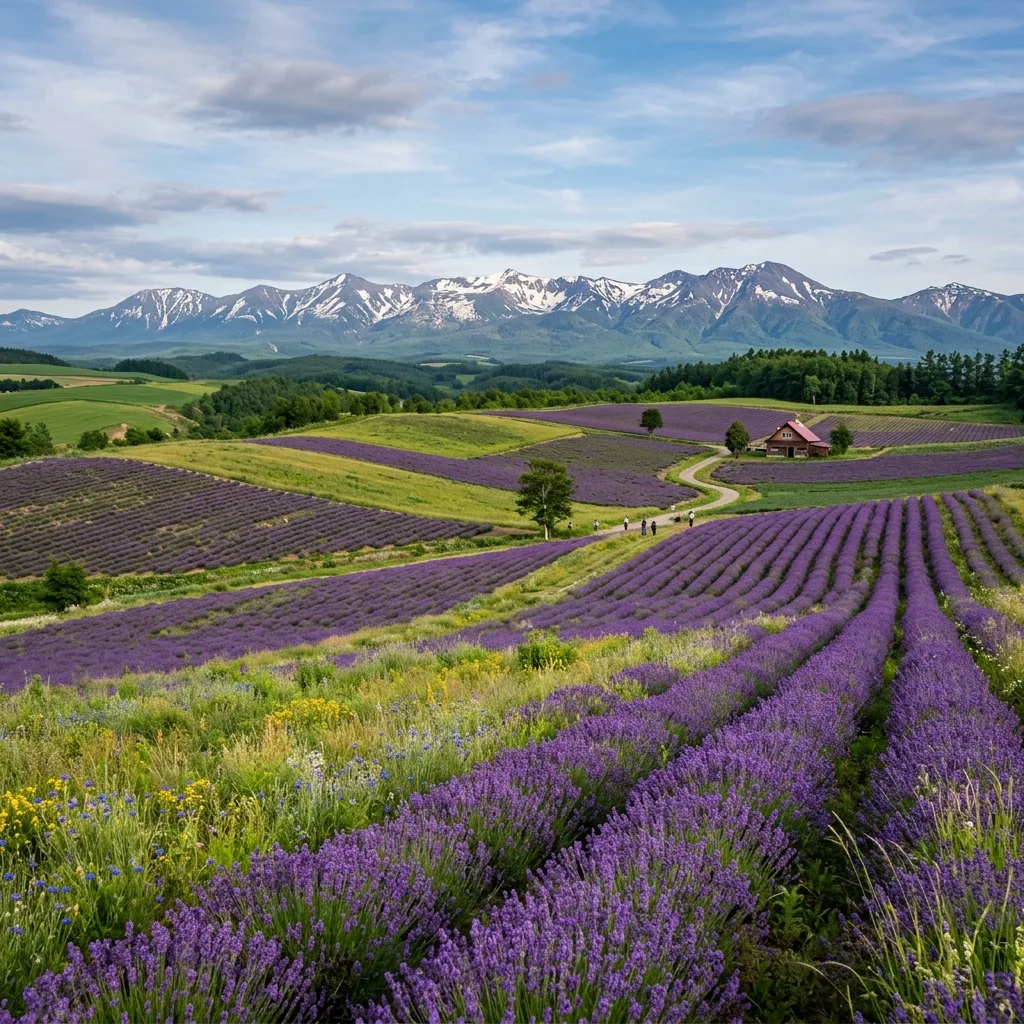
Hokkaido, Japan's northernmost prefecture, conjures images of snow-capped mountains, vibrant summer lavender fields, and delicious seafood. But what if your travel plans align with spring, typically from April to May? While the iconic lavender fields are primarily a summer spectacle, Hokkaido in spring offers a distinct charm, characterized by late-blooming cherry blossoms, vivid tulip displays, melting snow revealing lush landscapes, and the awakening of its rich wildlife. This guide will help you navigate Hokkaido's unique spring attractions, ensuring you make the most of this transitional and often overlooked season.
Hokkaido in spring is a season of contrasts and new beginnings, offering travelers a unique window into the island's natural beauty before the peak summer crowds arrive. While many associate Hokkaido with its famous lavender fields, these actually burst into color in late June and peak in July. Spring, however, is when the island celebrates its own floral treasures, including spectacular cherry blossoms, vibrant tulip festivals, and delicate pink moss (shibazakura) carpets. Beyond the blooms, national parks shed their winter blankets, revealing hiking trails and opportunities for wildlife spotting, making it an ideal time for nature lovers seeking a different side of Japan.
Hokkaido's Spring Floral Delights (Beyond Lavender)
While the title might hint at lavender, it's crucial to understand that Hokkaido's famous lavender fields, particularly in areas like Furano, are a summer phenomenon, typically blooming from late June to late July. If your spring visit is in April or May, you'll be treated to an entirely different, yet equally breathtaking, floral spectacle.
The cherry blossom season, or sakura, arrives later in Hokkaido than in mainland Japan, usually from late April to mid-May. This makes Hokkaido an excellent destination for those who missed the earlier blooms further south. Top spots to witness the sakura include Maruyama Park and Hokkaido University in Sapporo, and Matsumae Park, home to Matsumae Castle, which boasts over 10,000 cherry trees of various species. The sight of delicate pink petals against the backdrop of still snow-dusted mountains is truly unique to Hokkaido.
Following the sakura, May brings forth brilliant tulip festivals. The Kamiyubetsu Tulip Park, for instance, becomes a kaleidoscopic wonderland with over 200 varieties of tulips. It's an explosion of color that rivals any painting. Shibazakura, or pink moss phlox, also creates stunning floral carpets in mid-May to mid-June, most notably at Takinoue Park. Here, entire hillsides are covered in vibrant pink and purple blooms, creating an unforgettable landscape. Lilacs, Sapporo's official flower, add another layer of beauty from mid-May to early July. These diverse spring blooms offer a rich tapestry of colors, providing ample photographic opportunities and serene natural experiences.
National Parks Awakening and Wildlife Encounters
As spring progresses, Hokkaido's magnificent national parks gradually shed their winter snows, transforming into accessible havens for outdoor enthusiasts and wildlife watchers. This transition period, especially from May onwards, offers unique opportunities that differ from both the snowy winter and the bustling summer. The melting snows invigorate the landscape, creating spectacular waterfalls and nourishing a diverse range of plant life that begins to bloom, even before the summer's vibrant displays.
Daisetsuzan National Park, Japan's largest national park, known as the "Playground of the Gods" by the Ainu people, truly begins to awaken in May. While higher peaks might still retain snow well into June, making them suitable for advanced mountaineers with proper gear, the lower altitude hiking trails become increasingly accessible. Popular routes around Sounkyo Gorge or the trails leading to the Shirahige Waterfall offer stunning views of emerald rivers and emerging greenery. Keep an eye out for the unique flora that thrives in this subarctic environment, such as alpine flowers peeking through the last vestiges of snow. This is a prime time for spotting Hokkaido's unique wildlife, including the adorable Ezo red fox, the agile Hokkaido squirrel, and various species of deer (Ezo shika). Birdwatchers will be delighted by the return of numerous migratory birds, including various woodpeckers, owls, and diverse waterfowl, making it an excellent season for photography. Early spring also presents a rare chance to see brown bears (Ussuri brown bear, known locally as Higuma) emerging from hibernation. While exciting, it's crucial to exercise extreme caution; guided tours with experienced naturalists are highly recommended for safety and ethical viewing, as these powerful animals are best observed from a respectful distance. Bear bells and knowledge of bear encounter protocols are essential for any independent hiking.
Shiretoko National Park, a UNESCO World Heritage site renowned for its pristine wilderness and rich biodiversity, becomes more accessible by boat tours along its dramatic coastline. These cruises typically commence in late April or early May, offering breathtaking perspectives of towering cliffs, hidden waterfalls, and abundant marine life. From the comfort of the boat, you can often spot Steller's sea eagles and white-tailed eagles soaring overhead, as well as various marine mammals like seals (Gomafu Azarashi) basking on rocks and, occasionally, even dolphins or whales. Land access to certain areas, such as the Shiretoko Five Lakes (Shiretoko Goko), opens up gradually, usually from late April to mid-May, depending on snow conditions. A raised wooden boardwalk provides an easy, barrier-free walk to one of the lakes, offering stunning views without disturbing the delicate ecosystem. For the more adventurous, natural walking trails to the other lakes become available, often requiring registration and sometimes guided access to protect both visitors and the fragile environment. The melting snows feed numerous impressive waterfalls, such as the Furepe Waterfall and Kamuiwakka Hot Falls, creating picturesque scenes throughout the park.
Kushiro Shitsugen National Park, Japan's largest wetland, is another spring highlight, particularly for bird enthusiasts. Spring marks the peak of activity for its resident bird populations and the return of migratory species. It's a vital habitat for many bird species, most notably the iconic Japanese crane (Grus japonensis), also known as the Red-crowned Crane or Tancho. While their elegant mating dances are more prominent in late winter and early spring (March-April), you can still observe them in their natural habitat throughout spring. The park's extensive network of boardwalks and observation points, such as those at Onnenai Visitor Center and Kushiro City Marsh Observatory, allows for peaceful exploration and excellent birdwatching opportunities. Keep an eye out for various ducks, geese, and other waterfowl. The fresh greenery emerging from the marshlands creates a serene and picturesque landscape, offering a tranquil escape and unparalleled opportunities for nature photography.
Beyond these major parks, other natural areas like Akan Mashu National Park also begin to shed their winter attire. Lakes such as Lake Mashu and Lake Akan, known for their crystal-clear waters and unique natural phenomena like the Marimo moss balls, become fully accessible by boat tours. Early spring offers a quiet charm to these regions, with fewer tourists and the chance to witness the slow, deliberate transition from winter's embrace to spring's gentle warmth. The surrounding forests are home to various birds, and the volcanic landscapes provide dramatic backdrops for exploration. Remember to always follow park regulations, stay on marked trails, and practice Leave No Trace principles to preserve Hokkaido's precious natural environment for future generations. For those interested in comparing park experiences, our guide to the Best National Parks in South Korea for Fall Foliage offers insights into different seasonal park attractions.
Practical Guide to Spring in Hokkaido
Planning a spring trip to Hokkaido requires specific considerations due to its unique climate and seasonal attractions. Here’s a practical guide to help you with the logistics:
Hours / Admission / Prices (Verify for 2026)
Most major attractions, including national parks, museums, and floral parks, operate on seasonal schedules. While many open by late April or early May, it's essential to check their official websites for the most current 2026 operating hours and admission fees before your visit. For instance, the Kamiyubetsu Tulip Park typically has an admission fee (around 500-600 JPY for adults), and its season is usually the entire month of May. Takinoue Park's shibazakura festival also charges a small entrance fee. Shiretoko boat tours commence in late April or early May, with prices varying based on duration and route (typically 3,000-8,000 JPY). Access to national park trails is generally free, but specific facilities or shuttle services may have charges.
How to Get There
Hokkaido is well-connected by air, with New Chitose Airport (CTS) serving as the main international and domestic gateway, located near Sapporo. Numerous direct flights operate from major Japanese cities like Tokyo (Haneda and Narita), Osaka (Kansai and Itami), and Nagoya, as well as several international destinations. Upon arrival at CTS, you have several options to reach your desired destination.
For travelers heading to Sapporo, the JR Rapid Airport Express offers a quick and convenient 40-minute journey to Sapporo Station. From Sapporo, the extensive JR Hokkaido train network is highly efficient for intercity travel to places like Hakodate, Otaru, Asahikawa, and Kushiro. Consider purchasing a Hokkaido Rail Pass if you plan on extensive train travel, which can offer significant savings.
However, for exploring Hokkaido's vast and often rural landscapes, especially its national parks, flower fields (other than lavender), and smaller towns, renting a car is often the most flexible and recommended option. Major car rental companies like Toyota Rent a Car, Nissan Rent a Car, Orix Rent a Car, and Budget Rent a Car have counters at New Chitose Airport and in major cities. Early spring (April) can still see some mountain roads closed due to lingering snow, particularly in higher elevations or remote national park areas like Daisetsuzan. Always check road conditions (e.g., via the Hokkaido Road Information website or local news) before setting out. Driving in Hokkaido is generally straightforward, with well-maintained roads, but unfamiliarity with snow driving (if visiting in early April) or navigating rural roads can be a challenge for some. For those uncomfortable with driving, combining trains with local buses or taxis, or opting for organized day tours from major hubs, can be a viable alternative to reach less accessible sites. For instance, local bus services often connect JR stations to national park entrances or popular attractions during the operating season.
Booking Links and Strategies
Securing your accommodations and transportation in advance, particularly during peak spring events like cherry blossom season or Golden Week (a series of national holidays in late April/early May), is crucial.
Accommodation: Generally, you can book hotels and traditional Japanese inns (ryokan) through international booking platforms such as Booking.com, Agoda, Expedia, or directly via hotel chain websites. For unique local experiences, look for smaller guesthouses or farm stays on regional tourism sites. For popular destinations like Sapporo, Otaru, or Furano, booking 3-6 months in advance for spring travel is advisable, especially if your dates coincide with Golden Week.
Car Rentals: As mentioned, booking a rental car well in advance, especially if you require a specific vehicle type (e.g., 4WD for early spring conditions or a larger vehicle for groups/luggage), is highly recommended. You can reserve through the English websites of major rental companies or via aggregators. Ensure your international driving permit (IDP) is valid and bring your home country's driver's license.
Train Tickets: JR Hokkaido train tickets can be purchased at any JR station ticket counter or vending machine. For the Hokkaido Rail Pass, it's often more convenient to purchase an exchange order online before you arrive in Japan and then exchange it for the actual pass at a major JR station in Hokkaido. Specific limited express trains or reserved seats can also be booked in advance.
Tours and Activities: When planning specific tours, particularly for specialized activities like wildlife viewing in Shiretoko, guided hiking in Daisetsuzan, or boat tours on Lake Akan, searching for local tour operators (e.g., "Shiretoko nature cruise," "Daisetsuzan guided trek," "Akan lake cruise") is best. Many operators have English-friendly websites or can be contacted via email. Reputable online travel agencies like Klook, MyRealTrip, or Viator also often list Hokkaido-specific activities. Always prioritize official websites for the most accurate and up-to-date information, particularly regarding 2026 schedules and safety guidelines. It’s also wise to check cancellation policies, especially for weather-dependent activities. For broader travel planning tips in Asia, you might find our The Ultimate Seoul Travel Guide: Where to Stay & What to See helpful, as many general travel principles apply.
Tips & Common Mistakes for Spring Travel in Hokkaido
Traveling to Hokkaido in spring can be a truly rewarding experience, but being prepared for its unique characteristics will enhance your trip. Here are some tips and common mistakes to avoid:
What Most Guides Miss
Many guides focus heavily on Hokkaido's winter sports or summer flower fields, overlooking the distinct beauty of spring. What often goes unmentioned is the sheer vibrancy of the spring greens that emerge as the snow melts, creating stunning contrasts with the late-blooming cherry blossoms. The air is crisp, and the crowds are significantly smaller than in peak summer, allowing for a more serene and intimate experience with nature. Furthermore, some lesser-known, charming local festivals occur in spring, celebrating the end of winter or the beginning of the agricultural season. Look for local tourism board websites to find these hidden gems.
Insider Advice
Pack Layers and Waterproof Gear: Hokkaido's spring weather is famously unpredictable. While days can be sunny and mild, evenings and early mornings can still be quite chilly, especially in national parks or coastal areas. Temperatures can fluctuate significantly even within a single day. A waterproof and windproof outer layer is essential, along with warm mid-layers (fleece or down) and lighter inner layers. Don't forget a hat, gloves, and waterproof hiking boots if you plan on outdoor activities, as trails can be muddy from melting snow.
Check Snowmelt and Trail Conditions Regularly: If hiking or exploring mountainous areas is a priority, do not assume all trails will be open. Higher-altitude trails in Daisetsuzan, for instance, might remain snow-covered until well into June or even July. Utilize local tourism information centers, park ranger stations, or official park websites (often available in English) for the most up-to-date information on trail accessibility and conditions. Some trails may require specialized gear like microspikes in early spring.
Book Accommodations and Rental Cars Well in Advance, Especially for Golden Week: Although generally less crowded than summer, the cherry blossom period (late April to mid-May) and particularly Golden Week (late April/early May) can see a significant surge in domestic tourism. During Golden Week, train tickets, flights, and rental cars can become fully booked, and accommodation prices can skyrocket. If your travel dates fall within this period, secure all major bookings at least 4-6 months ahead of time.
Embrace the Seasonal Seafood and Produce: Spring is an excellent time for fresh seafood in Hokkaido. Keep an eye out for seasonal delicacies like freshly caught sea urchin (uni), especially from regions like Shakotan Peninsula (though peak season starts in June, early catches are prized), and various shellfish. Asparagus and other spring vegetables also begin to appear, offering delicious culinary experiences unique to the season. Visit local markets like the Nijo Market in Sapporo or Hakodate Morning Market for the freshest catches. For more extensive foodie adventures and inspiration, even if in a different region, our A Foodie's Guide to South Korea: 10 Dishes & Markets You Can't Miss can give you ideas on how to explore local cuisine.
Be Wildlife Aware and Ethical: When exploring national parks, particularly areas known for bear habitats, always be vigilant. Carry bear bells to make your presence known, and know how to react in an encounter (e.g., make noise, appear large, and never run). Consider joining guided tours with local experts, who can provide invaluable insights into wildlife behavior and ensure ethical viewing practices. Never approach or feed wild animals. Binoculars are a must for safe and enjoyable wildlife observation.
Experience a Traditional Onsen: After a day of exploring Hokkaido's crisp spring air, there's nothing more relaxing than soaking in a traditional Japanese hot spring (onsen). Many resorts in areas like Noboribetsu, Jozankei, and Sounkyo offer outdoor baths (rotenburo) with stunning views of the awakening landscape.
Common Mistakes
Assuming Lavender in Spring: This cannot be stressed enough. The single most common misconception is expecting to see vast, purple lavender fields in April or May. They are a summer bloom. Adjust your expectations and focus on the incredible cherry blossoms, tulips, shibazakura, and other spring flowers that are present. You will still witness stunning floral displays, just not lavender.
Underestimating Hokkaido's Scale and Travel Times: Hokkaido is much larger than many realize. Distances between attractions can be considerable, and while trains are efficient for inter-city travel, reaching remote national parks or specific flower fields often involves longer bus rides or driving. Do not cram too much into your itinerary. Allow ample travel time between destinations to avoid feeling rushed and to truly appreciate the scenic journeys.
Not Being Prepared for Variable Weather Conditions: As detailed under insider advice, spring weather is highly changeable. Tourists often arrive expecting mild spring temperatures akin to other parts of Japan and are caught off guard by the lingering cold, especially in early spring or in mountainous regions. Always check the forecast for specific regions you plan to visit and pack accordingly with plenty of layers.
Ignoring Public Transport for Rural Areas: While renting a car offers unparalleled flexibility, especially if you plan to visit many remote locations, Hokkaido's public transport system is excellent for connecting major cities and some popular tourist spots. If you're not comfortable driving in potentially variable conditions (e.g., still-icy patches in early April) or prefer not to navigate, combining the JR train network with local buses, taxis, or even organized tours (which handle the logistics) might be a more practical and stress-free option for reaching rural attractions. Always research the public transport options for your specific destinations before committing to a car rental.
Neglecting Advance Bookings During Golden Week: This critical period in late April/early May can turn a pleasant trip into a logistical nightmare if not planned meticulously. Flights, trains, rental cars, and even popular hotels can be fully booked months in advance, and prices escalate dramatically. If you must travel during Golden Week, book everything as far ahead as possible. Otherwise, consider adjusting your dates to avoid this busy period for a more relaxed experience.
Underestimating the Language Barrier in Rural Areas: While major tourist hubs in Sapporo or Hakodate often have English-speaking staff and English signage, venturing into more rural areas or smaller towns may present a greater language barrier. Having a translation app, a pocket Wi-Fi device, or a phrasebook can be very helpful. Knowing a few basic Japanese phrases can also go a long way in showing respect and facilitating interactions.
FAQ: Essential Questions for a First-Time Spring Visitor to Hokkaido
Here are answers to some frequently asked questions that first-time visitors to Hokkaido in spring might have:
Q1: Can I see cherry blossoms and lavender fields on the same trip in Hokkaido? A1: Unfortunately, no. Cherry blossoms typically bloom from late April to mid-May, while lavender fields peak from mid-July to late July. These two major floral attractions occur in different seasons. If you want to experience both, you would need to plan two separate trips.
Q2: What kind of weather should I expect in Hokkaido during spring? A2: Hokkaido's spring weather is variable. April can still feel quite cold, especially in the mornings and evenings, with temperatures ranging from 3°C to 12°C (37°F to 54°F). May sees milder temperatures, typically 8°C to 17°C (46°F to 63°F), but it can still be breezy. Snow might linger in mountainous areas. Packing layers is highly recommended.
Q3: Is spring a good time for hiking in Hokkaido's national parks? A3: Yes, but with caveats. Lower altitude trails usually open up in May as the snow melts, offering beautiful scenery. However, higher mountain trails in parks like Daisetsuzan might remain snow-covered and potentially dangerous until late June or even July. Always check local trail conditions and weather forecasts before embarking on a hike. Consider guided tours for more challenging or remote areas in early spring.
Q4: What wildlife can I expect to see in Hokkaido during spring? A4: Spring is a vibrant time for wildlife as animals emerge from hibernation and migratory birds return. You might spot Ezo red fox, Hokkaido squirrel, various deer species, and a wide array of birdlife, including Steller's sea eagles and white-tailed eagles, especially in coastal areas like Shiretoko. If you're lucky and on a guided tour, you might even catch a glimpse of brown bears. Always maintain a respectful distance and never feed wild animals.
Q5: Are there any specific spring events or festivals in Hokkaido? A5: Yes! Beyond the natural beauty, spring in Hokkaido features several festivals. The Sapporo Lilac Festival (mid-May) celebrates the city's official flower. The Kamiyubetsu Tulip Fair (May) is another major event. Check local tourism websites closer to your travel date for specific 2026 event schedules, as dates can vary slightly year to year. These festivals offer cultural insights alongside stunning floral displays.
Conclusion
Hokkaido in spring, while not the season for its most famous lavender fields, offers an abundance of unique experiences that make it a truly special time to visit. From the ephemeral beauty of late-blooming cherry blossoms and vibrant tulip fields to the awakening wilderness of its national parks and the return of diverse wildlife, spring presents a quieter, yet incredibly rewarding, side of Japan's northern gem. By setting realistic expectations and focusing on the seasonal delights that are genuinely available, travelers can discover a Hokkaido that is rich in natural splendor, cultural charm, and authentic experiences. So, pack your layers, prepare for floral feasts, and get ready to explore the unexpected wonders of Hokkaido in spring.