Gwangju's Makgeolli Culture: The Jeolla Province Drinking Scene

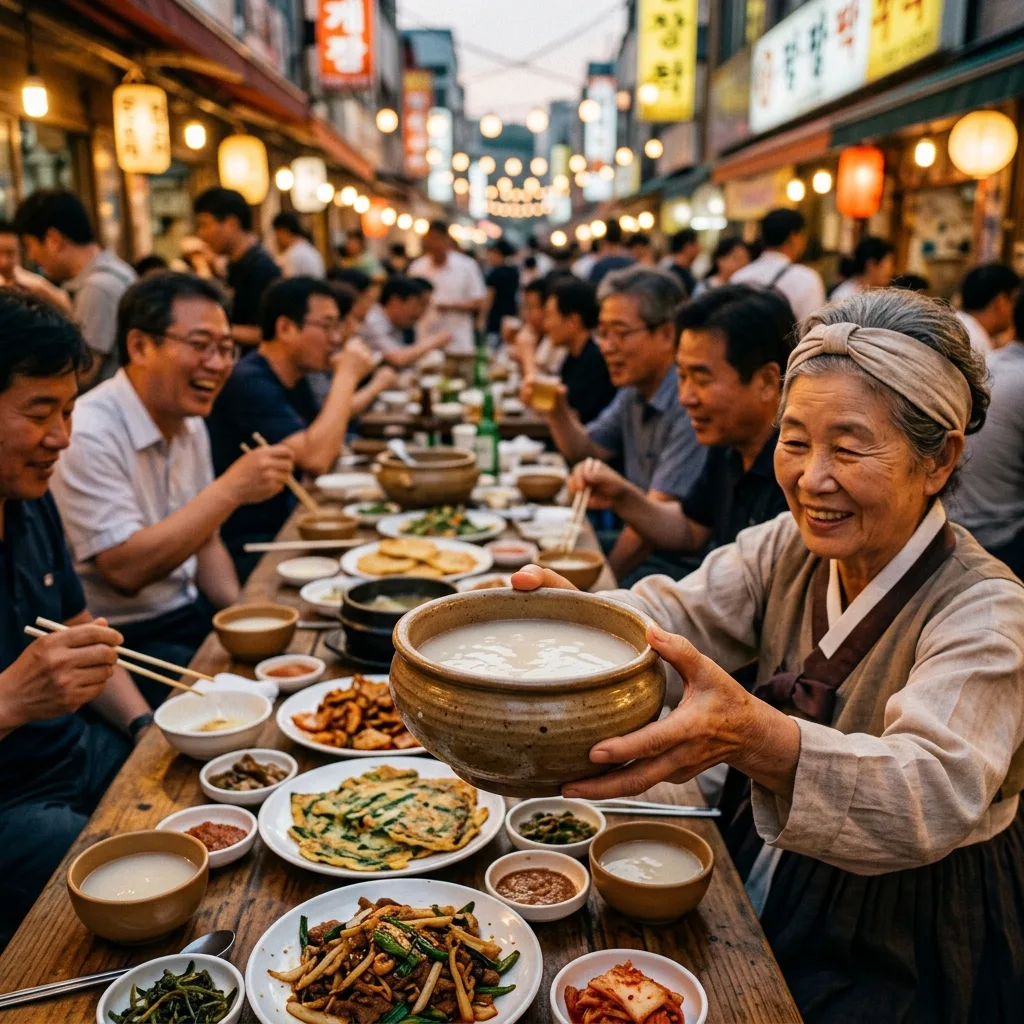
South Korea is renowned for its dynamic K-pop, cutting-edge technology, and stunning historical sites, but beneath the surface of its modern allure lies a deeply rooted culinary and drinking culture that often goes unexplored by the casual tourist. For travelers seeking an authentic taste of Korea beyond Seoul's bustling streets, a journey to Gwangju and the wider Jeolla Province offers an unparalleled immersion into the vibrant world of makgeolli. This creamy, slightly sparkling rice wine is far more than just a beverage; it's a centuries-old tradition, a potent symbol of communal gatherings, and a cornerstone of the region's unparalleled gastronomic identity. From traditional breweries nestled in picturesque, bamboo-lined landscapes to vibrant local markets where makgeolli flows freely alongside sizzling street food, understanding Gwangju's makgeolli culture is an essential pilgrimage for anyone wishing to experience the heart and soul of Korean hospitality, history, and flavor.
Introduction: Unveiling Jeolla Province's Liquid Gold – Makgeolli's Cultural Resonance
Jeolla Province, often reverently dubbed the "culinary heart of Korea," is a region celebrated not only for its fertile lands and abundant seafood but, crucially, for a gastronomic heritage meticulously passed down through generations. It is here, amidst verdant rice paddies, rolling hills, and the whispers of ancient traditions, that makgeolli production has not merely survived but has flourished, evolving into an intricate art form. This art reflects the province's unwavering dedication to exquisite flavors, natural ingredients, and meticulous craftsmanship. Gwangju, the region's largest and most dynamic city, serves as the vibrant hub for this rich drinking culture, offering both profound historical depth and exciting modern interpretations of makgeolli appreciation. Visitors to this captivating region in 2026 will discover a thriving scene that eagerly welcomes exploration, inviting them into everything from hands-on brewing experiences to lively, atmospheric makgeolli houses where locals gather to share food, drink, and stories.
Makgeolli, a traditional Korean rice wine, is not merely a drink; it is deeply embedded in the cultural fabric of Jeolla Province. Known for its distinct milky appearance and a complex, often delightful blend of sweet, tangy, and subtly bitter notes, it provides an utterly refreshing counterpoint to the region's famously spicy and savory cuisine. Gwangju, as the provincial capital, offers myriad opportunities to delve into this rich tradition, from visiting serene, historic breweries that have perfected their craft over decades to enjoying the convivial atmosphere of bustling local makgeolli bars. Its low alcohol content (typically 6-8%) makes it an accessible and enjoyable beverage for many, embodying a sense of warmth and conviviality unique to Korean social life.
Hook Angle: Beyond Soju & Beer – Discovering Korea's Authentic Brew
Are you a seasoned traveler who finds the ubiquitous soju and mass-produced beers a little too familiar, craving a more authentic, deeply rooted Korean drinking experience? While soju and popular beers certainly dominate the mainstream, South Korea's true liquid heritage, its very soul in a bowl, lies within makgeolli, especially when experienced in the gastronomic heartland of Jeolla Province. This guide is your compass, cutting through the noise and leading you directly to Gwangju's vibrant makgeolli scene, a place where age-old tradition, nuanced flavor, and heartwarming community joyfully converge. Prepare to unlock a side of Korea that few tourists ever truly experience, transforming your trip into a journey of genuine cultural discovery.
What You'll Learn: A Deep Dive into Gwangju's Makgeolli Scene
This comprehensive guide serves as your essential roadmap to navigating the nuanced, captivating world of Gwangju's makgeolli culture. You'll discover not only the best breweries offering engaging tours and immersive tastings but also gain critical insights into the annual Gwangju Liquor Tourism Festa, a must-attend event for liquor enthusiasts. We'll provide up-to-date information on estimated prices and operating hours for 2026, alongside invaluable insider tips for experiencing makgeolli like a seasoned local. From understanding the intricate brewing process that transforms rice into this beloved beverage to mastering the art of pairing makgeolli with the tantalizing traditional Jeolla cuisine, this article is your ultimate companion for a truly unique cultural and culinary adventure.
The Heart of the Brew: Exploring Jeolla Province's Premier Makgeolli Breweries
Jeolla Province is not just a geographical location; it's a testament to Korea's rich agricultural bounty, a factor that directly contributes to the exceptional quality of its makgeolli. The province is dotted with an array of exceptional breweries, each boasting its unique philosophy, meticulous approach to makgeolli production, and often incorporating hyper-local ingredients and time-honored techniques passed down through generations. While the urban makgeolli bars in Gwangju certainly offer a fantastic, convenient tasting experience, nothing quite compares to the profound satisfaction of visiting the source itself. In 2026, several breweries in the vicinity of Gwangju are particularly geared towards welcoming visitors, offering profound insights into the ancient fermentation process, guided tasting sessions, and even hands-on workshops that allow you to participate in the craft. These esteemed establishments are often part of the "Visiting Breweries" program, a national initiative designed to welcome tourists and proudly share Korea's rich, diverse liquor heritage.
Chuseong Village (추성고을): A Taste of Tradition Amidst Damyang's Bamboo
Nestled approximately 40 minutes from the bustling city of Gwangju, within the serene, whispering bamboo forest region of Damyang, Chuseong Village (추성고을) stands as a beacon for those interested in traditional Korean alcohol. While it has garnered significant renown for its signature Chuseongju, a distinctive bamboo-infused liquor that captures the essence of Damyang's natural environment, the village also offers an immersive deep dive into the historical and cultural significance of makgeolli production. Visitors can participate in meticulously guided tours that eloquently explain the rich history and intricate, time-consuming process of traditional brewing, which then culminates in expertly curated tastings of their various, exquisitely crafted traditional liquors. The tranquil, almost meditative setting of Damyang itself, with its iconic bamboo groves, profoundly adds to the overall charm and educational value, making a visit here a perfect, enriching day trip from Gwangju. Expect to spend around ₩30,000 to ₩50,000 for a comprehensive tasting experience that includes a tour, with more hands-on workshops potentially costing slightly more. Due to its popularity and the personalized nature of the tours, booking in advance, ideally one to two weeks prior, is highly recommended through reliable platforms like Naver Maps.
Dado Cham Brewery (다도참주가): Modern Craftsmanship Meets Pure Makgeolli in Naju
Roughly 30 minutes south of Gwangju, in the historical city of Naju, lies Dado Cham Brewery (다도참주가), a true beacon of modern makgeolli craftsmanship and innovation. This esteemed brewery is celebrated for its premium raw makgeolli, which stands out distinctly due to the deliberate absence of artificial sweeteners like aspartame – a common, if often lamented, additive in many mass-produced varieties. Dado Cham prides itself on producing a purer, more authentic expression of makgeolli. They offer engaging, guided tours of their contemporary facilities, allowing curious visitors to witness the meticulous brewing process firsthand, from the careful selection of rice to the precise fermentation techniques. The entire experience culminates in a sophisticated premium tasting flight, where you are invited to sample different grades and styles of their exquisite makgeolli, truly appreciating the subtle, complex nuances that natural fermentation and high-quality ingredients bring to the final product. Prices for these enriching tasting flights typically fall within the range of ₩30,000 to ₩50,000. Tours usually operate between 10:00 AM and 6:00 PM, but it is always wise to confirm specific hours and, crucially, to book your visit through Naver Maps, as reservations are frequently mandatory to ensure a personalized experience.
Bohae Brewery (보해양조): A Grand Legacy of Korean Liquor in Jangseong
While situated slightly further afield in Jangseong, approximately 25 minutes from the Gwangju city center, Bohae Brewery (보해양조) stands as a monumental and historically significant player in the broader Korean liquor industry. Widely recognized for its incredibly popular brands such as Leaf (잎새주) soju, a staple across the region, and the richly flavored Bohae Bokbunjajoo (Korean black raspberry wine), Bohae also possesses a deep-rooted history and significant expertise in the production of traditional rice wines, including makgeolli. As a larger-scale industrial facility, tours here might offer a fascinating contrast, focusing more on the modern, large-volume production methods, though they occasionally host seasonal visitor programs. These programs often encompass their broader, diverse range of alcoholic beverages, providing a comprehensive overview that typically includes insights into their makgeolli heritage. For the most up-to-date information on current visitor programs and availability for 2026, it is highly advisable to check their official website or to contact the brewery directly.
Emerging Craft Makgeolli Scene: Beyond the Big Names
Beyond these established names, Jeolla Province is experiencing a vibrant resurgence in craft makgeolli production. Enthusiastic young brewers are experimenting with traditional methods and local ingredients, creating unique, small-batch makgeolli that reflect the diverse agricultural landscape of the region. While many of these smaller operations may not offer formal tours, seeking them out in local markets or specialized liquor stores can lead to delightful discoveries. Keep an eye out for makgeolli made with local specialties like sweet potatoes, chestnuts, or even various seasonal fruits, offering a contemporary twist on this ancient beverage. This evolving craft scene further solidifies Jeolla Province's reputation as a dynamic hub for Korean traditional alcohol.
Experiencing the Gwangju Liquor Tourism Festa 2026: A Grand Celebration of Traditional Spirits
For those fortunate enough to be visiting Gwangju in late spring 2026, the Gwangju Liquor Tourism Festa presents an unparalleled and truly immersive opportunity to delve into the region's rich and incredibly diverse alcohol culture. This highly anticipated event, meticulously scheduled from May 21st to May 24th, 2026, at the modern and expansive Kimdaejung Convention Center, is much more than just an exhibition; it's a grand celebration of traditional Korean liquors. The festival proudly showcases an extensive array of beverages, encompassing not only makgeolli but also various types of soju, yakju (clear rice wine), and even fruit wines, highlighting the breadth of Korea's fermentation heritage. It provides an ideal, vibrant setting to sample an incredibly wide array of products from numerous breweries and distilleries, all conveniently gathered under one roof. Visitors can participate in dedicated tasting zones, engage with brewers, and even catch captivating cocktail shows and cultural performances that illustrate the artistry of Korean drinking.
A particularly significant highlight for international visitors attending the festival is the provision of organized brewery tours specifically tailored for foreigners. These thoughtful tours, typically operating during morning hours from 8:00 AM to 1:00 PM, offer a meticulously curated and hassle-free experience. They often include comfortable transportation to and from the festival venue, visiting renowned regional breweries such as Dado Cham Brewery and Chuseong Village – establishments that might otherwise be challenging to reach independently due to logistical considerations. This invaluable service provides a convenient, educational, and remarkably comprehensive way to explore the regional makgeolli and traditional liquor scene, making it accessible to a global audience. Festival entry is estimated to be approximately ₩10,000 to ₩15,000 per person, with attractive early bird discounts often available as early as April. This annual festa is, without a doubt, arguably the single best event to fully grasp the immense breadth and profound depth of Jeolla Province's liquid heritage, offering a concentrated dose of cultural immersion and sensory delight.
The Local Gwangju Makgeolli Scene: Where to Sip Like a Local
Even when the grand festivities of the Liquor Tourism Festa are not in full swing, Gwangju itself continues to offer a vibrant and accessible makgeolli scene. This is particularly evident in its traditional markets and countless local eateries (막걸리집, makgeolli-jip). These authentic spots provide a more casual, yet equally profound and engaging way to enjoy makgeolli, often served in generous portions and invariably paired with an enticing array of traditional Korean dishes. It’s here that the true spirit of makgeolli, as a communal drink, truly comes alive.
Mudeungsan Makgeolli (무등산 막걸리): Gwangju's Soul in a Bowl
Often hailed with affectionate pride as the "soul food" drink of Gwangju, Mudeungsan Makgeolli (무등산 막걸리) is a quintessential part of the local experience. This fresh, uniquely carbonated rice wine is deeply beloved by locals and perfectly embodies the city's convivial spirit. Its name is derived from Mudeungsan Mountain, the majestic and iconic natural landmark that gracefully overlooks the city, symbolizing its deep connection to the regional environment. This particular makgeolli is characterized by its exceptionally clean finish and delightfully refreshing effervescence, making it an excellent and indispensable companion to classic Korean comfort foods, particularly the pan-fried delicacies known as jeon. The absolute best way to experience Mudeungsan Makgeolli is in the bustling, sensory-rich atmospheres of Gwangju Park or the historic Daein Market, where it's traditionally served in ceramic bowls alongside sizzling Jeon (savory Korean pancakes like pajeon made with green onions or kimchijeon featuring fermented kimchi). The harmonious combination of crisp, slightly tangy makgeolli and hot, savory pancakes creates a culinary experience not to be missed, offering a genuine, heartwarming glimpse into Gwangju's cherished communal dining culture.
Gwangju Sool (광주술): A Festival Favorite and Local Gem
Another local brand that discerning visitors should actively seek out is Gwangju Sool (광주술). While perhaps not as pervasively ubiquitous as the beloved Mudeungsan Makgeolli, Gwangju Sool frequently makes prominent appearances at various local festivals, cultural events, and specialized traditional liquor stores. It is highly celebrated for its remarkably smooth profile and exquisitely clean finish, which appeals to a slightly different palate. If you have the opportunity to encounter this particular brew, it is certainly worth trying, as it represents yet another nuanced facet of the region's diverse and evolving makgeolli offerings, showcasing the innovative spirit within the traditional craft.
Modern Makgeolli Bars in Gwangju: A Contemporary Twist
Beyond the traditional settings, Gwangju's dynamic culinary scene has also embraced makgeolli with a modern twist. Contemporary makgeolli bars, often found in trendier neighborhoods, offer a chicer ambiance and a curated selection of craft makgeolli from across Korea, including many local artisanal varieties. These establishments frequently pair makgeolli with fusion dishes or tapas-style Korean fare, appealing to a younger demographic and those looking for a sophisticated evening out. While they might lack the rustic charm of a market stall, they provide an excellent opportunity to explore makgeolli in a refined setting. For a glimpse into the makgeolli bar scene in Korea's capital, check out our guide to the Best Makgeolli Bars in Seoul.
Practical Guide to Your Makgeolli Journey in 2026
Embarking on a makgeolli-focused trip through Gwangju and the wider Jeolla Province requires some thoughtful practical planning to ensure a smooth and enriching experience. Here’s a comprehensive guide to what you need to know for your 2026 adventure:
Operating Hours & Essential Reservations
Most traditional breweries and dedicated makgeolli houses generally operate within standard business hours, typically from 10:00 AM to 6:00 PM. However, it is absolutely crucial to note that many smaller, often family-run establishments, especially those in more rural settings, may observe closures on Sundays or Mondays. To avoid disappointment, always verify specific operating hours in advance. More importantly, reservations are almost invariably mandatory for brewery tours and hands-on workshops, particularly for highly sought-after spots like Chuseong Village and Dado Cham Brewery. It is strongly advisable to book your experience at least one to two weeks in advance, especially if your visit coincides with peak tourist seasons or the Gwangju Liquor Tourism Festa. The most reliable and user-friendly way to secure these bookings is through Naver Maps, which has significantly improved its interface to now offer full English language support and, conveniently, accepts international credit card payments. Simply search for "Brewery" (양조장) or the specific brewery name, and look for their integrated booking options.
Estimated Prices for an Immersive Makgeolli Experience (2026)
Budgeting for your makgeolli adventure is straightforward with these estimated prices for 2026:
- Gwangju Liquor Tourism Festa Entry: Expect to pay approximately ₩10,000–₩15,000 for general festival entry. Keep an eye out for potential early bird discounts, which are often available as early as April preceding the May festival dates.
- Brewery Tasting Flights: For a comprehensive tasting experience of premium selections at craft breweries, you should budget between ₩30,000 and ₩50,000 per person. These usually include a guided explanation of each makgeolli.
- Makgeolli Brewing Workshops: These highly engaging, hands-on experiences, which often include the opportunity to bottle your own freshly brewed makgeolli to take home, typically range from ₩70,000 to ₩150,000. They represent excellent value for a unique cultural activity.
- Private Day Tours: For travelers seeking a completely hassle-free experience that bundles transportation from Gwangju, a traditional lunch, and visits to multiple regional breweries, private guided tours can range anywhere from $95 to $180 USD per person. These are particularly convenient for groups or those preferring a structured itinerary.
Transportation: Seamlessly Getting Around Jeolla Province
While Gwangju boasts a modern and efficient public transportation system, reaching some of the more picturesque yet rural breweries in Damyang or Naju might necessitate a bit more nuanced planning.
- From Gwangju to Damyang/Naju: Taxis are readily available from various points within Gwangju and offer the most convenient and direct route to these neighboring cities. For instance, a taxi ride to Damyang Juknokwon (the famous bamboo forest, conveniently located near Chuseong Village) costs approximately ₩25,000. For a more budget-friendly alternative, local buses also provide reliable connections between Gwangju and these surrounding areas, though travel times may be longer due to multiple stops. Consider using ride-sharing apps if available and convenient.
- Within Gwangju City: The city's integrated subway and comprehensive bus networks are highly efficient and user-friendly. For exploring central areas such as Gwangju Park or the vibrant Daein Market, utilizing public transport is not only recommended but often the most practical and authentic way to navigate.
Language Barrier Navigation
While larger events like the Gwangju Liquor Tourism Festa typically ensure the availability of English interpreters and multilingual staff, smaller, often charming family-run breweries in more rural locales may have limited English-speaking personnel. It is therefore highly recommended that you prepare for potential language barriers. A powerful and excellent tool to have on hand is a reliable translation app like Papago, which is exceptionally proficient with Korean and offers real-time translation capabilities. Furthermore, learning a few fundamental Korean phrases, especially those related to ordering food and drinks, expressing gratitude, or simply making polite inquiries, will not only greatly enhance your overall experience but also demonstrate respect for the local culture, often leading to warmer interactions.
Tips & Common Mistakes for Your Makgeolli Adventure
To truly maximize your makgeolli journey through Gwangju and Jeolla Province, embracing the local customs and being mindful of common pitfalls will elevate your experience from good to unforgettable.
The Makgeolli Etiquette: Do's for an Authentic Experience
- Embrace the Pairing as an Art Form: Makgeolli is not typically consumed in isolation; it is intrinsically linked with food. In Jeolla Province, famous for its gastronomy, try to pair it with classic dishes like freshly sizzling jeon (savory pancakes, such as haemul pajeon seafood pancakes), tender bossam (boiled pork belly wraps served with kimchi), or the comforting dubukimchi (tofu served with stir-fried kimchi). The unique combination of makgeolli's refreshing tang and these rich, savory Korean dishes creates a delightful synergy that enhances both the food and the drink.
- Shake Gently for Perfection: Before pouring your makgeolli, remember this crucial step: gently shake the bottle. This action disperses the natural sediment that settles at the bottom, which is absolutely vital for achieving its characteristic milky texture, balanced flavor, and opaque appearance.
- Master the Art of Pouring for Others: In Korean drinking culture, camaraderie is paramount. It is considered courteous and customary to pour drinks for your companions and, in turn, receive drinks from them. Always use two hands when pouring or receiving a drink, especially when interacting with elders or individuals of higher social standing, as this gesture signifies profound respect.
- Explore the Spectrum of Varieties: Do not limit yourself to just one type of makgeolli. The world of makgeolli is vast and diverse, with variations in sweetness, tartness, fizziness, and ingredients. Actively seek out and try several different kinds to truly discover your personal preference. Many craft breweries are experimenting, offering unique, often seasonal, flavored makgeolli made with local fruits, herbs, or grains.
- Book Ahead to Secure Your Spot: For coveted brewery tours, workshops, or popular makgeolli dining experiences, booking at least a week or two in advance is not just a suggestion but often an absolute necessity. This is particularly true during peak tourist seasons, public holidays, or during the excitement of the Gwangju Liquor Tourism Festa, where spots fill up rapidly.
Common Missteps: Don'ts to Avoid on Your Makgeolli Quest
- Don't Drink on an Empty Stomach: While makgeolli might seem light due to its milky appearance and sometimes sweet taste, its alcoholic content can be deceptively potent. Always ensure you pair it with food. This not only allows you to savor the flavors more effectively but also helps to mitigate the effects of the alcohol, ensuring a more enjoyable and responsible experience.
- Don't Overlook the Traditional Markets: Some of the most authentic, vibrant, and memorable makgeolli experiences are genuinely found within Korea's traditional markets. Do not limit your exploration to only upscale bars or modern restaurants; venture into places like Gwangju's Daein Market or local ojaeop (five-day markets) for a true, unfiltered taste of local life and the makgeolli culture deeply embedded within it.
- Don't Assume English Fluency: While Korea is becoming increasingly globalized, and more tourist-friendly establishments will likely have English-speaking staff, it is prudent to anticipate and prepare for a language barrier in smaller, more local establishments. Always have a reliable translation app (like Papago) at the ready; it will prove to be an invaluable companion.
- Don't Forget to Carry Some Cash: While credit and debit cards are widely accepted throughout South Korea, smaller market stalls, street food vendors, or very traditional, unassuming eateries might still operate primarily on a cash-only basis, or at least prefer cash transactions. It is always a wise idea to carry some Korean Won (₩) to ensure you can partake in all local delights without hindrance.
- Don't Even Consider Driving After Drinking: South Korea maintains exceptionally strict laws regarding drunk driving, enforced with zero tolerance and severe penalties. If your plans involve sampling makgeolli, even in modest quantities, commit to using public transportation, readily available taxis, or pre-arranged designated driver services. Prioritize your safety and the safety of others above all else.
FAQ: Your Essential Makgeolli Questions Answered
Q1: What precisely is makgeolli made from, and what gives it its unique character?
A1: Makgeolli is primarily crafted from a simple yet profound combination of steamed rice, pure water, and nuruk – a traditional Korean fermentation starter rich in enzymes and yeast. The intricate fermentation process, which typically lasts several days, is what imbues makgeolli with its distinctive milky, opaque appearance, its complex flavor profile (a delightful balance of sweet, tangy, and subtly bitter notes), and its characteristic effervescence. The quality of the rice and the nuruk are paramount to the final taste.
Q2: How is makgeolli traditionally served and enjoyed in Korea?
A2: Makgeolli is almost invariably served chilled, often in a ceramic or metal bowl (janggu) and poured from a traditional kettle (jujeonja). It is fundamentally a communal drink, meant to be shared amongst friends, family, and colleagues, thereby fostering a convivial and relaxed atmosphere. Unlike many Western alcoholic beverages, it's less about individual consumption and more about shared enjoyment and conversation.
Q3: Is it possible for travelers to learn to make makgeolli themselves in Gwangju or Jeolla Province?
A3: Absolutely! Many breweries in the Gwangju and broader Jeolla Province region, including notable examples like Chuseong Village, actively offer engaging, hands-on makgeolli brewing workshops. These immersive experiences allow participants to delve into the traditional process, from steaming the rice to mixing the nuruk, and often culminate in the exciting opportunity to bottle your own freshly fermented batch to take home as a unique souvenir. Due to their popularity, securing a spot in these workshops usually requires advance booking.
Q4: Are there any purported health benefits associated with drinking makgeolli?
A4: Yes, makgeolli is often celebrated not just for its taste but also for its potential health benefits. As an unfiltered, fermented beverage, it contains a rich array of lactobacilli – beneficial bacteria similar to those found in yogurt and other probiotic foods. It also naturally contains dietary fiber, various B vitamins, and essential amino acids. These components are thought to contribute to digestive health. However, it's crucial to remember that while it offers these benefits, makgeolli is still an alcoholic beverage and should always be consumed responsibly and in moderation.
Q5: What food pairings are considered ideal to accompany makgeolli?
A5: Makgeolli's balanced flavor profile makes it exceptionally versatile for food pairing. It marries particularly well with rich, savory, and often slightly spicy Korean dishes, as its refreshing qualities help to cleanse the palate. Highly recommended pairings include the aforementioned jeon (savory pancakes of all varieties), tender bossam (steamed pork belly served with fresh accompaniments), and comforting dubukimchi (tofu served with stir-fried kimchi). Its subtle sweetness and tang also complement various jjigae (stews) and even grilled meats. The refreshing taste of makgeolli masterfully cuts through the richness of these foods, creating a perfectly harmonious culinary experience.
Q6: What is the best season to visit Gwangju for a makgeolli experience?
A6: While makgeolli can be enjoyed year-round, spring (April-May) and autumn (September-October) are generally considered the best seasons to visit Gwangju and Jeolla Province. Spring offers mild weather and the Gwangju Liquor Tourism Festa (May), while autumn provides beautiful fall foliage and a comfortable climate for exploring breweries and markets. The festival period is particularly vibrant for liquor enthusiasts.
Conclusion: A Journey into Jeolla's Authentic Flavors and Enduring Traditions
Embarking on a makgeolli journey through the heart of Gwangju and the expansive, gastronomically rich Jeolla Province offers far more than just a fleeting tasting experience; it is a profound and deeply rewarding invitation to delve into the very essence of Korean tradition and unparalleled culinary excellence. From the serene, historical breweries gracefully nestled in picturesque, verdant towns to the vibrant, energetic pulse of Gwangju's bustling local markets, each communal sip of makgeolli tells a compelling story. It speaks of a proud heritage, the enduring bonds of community, and the meticulous, time-honored craft of fermentation that has sustained generations. By diligently following this comprehensive guide, you're not merely tasting a drink; you are actively participating in a living, breathing cultural legacy, connecting with the soul of Korea.
Whether your plans involve attending the grand Gwangju Liquor Tourism Festa in 2026, venturing off the beaten path to explore a hidden, artisanal brewery, or simply relishing a comforting bowl of makgeolli with newly made friends at an authentic local eatery, your adventure into Jeolla's makgeolli culture promises to be both immensely enriching and exquisitely delicious. So, with anticipation and an open heart, raise your bowl, confidently exclaim "Geonbae!" (the Korean equivalent of "Cheers!"), and allow the authentic, profound flavors of Korea to transport you to a place where tradition and taste beautifully intertwine. Your next great Korean adventure, steeped in history and flavor, patiently awaits, one refreshing, milky sip at a time.