Best Ryokan Stays Near Tokyo for a Traditional Japanese Night

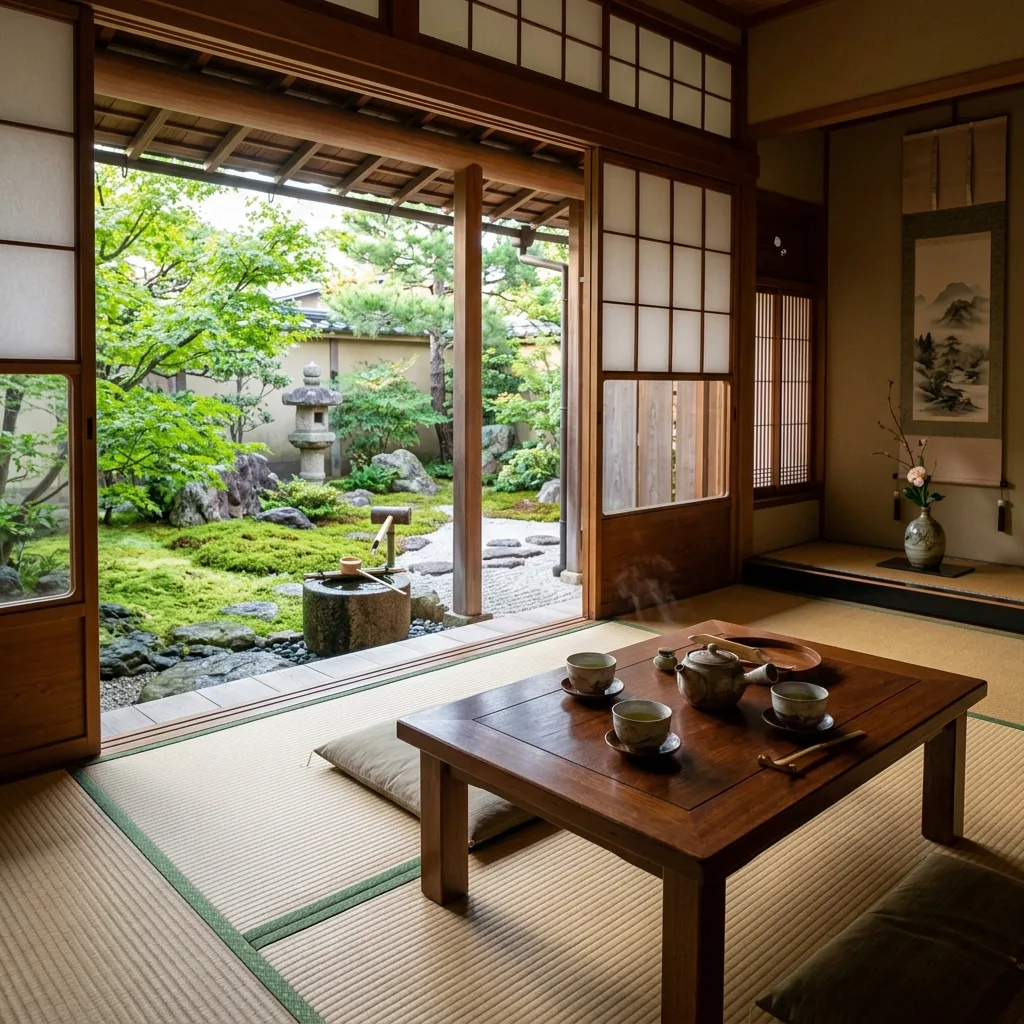
You've spent two days eating ramen in Shinjuku, photographing temples in Asakusa, and riding the Yamanote Line in rush hour. Tokyo is exhilarating — and exhausting. Before you fly home, there's one experience that resets everything: checking into a ryokan, sliding open a shoji screen, and sinking into a steaming outdoor onsen while the mountains sit silent in the dark. The best ryokan stays near Tokyo are only one or two train hours away, and they'll be the part of your trip you remember most vividly.
A ryokan is not a Japanese hotel with a futon swapped in. It's a full sensory reset: yukata robes, sake served in your room, multi-course kaiseki dinners, communal baths fed by natural hot springs, and a pace of life measured in hours rather than minutes. This guide covers the top ryokan destinations within day-trip or overnight distance of Tokyo — Hakone, Nikko, Izu, and a few lesser-known options — along with real 2026 prices, booking advice, and everything a first-timer needs to know.
What Makes a Ryokan Different From a Regular Hotel
Staying at a ryokan is less like booking accommodation and more like accepting an invitation into a way of living that Japan has refined over centuries. The core experience has four pillars: the room, the bath, the meal, and the service — and each one operates by its own etiquette.
The room is a tatami-floored space with low furniture, a tokonoma alcove holding a scroll or flower arrangement, and shoji screens that filter light rather than block it. You'll sleep on a futon (called a shikibuton) laid out by staff each evening. Most rooms have no television in the common sitting area — the idea is that you look out the window instead.
The onsen (hot spring bath) is the emotional center of the ryokan stay. Natural volcanic springs feed baths that range from sulfurous and milky-white to crystal clear and iron-rich. Most ryokans have communal gender-separated baths and, increasingly, private baths (kashikiri onsen) you can reserve. Many open to rotenburo — outdoor baths — where you soak in spring water with a view of forest, mountains, or open sky.
Kaiseki is the ryokan dinner. It's a procession of small seasonal dishes — a soup, sashimi, a grilled course, a rice course, a sweet — served in a deliberate order meant to balance flavor, texture, and temperature. At most ryokans, both dinner and breakfast are included in the room rate. Missing either is considered unusual.
Omotenashi is the Japanese concept of hospitality without expectation of reward. Ryokan staff anticipate your needs before you voice them. Check-in often includes being escorted to your room, offered tea, and walked through the bath schedule. Tipping is not practiced and can cause confusion.
Hakone: The Classic Choice
Hakone sits in Kanagawa Prefecture about 85 kilometers southwest of Tokyo. It's the most popular ryokan destination in the Kanto region for good reason: the area sits on a geologically active volcanic belt that feeds dozens of natural hot springs, and Mount Fuji dominates the skyline on clear days. The Odakyu Romance Car departs from Shinjuku and reaches Hakone-Yumoto — the gateway to the resort area — in about 85 minutes on the express service.
Hakone is divided into several distinct onsen districts. Hakone-Yumoto at the valley floor is the most accessible and least expensive. Tonosawa, Miyanoshita, and Kowakidani sit higher in the hills and offer a quieter atmosphere. Gora and Sengokuhara are plateau-level areas with more resort-style facilities. The higher you go, the more dramatic the views — and typically the higher the nightly rate.
Best Ryokan in Hakone
Yoshiike Ryokan (Hakone-Yumoto) is a reliable mid-range choice that has operated for generations. Rooms start around $212 per night and include kaiseki dinner and a Japanese breakfast. The property has an outdoor rotenburo fed by Hakone's sulfurous springs and a traditional Japanese garden where guests walk in yukata between meals. It's a short walk from Hakone-Yumoto station.
Kinnotake Tonosawa is among the most photographed ryokans in Hakone. The design is modern-traditional — black wood exteriors, in-room baths with floor-to-ceiling windows overlooking the Hayakawa River gorge. Rates typically start around ¥60,000–¥80,000 per night for two with meals (approximately $400–$540 USD). The kaiseki menu changes monthly to follow seasonal produce. Bookings fill up quickly, especially on weekends and during autumn foliage season.
Ajisai Onsen Ryokan offers a more budget-accessible entry point starting around $131 per night. It lacks the jaw-dropping architecture of the luxury properties but delivers the full ryokan experience — tatami rooms, communal onsen, included meals — in a quieter setting away from the busier resort strips.
Getting to Hakone: Take the Odakyu Limited Express Romance Car from Shinjuku (reserve a seat in advance — it's worth it). Alternatively, the JR Pass covers the Tokaido Line to Odawara, from which local buses reach Hakone's resort areas. If you plan to explore within Hakone, the Hakone Free Pass covers trains, buses, the ropeway, and the Hakone Tozan Railway — useful for a two-day stay.
Nikko and the Kinugawa Valley
Nikko is primarily known for its Toshogu Shrine complex — an ornate mausoleum set in cryptomeria forest that's among the most visited UNESCO sites in Japan. But the surrounding prefectural area, particularly the Kinugawa and Yunishigawa onsen valleys, offers excellent ryokan stays that most Tokyo visitors overlook entirely.
From Asakusa station, the Tobu Nikko Line runs limited express trains to Nikko in about two hours. The Kinugawa Onsen station is a stop on the same line, making it easy to combine shrine sightseeing with an overnight ryokan stay.
Best Ryokan in the Nikko Area
Kinugawa Onsen Asaya Hotel is one of the area's landmark properties. Rates for rooms with open-air baths and a tatami sitting area start around ¥70,000 per night for two with meals. The property is large by ryokan standards — indoor pools, multiple restaurant options, and an arcade of traditional crafts shops — which makes it suitable for families or groups who want the ryokan atmosphere without the strict quietude of smaller inns.
Kinugawa Plaza Hotel offers rooms that range from standard Western-style through to Japanese-room suites with in-room open-air baths overlooking the Kinugawa River. Budget weekday rooms without meals start around $150 per night; the Japanese suite with private onsen and full-board kaiseki runs $450 and above.
Yunishigawa Onsen sits higher in the Tochigi mountains, about 40 minutes by bus from Kinugawa Onsen station. It's one of the least touristed onsen areas near Tokyo. The valley was historically settled by Heike clan refugees — the architecture in some older inns reflects this heritage, with thatched roofs and open-hearth cooking. Prices are generally lower than Hakone for a comparable experience, with many two-meal packages available from ¥25,000 per person.
Budget note: Travelocity lists ryokans in Nikko from $54 per night. These tend to be small guesthouses (minshuku) rather than full kaiseki ryokans, but they're valid options if you want the tatami experience at an accessible price. Expect shared baths and simpler meals.
Izu Peninsula: Hot Springs Without the Crowds
The Izu Peninsula extends south from Hakone into Shizuoka Prefecture and has its own distinct onsen culture. It's slightly further from Tokyo — about 90 minutes to two hours by shinkansen and local train to Atami, the gateway city — but significantly less crowded than Hakone on weekends. The entire coastline is dotted with small fishing towns that have evolved their own regional ryokan cuisine, often featuring fresh seafood from Suruga Bay: abalone, lobster, and kinmedai (alfonsino, a deep-sea fish prized in Izu).
Atami is the closest Izu destination to Tokyo and the most accessible by Shinkansen (about 50 minutes from Tokyo Station on the Kodama). The town is a mid-20th-century hot spring resort that has been reviving its somewhat faded glamour in recent years. Ryokans here tend to combine ocean views with onsen, and some sit directly on the coastal cliffs.
Ito and Shimoda are further south and quieter. Shimoda in particular has a dramatic harbor history — it was one of the first ports opened to American trade in 1854 — and the ryokans here are often family-run affairs that have been operating for three or four generations.
Shuzenji sits inland in a mountain valley on the peninsula and is favored by Japanese travelers who prefer a more contemplative onsen experience. The bamboo groves and the Katsura River walk through the village center make it one of the most photogenic ryokan towns in the Kanto region.
Practical Guide: Booking, Prices, and What to Expect
Price Ranges (2026)
Ryokan pricing in Japan always includes meals unless explicitly noted otherwise. The ranges below are per room, per night, for two guests with dinner and breakfast:
- Budget (minshuku / guesthouse): ¥10,000–¥20,000 / $65–$130 USD
- Mid-range: ¥30,000–¥60,000 / $200–$400 USD
- Luxury: ¥80,000–¥150,000+ / $540–$1,000+ USD
Prices spike significantly on Friday and Saturday nights, during Golden Week (late April–early May), the Obon period (mid-August), and the autumn foliage season (late October–mid-November). If your travel dates are flexible, a weeknight stay during spring or early autumn represents the best value.
How to Book
Most traditional ryokans accept bookings through Japanese travel platforms like Jalan and Rakuten Travel, but these require Japanese-language navigation. For English speakers, the most practical options are:
- Booking.com — widest selection, English interface, flexible cancellation on many properties
- Agoda — competitive rates, especially for Hakone
- Relux — a curated Japanese platform with an English version, specializes in high-end ryokan
- Direct booking via the property website — often unlocks special packages or in-room perks not available on OTAs
For popular Hakone properties in peak season, book at least 6–8 weeks in advance. Luxury properties with private onsen rooms book out months ahead.
Check-In and Check-Out
Most ryokans set check-in between 3:00 PM and 5:00 PM and check-out at 10:00 AM or 11:00 AM. Dinner service typically begins at 6:00 PM or 6:30 PM; breakfast at 7:30 AM or 8:00 AM. Meal times are often fixed or chosen at check-in, so arriving late complicates the kaiseki timing. If your train gets delayed, call ahead.
Onsen Etiquette
The onsen rules that catch first-timers off guard:
- Wash before you enter. Rinse stations with stools and hand showers are provided. Scrubbing thoroughly before entering the bath is non-negotiable.
- No towels in the bath. The small tenugui towel provided is for drying off, not for covering yourself in the water.
- Tattoos. Many traditional ryokans prohibit tattooed guests in communal baths due to historical associations with organized crime. This policy is changing slowly, but verify before booking if you have visible tattoos. Booking a ryokan with private baths (kashikiri onsen) bypasses this issue entirely.
- Silence is the norm. The onsen is not a social space. Keep conversation quiet and phones out of the bath area.
Tips and Common Mistakes
Don't arrive hungry and skip dinner. Kaiseki is designed as an evening progression, not a late-night snack. If you eat a large lunch in Tokyo before checking in, you'll spend dinner pushing courses around the tray. Time your pre-ryokan meals accordingly.
Pack light. Yukata are provided; you won't need your travel outfit until you leave. Heavy luggage is awkward in traditionally furnished rooms with minimal storage. If you're doing a multi-city Japan trip, some travelers ship excess bags ahead via Japan's takkyubin luggage forwarding service — common practice, widely available at convenience stores.
Reserve the private bath slot at check-in. If the property offers kashikiri onsen, these fill up quickly. Ask to reserve a time slot immediately when you arrive. Most properties offer 45-minute windows at no extra charge.
Don't expect Wi-Fi to be reliable everywhere. Older ryokans — particularly in mountain valleys — may have weak signal or shared connections. Download offline maps of the area before you leave Tokyo.
Go for a walk in the morning. Check-out isn't until 10 AM, and the hour after breakfast when the other guests are still sleeping is the best time to experience the ryokan grounds. Many properties have garden paths, riverside walks, or tea pavilions that are empty in the early morning.
Verify the meals policy. Some ryokans offer room-only rates (素泊まり, sudomari) with no meals. This is useful if you want to eat at local restaurants instead, but read the details before booking — kaiseki is often the most memorable part of the stay.
FAQ
Do I need to speak Japanese to stay at a ryokan near Tokyo? No. All ryokans in the Hakone and Nikko areas receive significant international visitors, and most front desk staff speak basic to functional English. Booking platforms like Booking.com let you communicate preferences (dietary restrictions, check-in time, private bath requests) in advance in English.
Can I do a ryokan stay as a day trip from Tokyo? Technically yes — some properties offer day-use onsen packages (higaeri nyuyoku) that let you use the baths, have lunch, and leave the same day. But the overnight stay is what makes the experience meaningful. The quietest hours — late evening in the bath, early morning in the garden — are only available if you sleep there.
Are ryokans suitable for children? Many are. Hakone especially has a number of family-friendly properties. Some luxury ryokans in more remote areas prefer adult guests and may not accommodate children under 12 in communal dining areas. Check the property policy directly before booking.
What should I bring? Very little. Ryokans provide yukata, slippers, toiletries (soap, shampoo, toothbrush), and towels. Bring any specific skincare products you need, a change of clothes for departure, and something to read. Leave the laptop at the Tokyo hotel.
Is Hakone better than Nikko for a ryokan stay? They serve different purposes. Hakone is easier to reach, has more properties at every price point, and offers Mount Fuji views and the Hakone Open-Air Museum. Nikko is better if you want to combine ryokan with shrine sightseeing and prefer fewer international tourists. Izu is the choice if seafood cuisine matters as much as the onsen.
Conclusion
The train ride from Shinjuku to Hakone, the moment you change into yukata and pad toward the steam rising from the outdoor bath, the silence of a kaiseki dinner served by someone who has been doing this for forty years — these are experiences that don't compress into a photo. They require slowing down, which is something Tokyo doesn't easily permit.
The ryokan destinations covered here — Hakone, Nikko, Kinugawa, Izu, Yunishigawa — are all within two hours of central Tokyo and bookable in English on mainstream platforms. You don't need special knowledge or connections to access them. You only need to build one night into your itinerary and let the schedule of the inn take over.
If you're still planning your time in the city first, the Ultimate Tokyo Travel Guide 2026 covers the essential neighborhoods and logistics. For reaching these ryokan destinations, Getting Around Tokyo: Trains, IC Cards, and Navigation Apps explains the rail network that connects the city to the surrounding prefectures. And if Hakone or Nikko sound interesting as a day trip first before committing to an overnight, Best Day Trips from Tokyo: Nikko, Kamakura, Hakone, and More walks through what each destination offers.
One night in a ryokan is enough to change how you think about the word hospitality.