The Ultimate K-Drama Fan Travel Itinerary: 7 Days
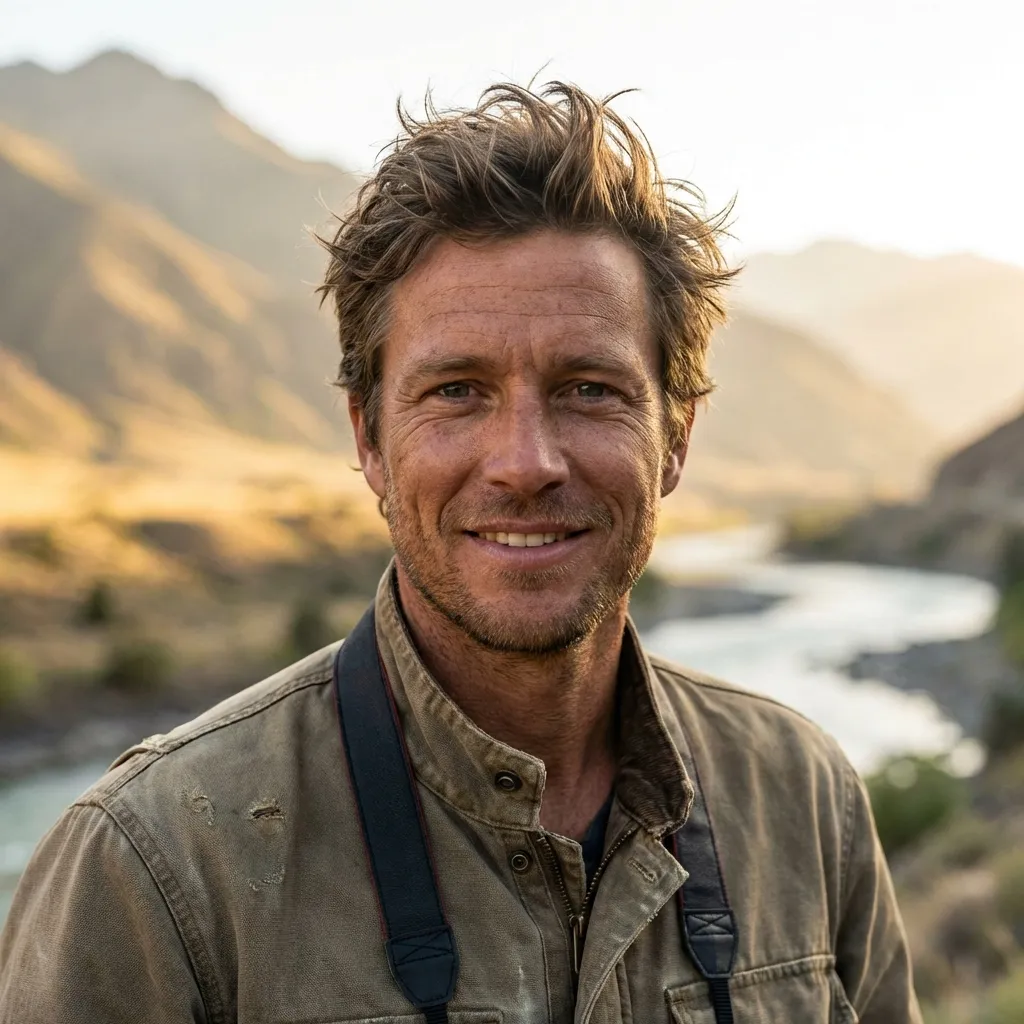
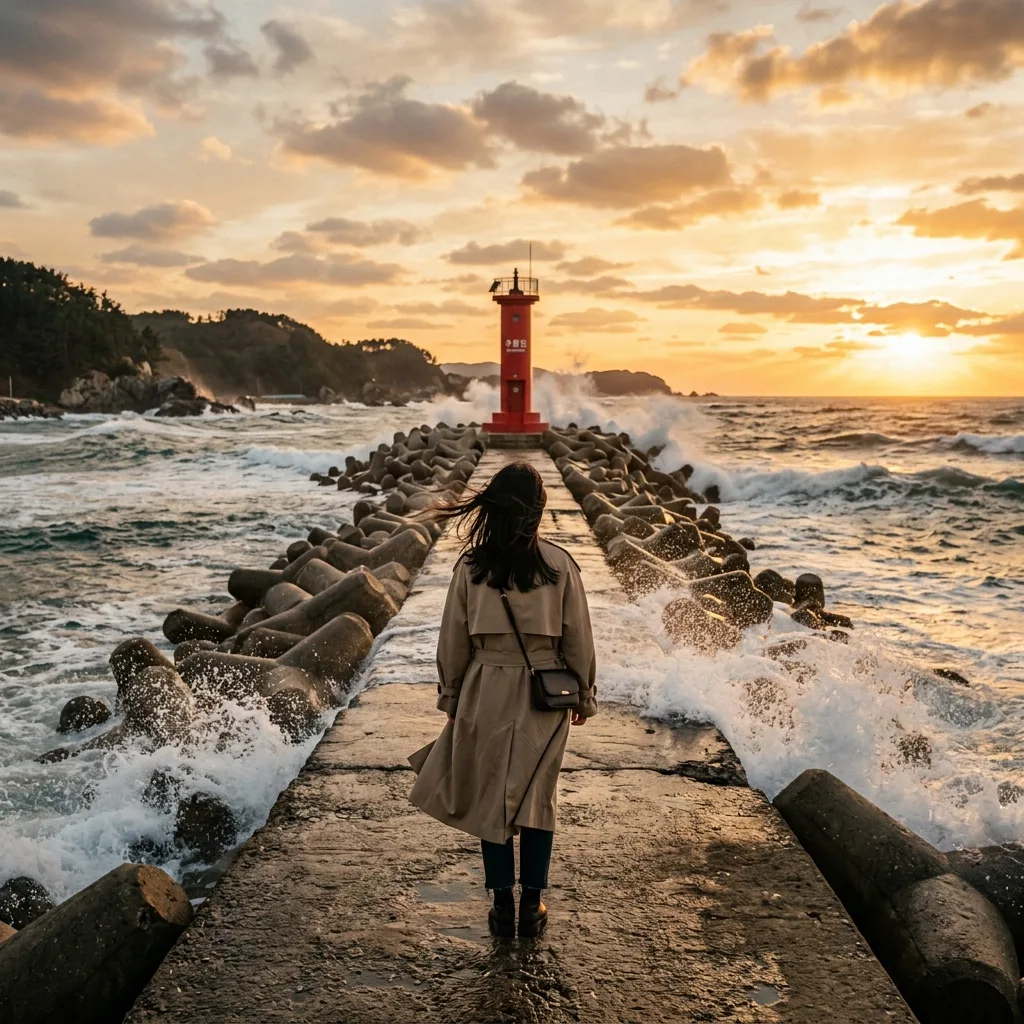
You've watched the scene a hundred times. The brooding lead standing at the edge of Jumunjin Breakwater, coat whipping in the salt wind. The couple eating tteokbokki in a steaming pojangmacha on a rainy Seoul alley. The final confession under cherry blossoms in a Bukchon hanok courtyard. Korea's K-dramas don't just tell stories — they turn the entire country into a set worth visiting in person. This 7-day itinerary is built for fans who want to stand exactly where their favorite characters stood, eat what they ate, and feel what they felt.
From the neon-lit streets of Hongdae to the coastal temples of Busan and the windswept shores of Gangwon-do, this route threads together the most beloved drama backdrops in Korea. You'll move efficiently using the KTX, spend your nights in drama-adjacent neighborhoods, and end each day knowing you've actually lived inside the show. No passive tourist stuff — this is a pilgrimage.
🏙️ Days 1–3: Seoul — The Heart of the Action
Seoul is where the story begins for almost every Korean drama. The city is so saturated with filming locations that you could spend a month here and still find new ones. Three days gives you enough time to hit the classics, discover a few neighborhood secrets, and eat your way through the drama-famous food districts.
This compact Seoul block covers three distinct moods: timeless heritage on Day 1, neighborhood soul on Day 2, and modern spectacle on Day 3. Plan to use the subway for all inner-city movement — a T-money card loaded with ₩50,000 will cover your transit costs for the full three days.
For a comprehensive map of additional filming locations beyond this itinerary's highlights, see our guide to the Best K-Drama Filming Locations to Visit in Seoul.
Day 1: Classic Landmarks — Namsan Tower & Bukchon Hanok Village
Morning: Bukchon Hanok Village (북촌한옥마을)
Start early — before 9 a.m. — to beat the tourist rush and catch the golden-hour light that makes Bukchon look exactly like a drama still. The alleyways on Gahoe-ro 11-gil are the most photographed stretch in the village. My Love from the Star, Boys Over Flowers, and Jewel in the Palace all filmed scenes here among the terracotta tile rooftops.
Bukchon is a living neighborhood, so be respectful of residents: keep voices low, don't peer into gates, and follow the posted quiet-zone signs. The best vantage point — the one you've seen in countless drama thumbnails — is halfway up Gahoe-ro hill looking south toward Namsan.
Afternoon: Changdeokgung Palace & Huwon Secret Garden
A 15-minute walk south brings you to Changdeokgung Palace (창덕궁), a UNESCO World Heritage Site and one of the most frequently used palace backdrops in historical dramas. The rear garden, Huwon (후원), requires a separate timed ticket (₩8,000 for foreigners) and is worth every won — 300-year-old pavilions reflected in lotus ponds, surrounded by forest. Book the English tour online at least two days in advance through the Cultural Heritage Administration website.
Evening: Namsan Tower (N Seoul Tower)
Take the cable car up Namsan as the city lights begin to flicker on. Namsan Tower is the setting for confessions across dozens of dramas — most famously You Who Came from the Stars and Stairway to Heaven. The lock wall at the base of the tower is where couples (and fans) attach padlocks engraved with their messages. You can buy a lock at the gift shop for ₩5,000. Dinner at one of the restaurants in Namsangol Hanok Village at the mountain's base keeps the traditional vibe going.
Day 2: Neighborhood Vibes — Itaewon, Seongsu-dong & Hongdae Café Scenes
Morning: Itaewon (이태원)
Itaewon Class turned this hilly neighborhood's main strip into a pilgrimage route. Walk the same streets Park Saeroyi walked — starting near the fictional Danbam bar location on Itaewon-ro. The neighborhood has evolved significantly in recent years, but the bones of the show's setting remain: steep side streets, a mix of international restaurants, and an undeniably gritty-chic energy.
From Itaewon, ride the subway one stop to Noksapyeong for the boutique alleyways that featured in several scene transitions. The view of Namsan from the Noksapyeong bridge is one of the most underrated in Seoul.
Afternoon: Seongsu-dong (성수동)
Seoul's "Brooklyn" vibe draws drama production crews looking for industrial-chic backgrounds. The old tannery and factory buildings converted into cafes and studios have appeared in Nevertheless, My Mister, and several Netflix originals. Spend two hours exploring the cafe cluster near Seongsu Station Exit 4 — many of these spaces are worth visiting purely for their interiors.
Evening: Hongdae (홍대)
Hongdae is drama energy at its most concentrated. Street performances run nightly near the main park until 11 p.m. Several late-night café-bar hybrids from Start-Up and Our Beloved Summer filmed around the Yonsei University back gate. For an insight into the neighborhood's nightlife layering — from calm indie café to pulsing club street — see our breakdown of Seoul's Nightlife: Hongdae vs. Itaewon vs. Gangnam.
Day 3: Modern Seoul — Lotte World Tower & Han River
Morning: Lotte World Tower & COEX
The Lotte World Tower (롯데월드타워) observation deck, called Seoul Sky, appears in so many contemporary dramas that it has become shorthand for "modern Seoul success." Admission to the observation deck on the 117th–123rd floors runs ₩29,000 for adults. Book tickets online to skip the line. The underground COEX Starfield Library — that stunning room with towering bookshelves — has been used in drama photoshoots and is free to enter.
Afternoon: Banpo Bridge & Han River Picnic
The Han River picnic scene is a K-drama staple. Chimaek (치맥) — fried chicken and beer — on a Han River lawn is practically required viewing made real. Rent a bicycle from one of the riverside stations (around ₩3,000/hour) and ride toward Banpo Bridge for the Moonlight Rainbow Fountain show, which runs on weekends at set times.
For the full Han River experience after dark — the best fried chicken spots, the nighttime skyline — check out our guide to Exploring Han River Parks at Night.
Evening: Myeongdong Preview
Do a quick evening pass through Myeongdong for street food — egg bread, tornado potatoes, tteokbokki — before tomorrow's full Day 7 shopping session. The area around Myeongdong Cathedral has appeared in Secret Garden and My Love from the Star.
🏔️ Day 4: Gangwon-do — The Romantic Escape
Route: Seoul → Gangneung (KTX, 2 hours) → Nami Island or Jumunjin
Day 4 is your escape from the city. The KTX from Seoul Station to Gangneung runs multiple times daily and takes approximately 2 hours, putting you on the east coast by mid-morning. Round-trip tickets run ₩50,000–₩70,000 depending on the seat class. Book at least 3 days in advance via the KORAIL website or app — seats on peak weekends sell out fast.
Nami Island (남이섬) — Winter Sonata Territory
Nami Island is where Korean drama tourism arguably began. Winter Sonata (2002) filmed its iconic tree-lined path scenes here, and the island has been welcoming international fans ever since. The famous Metasequoia and birch tree lanes remain the main draw. Entry including the ferry is ₩16,000. Spring brings cherry blossom explosions; autumn turns the lanes copper and gold.
From Nami, a short taxi or local bus connects to Petite France (프티 프랑스), the quirky Franco-Korean village that appeared in My Love from the Star and Secret Garden. Entry is ₩12,000.
Jumunjin Breakwater (주문진 방파제) — Goblin Fans
If you're a Goblin (도깨비) devotee, skip Nami Island and head straight to Jumunjin Breakwater near Gangneung. This is where the Goblin — Gong Yoo — stood in his long black coat staring out at the sea in the drama's most iconic frames. The breakwater itself is completely free to visit. The surrounding Jumunjin fishing village has excellent raw seafood restaurants for a late lunch.
Photography Tips for the Cinematic Vibe
- Shoot during the golden hour (within 45 minutes of sunset) — the coastal light near Gangwon-do has a naturally warm, cinematic quality that matches drama color grading.
- Bring a neutral-color coat or outerwear — busy patterns compete with the scenery in photos.
- The Jumunjin Breakwater looks best shooting from the end of the pier back toward the lighthouse, not the other way around.
- For Nami Island, arrive before 10 a.m. to get clean shots of the tree lanes without crowds.
For more Gangwon-do destinations and logistics — including Sokcho, Seoraksan, and the coastal cycling routes — see The East Coast Road Trip: Gangneung, Sokcho, and Yangyang.
Return to Seoul by evening KTX, or overnight in Gangneung if budget allows (pension houses along the coast run ₩80,000–₩150,000/night on weekends).
🌊 Days 5–6: Busan — Seaside Dramas & Hidden Gems
Route: Seoul → Busan (KTX, 2.5 hours)
Take the early morning KTX from Seoul Station on Day 5. The Busan KTX journey is around 2 hours 40 minutes and costs ₩59,800 for a standard seat. Busan's subway system is efficient — a single day pass (₩5,500) covers unlimited travel on all subway lines and is the easiest way to move between the city's dispersed neighborhoods.
For neighborhood-by-neighborhood hotel recommendations and the best areas to base yourself during your Busan days, our complete Busan Neighborhood Guide for Travelers covers the full range from budget hostels near Nampo-dong to boutique hotels in Marine City.
Day 5: The Art of Busan — Gamcheon & Bosudong
Morning: Gamcheon Culture Village (감천문화마을)
Gamcheon is the most-photographed neighborhood in Busan: a hillside maze of pastel houses cascading down toward the port, connected by narrow staircases and alleyways painted with murals. Haeundae Lovers and numerous music videos have filmed here. Entry is free; pick up a map at the information center (₩2,000, redeemable for merchandise) to follow the stamp-collecting art trail.
The best viewing point for the full village panorama is from the roof terrace of Café Haneul (하늘), near the top of the village. Arrive before 10 a.m. or after 4 p.m. to avoid tour group congestion.
Afternoon: Bosudong Book Alley (보수동 책방골목)
A short taxi from Gamcheon brings you to Bosudong, Busan's historic used-book alley. It's been operating since the Korean War when refugees set up book stalls with salvaged volumes. The alley has appeared in period dramas and documentaries as a living artifact of Korean history. Even if you can't read Korean, the stacked paperbacks and hand-painted signs make it one of Busan's most atmospheric streets.
Nearby Biff Square (BIFF 광장) — the Busan International Film Festival's street venue — is lined with celebrity handprints embedded in the sidewalk and surrounded by excellent street food carts. Ssiat hotteok (씨앗호떡 — seed pancakes with nuts and sugar) from the vendors here is one of the most distinctive Busan street foods.
Evening: Jagalchi Fish Market
End the day at Jagalchi Fish Market (자갈치시장), Korea's largest seafood market. The ground floor is raw seafood retail; take the escalator up to the restaurants on the second floor to have your purchases cooked. A platter of sashimi (회) with soju at Jagalchi as the harbor lights come on is quintessential Busan drama energy.
Day 6: Coastal Scenes — Haedong Yonggungsa & Haeundae Blueline Park
Morning: Haedong Yonggungsa Temple (해동용궁사)
Most Korean temples are set in mountain forests. Haedong Yonggungsa breaks that pattern entirely: it's built directly on rocky coastal cliffs, with the East Sea crashing below the prayer halls. The temple has appeared in several dramas as a dreamlike, otherworldly setting. Entry is free. Take Bus 181 from Haeundae Station (around 30 minutes) or a taxi (around ₩15,000).
Arrive before 9 a.m. — tour groups arrive mid-morning and the stone path leading to the temple becomes very crowded. The sunrise view from the main hall looking east over the water is extraordinary if you can manage the early departure.
Afternoon: Haeundae Blueline Park (해운대 블루라인파크)
The Haeundae Blueline Park is a coastal rail trail that runs along the old Donghaeseon railway line between Mipo and Cheonam Stations. You have two options: the Beach Train (비치트레인), a narrow-gauge open-air train, and the Sky Capsule (스카이캡슐), suspended glass gondola cars above the sea. The Sky Capsule seats two and offers 180-degree ocean views — it's the more photogenic option and the one you've likely seen in Korean travel content. Book online (around ₩30,000 per capsule) as spots sell out on weekends.
The trail passes청사포 (Cheongsapo) village and its twin lighthouses — a quietly scenic spot that has appeared in drama location scouts for its unforced romanticism.
Evening: Haeundae Beach & Marine City
Haeundae Beach at dusk, with the glittering high-rises of Marine City reflected in the wet sand, is one of Korea's most cinematic real-life views. Beach Boys, Signal, and countless other productions have used this stretch. Walk the full 1.5 km beach, then head into the Marine City district for dinner — the restaurant cluster near Dalmaji-gil offers excellent seafood with harbor views.
🛍️ Day 7: Final Souvenirs & Seoul Wrap-up
Route: Busan → Seoul (KTX, 2.5 hours) — morning departure
Take the 8 or 9 a.m. KTX back to Seoul, arriving by midday. This gives you a full afternoon in the city before airport departure. Store your luggage at Seoul Station's coin lockers (₩3,000–₩6,000 depending on size) and head straight to Myeongdong.
Afternoon: Myeongdong Shopping
Myeongdong (명동) is Korea's most concentrated K-beauty shopping district. For drama fans, the cosmetics here are deeply tied to the looks worn on screen — the glass-skin base, the gradient lip, the expressive brow. The major chains (Innisfree, Etude, Missha, The Face Shop, Olive Young) are all on the main strip. Sample liberally — shopkeepers are accustomed to international visitors testing products extensively before buying.
Drama-specific souvenirs worth hunting:
- Goblin-themed postcards at the tourist shops near Myeongdong Cathedral
- Soju from the brand that sponsored your favorite drama (often sold in convenience stores with promotional packaging)
- Korean traditional makeup mirrors from the craft vendors on the Myeongdong side streets
For a full breakdown of the best K-beauty buys and street food to eat while you shop, see our Myeongdong Shopping Guide.
Optional: Last-Minute Filming Spots Near Incheon AREX
If you're flying out of Incheon and have a late departure, the Airport Railroad (AREX) connects Seoul Station to Incheon Airport in 43 minutes. Two stops worth a brief detour:
- Digital Media City (DMC) Station: The DMC area is home to several major Korean broadcasting companies (MBC, KBS). The public plaza outside MBC has production trucks and occasional outdoor filming. Fans of shows produced by these networks occasionally spot filming in progress.
- Incheon Chinatown (차이나타운): A short taxi from Incheon Airport, this atmospheric district with colorful murals and jjajangmyeon restaurants appeared in several action and romance dramas. Worth an hour if your flight is in the evening.
🚅 Getting Around: Logistics & Travel Tips
Seoul Intra-City Transport
The Seoul Metropolitan Subway is the backbone of your Seoul days. Load a T-money card (available at convenience stores and airport vending machines) with ₩50,000 for comfortable transit coverage. Fares run ₩1,400–₩2,000 per ride within the city. Taxis are cheap by international standards — base fare is ₩4,800 — and useful for late-night returns when subway service ends around midnight.
Inter-City: KTX & KORAIL Pass
For the Seoul → Gangneung and Seoul → Busan legs, the KTX is the clear choice. It's punctual, comfortable, and fast. If you're certain about your travel dates, book individual KTX tickets rather than a KORAIL Pass — the pass only pays off if you're taking more than 4–5 long-distance trips. Book via the KORAIL app or website, or at any staffed station counter.
If your budget is flexible, the KTX Premium (KTX-이음 class) on some routes offers wider seats and improved quiet zones — worth the ₩5,000–₩10,000 upgrade if available.
Essential Apps
- Naver Maps (네이버 지도): The most accurate navigation app in Korea. Walking, transit, and driving directions are all reliable. Key advantage over Google Maps: it has real-time bus arrival data and subway transfer information that is consistently accurate.
- KakaoMap (카카오맵): Strong alternative to Naver Maps; slightly better for rural or less-trafficked areas.
- KORAIL KTX App: For booking and managing train tickets. Accept mobile tickets — no need to print.
- Kakao T: Korea's dominant ride-hailing app. Easy to use even without Korean phone number; links to international credit cards.
- Papago: Naver's translation app. Superior to Google Translate for Korean — handles regional expressions, menus, and signage better.
Accommodation Strategy
- Seoul Days 1–4: Stay in Mapo-gu (near Hongdae or Hapjeong) for easy subway access to all Day 1–3 neighborhoods and the Suseo KTX terminal for Gangwon-do departure.
- Busan Days 5–6: Stay near Nam-po-dong or Seomyeon for central access. Haeundae is convenient for Day 6 but adds transit time on Day 5.
Budget Snapshot
| Category | Estimated Cost (per person) |
|---|---|
| KTX (Seoul–Gangneung RT + Seoul–Busan RT) | ₩180,000–₩240,000 |
| Accommodation (6 nights, mid-range) | ₩420,000–₩720,000 |
| Daily food (street food + sit-down meals) | ₩400,000–₩600,000 |
| Attraction entry fees | ₩80,000–₩120,000 |
| Transport (subway, taxi) | ₩60,000–₩100,000 |
| Shopping/souvenirs | Variable |
| Total (excl. flights/shopping) | ₩1,140,000–₩1,780,000 (~$850–$1,330 USD) |
Conclusion: Your Personal Drama Begins Here
Seven days is enough time to feel the full emotional range of Korean travel: the quiet reverence of Bukchon at dawn, the electric buzz of Hongdae at midnight, the salt-and-wind solitude of Jumunjin Breakwater, the living color of Gamcheon at golden hour. Every place on this itinerary has been on a screen at some point — but in person, they're richer, louder, and more surprising than any drama prepared you for.
K-dramas gave you the map. Now you fill it in yourself.
When you finish the trip, share your best shots. Find the exact frame from the show. Stand where they stood. Eat what they ate. And if you're lucky, write your own ending in the space between the familiar and the new — which is exactly where Korea does its best work.