Where to Stay in Busan: Best Neighborhoods for Beach, Food, and Sightseeing

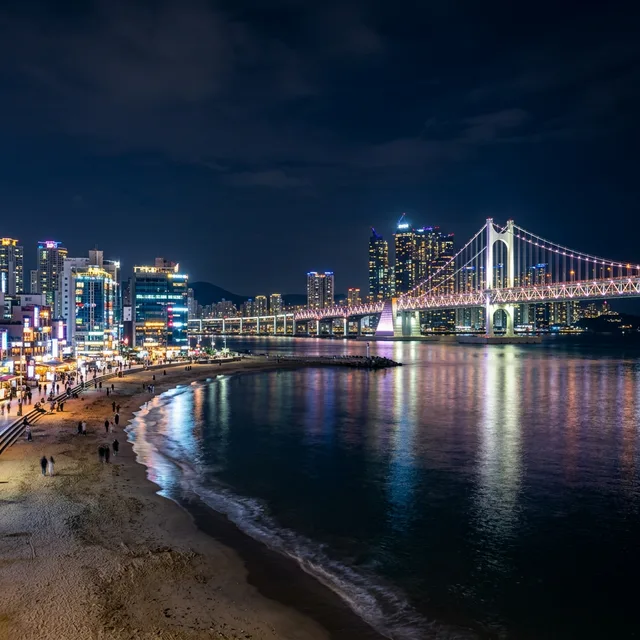
Planning a trip to South Korea’s second-largest city? Busan is a sprawling coastal metropolis where the mountains meet the sea, and choosing the right neighborhood can make or break your experience. Whether you’re here for the iconic Gwangan Bridge night views or the legendary street food of Nampo-dong, this guide will help you find your perfect Busan home.
Introduction: The Multi-Faced Charm of Busan
Busan is a city of distinct personalities. Unlike Seoul, which can sometimes feel like an endless sea of subway stations and skyscrapers, Busan is defined by its topography. It is a city squeezed between steep mountains and the East Sea, resulting in a series of self-contained hubs that are often separated by tunnels or bridges.
Because of this layout, choosing where to stay in Busan is a strategic decision. If you stay in the far east (Haeundae), you’ll enjoy world-class beaches but face a 45-minute subway ride to reach the historic markets of the west. If you stay in the center (Seomyeon), you’ll be the master of transit but lack that morning ocean breeze.
In this guide, we will break down the four primary neighborhoods that most travelers consider—Haeundae, Gwangalli, Seomyeon, and Nampo-dong—along with a few rising "off-the-beaten-path" areas that offer a more local experience.
Haeundae: The Iconic Resort Experience
Haeundae is to Busan what Waikiki is to Honolulu. It is the most famous beach in South Korea and the city’s undisputed luxury hub.
The Vibe: High-Rises and Vacation Energy
When you walk out of Haeundae Station, the first thing you notice is the sound of suitcases rolling on pavement and the sight of massive 100-story skyscrapers (like LCT) looming over the sand. It feels like a year-round vacation. The streets are clean, the signs are multilingual, and the area is packed with premium dining and entertainment.
Key Properties in Haeundae
- Paradise Hotel Busan: The gold standard. It features the famous "Cimer" outdoor hot spring, where you can soak in heated infinity pools overlooking the ocean. It’s arguably the best hotel experience in the city.
- Signiel Busan: Located in the LCT Landmark Tower, this is ultra-modern luxury. The rooms are at such a height that you feel like you’re floating above the horizon.
- Shilla Stay Haeundae: For those who want the prestige of the Shilla brand at a more mid-range price point. It’s elegant, grey-toned, and located just steps from the beach.
- Grand Josun Busan: A newer entry that offers fantastic ocean views and a great rooftop pool.
Haeundae Blueline Park: The Newest Way to See the Coast
A stay in Haeundae isn't complete without visiting the Haeundae Blueline Park. This repurposed old railway line runs from Mipo (near the Signiel) to Songjeong.
- The Beach Train: A fast way to hop between coastal spots.
- The Sky Capsule: These are small, colorful private cabins that glide along an elevated track. If you are staying in Haeundae, booking a Sky Capsule at sunset is the ultimate romantic experience. It offers a totally different perspective of the ocean than you get from your hotel balcony.
Gwangalli: Night Views and Local Trends
If Haeundae is the "International Resort," Gwangalli is the "Local Favorite." It is smaller, more intimate, and centered around a single, crescent-shaped bay.
The Vibe: The Bridge is the Star
The defining feature of Gwangalli is the Gwangan Bridge (Diamond Bridge). At night, the bridge lights up in a synchronized LED show that is truly breathtaking. Unlike Haeundae’s wide boardwalk, Gwangalli’s beachfront road is lined with trendy craft beer bars, boutique cafes, and independent restaurants. Every Saturday night, the sky above the water comes alive with a massive drone show.
Key Properties in Gwangalli
- Kent Hotel by Kensington: Located directly across from the beach, its rooftop bar offers one of the best views of the bridge.
- H Avenue Gwangalli: Famous for its aesthetic design and "million-dollar views." Many travelers choose this hotel specifically for the Instagrammable balcony shots of the bridge.
- Boutique Airbnbs: Gwangalli has a high concentration of renovated ocean-view studio apartments that offer a more "lived-in" feel than the big hotels.
- Hotel Aqua Palace: A classic choice that includes a water park and sauna facilities, popular with families.
Seomyeon: The Commuter’s & Shopper’s Hub
If you look at a map of Busan, Seomyeon is right in the middle. It is the intersection of the two most important subway lines (Line 1 and Line 2).
The Vibe: Neon Jungles and Underground Malls
Seomyeon doesn’t have a beach, and it doesn’t have a mountain view. What it does have is energy. It is the commercial heart of the city. By day, people flock to the massive Seomyeon Underground Shopping Center. By night, the backstreets turn into a neon-lit maze of BBQ joints, pocha (tented bars), and clubs. It is the best place to feel the pulse of Busan’s youth culture.
Key Properties in Seomyeon
- Lotte Hotel Busan: A massive 5-star property connected directly to the Lotte Department Store and the subway station. It’s the ultimate in convenience.
- Arban Hotel: A high-value boutique hotel located in the heart of the action. It’s modern, quiet inside, and usually priced very attractively.
- Avani Central Busan: Located slightly outside the main Seomyeon intersection but offering a more polished, tranquil stay near the International Finance Center.
- Solaria Nishitetsu Hotel Busan: A reliable Japanese-style hotel that focuses on efficiency and cleanliness.
Jeonpo Cafe Street: From Industrial to Indie
Just behind the main Seomyeon intersection lies Jeonpo Cafe Street. Once a neighborhood filled with small electronics and tool shops, it has been transformed into one of the trendiest cafe distracts in the country.
- The Experience: You can stay in one of the many "officetels" (studio apartments) in this area if you want to wake up to the smell of freshly roasted coffee and be steps away from independent bakeries. It offers a much cooler, local alternative to the corporate hotels of the main street.
Nampo-dong & Jagalchi: Old Busan & Markets
For those who want to experience the history and tradition of Busan, the Nampo area in the west is the primary choice.
The Vibe: Markets, History, and Street Food
Nampo-dong feels like "Old Busan." This area was the heart of the city during the Korean War and is home to the world-famous Jagalchi Fish Market. The streets are narrower, the smells are more intense (in a good way!), and the culture is palpable. It’s also the gateway to the Gamcheon Culture Village, the colorful "Machu Picchu of Busan."
Key Properties in Nampo-dong
- Hotel Foret Premier Nampo: Located right next to the BIFF Square (Busan International Film Festival), this hotel is clean, modern, and puts you in the center of the street food action.
- Stanford Hotel Busan: Another solid mid-range choice with great views of the harbor and easy walking access to the Lotte Mart Gwangbok-dong.
- Guesthouse K-Nampo: Perfect for budget travelers who want to be near the historic sites.
- Griffin Bay Hotel: Offers a fantastic view of the harbor and easy access to the Jagalchi Fish Market.
40-Step Culture & Tourism Village
Few travelers delve into the history of the 40-Step Street in Nampo, which commemorates the plight of refugees during the Korean War. Staying near here feels like stepping back into the 1950s. The area is filled with nostalgic statues and small, traditional tea houses that contrast sharply with the glass towers of Haeundae.
Yeongdo & Songdo: The Rising Stars
If you’ve been to Busan before or want something different, consider these two southern coastal areas.
Yeongdo: Industrial Chic
Yeongdo is an island connected to Nampo-dong by the Yeongdo Bridge. It used to be a hub for shipbuilding, but old warehouses are now being converted into massive, stunning cafes like P.ARK and Huinnyeoul Culture Village. It offers a "coastal village" vibe that is quieter and more artistic than the main hubs.
Songdo: The Hidden Gem
Just west of Nampo-dong, Songdo Beach is home to the Songdo Marine Cable Car, which glides across the ocean. It’s much quieter than Haeundae or Gwangalli and features a unique "Cloud Walk" over the water. It’s a great choice for travelers who want a sea view without the Haeundae crowds.
The Busan Cheat Sheet: At-A-Glance Comparison
| Neighborhood | Primary Vibe | Accommodation Type | Best For | Noise Level |
|---|---|---|---|---|
| Haeundae | Resort / Glamorous | Luxury High-rises | Families & Honeymooners | Moderate |
| Gwangalli | Trendy / Youthful | Boutique & Airbnbs | Couples & Socialites | High (Weekends) |
| Seomyeon | Urban / Fast-paced | Business Hotels | Sightseers & Shoppers | Very High |
| Nampo-dong | Historic / Gritty | Value Hotels | Foodies & History Buffs | Moderate |
| Yeongdo | Industrial / Artistic | Unique Concept Stays | Slow Travelers | Low |
Cultural Deep Dive: Understanding "Busan Man" and Saturi
One thing you will notice immediately when you check into your hotel in Busan is the Busan Dialect (Saturi). Compared to the soft, melodic tones of Seoul, Busan Saturi sounds shorter, faster, and much more aggressive.
- The "Busan Man" Archetype: There is a famous stereotype in Korea of the "Busan Man"—someone who is rough on the outside but incredibly warm and loyal once you get to know them.
- Practical Tip: When you are bargaining at the Jagalchi Market or asking directions at a Seomyeon BBQ joint, don't be intimidated if someone sounds like they are shouting at you. It’s usually just their natural tone of voice! A simple "Kamsahamnida" (Thank you) with a smile goes a long way here.
Busan Transportation 101 for Travelers
Regardless of where you stay, you need to understand how to move around.
- The Metro is King: Busan’s subway system is excellent. Always try to stay within a 5-minute walk of a station on Line 1 or 2.
- The Donghae Line: This is a separate commuter rail that runs along the east coast. It is the fastest way to get from Haeundae to the stunning Haedong Yonggungsa (The Seaside Temple).
- Bridges and Tunnels: If you are taking a taxi, be aware that Busan has many toll bridges (like the Busan Harbor Bridge). They are beautiful to drive across at night but add to your fare.
Busan Station & Choryang: The Historic Gateway
If you are arriving by KTX (High-speed rail), you will land at Busan Station. While many travelers immediately head to the beaches, the surrounding Choryang neighborhood is one of the most culturally rich areas in the city.
The Vibe: Contrast and Discovery
Choryang is a mix of the old and the new. Directly across from the station is Chinatown and Texas Street, areas with a gritty, international history. But just up the hill is the Choryang Ibagu-gil, a storytelling road that leads you through the history of Busan’s labor and migration.
Key Properties in Choryang
- Asti Hotel Busan Station: A premium business hotel located right next to the KTX terminal. It features a stunning rooftop bar with views of the Busan Harbor Bridge.
- Ramada Encore by Wyndham Busan Station: A modern, efficient choice for those who need a quick transit stay.
- Brown Dot Hotel Busan Station: A popular local chain that offers stylish, affordable rooms.
The Ibagu-gil Monorail
One of the coolest hidden gems here is the 168 Stairs Monorail. It was built to help the elderly residents navigate the steep hillside. Staying in a hillside "Minbak" (local stay) here gives you an incredible view of the sunset over the harbor—a view most beach travelers never see.
Where to Eat: A Neighborhood Seafood Guide
In Busan, seafood is not just food; it’s a way of life. But each neighborhood has its specialty.
- Jagalchi (Nampo): This is for the purists. Eat grilled shellfish and fresh sashimi.
- Millak (Gwangalli): This is for the social experience. Buy your fish at the market and take it to the "sashimi center" upstairs, or better yet, have a picnic on the Gwangalli beach seawall.
- Songjeong (Near Haeundae): Famous for seaweed and grilled sea eel (Jangeo-gui). It feels much more rustic and local than the main Haeundae strip.
- Yeongdo: Famous for "Haenyeo" (female divers) tents. You can sit on plastic stools right on the rocks by the ocean and eat fresh sea squirts and octopus caught that morning.
A Perfect 2-Day "Stay Logic" Itinerary
To maximize your stay, we recommend splitting your time or organizing your days like this:
Day 1: The "West Side" (Historic & Gritty)
- Morning: Walk through the Jagalchi Fish Market.
- Mid-day: Explore the colorful Gamcheon Culture Village.
- Afternoon: Go shopping in Nampo-dong and visit the BIFF Square.
- Dinner: Pork Soup (Dwaeji Gukbap) in a Nampo back alley.
- Night: Sunset at Busan Tower or the 168 Stairs in Choryang.
Day 2: The "East Side" (Resort & Trendy)
- Morning: Sunrise walk on Haeundae Beach.
- Late Morning: Ride the Sky Capsule from Mipo to Cheongsapo.
- Afternoon: Visit the Haedong Yonggungsa Temple (The Seaside Temple).
- Sunset: Coffee in a trendy cafe on Jeonpo Cafe Street (Seomyeon).
- Night: Craft beers on the Gwangalli beachfront with the bridge light show.
When to Visit: Seasonal Busan Decisions
Your choice of neighborhood might change depending on when you visit:
- Spring (late March - early April): Stay near Gwangalli or Namcheon-dong. The Samik Beach Apartments are home to the most famous cherry blossom tunnel in the city.
- Summer (July - August): Stay in Haeundae. Be warned: it will be incredibly crowded, but the energy of "Korea's Summer Capital" is something everyone should experience once.
- Autumn (October): Stay in Nampo-dong or Seomyeon. This is when the Busan International Film Festival (BIFF) takes place, and the whole city turns into a cinema hub.
- Winter (December - January): Stay in Nampo-dong. The Busan Christmas Tree Festival turns the area into a winter wonderland with stunning light installations.
Conclusion: Which Busan Neighborhood is Yours?
To summarize, here is how to make your final choice:
- Stay in Haeundae if you want a luxury resort experience and don't mind a bit of a commute to the historic west.
- Stay in Gwangalli if you want the best night views in Korea and a trendy, local atmosphere.
- Stay in Seomyeon if your goal is to see as much of the city as possible and you love the urban energy of nightlife and shopping.
- Stay in Nampo-dong if you are a foodie who wants to dive into Busan’s history and traditional markets.
Busan is a city that rewards exploration. Each neighborhood offers a completely different lens through which to see South Korea’s coastal gem. Whichever you choose, you’ll find that Busan’s hospitality—and its incredible seafood—will keep you coming back for more.
Once you've settled on a coastal base, you'll likely want to plan the capital leg of your journey using The Ultimate Seoul Travel Guide: Where to Stay & What to See. If your seaside vacation is taking you further south to Korea's volcanic island, you must explore the Best Resorts and Pension Houses in Jeju Island for a Relaxing Getaway. You can seamlessly connect Seoul, Busan, and Jeju by following The Ultimate 10-Day South Korea Itinerary for First-Timers.