Surfing in Korea: Yangyang Beach and the East Coast Surf Scene

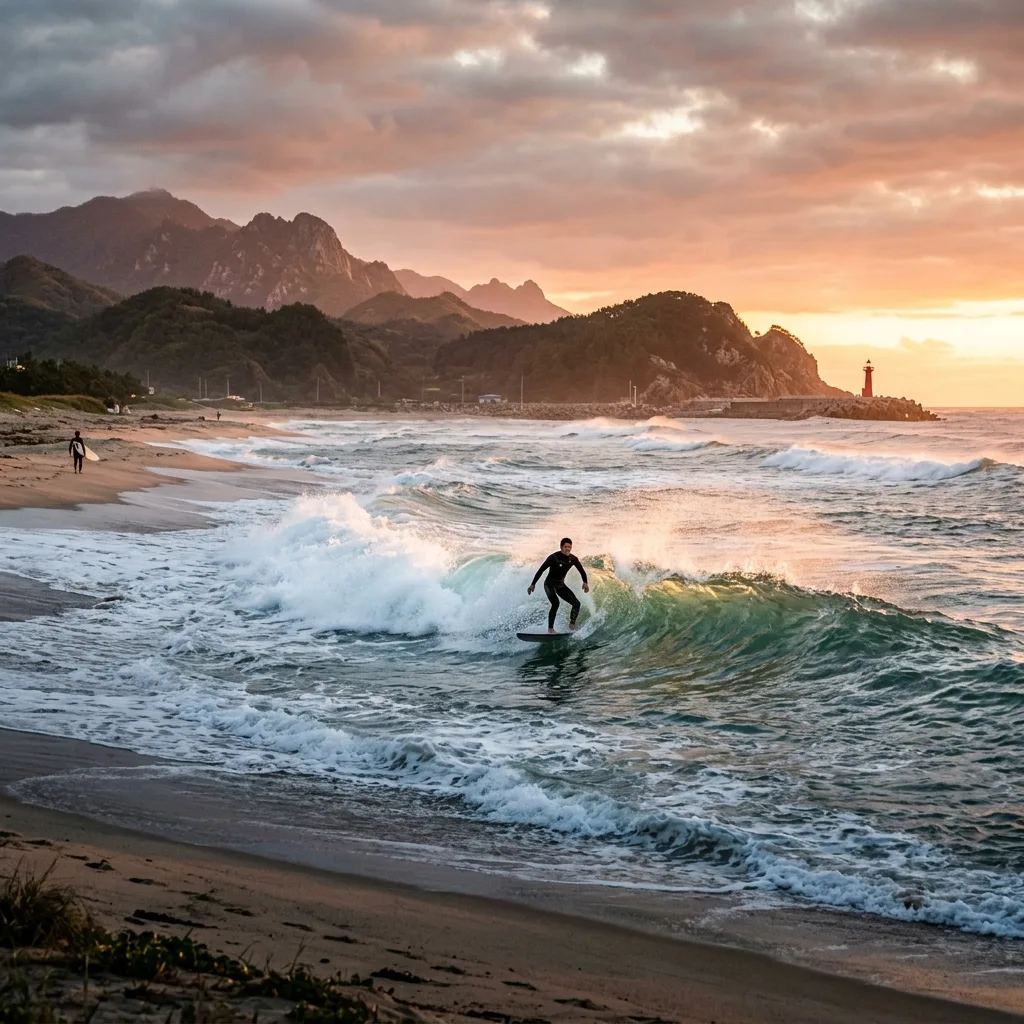
Staring at your bucket list, are you dreaming of exotic beach destinations, but South Korea isn't the first place that comes to mind for surfing? Think again. While often celebrated for its vibrant South Korea's Best Music Festivals: From EDM to K-Pop, ancient palaces, and futuristic cities, South Korea's East Coast is rapidly emerging as a legitimate and thrilling surf destination, with Yangyang Beach leading the charge. If you’re a seasoned wave rider or a curious beginner looking to catch your first wave, this guide will unlock the secrets to surfing in Korea, focusing on the vibrant scene at Yangyang Beach and other East Coast gems in 2026. Prepare to swap your city itinerary for a wetsuit and surfboard – an unforgettable adventure awaits.
Introduction to Korea's East Coast Surf Scene
South Korea's East Coast, particularly the stretch around Gangwon-do province, has steadily carved out a niche as an unexpected yet highly rewarding surf destination. The region benefits from consistent swells generated by typhoons in the late summer and autumn, and groundswells during the winter, offering waves suitable for all levels. What was once a hidden gem is now a burgeoning surf mecca, complete with dedicated surf towns, international-standard schools, and a laid-back, welcoming vibe that contrasts sharply with the bustling urban centers. Yangyang County, home to iconic spots like Jukdo Beach and Surfyy Beach, stands at the epicenter of this coastal revolution, attracting surfers, artists, and digital nomads alike. This transformation highlights a unique blend of traditional Korean charm with a vibrant, modern surf culture, offering a unique travel experience that few expect. The surf scene here isn't just about riding waves; it's about a lifestyle that embraces nature, community, and a slower pace, making it a compelling escape from the urban hustle. The accessibility from The Ultimate Seoul Travel Guide: Where to Stay & What to See means that many weekend warriors flock to these beaches, creating a dynamic and friendly atmosphere.
Surfing in South Korea offers a unique blend of adventure and cultural immersion. The East Coast's rising popularity is attributed to its reliable waves, beautiful scenery, and well-developed infrastructure that caters to both local and international surf enthusiasts. Beyond the waves, visitors can explore historic temples nestled in coastal mountains, enjoy fresh seafood caught daily, and experience the warm hospitality of local communities. This combination makes it more than just a surf trip; it’s a holistic cultural exploration.
Yangyang Beach: The Heart of Korean Surfing
Yangyang County is undeniably the pulse of South Korea's surf scene. Its diverse coastline offers a range of breaks, from gentle, rolling waves perfect for beginners to more challenging conditions for intermediate and advanced surfers. The area boasts a multitude of surf schools, rental shops, and cozy guesthouses, making it incredibly accessible for travelers. Each beach within Yangyang offers a slightly different flavor, catering to various preferences and skill levels.
Jukdo Beach (죽도해변): Often considered the most iconic surf spot in Yangyang, Jukdo Beach is a vibrant hub teeming with surf shops, lively cafes, and comfortable guesthouses. It's renowned for its consistent beach breaks, which are ideal for both learning and honing intermediate skills. The atmosphere here is electric, especially during the summer months and on weekends, with music often drifting from beachside establishments. Numerous surf schools, many of which provide instruction in English, line the beach, making it an excellent starting point for international visitors. Beyond surfing, Jukdo offers a thriving night market, eclectic boutiques, and various surf-related events throughout the year, fostering a strong sense of community. It's a place where you can surf all day and then enjoy a lively evening, connecting with fellow travelers and locals.
Surfyy Beach (서피비치): A distinctive and somewhat exclusive destination, Surfyy Beach operates as a "surfers only" private beach. This unique concept offers a more curated and upscale experience, complete with dedicated surf zones for different skill levels, luxurious chill-out areas with beanbags and hammocks, and a chic beach club atmosphere. While it targets a specific demographic seeking a more refined beach experience, its facilities are meticulously maintained, providing a premium environment for wave riders. Non-surfers can gain access by purchasing a "Beach Pass," which allows them to enjoy the amenities and soak in the bohemian, resort-like ambiance. It’s a perfect spot if you're looking for a more organized and aesthetically pleasing surf environment.
Ingu Beach (인구해변): Situated just south of the bustling Jukdo, Ingu Beach presents a slightly more tranquil and less crowded alternative. This beach is particularly praised for its generally forgiving waves, making it an excellent location for beginners to practice without the intense crowds sometimes found at Jukdo. Ingu is home to a good selection of quality surf schools and charming, relaxed cafes that invite you to unwind after a session. Its quieter nature allows for a more focused learning experience and a peaceful retreat, yet it's close enough to Jukdo to easily access its amenities if desired. It embodies a perfect balance for those seeking both good waves and a calmer environment.
Essential Information for Surfing in Yangyang (2026)
Planning your surf trip to Yangyang in 2026 requires understanding the local conditions, rental options, and best times to visit to maximize your wave count and overall experience.
Best Time to Visit
While surfing is technically possible year-round in Yangyang, each season offers distinct characteristics that cater to different preferences and skill levels.
Late Summer and Autumn (August to November) are widely regarded as the prime seasons for surfing in Korea. During this period, consistent and powerful typhoon-generated swells grace the East Coast, providing bigger, more challenging waves that thrill intermediate and advanced surfers. The water temperature remains quite pleasant, often hovering around 20-25°C (68-77°F), meaning a 2/2mm spring suit or even just board shorts/swimsuit might suffice. The air is warm, and the days are generally sunny, making for ideal conditions both in and out of the water. This is also a fantastic time to witness the vibrant autumn foliage in the surrounding mountains, adding another layer to your travel experience.
Spring (April to June) offers a gentler introduction to Korean waves. The swells are typically smaller and cleaner, creating ideal conditions for beginners to learn and for experienced surfers to practice fundamental skills. Water temperatures gradually rise from chilly 10°C (50°F) in April to a comfortable 18-20°C (64-68°F) by June, usually requiring a 3/2mm or 4/3mm wetsuit. The weather is generally mild and sunny, and the crowds are noticeably thinner than in the peak summer months, providing a more relaxed atmosphere for learning and enjoying the scenery.
Winter (December to March) transforms Yangyang into a cold-water surf destination, attracting a dedicated cadre of experienced surfers. While air temperatures drop significantly, often below freezing, winter groundswells can deliver powerful and perfectly formed waves, often uncrowded. This season demands serious cold-weather gear: a thick 5/4mm or 6/5mm wetsuit, along with boots, gloves, and a hood, is absolutely essential. Water temperatures can drop to 5-10°C (41-50°F). For those prepared for the cold, winter offers the reward of truly epic, unshared waves and a profound sense of accomplishment. Many local surfers consider winter to be the "real" surf season due to the quality and consistency of the waves.
Surf Schools and Lessons
Yangyang's beaches are replete with numerous professional surf schools, many of which are well-equipped to cater to English-speaking visitors. These schools offer a range of programs, from one-off introductory lessons to multi-day beginner packages and advanced coaching sessions.
Typical Lesson Structure: A standard introductory lesson typically spans 1.5 to 2 hours. It usually begins with a crucial land-based session covering essential theory, including ocean safety, wave dynamics, paddling techniques, and the all-important pop-up method. This theoretical foundation is followed by extensive supervised practice in the water, where instructors provide personalized feedback and encouragement. A significant advantage is that most schools include both surfboard and wetsuit rental in the lesson price, simplifying your preparation. When choosing a school, look for certified instructors, small class sizes for personalized attention, and positive reviews from previous students.
Recommended Schools (Examples): While choices abound, some consistently receive high praise:
- Wannabe Wave (Jukdo Beach): Frequently highlighted for its friendly, enthusiastic instructors and comprehensive beginner programs that build confidence quickly. They focus on creating a supportive learning environment.
- Barrel Surf School (Jukdo Beach): Known for its vibrant community feel and excellent coaching for all levels. They often host social events, making it easy to connect with other surfers.
- Surfholic (Ingu Beach): Offers a slightly more relaxed atmosphere, ideal for those seeking a less intense learning environment. Their instructors are patient and focus on individual progress.
- Yangyang Surf School (Hajodae/Surfyy Beach Area): A well-established school offering a wide range of lessons and rental options, often with experienced local instructors who know the breaks intimately.
Equipment Rentals (2026 Prices)
Renting quality equipment in Yangyang is straightforward and convenient, with shops located directly on or just steps away from the main surf beaches. Prices for 2026 are generally standardized across the region:
- Surfboard Rental: Expect to pay approximately 25,000 – 30,000 KRW for a full day rental (typically until 6:00 PM). During peak summer weekends or at more exclusive spots like Surfyy Beach, a 3-hour limit might be enforced for around 30,000 KRW due to high demand. Soft-top boards are common for beginners, while a variety of hardboards are available for more experienced surfers.
- Wetsuit Rental: Essential for most of the year, wetsuit rental typically costs 10,000 – 20,000 KRW. The price can vary based on the thickness required for the season (e.g., thicker suits for winter might be slightly more). Ensure you get a well-fitting suit to maximize comfort and warmth.
- Introductory Lesson (including board & wetsuit): A package deal for an introductory lesson, encompassing both board and wetsuit rental, usually ranges from 60,000 – 75,000 KRW. This is often the most economical option for first-timers.
- SUP (Stand-Up Paddleboard) Rental: For those interested in a different kind of water sport, SUP rentals are available at 32,000 – 40,000 KRW for a 3-hour session.
- Beach Pass (Surfyy Beach): If you're visiting Surfyy Beach but not surfing, a beach pass for 10,000 KRW grants access to their facilities, including lounge areas, and often comes with a complimentary drink coupon.
Tip: Many surf schools and guesthouses offer attractive packages that bundle lessons, equipment rentals, and even accommodation. These multi-day or combined deals can often be significantly more cost-effective than booking each component separately, especially if you plan to stay for a few days and truly immerse yourself in the surf culture. Inquire about these packages when booking.
Practical Guide to Your Yangyang Surf Trip
A well-planned trip enhances the entire experience. Here’s a comprehensive guide to getting to Yangyang, finding the perfect place to stay, and optimizing your budget.
How to Get There
Yangyang's relative proximity to Seoul makes it a highly accessible weekend escape.
- Intercity Bus: This is by far the most convenient and popular method. Direct intercity buses depart frequently from major terminals in Seoul, such as the Seoul Express Bus Terminal (Gangnam) and the Dongseoul Bus Terminal. The journey to Yangyang Bus Terminal or directly to Hajodae (a common drop-off for Jukdo/Surfyy Beach) typically takes around 2.5 to 3 hours, depending on traffic. Buses are comfortable and affordable. From Yangyang Bus Terminal, local buses or a short taxi ride can take you to your specific beach destination. It’s advisable to book bus tickets in advance, especially during peak seasons or holidays.
- Car Rental: For travelers seeking maximum flexibility, renting a car is an excellent option. The drive from Seoul is scenic, passing through picturesque mountains and along the coast, taking approximately 2 hours via the Seoul-Yangyang Expressway. Having a car allows you to easily explore multiple surf spots, hidden beaches, and surrounding attractions at your own pace. Ensure you have an international driving permit if you're not a Korean resident.
- Train (KTX) + Local Transport: While there isn't a direct KTX station in Yangyang, you can take the high-speed KTX train from Seoul to Gangneung Station. This is a fast option for the main leg of the journey. From Gangneung, you'll need to transfer to a local intercity bus (approx. 30-40 minutes) or take a taxi (approx. 20-30 minutes) to reach Yangyang's surf beaches. This route can be quicker than a direct bus during heavy traffic, but involves an extra transfer.
Accommodation
Yangyang offers a diverse range of lodging options, catering to different budgets and travel styles, all within easy reach of the surf.
- Guesthouses/Surf Camps: These are the quintessential surfer accommodations. Often located directly on Jukdo Beach or Ingu Beach, they provide affordable lodging, a communal and friendly atmosphere perfect for meeting other travelers, and frequently offer packages that include surf lessons or equipment rentals. Many have shared dorms but also private rooms. They are ideal for solo travelers or those looking to immerse themselves in the local surf community.
- Hotels/Pensions: For those desiring more privacy, comfort, or amenities, a variety of hotels and Korean-style pensions are available. These range from mid-range options with ocean views to boutique hotels offering a more luxurious stay. Pensions often come with kitchenettes, making them suitable for longer stays or families.
- Camping/Glamping: If you prefer an outdoorsy experience, several well-maintained campsites and glamping sites can be found in the Yangyang area, particularly near Surfyy Beach. These offer a unique way to connect with nature while still being close to the surf. Some glamping sites provide luxurious tents with comfortable beds and amenities.
Booking and Saving Money (2026)
Smart booking strategies can help you save money and ensure a hassle-free trip.
- Online Platforms: Leverage popular travel platforms like Klook, Trazy, or even local Korean sites like Naver Maps for booking surf lessons, equipment rentals, and even some accommodations. These platforms frequently offer exclusive discounts (often 10-20% off walk-in rates), package deals, and customer reviews to help you choose.
- Weekday Visits: If your travel schedule permits, visiting Yangyang during weekdays will significantly reduce crowds and often lead to better deals on surf lessons, rentals, and accommodation, as demand is lower.
- Off-Peak Season Travel: While peak season offers the best weather, traveling during the shoulder seasons (late spring or late autumn) can result in lower prices for everything from flights to lodging. You'll still find good waves, fewer crowds, and a more authentic local experience.
- Multi-day Packages: If you are serious about improving your surfing or plan to stay for several days, inquire about multi-day lesson and rental packages from surf schools. These bundles are almost always more economical than booking single sessions day by day. Some even include accommodation for a complete surf camp experience.
Tips & Common Mistakes for Surfing in Korea
Navigating a new surf destination can have its quirks. These insider tips will help you make the most of your Korean surf adventure and avoid common pitfalls.
What Most Guides Miss
- Surf Culture Etiquette: While the Korean surf scene is generally friendly and relaxed, understanding basic surf etiquette is crucial. This includes respecting the lineup, waiting your turn for waves, and never "dropping in" (taking a wave someone else is already riding). A friendly nod or a simple "Annyeonghaseyo" (hello) goes a long way. The community is supportive, but basic respect for local customs, both in and out of the water, is appreciated.
- Beyond the Surf: Explore Local Delights: Yangyang offers much more than just excellent waves. Take a break from surfing to explore the serene Naksansa Temple, a beautiful Buddhist temple perched on a cliff overlooking the East Sea. Indulge in the region's famous fresh seafood, especially grilled squid and various fish dishes, at local markets and restaurants. You can also explore quaint local villages, hike scenic coastal trails, or discover hidden cafes.
- Understanding Seasonal Swell Direction: For optimal wave conditions, pay attention to the prevailing swell direction. The East Coast spots, including Yangyang, generally work best with easterly or northeasterly swells. Utilize surf forecasting apps like Surfline or Magicseaweed (which often have local spot data) to get accurate predictions on swell size, direction, and period. This knowledge can help you decide which beach might be breaking best on any given day.
- Basic Korean Language Phrases: While many surf instructors and staff in tourist-heavy areas speak English, learning a few basic Korean phrases can significantly enhance your experience. Simple greetings, "thank you," "please," and questions about ordering food or directions can bridge communication gaps and earn you warm smiles from locals.
- Shower Facilities and Amenities: Most reputable surf shops and schools will have clean changing rooms and hot shower facilities, often included in your rental or lesson fee. If you're surfing independently, look for public shower facilities on the beach, which usually cost a small fee (around 4,000-5,000 KRW, bring coins or a T-Money card). Don't forget your own towel and toiletries.
Common Mistakes to Avoid
- Underestimating the Cold: This is perhaps the most crucial mistake. Even in the height of summer, early mornings or late evenings can be cool, and water temperatures can be surprisingly brisk, especially in spring and autumn. Always check the water temperature forecast. For winter surfing, failing to bring a thick wetsuit (5/4mm or 6/5mm), booties, gloves, and a hood is a recipe for a miserable, short session. A quality wetsuit makes all the difference for comfort and safety.
- Not Booking Ahead During Peak Season: Yangyang is a popular destination, particularly during Korean national holidays, summer weekends (July-August), and popular festivals. During these times, surf schools, lessons, and desirable accommodations can get fully booked weeks in advance. To avoid disappointment, make your reservations well ahead of time.
- Ignoring Local Advice: Local surfers and seasoned instructors possess invaluable knowledge about the specific breaks, currents, and potential hazards of each beach. Always heed their advice, especially regarding where to paddle out, strong rips, or areas to avoid. Their guidance is paramount for your safety and enjoyment.
- Forgetting Sun Protection: Despite cooler temperatures or overcast days, the UV index can still be high. Apply high-SPF, waterproof sunscreen diligently, especially to your face and neck. Consider wearing a rash guard and a surf hat for added protection against prolonged sun exposure and chafing.
- Assuming All Beaches Are Surf-Friendly: While Yangyang is blessed with many surfable beaches, not every stretch of coastline is suitable for surfing or equipped with rental facilities and lifeguards. Stick to the well-known surf beaches like Jukdo, Surfyy, and Ingu, especially if you are a beginner or unfamiliar with the area. Venturing into unknown spots without local knowledge can be dangerous.
FAQ: Your First-Time Korean Surf Adventure
Here are detailed answers to common questions travelers often have when planning their inaugural surf trip to South Korea.
Q: Is surfing in Korea suitable for beginners? A: Absolutely! South Korea, particularly Yangyang, is an excellent place for beginners to learn surfing. Beaches like Jukdo and Ingu are characterized by gentle, consistent beach breaks that are ideal for mastering the basics of paddling, catching waves, and standing up. Numerous surf schools cater specifically to novices, offering structured lessons with patient, experienced instructors and often providing all necessary equipment (boards, wetsuits). The supportive and encouraging atmosphere makes it a very welcoming environment for first-timers.
Q: What should I pack for a surf trip to Korea? A: Beyond your standard travel essentials, consider the following specific items for your Korean surf adventure:
- Swimwear: For under your wetsuit or for warmer days.
- Quick-drying Towels: Microfiber towels are highly recommended.
- Reef-Safe Sunscreen: Protect your skin and the marine environment.
- Wide-Brimmed Hat & Sunglasses: Essential for sun protection on the beach.
- Reusable Water Bottle: Stay hydrated.
- Warm Layers: Even in summer, evenings can get cool, and you'll appreciate them after a surf session, especially in spring/autumn.
- Waterproof Bag: To protect your electronics and valuables on the beach.
- Basic First-Aid Kit: For minor cuts or scrapes.
- Flip-flops/Sandals: Easy to slip on and off.
- Note: Wetsuits and surfboards are readily available for rent, so you don't necessarily need to bring your own, especially if space is a concern.
Q: Are there changing rooms and showers at the beaches? A: Yes, nearly all surf schools and rental shops prominently located on Jukdo, Surfyy, and Ingu Beaches provide clean and convenient changing rooms, often with hot shower facilities. These are usually included in the price of your rental or lesson. For those not renting equipment or taking lessons, many public beaches also offer basic, coin-operated public showers (expect to pay around 4,000-5,000 KRW) where you can rinse off sand and saltwater. It's always a good idea to bring your own toiletries and towel.
Q: Can I surf year-round in Korea, and what are the seasonal differences? A: Yes, surfing is a year-round activity on Korea's East Coast, but conditions vary dramatically by season:
- Summer (July-August): Warmest water, smaller waves unless a typhoon swell comes through. Can be crowded. Ideal for casual surfers and beginners.
- Autumn (September-November): Often considered the best season. Consistent, powerful typhoon swells, pleasant air and water temperatures, and often fewer crowds than summer. Great for all levels, especially intermediate to advanced.
- Winter (December-March): Coldest conditions, but often the best and most consistent groundswells. Requires full cold-water gear (thick wetsuit, booties, gloves, hood). Best suited for experienced, dedicated cold-water surfers.
- Spring (April-June): Milder weather, smaller waves, rising water temperatures. Excellent for beginners and those looking for a relaxed surf. Fewer crowds than peak season.
Q: Is Yangyang only for surfing, or are there other attractions and activities? A: While surfing is the main draw, Yangyang offers a wealth of other attractions and activities to enrich your trip:
- Naksansa Temple: A stunning ancient Buddhist temple perched on a cliff overlooking the East Sea, offering breathtaking views and a tranquil atmosphere.
- Jumunjin Fish Market: A lively traditional market in a nearby town, famous for its fresh seafood and vibrant local culture.
- Hajodae Beach & Pavilion: A scenic viewpoint with a historic pavilion offering panoramic coastal views.
- A Guide to Hiking Seoraksan National Park: Stunning Peaks and Temples: A short drive away, offering spectacular hiking trails and stunning natural scenery, especially beautiful in autumn.
- Local Cafes and Restaurants: Explore the burgeoning cafe scene and sample delicious Korean cuisine, especially fresh seafood and traditional dishes.
- Art Galleries and Boutiques: Around Jukdo and Surfyy Beach, you'll find unique shops and galleries showcasing local artists and designers.
- Nightlife: Jukdo Beach has a lively evening scene with beach bars and restaurants often featuring live music.
Conclusion
South Korea's East Coast, with Yangyang Beach firmly established as its vibrant epicenter, presents an exciting and increasingly popular destination for surfers of all levels. From the lively, community-driven surf culture at Jukdo Beach to the more exclusive and curated experience of Surfyy Beach, there truly is a wave and a welcoming vibe for everyone. With consistent swells driven by seasonal weather patterns, a well-developed infrastructure of surf schools and rental shops, and a unique blend of traditional Korean charm interwoven with a modern, laid-back surf lifestyle, Yangyang promises an unforgettable adventure. As 2026 unfolds, this coastal haven continues to solidify its reputation as a must-visit spot for global wave riders. So, whether you're a complete novice eager to catch your very first white water or an experienced shredder chasing powerful typhoon swells, wax up your board, embrace the unexpected, and get ready to discover the thrilling surf scene that awaits you on Korea's beautiful East Coast. Your next great adventure is just a wave away, ready to be ridden and remembered.