Shanghai Tower Observation Deck: Tickets, Timing & What to Expect

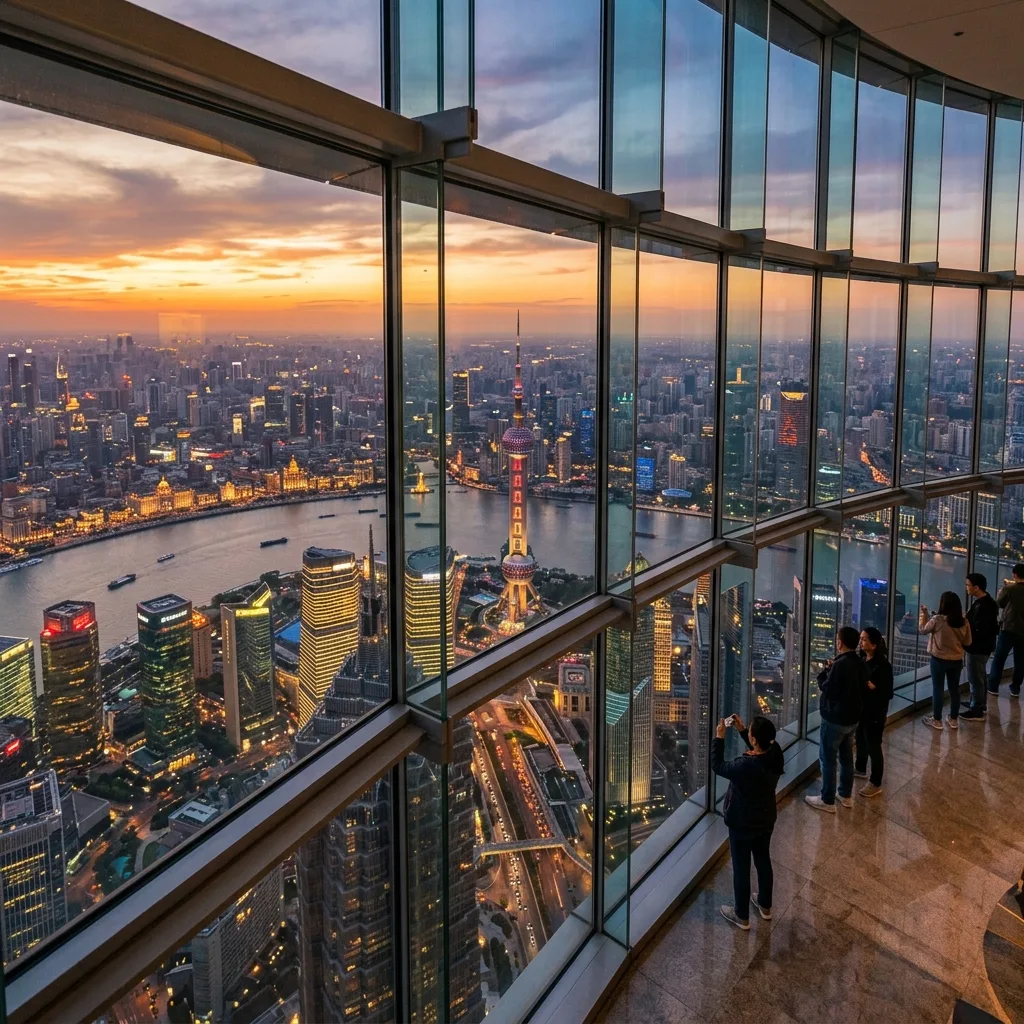
You're standing in Lujiazui, looking up at the tallest building in China — a twisting glass spire that scrapes the sky at 632 meters — and wondering whether the queue is worth it. It is. But only if you go at the right time, buy your ticket the right way, and know what floor to prioritize. Most visitors burn 45 minutes in the wrong line or miss the sunset by 20 minutes. This guide tells you exactly what to do so you don't.
Shanghai Tower's observation deck sits on the 118th floor, 546 meters above sea level, making it the highest publicly accessible viewpoint in China and the second highest in the world. On a clear day, you can see past the jagged Pudong skyline, across the Huangpu River to the colonial facades of the Bund, and — weather permitting — all the way to where the city dissolves into flat farmland at the horizon. This post covers everything: ticket prices, opening hours, how to book, when to visit, and the small details that make the difference between a rushed, crowded experience and one of the best views of your life.
What Is the Shanghai Tower Observation Deck?
The Shanghai Tower observation deck — officially called "Shanghai Tower 119 Observation Deck" — occupies floors 118 and 119 of the 632-meter supertall skyscraper completed in 2015. The tower is the second tallest building in the world, behind only the Burj Khalifa in Dubai. Its signature feature is a spiraling double-skin glass facade that twists 120 degrees from base to top, reducing wind load and cutting energy consumption by 24% compared to a conventional rectangular tower.
The 118th floor is the main public observation deck. It offers 360-degree unobstructed views through floor-to-ceiling glass panels. A small indoor cafe operates on this floor, and displays explaining the tower's engineering and history line the walls. The 119th floor, one level up, is an open platform that some visitors describe as a "sky deck" — it offers similar views with slightly more drama from being physically higher.
One floor below the observation levels, the 126th floor of the Shanghai World Financial Center (a neighboring, shorter tower) is visible from above — an interesting perspective inversion for anyone who has visited SWFC's famous "bottle opener" sky bridge.
From this vantage point, the rest of the Lujiazui skyline — the Oriental Pearl Tower's pink spheres, the SWFC's rectangular void, the Jin Mao Tower's pagoda-shaped crown — looks almost toylike. To the west, the Bund's colonial row of banks and trading houses stretches along the riverfront. On the clearest days in autumn and early spring, visibility can exceed 30 kilometers.
Ticket Prices and What's Included
Adult admission to the Shanghai Tower 118th-floor observation deck is approximately ¥180 (roughly USD $25) for a standard ticket. As of 2026, you can expect these prices across platforms:
| Ticket Type | Price (CNY) | Price (USD approx.) |
|---|---|---|
| Adult standard admission | ¥180 | ~$25 |
| Combo: admission + 126F Damper Show | ¥268 | ~$37 |
| Child under 100cm / under 3 years | Free | Free |
| Child 100–140cm / senior 60+ | Discounted | Varies |
The Damper Show on the 126th floor is a popular add-on. The tower's tuned mass damper — a 1,000-tonne steel sphere suspended from the ceiling — is one of the largest in the world, and the show includes a light projection experience around it that most visitors find genuinely impressive. If you have time, the combo ticket is worth the premium.
Booking online is strongly recommended. Walk-up queues at peak times (weekends and Chinese public holidays) can stretch to 60–90 minutes. Online pre-booking reduces this to a QR code scan at the gate. Klook, Viator, GetYourGuide, and the official Shanghai Tower app all sell advance tickets. Foreign visitors should bring their passport — it's sometimes required at the self-service kiosk when picking up paper tickets.
Opening Hours
Shanghai Tower's observation deck is open daily from 8:30 AM to 10:00 PM, with the last entry accepted at 9:30 PM. These hours are consistent year-round, though check for temporary closures during Chinese national holidays (Golden Week in early October and early May can bring special rules and adjusted crowd controls).
The elevator ride to the top takes approximately 55 seconds — one of the fastest ascents in the world.
The Best Time to Visit Shanghai Tower
Timing is everything at an observation deck, and Shanghai Tower is no exception.
Weekday Mornings (8:30 AM – 11:00 AM)
This is the least crowded window. You'll share the deck with a handful of other visitors, photography is easy, and the morning light from the east gives the Bund its best illumination. The downside: if it's a hazy day, morning mist tends to linger longer over the river. Check the air quality index (AQI) the night before. Shanghai's worst days typically fall in January and February; spring and autumn are clearest.
Dusk (One Hour Before Sunset)
This is the classic recommendation for a reason. Arriving 60–90 minutes before sunset lets you watch the city transition from golden afternoon light to the blue hour, then the full blaze of Pudong's neon grid at night — all in a single visit. You get two views for the price of one. The downside: dusk corresponds with the post-work rush on weekends, so expect more visitors. On weekdays, even dusk is manageable.
What to Avoid
Avoid midday, especially on weekends during Chinese national holidays. Golden Week (first week of October, first week of May) sees some of the highest domestic tourism volumes in China, and queues at popular attractions spike dramatically. If you're visiting during Golden Week, pre-booking several days in advance and arriving right at 8:30 AM opening is your best strategy.
How to Get to Shanghai Tower
Shanghai Tower is in the Lujiazui Financial District, Pudong, on the east bank of the Huangpu River.
By Metro: Take Line 2 to Lujiazui Station, Exit 6. The tower is a 5-minute walk from the exit. This is the easiest option from central Shanghai — the Nanjing East Road and People's Square stations on Line 2 are just a few stops away, connecting you to most hotels in the Puxi area.
By Ferry: If you're starting from the Bund side of the river, the Bund Sightseeing Tunnel (a tourist attraction in itself) and regular river ferries connect Puxi to Lujiazui. The ferry from the Bund to Dongchang Road takes about 5 minutes and costs ¥2.
By Taxi / Ride-Share: Tell your driver "上海中心大厦" (Shanghai Zhōngxīn Dàshà) or drop a pin in Didi (China's dominant ride-share app). Traffic in Lujiazui can back up during rush hour, so metro is usually faster.
By Foot from the Bund: It's not walkable — the Huangpu River is in between — but the two are closely connected visually and logistically.
What to Expect Inside: A Floor-by-Floor Breakdown
Ground Floor: Ticketing and Security
Entry is on Century Avenue. If you pre-booked online, head to the self-service kiosks on the right side of the lobby. Foreigners: bring your passport. Security screening follows — similar to airport procedures, so leave oversized bags at your hotel if possible (there is no bag storage at the tower).
Elevator: The Ascent
Two dedicated observation deck elevators whisk visitors from the lobby to floor 118 in approximately 55 seconds. The cars are pressurized and feature digital displays showing altitude in real time. Some visitors experience mild ear-popping; the ascent is smooth but fast. The descent takes slightly longer to protect against pressure change discomfort.
Floor 118: Main Observation Deck
This is the primary viewing level. A full-circle walkway surrounds the central core, with floor-to-ceiling glass on all sides. Interactive displays explain Pudong's development from rice paddies in the 1980s to the current skyline. A small cafe sells coffee, tea, and light snacks — prices are elevated but not outrageous by tourist-attraction standards. Photography is straightforward; the glass is kept clean and reflections are manageable if you press your lens close to the surface.
Looking North: The Suzhou Creek delta fans out toward the northern suburbs. On clear days, Chongming Island — Shanghai's largest island — is visible in the distance.
Looking West: The Huangpu River sweeps in from the south and bends northward below you. The Bund is directly across: the Peace Hotel, Customs House, HSBC Building, and the rest of the 1920s-era facades are clearly identifiable. If you've already done The Bund Walk: Best Times, Photo Spots & Across-River Pudong Views, you'll recognize the angle — only now you're looking down at it.
Looking South: The financial district of Pudong extends toward Expo 2010's former site. The older Jin Mao Tower (88 floors, completed 1999) looks stocky from above, its pagoda crown clearly visible.
Looking East: The flat Pudong hinterland stretches toward Pudong International Airport. Without a distinctive skyline to anchor it, this view emphasizes how vast and flat the Shanghai metro area actually is.
Floor 119: The Upper Sky Deck
One level above the main deck, the 119th floor has a smaller footprint and slightly more compact viewing areas. It tends to be less crowded, making it better for photography without other visitors in frame. The premium "sky deck" area here sometimes requires a separate or upgraded ticket — confirm at the time of booking.
Floor 126: Damper Show (Combo Ticket Required)
The 1,000-tonne tuned mass damper — a massive pendulum designed to counteract sway in high winds — is housed here. A timed light-and-sound show runs throughout the day, using the damper as a centerpiece. It's a genuine engineering spectacle and worth the upgrade if you're interested in how supertall buildings actually work.
Visibility and Weather: What Affects Your View
Shanghai's air quality is significantly better than it was a decade ago, but haze remains a factor, especially in winter. Here's a rough seasonal guide:
Spring (March–May): Good visibility, moderate temperatures. Cherry blossoms in Lujiazui Park add a bonus if timing aligns.
Summer (June–August): Hot and humid. Views can be hazy, and afternoon thunderstorms are common. The upside: typhoon seasons can deliver unusually clear post-storm days.
Autumn (September–November): The best season for visibility. Crisp air, lower humidity, golden light. Peak domestic travel season starts in early October (Golden Week), so expect larger crowds.
Winter (December–February): Cold, and potentially the haziest months due to stagnant air patterns and regional pollution. That said, clear winter days offer the sharpest, most atmospheric views — especially at dusk when the heated city glow contrasts with a cold blue sky.
Check the AQI before visiting: anything below 100 gives decent views; below 50 is excellent. Above 150, visibility becomes genuinely impaired.
Tips Most Guides Miss
Press your phone camera against the glass. The reflections in the observation deck glass can ruin photos if you hold the camera away from the surface. Pressing the lens directly against the glass eliminates most glare and reflection.
The 119th floor is often emptier. Most guided tours stop at 118. Walk up one more level and you'll often find significantly fewer people — better for wide-angle shots of the deck itself.
Afternoon weekdays beat weekend mornings. Counter-intuitively, a Tuesday at 3 PM is often less crowded than a Saturday at 9 AM, because the 8:30 opening attracts early-bird tour groups.
Bring a portable charger. You'll take more photos than you expect, and the panoramic views at dusk will drain your battery fast.
The cafe on 118 is actually decent. Hot drinks are ¥40–60, which is expensive by Shanghai standards but reasonable for an observation deck. The views from the cafe seating area are good, and it's a comfortable place to wait for sunset without competing for window space.
Combine with the SWFC and Jin Mao if you're a tower obsessive. The three towers are within a 5-minute walk of each other. The SWFC's sky bridge at floor 100 and the Jin Mao's internal atrium view (an interior-looking-down experience unique among skyscrapers) offer completely different perspectives.
Booking Links
- Klook: Consistently competitive pricing for advance tickets; offers both standard and combo options
- Viator / GetYourGuide: Good for travelers booking as part of a broader itinerary; English-language customer service
- Official Shanghai Tower App: Available in Chinese; useful if you read Mandarin and want the most direct booking experience
Foreign visitors without a Chinese bank account or Alipay/WeChat Pay may find third-party platforms like Klook or GetYourGuide more convenient for payment.
Nearby Attractions Worth Combining
Shanghai Tower doesn't exist in isolation — Lujiazui is one of the most concentrated clusters of top-tier tourist infrastructure in China.
The Bund (Waitan): Take the ferry across the river after your observation deck visit. Evening on the Bund, looking back at the towers you just stood atop, is one of the great urban experiences in Asia. If you haven't planned your Bund visit yet, the Shanghai Travel Guide: The Bund, French Concession & Hidden Gems covers the full Puxi side in detail.
Shanghai World Financial Center (SWFC): The distinctive bottle-opener tower next door has its own observation deck at floor 100. The transparent floor section is not for the faint-hearted.
Jin Mao Tower: The 88-floor tower from 1999 has a famous interior atrium — you look down 152 meters into the hollow core of a luxury hotel. No observation deck per se, but the atrium view is free to experience from the higher floors.
Lujiazui Park: A small green space between the towers with good ground-level perspective shots of all three supertalls together. Best in morning or spring/autumn.
IFC Mall: Underground and directly connected to Lujiazui Metro Station, this high-end mall has every international food and coffee option you'd want before or after a tower visit.
FAQ
Do I need to book in advance? Yes, strongly recommended. Walk-up tickets are available but queues on weekends and public holidays can exceed an hour. Booking online (Klook, Viator, or official channels) secures a time slot and typically lets you skip the ticket line.
Is the observation deck accessible for visitors with mobility limitations? Yes. The tower has elevator access to all public floors. The observation deck itself is fully flat and wheelchair-accessible. Security screening at ground level follows standard Chinese venue protocols.
How long should I plan for the visit? Budget 1.5 to 2 hours minimum: 15 minutes for ticketing and security, 55 seconds for the elevator, and at least an hour on the deck itself. Add 30 minutes if you're doing the Damper Show. Photography enthusiasts often stay 2–3 hours to capture changing light.
Can I bring a tripod? Small tabletop tripods and gorillapods are generally permitted. Full-size tripods with legs are typically not allowed. Check current rules at booking, as policies can change.
Is the view better from Shanghai Tower or SWFC? Shanghai Tower is higher (546m vs 474m), so the view is broader and more dramatic. SWFC's glass-floor section is more visceral if you want that "standing on air" feeling. Many visitors do both.
What's the difference between the 118th and 119th floors? Floor 118 is the main observation deck with displays, a cafe, and full 360-degree views. Floor 119 is an additional upper level, slightly higher, typically less crowded, and sometimes included in the same ticket. Confirm with your booking.
Conclusion
Shanghai Tower's observation deck is one of the genuinely unmissable experiences in mainland China — not just because of the height, but because the view from 546 meters gives you an irreplaceable mental map of how Shanghai actually works: the colonial Bund facing the futuristic Pudong across a river that still moves more cargo than most seaports, the flat megacity sprawling in every direction, and the three competing supertalls of Lujiazui jostling for vertical supremacy at your feet.
Go on a weekday if you can. Aim for dusk. Book online. Bring your camera and a willingness to linger — the light changes faster than you expect at this altitude, and the best shots are usually taken 10 minutes after most people decide they've seen enough.
If you're building out a broader Shanghai itinerary, the Shanghai Travel Guide: The Bund, French Concession & Hidden Gems pairs naturally with this visit — the Bund is the obvious next stop after the tower, and the French Concession makes for a perfect evening follow-up. For travelers continuing onward to Beijing, the Ultimate Beijing Travel Guide: Great Wall, Forbidden City & More covers the capital's major sites with the same level of practical detail.
The elevator takes 55 seconds. The view stays with you much longer.