How to Rent Camera Gear in Seoul: 2024/2025 Guide for Foreigners

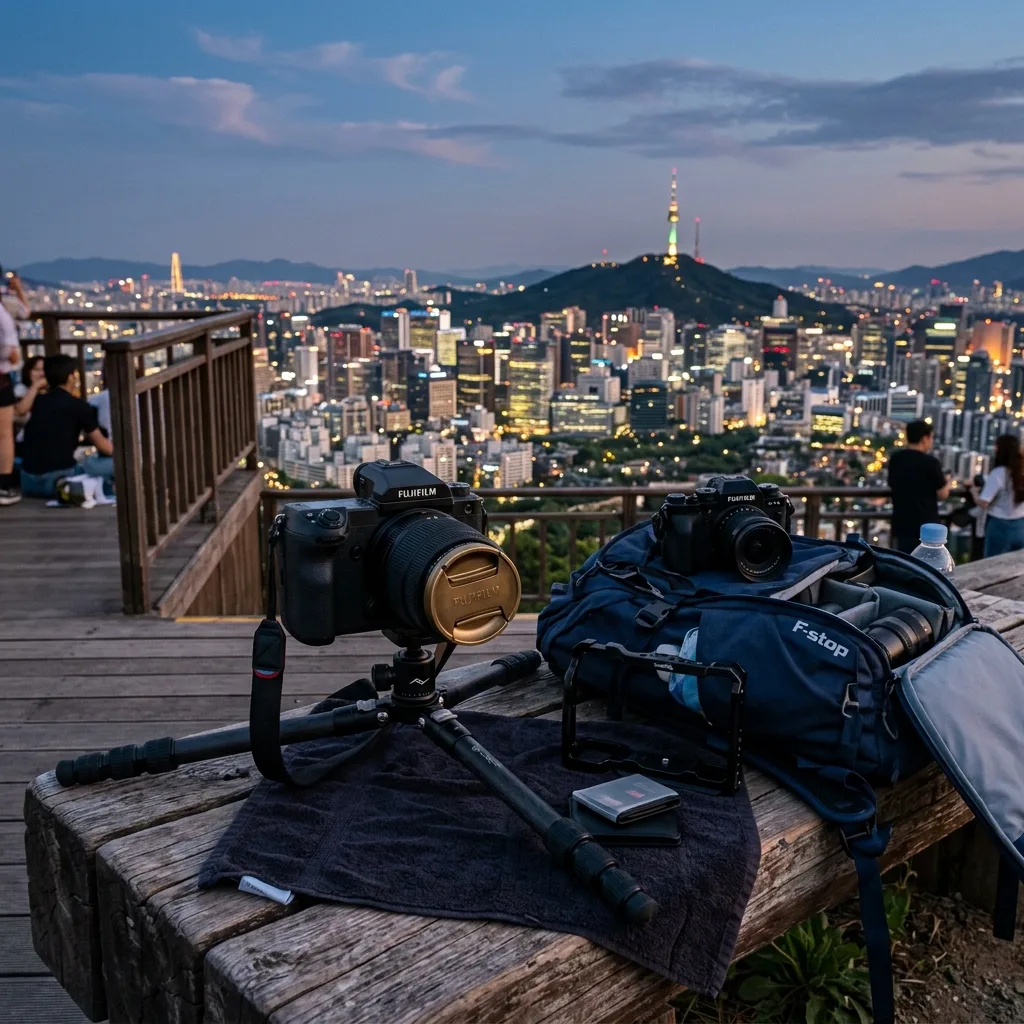
Capturing the dynamic energy of Seoul requires more than just a smartphone. For photographers and videographers, or even avid travelers looking to elevate their holiday memories, professional camera gear can make all the difference. However, navigating the rental landscape in a foreign country, especially with high-value equipment, can be daunting. This comprehensive guide, updated for 2024 and 2025, is designed specifically for foreigners, offering insights into where to rent, what documents you’ll need, and critical policy changes, particularly regarding passport retention. Whether you’re shooting a K-Pop concert, documenting the historic palaces, or simply upgrading your travel photography, understanding the nuances of camera rental in Seoul will ensure a smooth and successful experience.
For foreigners planning to rent camera gear in Seoul, recent policy changes have made the process more stringent, particularly concerning identification. While a few major professional rental companies used to be more lenient, many now require physical passport retention or have even started to refuse rentals to non-resident foreigners, making it crucial to be prepared and explore all available options.
Where to Rent Camera Gear in Seoul
Seoul boasts several excellent camera rental shops, each with its own specialties and advantages. Choosing the right one depends on your needs, location, and the type of gear you're looking for, especially considering recent policy shifts for foreigners.
SLRRENT
- Focus: Historically, the largest selection of professional DSLRs, mirrorless cameras, lenses, and a wide array of accessories in Korea, ideal for serious photographers and filmmakers.
- Locations: Strategically located branches in Gangnam and Hapjeong, both easily accessible via Seoul's efficient subway system.
- **Key Feature & Crucial Policy Alert for Foreigners (2024/2025): While once a go-to, SLRRENT has reportedly tightened its rules. As of mid-2024, some branches (particularly Gangnam) have been reported to refuse rentals to non-resident foreigners (tourists) entirely, even if they offer a passport. Some users have been told they now require a Korean phone number or a local guarantor to proceed. It's essential to check directly with specific branches and be prepared for potential refusal if you are a short-term visitor without a local connection. Their main branches were known for 24/7 operation, offering unparalleled flexibility, but this may be inaccessible to many tourists now.
R.RENTAL
- Focus: Offers competitive pricing on professional-grade equipment, including popular models from Sony, Canon, and DJI.
- Location: Primarily located in Gangnam, making it convenient for those based in or near this bustling district.
- Key Feature: Also operates 24/7, providing great flexibility similar to SLRRENT. However, similar stringent ID policies for foreigners may apply.
Trazy (Incheon Airport)
- Focus: Caters mainly to tourists, specializing in travel-friendly gear such as GoPros and high-end smartphone cameras (e.g., Galaxy S Ultra), perfect for capturing concerts or casual travel moments.
- Location: Exceptionally convenient pick-up and return directly at Incheon International Airport.
- Key Feature: Great for travelers who want to pick up gear immediately upon arrival or drop it off before departure. Crucially, they typically require a cash deposit (approx. ₩150,000) and a passport copy/scan rather than the physical document, making them a much more foreigner-friendly option.
Daypay
- Focus: A strong option for those involved in video production, offering a good selection of video kits, lighting equipment, and general photography gear.
- Location: Multiple locations spread across Seoul, increasing accessibility.
- Key Feature & Policy for Foreigners (2024/2025): Daypay generally accepts foreigners but strictly enforces the physical passport retention policy for the duration of the rental. They typically do not accept cash deposits or credit card holds as a substitute for the physical document.
KPLANZ
- Focus: Best for simpler, more casual gear like Instax cameras and basic travel accessories.
- Location: Situated in Hongdae, a vibrant and popular tourist area known for its youthful energy and indie scene.
- Key Feature & Policy for Foreigners (2024/2025): KPLANZ is another tourist-friendly option that uses a cash deposit system (e.g., ₩150,000) that is refunded upon return, rather than requiring physical passport retention.
Snapshoot
- Focus: Specializes in high-end Samsung phones (S23/S24/S25 Ultra) for photography, often targeting concert-goers.
- Location: Primarily in Hongdae and Olympic Park.
- Key Feature & Policy for Foreigners (2024/2025): Requires ID verification but typically not physical passport retention, making it a viable alternative for high-quality smartphone photography.
Required Documents for Foreigners
Renting camera gear as a foreigner in South Korea requires careful attention to documentation. Policies have become stricter, especially concerning identification and the high value of equipment.
Original Physical Passport (Crucial Policy Alert!)
- Requirement: An original, physical passport is mandatory.
- Important Note for Professional Rental Shops (2024/2025): Be prepared for professional rental shops like Daypay and Han-gang Rental (another option not in the outline, but frequently cited for similar policies) to physically retain your passport as collateral for the entire duration of your rental. This is a common and stringent policy for foreigners due to the high value of the equipment. This poses significant practical and legal risks for travelers as you need your passport for tax-free shopping, are legally required to carry ID in Korea, and hotels may require it for check-in. It is rarely possible to negotiate out of this. Ensure you have other forms of ID (like a high-quality color photocopy and a secondary ID like a driver's license) for daily use if your passport is held.
- Tourist-Friendly Alternatives: Shops like Trazy, KPLANZ, and Snapshoot usually accept a cash deposit and a passport copy/scan instead of physical retention.
Physical Credit Card
- Requirement: A physical credit card (not a debit card or virtual card) is often necessary.
- Purpose: Primarily used for identity verification, especially for first-time renters or when renting high-value equipment (typically above ₩50,000 per day). It may also be used to hold a security deposit, though this rarely substitutes for passport retention at professional shops.
Reservation Confirmation
- Requirement: All rentals are 100% reservation-based.
- Process: It is highly recommended to book your desired equipment via the shop's official website or through KakaoTalk at least 24-48 hours in advance to ensure availability. Do not just walk in, especially for professional gear.
Korean Phone Number
- Recommendation: While not always strictly mandatory, having a local Korean SIM card or eSIM will significantly streamline the verification and communication process with rental agencies. It aids in confirming reservations and resolving any potential issues quickly. For some professional shops like SLRRENT, a local Korean phone number or even a guarantor may now be an explicit requirement for foreigners to rent at all.
Pricing Guide (2024-2025 Rates)
Rental prices are typically quoted for a 24-hour period in South Korean Won (₩). These are estimated rates and can vary based on the specific model, rental duration, and shop. For those planning an extended stay or looking to How to Travel South Korea on a Budget: $35/Day Survival Guide (2025), factoring in equipment rental costs is essential.
High-End Camera Bodies
- Sony A7SIII / A7IV: ₩40,000 – ₩50,000 per 24 hours
- Canon R5: ₩50,000 – ₩70,000 per 24 hours
Popular Lenses
- Standard Zoom Lenses (e.g., 24-70mm f/2.8): ₩25,000 – ₩35,000 per 24 hours
- Telephoto Zoom Lenses (e.g., 70-200mm f/2.8): ₩30,000 – ₩45,000 per 24 hours
- Fast Prime Lenses (e.g., 35mm/50mm f/1.4): ₩15,000 – ₩25,000 per 24 hours
Action & Specialty Cameras
- GoPro Hero (latest models): ₩15,000 – ₩25,000 per 24 hours (Note: Airport rentals often have a 3-day minimum).
- DJI Osmo Pocket 3: ₩30,000 – ₩35,000 per 24 hours
Pro Tips for a Smooth Experience
To ensure your camera rental experience in Seoul is as seamless as possible, keep these tips in mind. If you’re also exploring other parts of the country, like planning a Jeju Island Itinerary: The Ultimate Road Trip Guide, remember these tips apply across South Korea's major cities.
Pre-booking is Crucial
- Advise: Always reserve your desired gear well in advance, especially if you need popular items, specialized equipment, or are renting during peak travel seasons. This guarantees availability and avoids disappointment. Many shops, particularly professional ones, require online reservations 24-48 hours ahead.
On-site Equipment Testing
- Procedure: Upon picking up your gear, thoroughly inspect and test all equipment in the store before leaving.
- Documentation: Take detailed photos or videos of any existing cosmetic damage (scratches, dents, wear and tear) with a staff member present. This documentation is vital to prevent disputes over damage upon return. Test all functions – buttons, dials, autofocus, image stabilization, and battery life.
Understand Insurance Policies
- Liability: Most rental prices in Korea do not include comprehensive damage insurance. This means you are typically 100% liable for the full repair or replacement cost (at Manufacturer's Suggested Retail Price - MSRP) if the equipment is lost, stolen, or damaged during your rental period.
- Inquiry: Always clarify insurance options directly with the rental company. Some may offer third-party insurance or a waiver for an additional fee. Given the high value of professional gear, consider this aspect carefully.
Punctuality with Returns
- Strictness: Korean businesses are highly punctual. Returning equipment even slightly late (e.g., 30 minutes past your agreed return time) can incur significant surcharges, often amounting to a half-day or even a full-day rental fee. Plan your return time carefully.
Strategic Location Selection
- Professional Gear (with caveats): For professional camera gear, Daypay is a viable option, but be prepared for physical passport retention. SLRRENT is less reliable for tourists now. These shops are well-connected by Seoul's efficient subway system, making them accessible even for those following The Ultimate Seoul Travel Guide: Where to Stay & What to See.
- Travelers: If airport convenience is your priority, Trazy at Incheon Airport is your best bet for immediate pick-up and easy return, and they are more flexible with ID requirements. KPLANZ in Hongdae is good for casual gear with a cash deposit option.
🎯 Gear Recommendations by Use Case
Not all shoots are the same. Here is a practical breakdown of which gear to prioritize depending on what you plan to capture in Seoul.
Street Photography and Travel Blogging
For candid street work and general travel documentation, a compact mirrorless body — such as the Sony A7C or Fujifilm X-T5 — paired with a 35mm or 50mm prime lens is ideal. These combinations are lightweight, unobtrusive, and produce images with natural perspective that flatter both people and architecture. Expect to pay ₩30,000–₩45,000 per day for a body-and-lens kit at tourist-friendly shops like KPLANZ in Hongdae or Trazy at Incheon Airport.
K-Pop Concerts and Indoor Events
Concert venues and fan meet events prohibit detachable lens cameras in most cases, but high-end smartphone rental fills this gap neatly. The Samsung Galaxy S25 Ultra, available from Snapshoot in Hongdae and Olympic Park, delivers outstanding low-light performance and AI-enhanced zoom. If a DSLR is permitted, a fast telephoto lens (70–200mm f/2.8) is essential for capturing performers from the mid-venue seating tiers. Budget ₩30,000–₩45,000 per day for the telephoto lens alone.
Landscape and Architecture Photography
Seoul's palaces, night skyline, and Han River scenes reward wide-angle and tilt-shift lenses. A 16–35mm f/2.8 zoom allows you to capture the full sweep of Gyeongbokgung's main courtyard or the curvilinear facade of DDP in a single frame. For tripod-based night cityscape work, add an ND filter kit. Daypay's selection of wide-angle lenses is strong, though be prepared for passport retention.
Video Production and Vlogging
If you are producing YouTube content or travel vlogs, a gimbal-stabilized setup makes a significant difference on Seoul's hilly terrain. Pair a Sony A7SIII (excellent low-light video) with a DJI RS3 gimbal and a 24mm prime. DJI Osmo Pocket 3 is a simpler alternative at ₩30,000–₩35,000 per day for creators who prioritize portability over full manual control.
❓ Frequently Asked Questions
Can I rent gear without a Korean address? Yes, for tourist-friendly shops (Trazy, KPLANZ, Snapshoot), a foreign address is accepted. Professional shops like Daypay may ask for a Korean contact address; providing your hotel address is generally sufficient.
Can I extend my rental period? Extensions are possible but must be arranged by contacting the shop before your original return deadline — never after. Call or message via KakaoTalk as early as possible, since the gear may be reserved by another customer. Same-day extension requests are often refused during peak tourist seasons.
What happens if the equipment is damaged? You are liable for the full market replacement cost at most professional rental shops, as comprehensive insurance is not included in the base rental price. If damage occurs, report it immediately to the shop — attempting to conceal damage typically results in larger penalties. Some shops offer a damage waiver for an additional daily fee; ask specifically at the time of reservation.
Is there a minimum rental period? Most shops operate on a 24-hour minimum. Some airport-based services (Trazy) require a minimum of two to three days. There is no maximum rental period at most shops, though extended rentals of over two weeks may require additional documentation or a larger deposit.
Can I pick up gear in one location and return it to another? Generally, no. Most Seoul rental shops require pick-up and return at the same branch. The exception is chains like Daypay, which has multiple Seoul locations; confirm branch-to-branch return availability at the time of booking, as policies vary by item category and availability.
Is travel insurance a substitute for rental damage liability? Some travel insurance policies cover accidental damage to rented equipment, but coverage terms vary widely. Check your policy's wording carefully before relying on it: many policies exclude professional camera equipment, impose sub-limits well below the replacement cost of a high-end lens, or require police reports for theft that are impractical to obtain as a foreign tourist. If your policy does cover rental gear, bring printed documentation to the rental shop — it will not change their own policies, but it confirms your personal coverage in a dispute.
What is the best time of year to rent gear in Seoul? Demand peaks during spring (late March to mid-April, cherry blossom season) and autumn (mid-October to mid-November, foliage season). These are the two periods when popular equipment — especially wide-angle lenses, telephoto zooms, and gimbals — books out furthest in advance. If your trip falls during either season, make reservations four to six weeks ahead. Summer and winter visits generally allow shorter lead times of one to two weeks, though popular items still warrant early booking.
Seoul rewards photographers who invest in the right glass. Whether you are chasing the first light over Bukchon's rooftops, capturing the kinetic energy of a Hongdae street fair, or documenting the meditative stillness of Gyeongbokgung at opening time, having the appropriate equipment — rented efficiently and returned on time — makes the difference between competent snapshots and images that genuinely convey the atmosphere of the city. Plan ahead, confirm every policy detail in writing before handing over your passport, and you will find Seoul's rental infrastructure more than capable of supporting serious photographic ambitions.
By adhering to these guidelines and understanding the local rental landscape, you can successfully rent high-quality camera gear in Seoul and capture your unforgettable moments in stunning detail.