Nikko National Park: Waterfalls, Shrines & Full Day Guide from Tokyo

Planning a trip to Japan often involves grappling with a delightful dilemma: how to maximize your time in this captivating country, particularly when considering Japan Travel Planning: Visa, IC Card, Rail Pass & Essential Logistics Guide. If you're based in Tokyo, a full-day excursion to Nikko National Park presents a perfect blend of natural beauty, spiritual tranquility, and rich history. But how do you navigate its sprawling wonders, from cascading waterfalls to ancient shrines, all within a single day? This guide cuts through the complexity, offering a meticulously planned itinerary and essential tips to ensure your Nikko adventure is seamless, enriching, and utterly unforgettable.
Introduction
Are you overwhelmed by the sheer volume of information on visiting Nikko from Tokyo? Do you worry about missing key attractions or wasting precious time figuring out logistics on the fly? This guide is designed to alleviate those concerns, transforming your potential stress into confident exploration. We'll provide a clear, actionable plan, covering everything from the must-see World Heritage sites and stunning natural landscapes to practicalities like transportation, admission fees, and essential booking advice. By the end, you'll be equipped to embark on a full-day journey to Nikko, experiencing its profound spiritual heritage and breathtaking scenery without a hitch.
Nikko's Timeless Allure: Shrines, Temples, and Nature's Grandeur
Nikko National Park, a UNESCO World Heritage site, is more than just a collection of historical buildings; it's a profound journey into Japan's spiritual and natural heart. Nestled amidst lush forests and dramatic mountains, the park's sacred shrines and temples offer a glimpse into centuries of religious devotion and exquisite artistry. Beyond the spiritual, Nikko captivates with its majestic waterfalls, serene lakes, and vibrant autumn foliage, making it a destination that appeals to every traveler.
The primary draw of Nikko is undoubtedly the Toshogu Shrine, a lavishly decorated Shinto shrine housing the remains of Tokugawa Ieyasu, the founder of the Tokugawa shogunate. Its intricate carvings, vibrant colors, and opulent architecture stand in stark contrast to the subdued elegance often associated with Japanese temples, showcasing a unique blend of Shinto and Buddhist influences. The famous "hear no evil, speak no evil, see no evil" monkeys and the sleeping cat carving are just a few of the artistic masterpieces that adorn its structures.
Adjacent to Toshogu are the equally significant Futarasan Shrine, dedicated to the gods of Nikko's three sacred mountains, and Taiyuin Mausoleum, the resting place of Iemitsu, Ieyasu's grandson. These sites, along with the Rinnoji Temple, form the core of Nikko's "Shrines and Temples of Nikko" World Heritage designation. Each offers a distinct architectural style and spiritual ambiance, contributing to the park's profound sense of history.
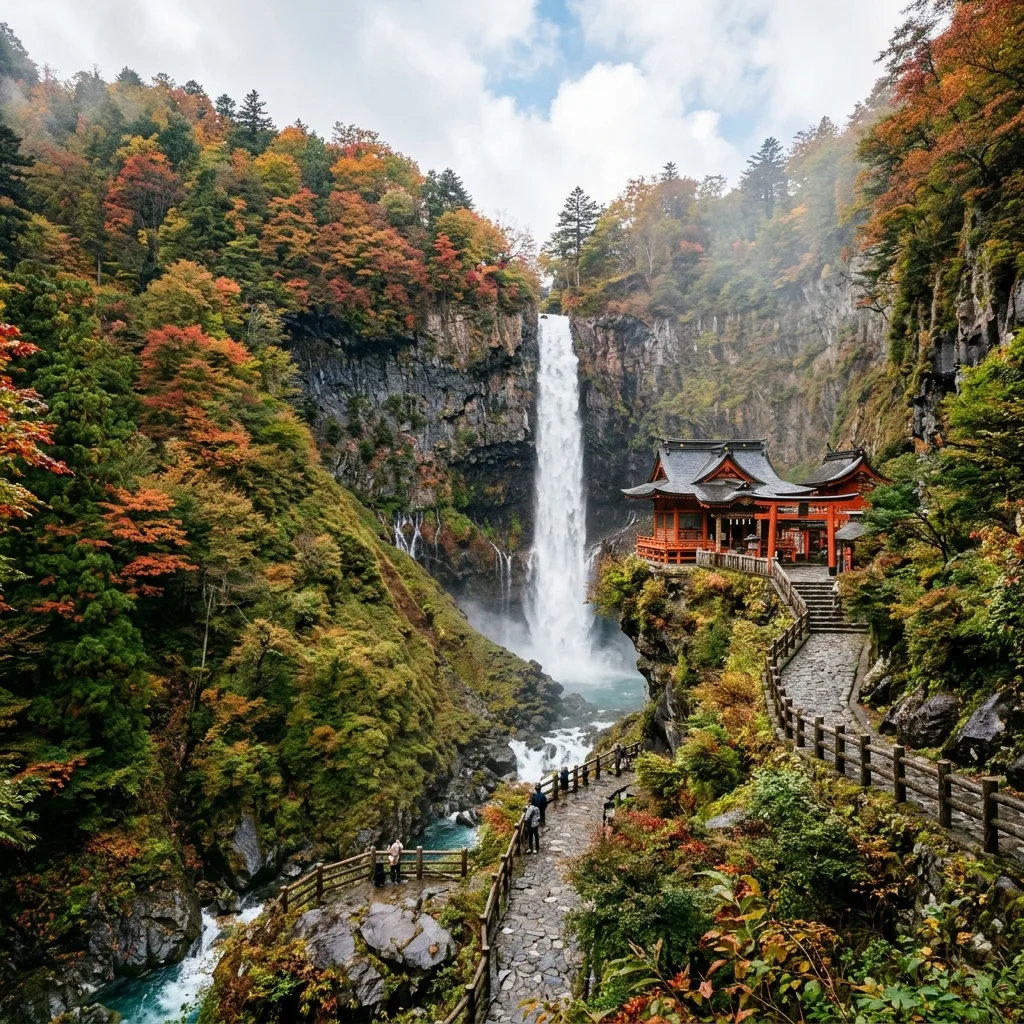
Beyond the cultural treasures, Nikko's natural landscapes are equally compelling. Kegon Falls, one of Japan's three most beautiful waterfalls, plunges nearly 100 meters into a basin, creating a spectacular display of nature's power. Nearby, Lake Chuzenji, a picturesque caldera lake, offers serene boat rides and stunning views, especially during the autumn leaf season. The Akechidaira Ropeway provides panoramic vistas of Lake Chuzenji and Kegon Falls, a must-do for photographers and nature lovers alike. These natural wonders provide a refreshing counterpoint to the solemn grandeur of the shrines, offering opportunities for reflection and appreciation of Japan's pristine wilderness. Nikko truly is a place where man-made artistry and natural splendor coalesce into an unforgettable experience.
Crafting Your Perfect Day Trip Itinerary
A full day in Nikko from Tokyo requires careful planning to make the most of your visit. This itinerary focuses on hitting the highlights, balancing cultural immersion with natural exploration.
Morning: Sacred Shrines and Temples (Approx. 4-5 hours)
- Arrival at Tobu-Nikko Station (9:00 AM): Aim to arrive early to beat the crowds. Exchange your online passes for physical ones at the Tobu Tourist Information Center if you haven't already.
- Bus to World Heritage Area (9:15 AM): Take the World Heritage Sightseeing Bus (covered by Nikko Pass) to the Shinkyo Bridge stop.
- Shinkyo Bridge (9:30 AM): Start your exploration at the iconic sacred red bridge. While you can pay a small fee to walk across, admiring it from outside is often sufficient for a day trip.
- Rinnoji Temple (9:45 AM): Begin with Rinnoji, home to the Sanbutsudo Hall, which houses three large gilded wooden statues of Buddhist deities.
- Toshogu Shrine (10:30 AM - 1:00 PM): Dedicate ample time to explore the main attraction. Marvel at the intricate carvings, including the "Three Wise Monkeys" and the "Sleeping Cat." Don't miss the main shrine buildings and the tomb of Tokugawa Ieyasu. Remember, Toshogu starts operating from 9:00 AM.
- Futarasan Shrine & Taiyuin Mausoleum (1:00 PM - 2:00 PM): After Toshogu, visit the quieter Futarasan Shrine and the beautifully serene Taiyuin Mausoleum, offering a calmer atmosphere after the grandeur of Toshogu.
Lunch Break (Approx. 1 hour - 2:00 PM - 3:00 PM): There are several eateries around the World Heritage area. Look for local specialties like yuba (tofu skin) dishes or traditional Japanese fare.
Afternoon: Natural Wonders (Approx. 2-3 hours)
- Bus to Lake Chuzenji & Kegon Falls (3:00 PM): Take the bus (Nikko Pass All Area covers this) towards Lake Chuzenji. The journey offers scenic views as you ascend.
- Akechidaira Ropeway (Optional, 3:30 PM): If time permits and you have the Nikko Pass All Area, consider a quick trip up the Akechidaira Ropeway for breathtaking panoramic views of Kegon Falls and Lake Chuzenji. This offers a different perspective and fantastic photo opportunities.
- Kegon Falls (4:00 PM): Witness the magnificent Kegon Falls. Take the elevator down to the observation deck for the most impressive views.
- Lake Chuzenji (4:45 PM): Enjoy a brief stroll along the shores of Lake Chuzenji, soaking in the tranquil atmosphere before heading back.
Return to Tokyo (6:00 PM onwards): Catch a bus back to Tobu-Nikko Station and then your train back to Tokyo. The journey back can be a good time to reflect on the day's experiences.
Practical Guide: Planning Your Nikko Excursion
Ensuring a smooth trip to Nikko involves understanding transportation, admission, and how to make your bookings.
Hours, Admission, and Prices (2026 Updates)
As gathered from my web search, here’s what you need to know for your 2026 visit:
-
Operating Hours:
- April – October: 8:00 AM – 5:00 PM (Toshogu Shrine opens at 9:00 AM)
- November – March: 8:00 AM – 4:00 PM (Toshogu Shrine opens at 9:00 AM)
- Last entry is always 30 minutes before closing.
-
Admission Fees (Individual Sites):
- Toshogu Shrine (Main complex): ¥1,600
- Toshogu Museum: ¥1,000
- Combo: Toshogu + Museum: ¥2,400
- Rinnoji Temple (Main Hall): ¥400
- Taiyuin Mausoleum: ¥550
- Futarasan Shrine: ¥300
- Shinkyo Bridge: ¥300 (to walk across)
-
Combined Passes: A Combined World Heritage Pass (approx. ¥2,100) is often available, offering a slight discount for multiple shrine/temple entries. This is worth considering if you plan to visit several sites.
How to Get There from Tokyo
The most common way to reach Nikko from Tokyo is by train, primarily via the Tobu Railway. For a broader understanding of navigating the capital, consider consulting the Ultimate Tokyo Travel Guide 2026: Everything First-Timers Need to Know.
-
Tobu Railway from Asakusa Station:
- Limited Express Spacia/Kegon/Revaty: This is the fastest and most direct option, taking approximately 2 hours. You can purchase tickets at Tobu Asakusa Station or online. Booking seat reservations in advance is highly recommended, especially for the luxury "Spacia X", as they can sell out weeks ahead.
- Local Trains: Slower but cheaper options are available, often requiring transfers.
-
JR Pass Holders: If you have a Japan Rail Pass, you can take a JR Tohoku Shinkansen to Utsunomiya Station, then transfer to the JR Nikko Line to Nikko Station. This route might be faster but requires a transfer. Nikko Station is a short walk from Tobu-Nikko Station, and the World Heritage bus also serves JR Nikko Station.
Nikko Passes (Transportation & Attractions)
These passes are excellent value for money and simplify your travel within Nikko.
- Nikko Pass World Heritage Area (¥3,000, 2 days): Ideal for a day trip focused solely on the shrines and temples. Includes round-trip train fare from Tokyo (Asakusa) to Tobu-Nikko Station and unlimited bus rides within the main shrine area.
- Nikko Pass All Area (¥4,780 – ¥6,320, 4 days): Recommended if you plan to visit Lake Chuzenji, Kegon Falls, or the Onsen areas, as it covers all buses and the Akechidaira Ropeway. Even for a packed day trip that includes natural sights, this pass can be cost-effective.
Booking Links & Essential Tips
- Online Purchase: You can purchase train tickets and Nikko Passes via the Tobu Railway official site, Klook, or Trip.com.
- Voucher Exchange: If you buy online, remember to exchange your digital voucher for a physical pass at the Tobu Tourist Information Center in Asakusa Station or Tobu-Nikko Station.
- Cash is King (Still): While major ticket counters might accept cards, many smaller stalls, souvenir shops, and even some smaller temples in Nikko operate on a cash-only basis. Ensure you have enough Japanese Yen.
- Early Bird Gets the Worm: To truly avoid the crowds, especially at Toshogu Shrine, aim to arrive by 9:00 AM. Ticket lines can easily reach 30-45 minutes later in the morning.
- Comfortable Shoes: You'll be doing a lot of walking, both within the shrine complex and around the natural sites. Wear comfortable, supportive footwear.
- Seasonal Considerations: Nikko is beautiful year-round, but autumn (late October/early November) for fall foliage and spring (April/May) for fresh greenery are particularly popular. Winter brings snow, offering a serene, almost magical atmosphere, but some areas might have limited access.
Tips & Common Mistakes for Your Nikko Day Trip
Many first-time visitors to Nikko make common errors that can diminish their experience. Here's how to avoid them and gain some insider advantages.
1. Underestimating Travel Time and Crowds: Nikko is popular for a reason. While only two hours from Tokyo, the journey within Nikko itself, especially between the shrine area and Lake Chuzenji, can take time due to bus schedules and winding mountain roads. Don't try to cram too much into one day. Focus on quality over quantity. Arriving by 9:00 AM is crucial; otherwise, you'll spend more time queuing than exploring. Many guides suggest hitting every single spot, but for a single day, this is unrealistic and exhausting. Prioritize Toshogu, Rinnoji, and Kegon Falls, and add Lake Chuzenji if time truly permits.
2. Neglecting the Nikko Pass: While not always mandatory, the Nikko Pass World Heritage Area or Nikko Pass All Area can save you significant money and hassle. Without it, individual train and bus tickets add up quickly. Critically, these passes streamline your travel, meaning less fumbling for change or navigating ticket machines. Remember, the All Area pass is a game-changer if you venture beyond the immediate shrine complex to the natural beauty around Lake Chuzenji. Ensure you activate your pass at the Tobu Tourist Information Center before boarding.
3. Not Bringing Enough Cash: Japan is still a cash-heavy society, and Nikko is no exception, especially in smaller shops, food stalls, or even some minor temple entry points. Relying solely on credit cards can leave you stranded. Have at least ¥5,000–¥10,000 in yen per person for incidentals, snacks, and any smaller admission fees not covered by a pass.
4. Skipping the Information Centers: Both Tobu-Nikko Station and JR Nikko Station have excellent tourist information centers. They can provide updated bus schedules, maps, and local advice that might not be available online. Don't hesitate to pop in for a quick chat – their insights can be invaluable.
5. Forgetting Comfortable Footwear: Nikko involves a lot of walking, often uphill and on uneven paths. From the long stone staircase leading to Ieyasu's tomb at Toshogu to the winding trails around Kegon Falls, your feet will thank you for choosing sturdy, comfortable shoes over fashion.
6. Not Checking Seasonal Closures/Hours: While generally consistent, some attractions or bus routes might have reduced hours or closures during winter, especially further into the national park (e.g., higher elevations around Lake Chuzenji). Always do a quick check closer to your travel date, particularly if you're visiting outside of peak spring/autumn.
7. Missing the Lesser-Known Spots (If Time Allows): While Toshogu is the star, the quiet beauty of Taiyuin Mausoleum (Iemitsu's resting place) offers a more serene experience with exquisite architecture. If you have extra time, consider a visit there for a different perspective on Nikko's spiritual heritage. Additionally, the Nikko Botanical Garden offers a peaceful escape, especially beautiful during spring and early summer.
8. Not Utilizing Luggage Lockers: If you're coming directly from or heading directly to another city, don't drag your luggage around. Lockers are available at both Tobu-Nikko and JR Nikko Stations, allowing you to explore hands-free.
By being mindful of these points, your Nikko day trip will transition from a logistical challenge to a deeply rewarding exploration of Japan's historical and natural wonders.
FAQ: Your Top Questions Answered
Q1: Is Nikko worth a day trip from Tokyo?
Absolutely. Nikko offers a unique combination of UNESCO World Heritage shrines and temples, majestic waterfalls, and beautiful natural scenery that provides a refreshing contrast to the urban bustle of Tokyo. It's an ideal escape for those seeking culture, history, and nature.
Q2: What is the best way to travel from Tokyo to Nikko?
The most efficient way is by Tobu Railway's Limited Express train (Spacia, Kegon, or Revaty) from Asakusa Station, taking about 2 hours. If you have a Japan Rail Pass, you can take the Shinkansen to Utsunomiya and transfer to the JR Nikko Line, which also takes around 2 hours but involves a transfer.
Q3: Do I need a Nikko Pass? Which one should I get?
A Nikko Pass is highly recommended for convenience and cost savings. For a day trip focused on the main shrines and temples, the Nikko Pass World Heritage Area (2 days, ¥3,000) is sufficient. If you plan to extend your visit to include Lake Chuzenji and Kegon Falls, the Nikko Pass All Area (4 days, ¥4,780 – ¥6,320) is a better choice, even for a single packed day, as it covers all necessary bus routes.
Q4: How much time should I allocate for Nikko National Park?
While it's possible to see the main highlights in a full day (8-10 hours including travel from Tokyo), a more relaxed experience would be an overnight stay. For a day trip, plan on at least 4-5 hours for the shrine and temple area and 2-3 hours for the natural attractions like Kegon Falls and Lake Chuzenji.
Q5: Can I visit Nikko in winter?
Yes, Nikko in winter offers a stunning, snow-covered landscape and a very peaceful atmosphere. However, some attractions might have shorter operating hours, and certain bus routes (especially to higher elevations) might be less frequent or temporarily closed due to snow. Dress warmly, and check local conditions before you go. The shrines look particularly magical with a dusting of snow.
Q6: What are the must-see attractions in Nikko?
The absolute must-sees include the lavish Toshogu Shrine, the serene Futarasan Shrine, the spiritual Rinnoji Temple, and the powerful Kegon Falls. If time allows, Lake Chuzenji and the panoramic views from the Akechidaira Ropeway are also highly recommended.
Conclusion: Your Seamless Nikko Adventure Awaits
Nikko National Park, with its harmonious blend of spiritual heritage and awe-inspiring natural beauty, is an essential addition to any Japan itinerary. By leveraging this comprehensive guide, you're not just planning a trip; you're crafting an immersive experience. From navigating the ornate pathways of Toshogu Shrine to standing in awe before the mighty Kegon Falls, every moment in Nikko promises discovery and wonder.
Remember to plan your transportation, secure your Nikko Pass, carry some cash, and wear comfortable shoes. Armed with these tips and a clear itinerary, your full-day excursion from Tokyo will be transformed from a daunting task into a seamless, enriching adventure. So, pack your bags, prepare your camera, and get ready to delve into the timeless allure of Nikko – a place where history whispers through ancient trees and nature's grandeur takes your breath away. And if Nikko has left you craving more of Japan's diverse urban landscapes, explore the vibrant contrasts and unique character detailed in our Tokyo Neighborhoods Guide: From Shinjuku to Shimokitazawa. Your unforgettable journey to Japan's sacred heart begins now.