Hakone Onsen: Best Ryokan With Mount Fuji Views & Booking Guide

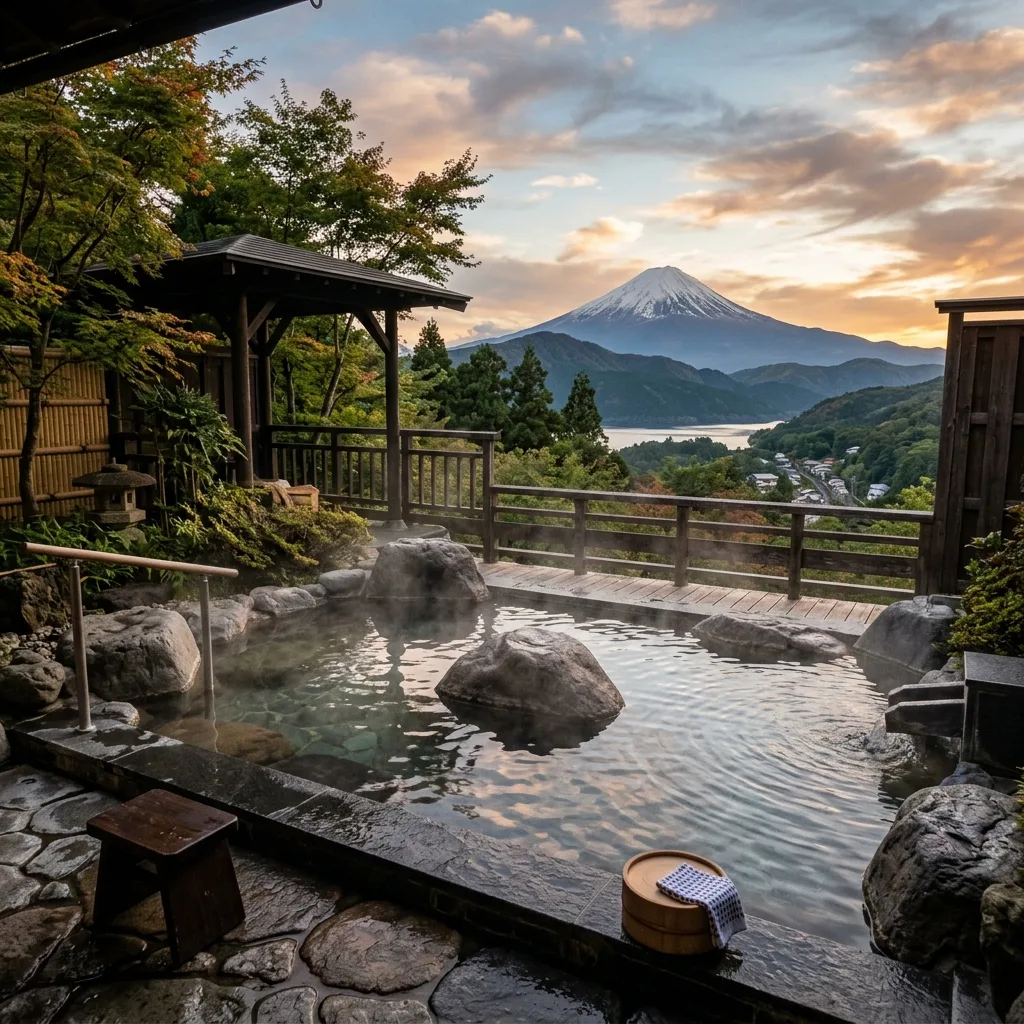
Planning a serene escape to Japan often involves dreaming of tranquil hot springs, traditional hospitality, and iconic vistas. If your vision includes soaking in a therapeutic onsen while gazing at the majestic Mount Fuji, then Hakone is your quintessential destination. This picturesque town, nestled in the Fuji-Hakone-Izu National Park, offers an unparalleled blend of natural beauty, cultural experiences, and luxurious ryokan stays. But with numerous options available, how do you choose the perfect ryokan that promises both authentic Japanese charm and those coveted, unobstructed views of Japan's most famous peak?
Hakone, a volcanic region known for its stunning natural landscapes and therapeutic hot springs, is an ideal destination for travelers seeking relaxation and spectacular views of Mount Fuji. Located just a short distance from Tokyo, it serves as a popular retreat, offering a rich tapestry of experiences from serene boat rides on Lake Ashi to art museums and historical sites. The region's ryokan, traditional Japanese inns, provide guests with an immersive cultural experience, complete with exquisite kaiseki meals, warm hospitality, and, for many, private onsen baths. Choosing a ryokan with Mount Fuji views elevates this experience, transforming a simple stay into an unforgettable encounter with Japan's iconic natural beauty.
Introduction: Unveiling the Magic of Hakone Onsen and Mount Fuji
Imagine waking up to the soft glow of dawn illuminating the snow-capped peak of Mount Fuji, framed perfectly by your ryokan window. This isn't just a dream; it's a reality waiting for you in Hakone. For many international travelers, the allure of Japan lies in its harmonious blend of ancient traditions and breathtaking natural wonders. Hakone Onsen embodies this perfectly, offering a sanctuary where the restorative powers of mineral-rich hot springs meet the awe-inspiring presence of Mount Fuji. This guide is crafted to help you navigate the myriad of choices, ensuring you find a ryokan that not only meets your expectations for comfort and luxury but also provides those unparalleled, panoramic views of Fuji-san. We'll explore what makes Hakone a prime destination, delve into the types of ryokan available, and equip you with all the essential tips for booking your dream escape.
The Allure of Hakone: Nature, Culture, and Relaxation
Hakone's charm extends far beyond its hot springs and Fuji views. It's a region steeped in history, rich with artistic treasures, and blessed with diverse natural beauty. The area is part of the Fuji-Hakone-Izu National Park, a designation that protects its volcanic landscapes, pristine lakes, and lush forests.
One of Hakone's most iconic attractions is Lake Ashi (Ashinoko), a caldera lake formed in the crater of Mount Hakone. A cruise across its calm waters, especially on one of the pirate ships, offers some of the most spectacular vantage points of Mount Fuji, often seen with the iconic torii gate of Hakone Shrine rising from the water's edge. Beyond the lake, visitors can explore the Hakone Open-Air Museum, home to an impressive collection of sculptures set against a stunning natural backdrop, or venture to the Owakudani volcanic valley, where you can witness active volcanic vents and sample "black eggs" cooked in the sulfurous hot springs, rumored to extend your life by seven years.
The town itself is a maze of charming streets, traditional craft shops, and various onsen facilities, ranging from public bathhouses to luxurious private baths within ryokan. Hakone's accessibility from Tokyo, via the Odakyu Romancecar or Shinkansen to Odawara and then local transport, makes it an ideal destination for both day trips and extended stays. This blend of accessibility, natural splendor, and cultural depth solidifies Hakone's reputation as a must-visit destination in Japan, especially for those seeking a holistic experience of relaxation and scenic beauty.
Selecting Your Ideal Ryokan with Mount Fuji Views
Choosing the perfect ryokan in Hakone, especially one with coveted Mount Fuji views, requires careful consideration. Not all ryokan are created equal, and proximity to the mountain doesn't automatically guarantee a view. The best ryokan strategically position themselves to offer guests an unobstructed panorama, often from private open-air baths (rotenburo), communal onsen, or even directly from guest rooms.
When making your selection, consider several factors:
- View Quality: Some ryokan offer partial views, while others boast expansive, uninterrupted vistas. Photos can be deceiving, so look for reviews that specifically praise the Fuji views. Websites like Booking.com, Agoda, and Japanican often feature guest photos and detailed descriptions that can help.
- Onsen Type: Do you prefer a private onsen within your room, a communal bath, or a mix of both? Many ryokan with Fuji views offer rooms with private rotenburo, allowing for an intimate viewing experience. Communal baths also often feature stunning views, providing a shared experience of tranquility.
- Cuisine: Traditional ryokan stays almost always include breakfast and dinner, typically a multi-course kaiseki meal featuring seasonal and local ingredients. Research the dining options and reviews, as the culinary experience is a significant part of the ryokan stay.
- Location: While the primary goal is a Fuji view, consider the ryokan's proximity to other Hakone attractions you wish to visit, such as Lake Ashi, museums, or cable car stations. Good transport links can enhance your overall experience.
- Budget: Ryokan in Hakone range from moderately priced to ultra-luxury. Define your budget early to narrow down your options. Remember that prices often include two meals and onsen access, offering significant value.
Some highly-rated ryokan known for their Mount Fuji views include:
- Gora Kadan: While not directly on Lake Ashi, this opulent ryokan offers stunning views of the surrounding mountains and exquisite service. Its traditional architecture and serene gardens provide a luxurious escape. (Note: Fuji views may be partial or from specific spots, confirm when booking).
- Hakone Ginyu: Known for its private open-air baths attached to every room, many of which offer fantastic valley views that can sometimes catch glimpses of Fuji depending on the room and weather.
- Hotel Green Plaza Hakone: Often lauded for its communal open-air bath with direct, panoramic views of Mount Fuji. This is a popular choice for those prioritizing the view from the onsen itself.
- Odakyu Hotel de Yama: Located on the shores of Lake Ashi, this hotel boasts beautiful gardens and views of the lake, with Fuji often visible in the distance. While not a traditional ryokan, it offers a luxurious stay with onsen facilities.
- Fuji Hakone Guest House: A more budget-friendly option, but still offering some rooms with direct Fuji views. It's a great choice for travelers looking for a simpler, authentic experience.
When researching these options, pay close attention to recent guest reviews regarding view clarity, as weather conditions and even new construction can impact visibility over time.
Deeper Dive into Hakone's Onsen Culture
The onsen experience is integral to any visit to Hakone. More than just a bath, it's a ritual of purification and relaxation, deeply embedded in Japanese culture. Hakone's geothermal activity blesses it with a variety of hot spring waters, each with unique mineral compositions believed to offer different health benefits. For instance, some waters are rich in sulfur, known for skin-healing properties, while others might contain alkaline elements, leaving your skin feeling smooth.
Understanding Onsen Etiquette: Rules You Must Know Before Entering a Japanese Hot Spring is crucial for a respectful and enjoyable experience. Before entering the communal baths, it's customary to thoroughly wash your body at the showering stations provided. Tattoos are traditionally not allowed in many public onsen, though some establishments are becoming more lenient, particularly with smaller tattoos or by offering private onsen options. Always enter the bath slowly, and avoid making excessive noise. The goal is a tranquil and meditative experience.
Many ryokan offer a range of onsen facilities. Beyond the communal indoor and outdoor baths, you might find "kashikiri" (private rental) baths that can be booked for exclusive use by couples or families. These are perfect for those who desire more privacy or have tattoos. Rooms with private rotenburo are the epitome of luxury, allowing you to enjoy the therapeutic waters and stunning views directly from your own balcony, often at any time of day or night. This private experience is particularly sought after when the ryokan also boasts Mount Fuji views, creating an intimate and unforgettable moment. The rhythmic sounds of nature, combined with the warmth of the spring water and the majestic sight of Fuji, encapsulate the essence of a Japanese retreat.
Practical Guide to Visiting Hakone Onsen
Navigating Hakone and making the most of your onsen experience requires a bit of planning. Here’s a practical guide to help you with logistics and booking.
Getting There
Hakone is easily accessible from Tokyo. The most popular method is taking the Odakyu Romancecar from Shinjuku Station directly to Hakone-Yumoto Station. This scenic train ride takes approximately 85 minutes. Alternatively, you can take the JR Tokaido Shinkansen (bullet train) from Tokyo Station to Odawara Station (around 30 minutes) and then transfer to the local Hakone Tozan Line to reach Hakone-Yumoto.
Once in Hakone, the Hakone Free Pass is highly recommended. This pass, available for two or three days, offers unlimited use of Odakyu-affiliated transportation within the Hakone area, including the Hakone Tozan Railway, Hakone Tozan Bus, Hakone Ropeway, Hakone Sightseeing Cruise (pirate ship), and Hakone Tozan Cable Car. It’s an excellent value and simplifies travel around the often-hilly terrain.
Hours / Admission / Prices (General)
Most ryokan operate on a traditional check-in (3:00 PM) and check-out (10:00 AM) schedule. Public onsen facilities usually have specific operating hours, typically from early morning to late evening. Admission fees for public onsen can range from ¥800 to ¥2,000, depending on the facility. Ryokan stays, which include accommodation, dinner, breakfast, and onsen access, can vary widely. A mid-range ryokan might cost ¥20,000–¥40,000 per person per night, while luxury options can easily exceed ¥60,000. It's crucial to confirm all prices and hours directly with the ryokan or facility, as these can change seasonally or due to special events.
Booking Your Ryokan
Booking in advance is highly recommended, especially if you're traveling during peak seasons (cherry blossom, autumn foliage, national holidays) or aiming for a ryokan with limited rooms offering Fuji views.
Key booking platforms include:
- Japanican: A dedicated platform for booking ryokan and hotels across Japan, often with exclusive packages.
- Booking.com / Agoda: Popular international booking sites with a wide selection of Hakone ryokan and often competitive prices. Look for properties with high ratings and specific mentions of Fuji views in reviews.
- Official Ryokan Websites: Booking directly can sometimes offer the best rates or special inclusions not available elsewhere. It also ensures direct communication regarding any special requests or dietary needs.
- Klook / MyRealTrip: These platforms are more commonly used for activities and tours but sometimes offer package deals that include ryokan stays. It's worth checking for any bundled offers that might save you money.
When booking, be very specific about your request for a "Mount Fuji view room" if it's not explicitly stated in the room type. Some ryokan might categorize rooms differently, and clarifying your preference can prevent disappointment. Also, remember to communicate any dietary restrictions well in advance, as traditional kaiseki meals are meticulously prepared.
Tips & Common Mistakes for Your Hakone Onsen Trip
To ensure your Hakone Onsen experience is as smooth and enjoyable as possible, here are some insider tips and common pitfalls to avoid:
- Check the Weather Forecast: Mount Fuji is notoriously shy. Clear skies are essential for a good view. While you can't guarantee perfect weather, checking the forecast a few days before your trip can help manage expectations. Early mornings are often the best time for clear views.
- Arrive Early for Lake Ashi Cruises: If you plan to take the Hakone Sightseeing Cruise, aim to arrive early in the day. The lake can get foggy later, obscuring views.
- Pack Light, but Smart: You'll likely be provided with a yukata (a casual kimono) to wear around the ryokan and to the onsen. However, comfortable clothes for travel and exploring Hakone are essential. Remember any personal toiletries, though most ryokan provide high-quality amenities.
- Embrace the Kaiseki Meal: Don't rush through your traditional multi-course dinner. It's an art form. Be open to trying new foods and savor the experience. Inform the ryokan of any allergies or dietary restrictions when booking.
- Learn Basic Japanese Phrases: While many tourist-oriented establishments have English-speaking staff, knowing a few basic phrases like "Arigato" (Thank you) or "Sumimasen" (Excuse me/Sorry) will greatly enhance your interactions and show respect for local culture.
- Don't Over-Schedule: Hakone offers many attractions, but the primary goal of an onsen trip is relaxation. Allow ample time to unwind at your ryokan, enjoy the onsen, and simply soak in the serene atmosphere.
- Respect Onsen Etiquette: As mentioned, understanding and adhering to onsen rules is crucial. Wash thoroughly before entering the bath, keep your towel out of the water, and maintain a quiet demeanor.
- Consider Luggage Forwarding: If you're traveling with large suitcases, consider using a luggage forwarding service (like Yamato Transport or Sagawa Express) to send your bags directly from your previous hotel to your Hakone ryokan or your next destination. This frees you up to travel light with just an overnight bag and fully utilize the Hakone Free Pass.
Common Mistakes to Avoid:
- Not Booking in Advance: Especially for ryokan with Fuji views, rooms sell out quickly. Last-minute bookings severely limit your choices.
- Ignoring the Hakone Free Pass: Many travelers underestimate the cost of individual transport tickets. The Free Pass almost always pays for itself if you plan to use multiple forms of transport.
- Expecting Fuji Views from Every Spot: While Hakone offers many Fuji views, not every corner of the town or every ryokan provides them. Research specific viewpoints and ryokan carefully.
- Overlooking Dietary Restrictions: Failure to communicate dietary needs in advance can lead to awkward situations, as kaiseki meals are pre-planned.
- Being Afraid of Communal Baths: While private onsen are luxurious, communal baths offer a truly authentic Japanese experience. Don't let shyness prevent you from trying them.
FAQ: Your Hakone Onsen Questions Answered
Here are some frequently asked questions to help you plan your Hakone Onsen escape:
Q1: What is the best time of year to visit Hakone for Mount Fuji views? A1: The clearest views of Mount Fuji are typically during the colder months, from autumn (October-November) through winter (December-February) into early spring (March-April). The air is drier, and there's less cloud cover. Summer can often be hazy, making Fuji harder to spot. Early mornings are almost always better than afternoons for clear views.
Q2: Are tattoos allowed in Hakone onsen? A2: Traditionally, tattoos are not allowed in Japanese public onsen due to their association with Yakuza. However, many ryokan, especially those catering to international tourists, are becoming more flexible. Some may allow smaller tattoos if covered, while others offer private onsen (kashikiri or in-room rotenburo) where tattoos are not an issue. Always check with your chosen ryokan directly beforehand.
Q3: How many nights should I stay in Hakone? A3: For a relaxed experience that allows you to enjoy the ryokan, onsen, and key attractions without feeling rushed, a 2-night stay is ideal. This gives you one full day to explore the Hakone Loop and another to savor your ryokan's amenities. A 1-night stay is possible but can feel a bit rushed, especially if you're coming from Tokyo.
Q4: Is Hakone suitable for families with children? A4: Yes, Hakone is very family-friendly! Many attractions, such as the pirate ship cruise on Lake Ashi, the Hakone Open-Air Museum, and the various ropeways, are enjoyable for all ages. Some ryokan also offer family rooms or private onsen, making it a comfortable destination for those traveling with kids. Just be sure to check ryokan policies regarding children's stays and meals. For instance, the Hakone Open-Air Museum is a fantastic outdoor space where children can run around and engage with art.
Q5: What should I wear at a ryokan? A5: Upon check-in, you'll typically be provided with a yukata (a casual cotton kimono) and sometimes a tanzen (a padded overcoat) during colder months. You can wear the yukata throughout the ryokan, including to the dining room and the onsen. There's no need for formal wear. Just bring comfortable undergarments for the yukata and any personal clothing for exploring outside the ryokan. You can learn more about traditional Japanese attire for your trip by researching Japanese clothing.
Q6: Can I visit Hakone as a day trip from Tokyo? A6: While possible, a day trip to Hakone from Tokyo can be quite packed and rushed. You'll spend a significant portion of your day on transportation. To fully appreciate the onsen experience and the scenic beauty, an overnight stay is highly recommended. If a day trip is your only option, prioritize a few key attractions like the Lake Ashi cruise and perhaps one museum, and consider the Hakone Free Pass for efficient travel.
Conclusion: Your Unforgettable Hakone Onsen Journey Awaits
Hakone Onsen, with its captivating blend of volcanic landscapes, serene lakes, and traditional ryokan, offers an escape unlike any other. The promise of soaking in rejuvenating hot springs while being framed by the majestic silhouette of Mount Fuji is a dream that many travelers cherish. By carefully selecting a ryokan known for its views, understanding the nuances of onsen etiquette, and utilizing practical travel tips, you can transform this dream into a tangible reality.
Whether you seek a luxurious retreat with private rotenburo or a charming inn with a communal bath overlooking Fuji-san, Hakone has an option to suit every preference and budget. Remember to book in advance, respect local customs, and most importantly, allow yourself to fully immerse in the tranquility and beauty that this extraordinary Japanese destination provides. Your unforgettable journey to Hakone, where nature's grandeur meets cultural serenity, is now within reach.
We hope this comprehensive guide assists you in planning your perfect Hakone getaway. For more insights on Japanese travel, explore our other guides such as a guide to Kansai Region Travel Guide: Osaka, Kyoto & Nara in One Trip for an in-depth look at its traditional districts, or an exploration of the best Tokyo Neighborhoods Guide: From Shinjuku to Shimokitazawa.