Daegu Travel Guide: The Hot & Tasty Heart of Korea

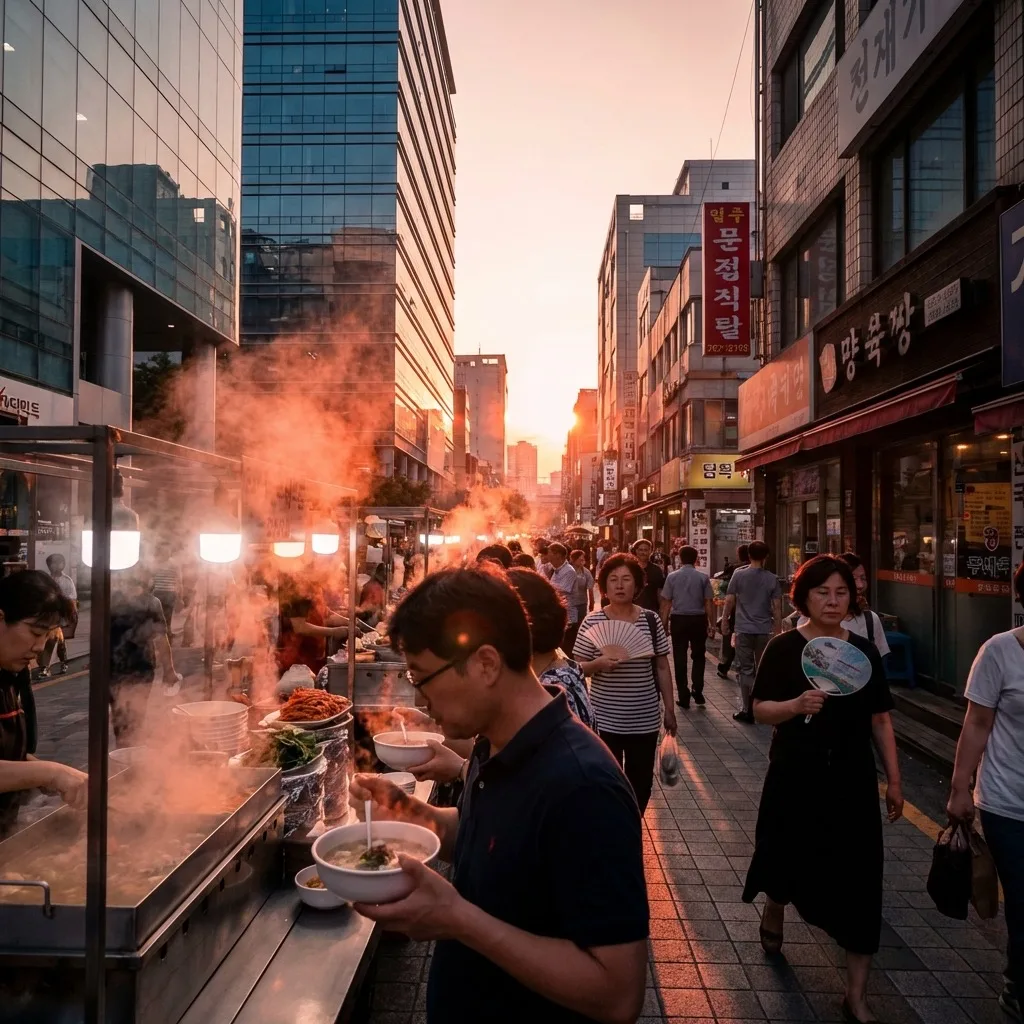
They call it "Daefrica"—a portmanteau of Daegu and Africa. Yes, Daegu is notorious for being the hottest city in South Korea during the summer, but the soaring temperatures perfectly match the fiery passion of its people and the intense spice level of its legendary food scene. As of 2026, the city has transformed itself into a hub of "Green Heat Management," with misting "smart-poles" and expansive urban forests making even a July visit surprisingly manageable.
Located strategically right in the middle of the Seoul to Busan KTX high-speed train line, South Korea's vibrant fourth-largest city is surprisingly often skipped by first-time visitors making a beeline for the coast. That is a massive mistake. If you love deep-rooted culinary traditions, beautifully preserved modern history, and a distinct regional culture that feels entirely different from the capital, Daegu deserves a prime spot on your itinerary.
Whether you are looking for a bustling day trip from Seoul or an overnight adventure filled with incredible eats and stunning mountain vistas, here is your ultimate Daegu travel guide.
Why Visit Daegu? The Charm of the Southeast
Daegu is the cultural and economic hub of the Gyeongsangbuk-do province. Unlike Seoul, which was heavily devastated and rebuilt during the Korean War, Daegu suffered relatively less destruction. This historical twist of fate means the city has managed to preserve a remarkable collection of early 20th-century colonial and traditional architectures right in its downtown core.
Furthermore, Daegu is the undisputed champion of bold, unapologetic flavors. While royal court cuisine might be delicate and mild, Daegu’s regional dishes are a celebration of garlic, chili, and incredibly satisfying chewy textures. Add in a blossoming specialty coffee culture, a picturesque monorail, and mountains wrapping around the city basin, and you have a destination that caters to foodies, history buffs, and nature lovers alike.
1. Daegu's Famous "Ten Tastes" (The Culinary Scene)
When traveling to Daegu, arriving with an empty stomach is the most important rule. The local government officially promotes the "Daegu Ten Tastes" (Daegu Sip-mi), a collection of unique local specialties you simply cannot find easily elsewhere in South Korea.
🐡 Blowfish Bul-gogi (Bokeo-bulgogi)
One of the most unique entries in the Ten Tastes is Bokeo-bulgogi. Unlike standard beef bulgogi, this dish uses tender, bone-free slices of blowfish (pufferfish) stir-fried in a thick, spicy red pepper sauce with mounds of crunchy bean sprouts.
- Where to go: Miseong Bokeo is the legendary birthplace of this dish.
- 2026 Trend: Many restaurants now offer a "Mild-Biome" version using fermented plant-based broth for those who want the flavor without the intense spice.
🍜 Pressed Steamed Noodles ( 누른국수 - Nureun-guksu)
Daegu is the "Noodle Capital" of Korea, consuming more flour-based dishes than any other city. Nureun-guksu is a thin, flat noodle made by mixing콩 (soybean) powder into the dough, then boiling it in a rich dried-anchovy broth. It is the ultimate comfort food for a rainy day in the Gyeongsang region.
Makchang (Grilled Intestines) at Anjirang
This is the uncontested soul food of Daegu. If you only eat one meal here, make it Makchang.
- Where to go: Anjirang Makchang Alley. This is not just a street; it is a culinary ecosystem. An entire avenue lined with over 50 restaurants serving nothing but grilled pork and beef intestines. The vibe at night, complete with glowing neon signs and the smoke of charcoal grills, is electric.
- The Taste: For the uninitiated, intestines might sound intimidating. Do not worry. When grilled over charcoal, Makchang tastes like a smoky, crispy, incredibly savory and chewy form of bacon. The absolute secret weapon is the Makjang dipping sauce—a nutty, earthy paste made from fermented soybean, crushed peanuts, diced green chilies, and scallions.
Dongin-dong Jjim-galbi (Spicy Braised Beef Ribs)
Forget the sweet, soy-based Galbi-jjim you might have had elsewhere in Korea. Daegu’s version is aggressive and unforgettable.
- The Dish: Steamed beef ribs are slow-cooked and then tossed in a literal bomb of crushed raw garlic and fiery red pepper powder, normally served in a battered nickel-silver pot.
- Where to go: Dongin-dong Jjim-galbi Street has been serving this intense dish since the 1970s.
- Pro Tip: After you eat the meat, do not waste the sauce. Ask the staff to mix rice into the remaining garlic-chili oil in the pot. It is arguably the best part of the meal.
Seomun Market Street Foods
Seomun Market is the largest traditional market in the entire southern region of Korea, dating back to the Joseon Dynasty. It is a street food paradise.
- Napjak Mandu (Flat Dumplings): These are unique to Daegu. They have almost no filling—just a whisper of glass noodles and chives inside a thin dough wrapper. They are pan-fried in oil until crispy and served with a spicy, tangy soy sauce and shredded cabbage. The joy is entirely in the crispy, chewy texture.
- Kaljebi: Can't decide between Kalguksu (knife-cut noodles) and Sujebi (hand-torn dough flakes)? Kaljebi mixes both into one comforting, warm seafood-based broth.
Mungtigi (Raw Beef)
For the adventurous foodie, Mungtigi is Daegu's ultra-fresh take on beef tartare (Yukhoe). Unlike Yukhoe which is julienned and marinated, Mungtigi consists of thick, thumb-sized slices of raw beef from cows slaughtered the exact same day. It is so fresh and sticky that the meat won't fall off the plate even if you turn it completely upside down!
2. Walking Through History: Modern Culture Alley
Daegu is highly walkable, and the city has done a phenomenal job curating "Alley Tours." The most famous is Course 2: The Modern Culture Alley, a beautiful 2-hour walking route that transports you back to the late 1800s and early 1900s.
Cheongna Hill and the Missionary Houses
Start your walk at Cheongna Hill, often called the Montmartre of Daegu. In the early 20th century, American missionaries settled here. Today, you can explore their incredibly preserved red-brick homes—such as the Blair House and the Chamness House—which beautifully blend Western Victorian architecture with Korean traditional roof tiles and elements.
The 3.1 Independence Movement Steps
Leading down from Cheongna Hill is a historic stairway boasting 90 steps. During the March 1st (3.1) Independence Movement against Japanese colonial rule in 1919, local students used this hidden, pine-covered staircase to secretly gather and march downtown without being detected by the police. Walking down these steps is a poignant historical experience.
Gyesan Catholic Church
At the bottom of the steps, you will see the striking twin spires of Gyesan Catholic Church. Built in 1902, it is the only remaining early 1900s building in Daegu with a distinctly Gothic architectural style. The stained-glass windows inside feature depictions of Korean martyrs wearing traditional Hanbok, a fascinating cultural synthesis.
Lee Sang-hwa and Seo Sang-don Residences
Just across the street from the church, tucked behind modern high-rises, are the restored traditional Hanok homes of two major historical figures: Lee Sang-hwa, a celebrated resistance poet, and Seo Sang-don, the initiator of the National Debt Remuneration Movement.
3. Kim Gwang-seok Street & The Artsy Vibe
No trip to Daegu is complete without strolling down Kim Gwang-seok Memorial Street.
Kim Gwang-seok was a tremendously soulful folk singer from Daegu who rose to fame in the 1980s and 90s. Often referred to as heavily influential in the same vein as Bob Dylan, his melancholic voice captured the angst and hopes of a generation. Following his untimely death, the small alleyway where he grew up was transformed into a 350-meter-long mural street.
Even if you have never heard a single Kim Gwang-seok song, the atmosphere here is incredibly romantic. Every wall is adorned with art pieces and lyrics. Vintage cafes line the narrow street, and local buskers regularly perform acoustic covers of his music on the street corners.
4. Coffee Myungga and Daegu's Cafe Culture
You cannot discuss Daegu without mentioning coffee. While Seoul is known for trendy cafes, Daegu actually holds the title for the most coffee shops per capita in South Korea, and it hosts an annual International Coffee Fair.
The city is the birthplace of several massive national coffee franchises, but the legendary spot is Coffee Myungga. Established in the 1990s, they were pioneers in hand-drip coffee in Korea. If you visit Daegu during the winter or spring, you must visit Coffee Myungga for their legendary Strawberry Cake—which is famously composed of about 80% fresh strawberries and only 20% sponge cake and cream.
If you are looking for a dense cluster of aesthetic cafes, head over to the Apsan Cafe Street, where massive private residences have been converted into stunning multi-story coffee shops with garden patios and rooftop seating.
5. The Best City Views: Mt. Apsan vs. Suseong Lake
Because Daegu is situated in a geographic basin surrounded by towering mountains, the topography creates an opportunity for incredible panoramic views.
Mt. Apsan Observatory (The Skyline View)
- Logistics: You don't have to hike if you don't want to. A convenient cable car runs from the base of the mountain near Apsan Park directly to the summit.
- The Experience: The observatory platform, shaped like a giant full moon, juts out over the cliff edge.
- When to Visit: Time your visit for late afternoon. Watch the sun dip behind the distant peaks, turning the sky orange, and stay until the sprawling city lights of Daegu turn on one by one, glittering like a sea of stars trapped in the valley.
Suseong Lake & The 2026 Floating Performance Hall
If Apsan is for height, Suseong Lake is for atmosphere.
- The Upgrade: By 2026, the controversial but stunning Suseong Floating Performance Hall has partially opened. This multi-million dollar glass venue "floats" on the water, hosting nightly holographic fountain shows and K-Opera snippets.
- The Loop: The 2-kilometer walking trail around the lake is the city's favorite spot for "people watching" and catching a cool breeze.
6. Escape to Nature: Palgongsan Mountain
If you have a second day in Daegu, taking a bus out to Palgongsan Mountain (located on the northern edge of the city) is highly recommended.
Palgongsan is a majestic provincial park packed with Buddhist culture. The most famous landmark is the Gatbawi Buddha, a massive stone statue carved into a cliff at the peak, wearing a flat stone that looks like a traditional Korean hat (Gat). Legend says that Gatbawi will grant a person at least one earnest wish in their lifetime, making it incredibly popular with students' parents during the national university entrance exam season.
The mountain is also home to Donghwasa Temple, a beautifully ornate temple complex dating back to the 5th century, featuring a massive 33-meter-tall Unification Buddha statue. If you visit in late October or early November, Palgongsan boasts some of the most spectacular autumn foliage in the entire country.
7. Practical Information for Visiting Daegu
Getting There
Getting There: The 2026 High-Speed Rail Revolution
- The KTX/SRT Merger: By the end of 2026, Korail and SR have moved toward a full merger. For travelers, this means unified ticketing. You no longer need to check two different apps to find the fastest train to Dongdaegu.
- The Seoul/Suseo Pilot: As of March 2026, you can now take an SRT-branded train from Seoul Station and a KTX-branded train from Suseo Station, significantly increasing seat availability during peak weekends.
- Travel Times: It takes just under 2 hours from Seoul and 45 minutes from Busan. For tips on booking, see our guide to booking KTX train tickets in Korea.
Getting Around: Sky Train & Hydrogen Power
Daegu has a highly efficient and clean public transportation system. You can tap your standard T-Money card on all buses and subways.
- Hydrogen Buses: By 2026, over 40% of the city's central bus fleet has been replaced with whisper-quiet Hydrogen buses.
- The "Sky Train" (Line 3): Our favorite way to see the city. Our Complete Guide to the T-Money Card explains how to load it for these rides.
- The Metro: Daegu has three subway lines. Line 1 (Red) and Line 2 (Green) are standard underground trains.
- Line 3 (Yellow - The Sky Train): Line 3 is a fully elevated Monorail. Riding Line 3 is like taking a scenic tour of the city, especially as it crosses the Sincheon River. It perfectly connects key tourist areas like Seomun Market and Suseong Lake.
The Perfect 1-Day Daegu Itinerary
If you only have time for a day trip or a 24-hour stopover between Seoul and Busan, follow this efficient route:
- 11:00 AM: Arrive at Dongdaegu Station. Store your heavy luggage in the station lockers.
- 11:30 AM: Head straight to Seomun Market for an early lunch. Feast on Kaljebi and crispy Napjak Mandu.
- 1:30 PM: Take the Monorail and subway to Cheongna Hill. Walk the Modern Culture Alley, visiting the missionary houses, 3.1 movement stairs, and Gyesan Cathedral.
- 3:30 PM: Walk over to Kim Gwang-seok Street. Take photos with the murals and grab a specialty coffee and dessert at a nearby cafe.
- 5:30 PM: Take a taxi or bus to the Apsan Cable car. Ride up to the Apsan Observatory to catch the sunset and city nightscape.
- 7:30 PM: Descend the mountain and head directly to Anjirang Makchang Alley. Celebrate your day with grilled Makchang, soju, and the lively local atmosphere.
- 10:00 PM: Head back to Dongdaegu Station to catch a late KTX, or check into your hotel.
☕ The Daegu Coffee Trail: A 3-Stop Tour
If you have 2 hours to spare before your KTX back to Seoul, immerse yourself in Daegu’s competitive coffee culture.
- The Pioneer: Coffee Myungga (Banwoldang Branch): Visit the birthplace of the third-wave coffee movement in Korea. Order the signature hand-drip and the seasonal strawberry cake—it's a Daegu rite of passage.
- The Modernist: Romantic Papa (Modern History Alley): Tucked inside a beautifully restored Hanok, this cafe blends retro hardware with state-of-the-art espresso tech. Perfect for your Instagram feed.
- The View: Apsan Green Cafe: Located on the "Cafe Street" at the mountain's base, this spot offers a terrace view of the forest and a selection of teas that use locally grown Gyeongsang medicinal herbs.
Final Summary: Why Daegu is the Heart of Korea
🧵 Daegu's Textile Legacy: The Fashion Connection
Finally, remember that Daegu was once the "Milan of Korea" due to its massive textile industry. While the factories have moved, the artistic spirit remains in the DTC (Daegu Textile Museum) and the numerous independent boutiques in the Dongseong-ro shopping district. Buying a piece of local Daegu-made apparel is the ultimate way to take a piece of the city's spirit home with you.
Daegu may often be overlooked in favor of its neighbors, but those who stop here find a city of vibrant flavors, artistic soul, and a coffee culture second to none. It’s a place where history feels accessible and the modern energy is infectious. To arrive effortlessly, review our guide to booking KTX train tickets, and ensure you're ready for the local transit system by getting your T-Money card ready ahead of time.