Best Art Museums and Galleries in Seoul and Beyond: A Complete Guide
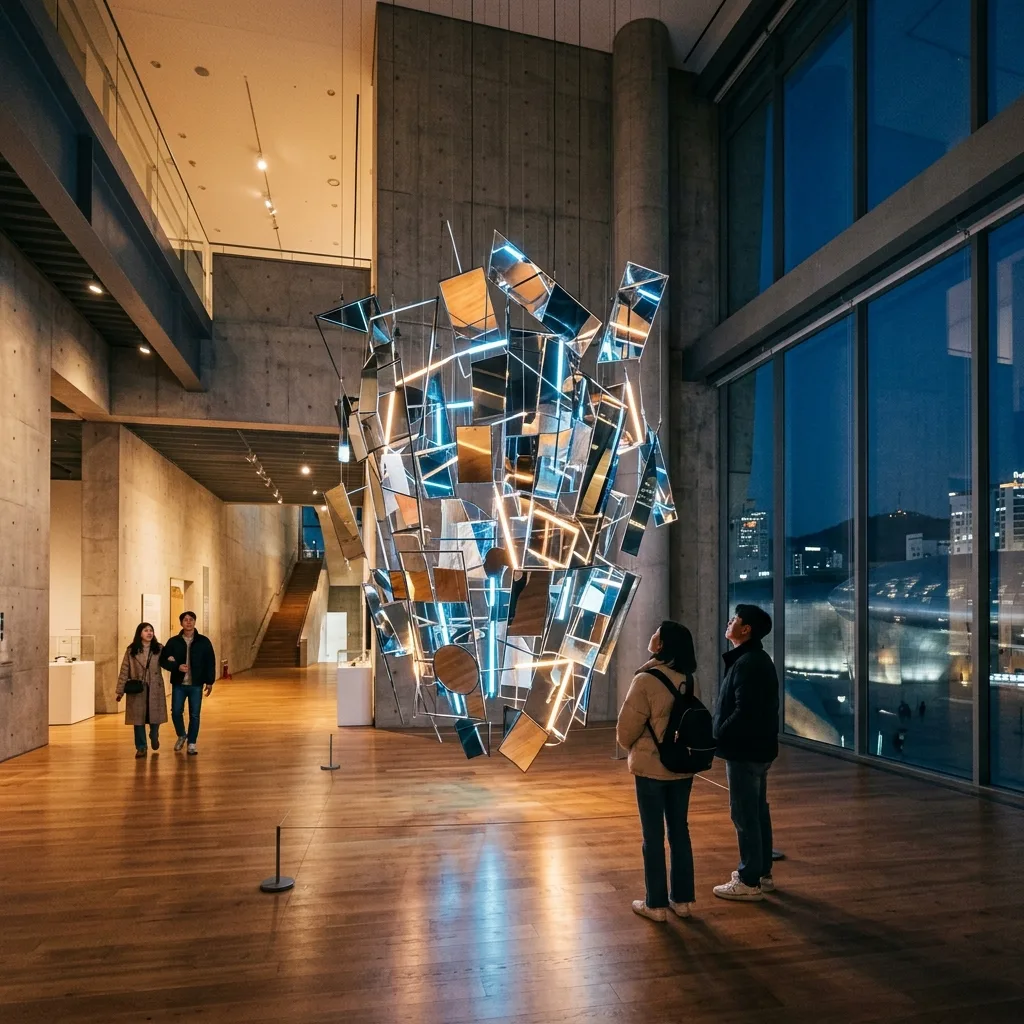
Seoul's art scene is a dynamic blend of ancient traditions and cutting-edge contemporary expression, offering a captivating journey for any culture enthusiast. Beyond the bustling markets and historic palaces, a world of artistic wonder awaits, from grand national institutions showcasing modern masterpieces to intimate galleries pushing the boundaries of creativity. Whether you're a seasoned art connoisseur or simply looking to add a touch of culture to your Korean adventure, navigating the myriad of options can be overwhelming. This comprehensive guide cuts through the noise, revealing the absolute best art museums and galleries in Seoul and extending to other vibrant cities like Busan and Jeju, ensuring your 2026 visit is filled with inspiring artistic discoveries. Get ready to explore iconic works, discover emerging talents, and immerse yourself in South Korea's thriving artistic landscape.
Seoul, a city where futuristic skyscrapers meet ancient temples, also serves as a thriving epicenter for art and culture. Its art institutions are not just buildings; they are living spaces where history, modernity, and innovation converge, offering visitors a profound insight into the Korean spirit and its dialogue with global artistic movements. From the vast collections of national museums to the avant-garde exhibits in independent galleries, the artistic landscape is as diverse as it is captivating. This guide will walk you through the must-visit destinations, offering practical advice and insider tips to enhance your cultural journey.
National Museum of Modern and Contemporary Art (MMCA Seoul)
The National Museum of Modern and Contemporary Art (MMCA) stands as a cornerstone of South Korea's art scene, with its main branch strategically located in the heart of Seoul, near the historic Gyeongbokgung Palace. Opened in 2013, this architectural marvel integrates seamlessly with its surroundings, featuring a unique "madang" (courtyard) concept that blurs the lines between indoor and outdoor spaces, inviting visitors to experience art in a dynamic environment.
MMCA Seoul is renowned for its diverse collection, spanning modern Korean art from the early 20th century to contemporary international works. It serves as a vital platform for showcasing Korean artists to the world and introducing global art trends to local audiences. The museum regularly hosts groundbreaking exhibitions, often featuring a mix of established masters and emerging talents. For instance, in 2026, visitors can look forward to a significant retrospective of a renowned international artist (as highlighted in our web search, e.g., the Damien Hirst Retrospective from March – June 2026), offering a rare chance to engage with world-class art right in Seoul. The Suh Do-ho Solo Exhibition (August 2026 – February 2027) promises a comprehensive survey of the world-renowned installation artist, featuring his signature translucent fabric architectural structures. These exhibitions are not just displays of art; they are immersive experiences that provoke thought and inspire dialogue, making MMCA Seoul a must-visit for anyone interested in contemporary artistic discourse.
The museum's commitment to accessibility is evident in its varied programming, including educational workshops, artist talks, and film screenings, making art approachable for all ages and backgrounds. Its location also allows for a fascinating cultural itinerary: combine a morning exploring the palace grounds with an afternoon delving into modern art, creating a rich tapestry of Korean heritage and contemporary vision.
Practical Information for MMCA Seoul (2026):
- Admission Price: An integrated ticket covering all current exhibitions typically costs 5,000 KRW. Permanent exhibitions are generally free. Visitors aged 24 and under or 65 and over can enjoy free entry with a valid ID. On the last Wednesday of every month (Culture Day), admission is free for everyone.
- Opening Hours: Open from 10:00 AM to 6:00 PM on Monday, Tuesday, Thursday, Friday, and Sunday. On Wednesday and Saturday, the museum offers night opening until 9:00 PM. Last admission is one hour before closing.
- Closed: January 1st, Seollal (Lunar New Year), and Chuseok (Korean Thanksgiving).
- Booking: While tickets are available on-site, it is highly recommended to book in advance via the official MMCA website, especially for popular special exhibitions, to avoid disappointment.
Leeum Museum of Art
Nestled in the upscale Hannam-dong district, the Leeum Museum of Art is a private institution that offers a distinct and luxurious art experience. Established by the Samsung Foundation of Culture, Leeum is housed in three striking buildings designed by renowned architects Mario Botta, Jean Nouvel, and Rem Koolhaas, each a work of art in itself. This architectural grandeur sets the stage for a meticulously curated collection that bridges traditional Korean aesthetics with groundbreaking contemporary art from both local and international artists.
Leeum is particularly celebrated for its Museum 1, which houses a superb collection of traditional Korean art, including ancient ceramics, Buddhist art, and calligraphy, offering a deep dive into the country's rich artistic heritage. Museum 2, in contrast, is dedicated to modern and contemporary art, featuring an impressive array of works by influential figures such as Nam June Paik, Damien Hirst, and Anish Kapoor. The interplay between these two distinct collections provides a fascinating dialogue across different eras and cultural contexts.
The museum is known for its innovative exhibitions and commitment to presenting challenging and thought-provoking art. For 2026, Leeum has a compelling lineup, including the first solo exhibition in Korea by Tino Sehgal (February – June 2026), known for his unique "live art" performances that engage visitors directly. Additionally, "Inside Other Spaces" (May – September 2026) will be a significant group exhibition focusing on first-generation women installation artists, offering an immersive exploration of their pioneering work. These exhibitions highlight Leeum's role as a leader in contemporary art, making it an essential destination for those seeking a sophisticated and intellectually stimulating art experience. The focus on interactive and immersive art forms ensures that a visit to Leeum is not merely observational but truly participatory.
Practical Information for Leeum Museum of Art (2026):
- Admission Price: General admission is typically 18,000 KRW. Discounted rates of 9,000 KRW are available for youth (7–24), seniors (65+), and university students with valid ID. Children under 6, individuals with disabilities (and one companion), and national merit recipients receive free entry.
- Digital Guide: A free smartphone-style digital guide is available; a valid ID (like a passport) is required as a deposit.
- Opening Hours: The museum is open from 10:30 AM to 6:00 PM, Tuesday through Sunday. Last admission is at 5:30 PM.
- Closed: Every Monday, January 1st, Seollal, and Chuseok.
- Booking: Online reservation is highly recommended and often mandatory, especially for special exhibitions, via the official Leeum website. Reservations typically open 14 days in advance at 10:00 AM KST, with a maximum of 4 people per reservation. Walk-in tickets are very limited.
- How to get there: The museum is easily accessible via public transport, located in Hannam-dong (Subway Line 6, Hangangjin Station, Exit 1).
Seoul Museum of Art (SeMA)
The Seoul Museum of Art (SeMA) is a municipal art museum dedicated to showcasing a broad spectrum of art, from traditional to contemporary, with a strong focus on Korean artists and urban culture. Its main branch, located in a beautifully renovated former Supreme Court building near Deoksugung Palace, offers a compelling blend of history and modernity. SeMA is known for its dynamic exhibition schedule, often featuring thought-provoking installations, media art, and thematic exhibitions that resonate with Seoul's identity as a vibrant global city.
SeMA plays a crucial role in making art accessible to the public, frequently offering free admission to its permanent collections and hosting engaging public programs. The museum's curatorial approach often explores societal issues, technological advancements, and cultural narratives, making it a relevant and stimulating destination for visitors. In 2026, SeMA is set to host significant retrospectives, such as "Yoo Young-kuk: A Mountain Within Me" (May – October), celebrating the 110th anniversary of this pioneer of Korean abstract art. This exhibition offers a fantastic opportunity to delve into the foundational movements of modern Korean painting. Furthermore, the museum's expansion with the new Seo-Seoul Museum of Art (opened March 2026) dedicated to new media art, signifies its forward-thinking approach and commitment to the evolving art landscape.
Beyond its main branch, SeMA operates several satellite locations, including the Namseoul Museum of Art and the SeMA Bunker, each offering unique perspectives and specialized programming. This distributed model allows SeMA to engage with diverse communities across the city and present a wide range of artistic expressions. A visit to SeMA is an opportunity to connect with the pulse of Seoul's contemporary art scene, discover local talents, and witness art that reflects the city's dynamic spirit.
Gallery Districts: Samcheong-dong and Hannam-dong
Beyond the major museums, Seoul's vibrant gallery districts offer a more intimate and often avant-garde art experience. Two areas stand out for their concentration of leading galleries: Samcheong-dong and Hannam-dong.
Samcheong-dong, nestled between Gyeongbokgung Palace and Bukchon Hanok Village, is a picturesque neighborhood where traditional Korean architecture (hanok) blends harmoniously with modern art spaces. This area is home to some of Korea's most prestigious galleries, including Kukje Gallery, Gallery Hyundai, and Hakgojae Gallery. Walking through Samcheong-dong is an experience in itself, as you can seamlessly transition from exploring ancient royal grounds to discovering cutting-edge contemporary art. The galleries here often feature works by both established Korean artists and internationally acclaimed figures, making it a prime spot for collectors and art enthusiasts alike. The charm of Samcheong-dong lies in its ability to offer a tranquil yet intellectually stimulating environment, where art can be appreciated against a backdrop of historical beauty. The smaller scale of these galleries allows for a more personal encounter with the art, fostering deeper contemplation and appreciation.
Hannam-dong, on the other hand, presents a more cosmopolitan and trendy art scene. In addition to the Leeum Museum of Art, this fashionable district hosts international powerhouses like Pace Gallery, Thaddaeus Ropac, and Lehmann Maupin. Hannam-dong's galleries tend to showcase a strong roster of international contemporary artists, reflecting Seoul's growing influence in the global art market. The area's chic cafes, boutiques, and design shops further enhance the gallery-hopping experience, creating a sophisticated cultural hub. Hannam-dong is where you'll find the latest trends in global contemporary art, often exhibiting pieces fresh from international art fairs. The energy here is palpable, reflecting a dynamic and forward-looking approach to art.
Exploring these gallery districts offers a different kind of art journey – one that is less structured than a museum visit and more about serendipitous discovery. You can wander at your own pace, pop into various spaces, and engage with gallerists who are often passionate experts on the art they represent. Many galleries offer free admission, providing an excellent opportunity to see diverse works without a set itinerary.
Beyond Seoul: Art in Busan and Jeju
While Seoul is undeniably the heart of South Korea's art scene, the country's other major cities also boast impressive art institutions and unique artistic identities. Extending your art exploration beyond the capital can reveal diverse perspectives and regional artistic nuances.
Busan, South Korea's second-largest city and a bustling port, offers a refreshing coastal take on art. The Busan Museum of Art is a prominent institution that houses a significant collection of modern and contemporary art, with a particular emphasis on local artists from the Busan region. Its exhibitions often reflect the city's maritime heritage and its vibrant, dynamic character. The museum also plays a host to the Busan Biennale, a major international contemporary art event that returns in September 2026, attracting artists and art lovers from around the globe. This biennale transforms the city into an expansive art canvas, with installations and exhibitions appearing in unexpected locations, making art an integral part of the urban experience.
Another notable destination in Busan is the Museum of Contemporary Art Busan (MOCA Busan), located on Eulsukdo Island. MOCA Busan specializes in experimental and new media art, often featuring site-specific installations that interact with the island's unique natural environment. Its cutting-edge approach makes it a fascinating visit for those interested in the future of art and its intersection with technology and nature. The serene surroundings of Eulsukdo Island provide a peaceful contrast to the often-provocative art inside, creating a unique contemplative atmosphere.
Jeju Island, a UNESCO World Heritage site known for its volcanic landscapes and breathtaking natural beauty, also has a burgeoning art scene that often draws inspiration from its stunning surroundings. For a complete travel plan, check out this Jeju Island Itinerary: The Ultimate Road Trip Guide. The Jeju Museum of Art showcases both traditional and contemporary art, with a focus on artists who have been inspired by the island's unique culture and environment. Its collections often highlight the serene and powerful aspects of Jeju's nature, from its dramatic coastlines to its lush forests.
Jeju is also home to numerous smaller, independent galleries and art spaces, many of which are integrated into the island's charming cafes and scenic routes. These spaces offer a more relaxed and intimate art experience, allowing visitors to enjoy local artistic expressions while soaking in the island's tranquil atmosphere. The blend of art and nature on Jeju provides a truly unique cultural experience, making it an ideal destination for those who appreciate both.
Exploring the art scenes in Busan and Jeju offers a broader understanding of South Korea's artistic diversity, demonstrating how different regions interpret and contribute to the national and global art dialogue. These cities provide a compelling reason to venture beyond Seoul for a more complete artistic journey.
Practical Guide for Your Art Journey in Korea (2026)
Planning your art exploration in South Korea requires a few practical considerations to ensure a smooth and enriching experience. Here’s a detailed guide covering general tips, transportation, and booking.
General Tips:
- Check Official Websites: Always verify opening hours, admission fees, and exhibition schedules directly on the museum's official website before your visit, as these can change, especially for special exhibitions.
- Weekdays vs. Weekends: Weekdays, particularly mornings, are generally less crowded than weekends. If you're visiting popular institutions like Leeum, aim for a weekday to enjoy a more serene experience.
- Culture Day: Remember that the last Wednesday of every month offers free admission to many national and public museums, including MMCA. This can be a great budget-friendly option if your travel dates align.
- Digital Guides: Many museums offer digital guides, often accessible via a smartphone app or a rental device. These can significantly enhance your understanding and appreciation of the artworks. At Leeum, a free digital guide is available.
Transportation:
- Seoul's Subway System: Seoul boasts an incredibly efficient and extensive subway system, making it easy to reach most major art institutions. For MMCA Seoul, Anguk Station (Line 3) is a common stop, while Leeum Museum of Art is near Hangangjin Station (Line 6). Familiarize yourself with the T-Money card for seamless travel, and for a complete guide, refer to The Ultimate Guide to Public Transportation in Korea (2025 Edition).
- Buses: Buses complement the subway system and can often provide more direct access to certain areas, especially gallery districts like Samcheong-dong and Hannam-dong.
- Taxis/Ride-hailing: Taxis and ride-hailing apps like Kakao T are readily available for convenience, though they will be more expensive than public transport.
- Beyond Seoul: For Busan, the subway system is also efficient. For Jeju Island, renting a car is often the most convenient way to explore its dispersed attractions and galleries, though public buses are also an option for major routes.
Booking and Tickets:
- Advance Booking is Key: For popular museums and special exhibitions, especially at private institutions like Leeum Museum of Art, advance online booking is crucial. Slots can fill up quickly, sometimes weeks in advance. Always check the museum's website for their specific booking policies and recommended booking window.
- MMCA Seoul: Booking online via the official website is recommended. While walk-in tickets are often available, securing your spot online guarantees entry, particularly for high-demand shows.
- Leeum Museum of Art: Online reservation via leeum.org is not just recommended, but often mandatory for both permanent and special exhibitions. Be mindful that reservations typically open 14 days in advance and can be booked quickly.
- Exhibition-Specific Tickets: Note that some special exhibitions may require separate tickets or have different pricing, even if general admission to the museum is free or covered by an integrated ticket. Always confirm this detail when planning.
Tips & Common Mistakes When Visiting Korean Art Spaces
Navigating a new country's art scene can sometimes come with its own set of unwritten rules and potential pitfalls. Here are some insider tips and common mistakes to avoid to ensure your art journey in Korea is as smooth and enjoyable as possible.
Tips for a Better Experience:
- Embrace the Digital: Many Korean museums are at the forefront of digital engagement. Utilize museum apps, digital guides, and QR codes for enhanced information and interactive experiences. Leeum's free digital guide is a prime example of this.
- Arrive Early: For popular exhibitions, arriving shortly after opening can help you avoid the largest crowds, allowing for a more peaceful viewing experience.
- Look Beyond the Main Galleries: Many museums have hidden gems like rooftop gardens, sculpture parks, or smaller annexes that offer unique perspectives and quieter moments.
- Engage with the Context: Take time to read the exhibition texts. Korean art often carries deep historical, philosophical, or social significance that is best understood within its cultural context. For a broader understanding of local customs, consider reviewing our guide on Cultural Etiquette in South Korea: 7 Rules to Avoid Awkward Moments.
- Explore Gallery Cafes: Museum and gallery cafes in Korea are often beautifully designed and offer high-quality refreshments, making them perfect spots for a break and reflection.
- Mind Your Photography: While photography is generally allowed in many Korean museums, always check for specific signage. Flash photography is usually prohibited, and some special exhibitions may not allow photography at all.
- Consider a Guided Tour: If available, a guided tour can provide invaluable insights into the collections and exhibitions, particularly for those less familiar with Korean art history.
Common Mistakes to Avoid:
- Underestimating Booking Needs: The biggest mistake travelers make is assuming they can simply walk into popular museums or special exhibitions. As highlighted with Leeum, advance online booking is often a necessity, not just a recommendation. Always check and book ahead.
- Ignoring Closing Times: While some museums have late openings (like MMCA on Wednesdays and Saturdays), many close by 6 PM. Plan your visit accordingly to ensure you have ample time to explore without rushing. Last admission is always earlier than the closing time.
- Not Checking for Holiday Closures: Korean national holidays like Seollal (Lunar New Year) and Chuseok (Korean Thanksgiving) are major family holidays, and many institutions, including museums, will be closed. Always cross-reference your travel dates with Korean public holidays.
- Only Sticking to Seoul: While Seoul has an incredible array of art, missing out on institutions in Busan, Jeju, or even smaller regional galleries means missing a broader understanding of Korea's diverse art landscape.
- Over-scheduling: Art appreciation takes time and energy. Don't try to cram too many museums into one day. Allow yourself to linger, reflect, and truly engage with the art. Burnout is a real risk!
- Dismissing Smaller Galleries: The gallery districts like Samcheong-dong and Hannam-dong might seem less imposing than major museums, but they often showcase groundbreaking work by emerging artists and can offer a more intimate and personal art experience. Don't overlook them!
Frequently Asked Questions (FAQ)
Here are some common questions first-time visitors might have about exploring the art scene in South Korea:
Q1: What's the best time of year to visit art museums in Korea? A1: Art museums are wonderful to visit year-round. However, spring (April-May) and autumn (September-October) offer pleasant weather for exploring gallery districts and combining indoor art with outdoor sightseeing. Weekdays are generally less crowded than weekends, regardless of the season.
Q2: Are there English explanations available at Korean museums? A2: Yes, most major art museums in Seoul, like MMCA and Leeum, provide English labels, audio guides, and sometimes even English-speaking guided tours. Smaller galleries might have limited English information, but the visual experience is still rich.
Q3: Can I buy art from these museums or galleries? A3: While museums typically don't sell art from their collections, many commercial galleries in Samcheong-dong and Hannam-dong are indeed places where you can purchase artworks. Prices vary widely based on the artist and piece.
Q4: Is there a pass that covers multiple museums? A4: Currently, there isn't a widely available multi-museum pass that covers all major art institutions across Korea. However, some individual museums may offer integrated tickets for all their exhibitions, or temporary passes during specific art festivals. Always check individual museum websites for the latest information.
Q5: What should I wear when visiting an art museum in Korea? A5: There's no strict dress code for most art museums in Korea. Comfortable shoes are highly recommended as you'll be doing a lot of walking. Consider dressing in layers as temperatures inside might vary. Modest attire is generally respectful, especially in institutions near religious sites or traditional areas.
Conclusion
South Korea's art scene is a treasure trove waiting to be discovered, offering a rich tapestry of experiences that blend ancient heritage with contemporary innovation. From the expansive collections of the National Museum of Modern and Contemporary Art to the architectural marvels of Leeum, and the vibrant gallery districts of Samcheong-dong and Hannam-dong, Seoul alone provides endless opportunities for artistic immersion. Venturing beyond the capital to cities like Busan and Jeju further enriches the journey, revealing diverse regional interpretations of art against stunning natural backdrops.
By planning ahead, utilizing online booking systems, and keeping these practical tips in mind, your 2026 art adventure in Korea promises to be seamless and deeply rewarding. Whether you're drawn to classical masterpieces, cutting-edge installations, or the dynamic energy of emerging artists, South Korea offers a unique and unforgettable cultural experience. So pack your curiosity, prepare to be inspired, and embark on an artistic exploration that will undoubtedly leave a lasting impression.