Artisanal Goods in Korea: Where to Find Handmade Pottery and Crafts

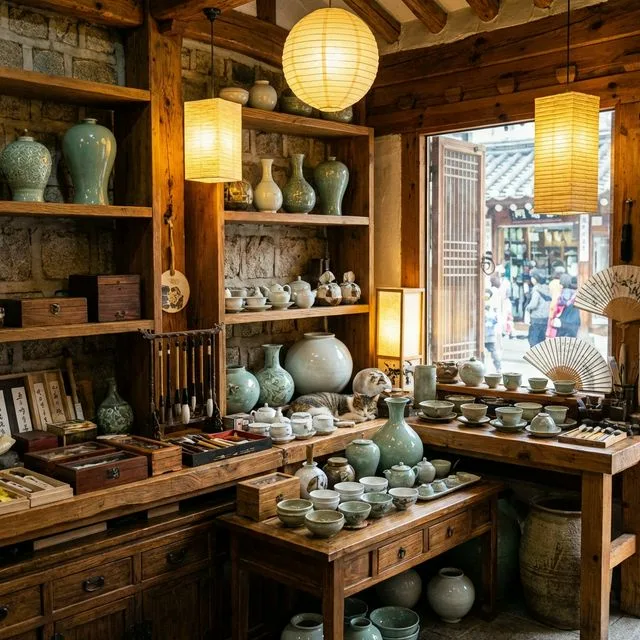
Korea's artisanal craft heritage spans centuries, from the elegant white porcelain of the Joseon Dynasty to contemporary ceramic artists reinterpreting traditional techniques. For travelers seeking authentic handmade pottery, traditional crafts, or unique souvenirs that carry cultural significance, Seoul—particularly the historic Insadong district—offers an unparalleled shopping experience. This guide will show you exactly where to find Korea's finest artisanal goods and how to distinguish quality craftsmanship from mass-produced imitations.
Insadong: Seoul's Craft Heart
Insadong (인사동) is Seoul's undisputed center for traditional Korean arts and crafts. This historic neighborhood has preserved Korea's artisanal heritage while adapting to modern times, creating a unique blend of centuries-old traditions and contemporary interpretations.
Historical Significance
Insadong's role as Seoul's cultural and artistic hub dates back centuries. During the Joseon Dynasty, this area was home to government officials and nobility, and over time it evolved into a center for antiques, art, and traditional crafts. Today, walking through Insadong feels like stepping into Korea's artistic soul—traditional tea houses sit alongside modern galleries, and antique shops neighbor contemporary craft studios.
What Makes It Special
Unlike tourist-trap shopping districts, Insadong maintains authenticity. The Korean government has protected this area's cultural character, limiting chain stores and preserving traditional architecture. The result is a shopping experience that feels genuine—you're not just buying souvenirs, you're connecting with Korea's living craft traditions.
Getting There and Navigation
Access: Take Seoul Metro Line 3 to Anguk Station (Exit 6) or Line 1 to Jonggak Station (Exit 3). Both are short walks to Insadong's main street.
Navigation: Insadong's main street (Insadong-gil) is pedestrian-only on weekends, making it perfect for browsing. Side streets and alleys hide many of the best shops—don't hesitate to explore beyond the main drag.
Insadong Antique Art Street
The Insadong Antique Art Street (인사동 고미술거리) features approximately 70 specialty shops dedicated to antique arts and traditional crafts. This is where serious collectors and casual browsers alike can discover authentic Korean pottery and ceramics.
70+ Specialty Shops
Each shop along Antique Art Street is a specialty store offering handcrafted items alongside traditional artworks. The concentration of expertise means you can compare styles, prices, and quality across multiple shops, learning as you browse.
Silla Earthenware and Joseon Porcelain
Among the treasures you might find:
Silla Period Earthenware (57 BCE - 935 CE): Ancient pottery with historical significance. Authentic pieces are rare and expensive, but reproductions using traditional techniques are more accessible.
Joseon Dynasty White Porcelain (1392-1897): The elegant white ceramics that defined Korean aesthetic sensibility. Joseon white porcelain is characterized by its pure white color, simple forms, and understated elegance—a stark contrast to the more ornate Chinese porcelain of the same period.
How to Spot Authentic Pieces
Distinguishing authentic antiques from reproductions requires expertise, but here are some guidelines:
Signs of Authenticity:
- Uneven glazing (hand-applied, not machine-perfect)
- Weight appropriate to age and firing technique
- Provenance documentation from reputable dealers
- Price reflecting rarity and age (if it seems too cheap, it probably is)
Ask Questions:
- When and where was it made?
- What firing technique was used?
- Is there documentation of authenticity?
- What is the return policy?
Reputable dealers will welcome questions and provide detailed information about their pieces.
Price Ranges and Bargaining
Antique Valuables: ₩500,000-₩5,000,000+ ($375-$3,750+) for authentic historical pieces
Contemporary Functional Pottery: ₩30,000-₩200,000 ($22-$150) for teacups, bowls, and everyday ceramics
Decorative Pieces: ₩50,000-₩500,000 ($37-$375) depending on artist and complexity
Bargaining Etiquette: Polite negotiation is acceptable, especially for higher-priced items or multiple purchases. Start by asking "Is there any discount available?" rather than making aggressive lowball offers. A 10-15% discount is reasonable; expecting 50% off is not.
Ssamziegil Cultural Complex
Ssamziegil (쌈지길) is Insadong's most iconic landmark—a four-story cultural complex with a distinctive spiral design that leads visitors through various shops and galleries.
The Iconic Spiral Design
The building's architecture is an attraction in itself. A continuous spiral ramp connects all four floors, creating a natural browsing flow. As you walk up the spiral, you'll pass dozens of small shops, each offering unique crafts and goods.
4 Floors of Craft Shops
Ssamziegil hosts workshops and craft stores showcasing both traditional Korean crafts and contemporary interpretations. You'll find:
- Handmade jewelry
- Textile crafts
- Pottery and ceramics
- Paper goods and calligraphy
- Traditional Korean accessories (norigae, hairpins)
- Contemporary art pieces
DIY Pottery Painting Workshops
One of Ssamziegil's highlights is the opportunity to create your own pottery. Several shops offer pottery painting workshops where you can:
- Choose a ceramic piece (bowl, cup, plate)
- Paint your design
- Have it fired and glazed
- Pick it up later or have it shipped
Cost: ₩15,000-₩40,000 ($11-$30) depending on the piece Time: 1-2 hours for painting; pickup usually available the next day
This makes for a unique, personal souvenir that you created yourself.
Contemporary Craft Interpretations
Ssamziegil excels at showcasing how Korean artisans are reinterpreting traditional crafts for modern life. You'll see:
- Traditional pottery shapes with contemporary glazes
- Hanbok-inspired accessories for everyday wear
- Modern takes on traditional patterns
- Functional art that bridges past and present
Korean Pottery: Types and Styles
Understanding Korean pottery helps you appreciate what you're seeing and buying.
Functional Ceramics
Teaware: Korean tea culture has produced beautiful teacups, teapots, and tea bowls. Look for:
- Buncheong ware (grayish-green glaze with white slip decoration)
- Celadon (jade-green glaze, Korea's most famous ceramic style)
- White porcelain (simple, elegant, quintessentially Korean)
Bowls and Dishes: Everyday ceramics designed for Korean cuisine:
- Rice bowls (smaller, for individual servings)
- Banchan dishes (small dishes for side dishes)
- Serving bowls (larger, for shared dishes)
Jars: Traditional storage jars (onggi) and decorative vessels
Decorative Pieces
- Vases in traditional shapes
- Sculptural ceramics
- Wall hangings
- Interior accessories
Traditional vs Contemporary
Traditional pottery follows centuries-old techniques:
- Hand-thrown on potter's wheels
- Natural glazes
- Wood or gas firing
- Classic shapes and decorations
Contemporary pottery might:
- Use traditional techniques with modern designs
- Experiment with new glazes and colors
- Create functional art for modern lifestyles
- Blend Korean and international influences
Both have value—traditional pieces connect you to history, while contemporary pieces show living craft traditions evolving.
Understanding Quality and Craftsmanship
Quality indicators in Korean pottery:
Feel: Well-made pottery has appropriate weight—not too heavy, not too light. The surface should be smooth where intended, textured where designed.
Glaze: Should be even unless deliberately varied for artistic effect. No cracks or crazing (unless antique, where some crazing is expected).
Form: Symmetrical unless intentionally asymmetric. Foot (base) should be finished cleanly.
Functionality: If it's meant to be used, it should be practical—comfortable to hold, stable, appropriate size.
🧶 Beyond Clay: Other Traditional Artisanal Crafts
While pottery is the star of Insadong, Korea's craft landscape in 2026 includes much more.
Dancheong-Painted Woodwork
The vibrant patterns you see on palace roofs are called Dancheong. In Insadong, you can find miniature wooden frames, jewelry boxes, and even smartphone docks painted in these traditional five-color motifs.
- The Craft: It involves applying natural mineral pigments to wood. It is an art of high precision.
- Where to buy: Small wood-specialty shops in the alleys near the Jogyesa Temple.
Hanji (Traditional Mulberry Paper)
Hanji is famous for its durability—it is said to last a thousand years. By 2026, Hanji has been reimagined as high-end interior lighting and even "paper leather" wallets and bags.
- The Texture: Soft yet incredibly strong.
- Museum Shop: Visit the Hanji Culture & Industry Center in Bukchon for a curated selection.
🏘️ The Bukchon Artisan "Micro-Districts"
If Insadong is the marketplace, Bukchon Hanok Village is the laboratory. Just a 10-minute walk north of Anguk Station, many hanoks have been converted into "Heritage Experience Centers."
- The Bukchon Traditional Craft Center: A hub where you can see rotating exhibitions of "Intangible Cultural Properties" (master artisans designated by the government).
- Knot & Embroidery Studios: Look for small signs for Maedup (traditional knots). These intricate silk cords were used to decorate robes and instruments.
- Gold Leaf Gilding: The atelier Geumbak-yeon has been gilding fabric with gold leaf for five generations. You can buy bookmarks or small silk pouches with authentic 24k gold patterns.
🎨 2026 Trend: The "New-Tro" Artisanal Pop-up
In 2026, the artisanal scene has exploded in Seongsu-dong (the Brooklyn of Seoul). Young designers are collaborating with master potters to create "Limited Edition Collections."
- The Vibe: Minimalist, concrete showrooms featuring traditional celadon vases but in neon colors or distorted, modern shapes.
- The "Check-in": Follow the Instagram accounts of LCDC Seoul or Beaker to find when a traditional artisan is hosting a pop-up market.
📘 Glossary of Korean Ceramic Terms (2026 Edition)
| Term | Meaning | Look For |
|---|---|---|
| Cheongja (청자) | Celadon | Pale jade-green; often featuring inlaid crane or cloud motifs. |
| Baekja (백자) | White Porcelain | Pure, snowy white; represents the "pure spirit" of Joseon. |
| Buncheong (분청) | Stamped Earthenware | Grayish-blue clay with white slip; rustic and "intentional-accidental" beauty. |
| Onggi (옹기) | Breathable Jar | Dark brown, micro-porous jars used for fermenting Kimchi or Soy Sauce. |
Specialty Craft Locations
Beyond the main Insadong street, several specialty locations deserve visits.
Korean Craft Hall
The Korean Craft Hall (한국공예관) displays and sells Korean crafts from various artists, including pottery. This is a good place to see a curated selection and understand the range of contemporary Korean crafts.
Individual Artisan Workshops
Some potters and craftspeople maintain workshops in Insadong's side streets. These offer:
- Direct interaction with artists
- Understanding of techniques and processes
- Often better prices (no middleman)
- Unique pieces not available elsewhere
Look for small signs indicating "workshop" or "studio."
Side Street Discoveries
Insadong's side streets often hide the best finds. Shops selling Korean pottery designed for home use line these quieter streets, offering:
- Less tourist-oriented pricing
- More functional, everyday pieces
- Quieter browsing experience
Beyond Insadong: Other Craft Destinations
Icheon: Korea's Ceramic City
Icheon (이천), about an hour from Seoul, is Korea's most famous ceramic production center. The city has produced pottery for centuries and continues to be home to master potters.
Why Visit:
- Ceramic village with multiple kilns and workshops
- Annual Icheon Ceramic Festival (April-May)
- Opportunity to see production processes
- Generally lower prices than Seoul
How to Get There: Express bus from Seoul's Express Bus Terminal (1 hour)
Traditional Markets
Seoul's traditional markets sometimes feature craft sections:
- Namdaemun Market
- Gwangjang Market (more textiles than pottery)
- Noryangjin Antique Market
University Area Craft Shops
Areas near art universities often have small craft shops run by students and recent graduates, offering contemporary pieces at accessible prices.
What to Buy: Recommendations
Teaware Sets
A Korean tea set makes an excellent souvenir:
- Teapot and cups (typically 4-6 cups)
- ₩80,000-₩300,000 ($60-$225)
- Choose based on glaze color and style you prefer
Ceramic Bowls and Dishes
Functional pottery for everyday use:
- Rice bowls: ₩15,000-₩40,000 ($11-$30)
- Banchan dishes (set of 4-6): ₩30,000-₩80,000 ($22-$60)
- Serving bowls: ₩40,000-₩100,000 ($30-$75)
Decorative Pottery
- Small vases: ₩30,000-₩100,000 ($22-$75)
- Decorative bowls: ₩50,000-₩150,000 ($37-$112)
- Sculptural pieces: ₩100,000+ ($75+)
Traditional Craft Items
Beyond pottery:
- Hanji (traditional Korean paper) products
- Norigae (traditional ornaments)
- Wooden crafts
- Textile items
Shopping Tips
Authenticity Verification
- Buy from established shops with good reputations
- Ask for certificates of authenticity for expensive pieces
- Be skeptical of "antiques" at suspiciously low prices
- Research typical prices before shopping
Shipping Fragile Items
Packing: Shops will usually pack pottery carefully, but verify:
- Bubble wrap around each piece
- Sturdy box with cushioning
- Proper labeling as fragile
Shipping Options:
- Shop shipping services (most reliable but expensive)
- Korea Post (affordable, reliable for domestic and international)
- Carry-on luggage (for smaller, precious items)
Insurance: Consider insuring valuable pieces
Price Negotiation Etiquette
Korean bargaining is subtle:
- Be polite and respectful
- Build rapport before discussing price
- Ask "Is there any flexibility on the price?" rather than demanding discounts
- Buying multiple items increases negotiation leverage
- Accept "no" gracefully
Best Times to Visit
- Weekdays: Less crowded, more time to talk with shopkeepers
- Mornings: Quieter, shop owners more relaxed
- Avoid weekends if you want a contemplative shopping experience
DIY Experiences
Pottery Workshops
Several locations in Insadong and beyond offer pottery-making workshops:
What to Expect:
- Introduction to pottery techniques
- Hands-on wheel throwing or hand-building
- Glazing and firing (usually done after you leave)
- Shipping of finished piece
Cost: ₩40,000-₩100,000 ($30-$75) for 2-3 hour workshop Booking: Reserve in advance, especially for weekends
Creating Your Own Souvenirs
DIY experiences create meaningful souvenirs:
- You made it yourself
- Unique and personal
- Understanding of the craft process
- Great story to share
Booking and Costs
Most workshops require advance booking:
- Book online or call ahead
- Bring passport for registration
- Arrive 10 minutes early
- Wear clothes you don't mind getting dirty
✈️ Pro-Tip: Packing Your Treasures for the Flight
The number one fear of pottery buyers is breakage. In 2026, most high-end shops in Insadong offer International Air-Courier Service, but if you want to carry it yourself:
- The Double-Box Method: Wrap the item in bubble wrap until it looks like a soft ball. Put it in a small box, then put that box inside your hard-shell suitcase, surrounded by soft clothing.
- Handle as Carry-on: For small items like teacups or celadon incense burners, always take them in your personal carry-on bag. Scanners do not damage the glaze.
- Customs Documentation: Keep your receipt! If your item looks like an antique (over 100 years old), customs might flag it. Modern reproductions should have the artist's mark or shop stamp to prove they aren't "National Treasures" being illegally exported.
Conclusion: A Living Legacy
Shopping for artisanal goods in Korea in 2026 isn't just about consumerism—it's an act of cultural preservation. Every piece of Cheongja or Hanji you buy supports an artisan who has dedicated their life to a craft that was nearly lost during the industrialization of the 20th century.
Take the persistence and patience of these artisans with you. Whether you use your celadon cup for your morning coffee or display a Dancheong box on your desk, you are carrying a piece of Korea's "slow culture" into your fast-paced world.
For a comprehensive look at how these specialty markets fit into the broader shopping landscape, our traditional Korean markets guide outlines where to find more everyday heritage items. To look your best while exploring these historic districts, consider adopting the deeply moisturizing 10-Step Korean Skincare Routine before heading out. And to ensure you have adequate time to browse these delicate wares without rushing, be sure to allocate a full afternoon in your 10-Day South Korea itinerary.
How to Buy Without Regret
Artisanal goods are easy to overbuy if you treat them like ordinary souvenirs. The better approach is to decide what role the item will play before you pay.
Buy It If
- You will use it every week, not once a year
- The material and glazing feel durable
- The maker can explain the production method
Skip It If
- It only looks good under store lighting
- You have no safe way to pack it home
- You are buying it just because it is handmade
Best Rule
- Buy one functional object and one display piece
- Treat craftsmanship as the reason to buy, not the excuse to collect