Solo Female Travel in South Korea: Safety Tips and Best Destinations

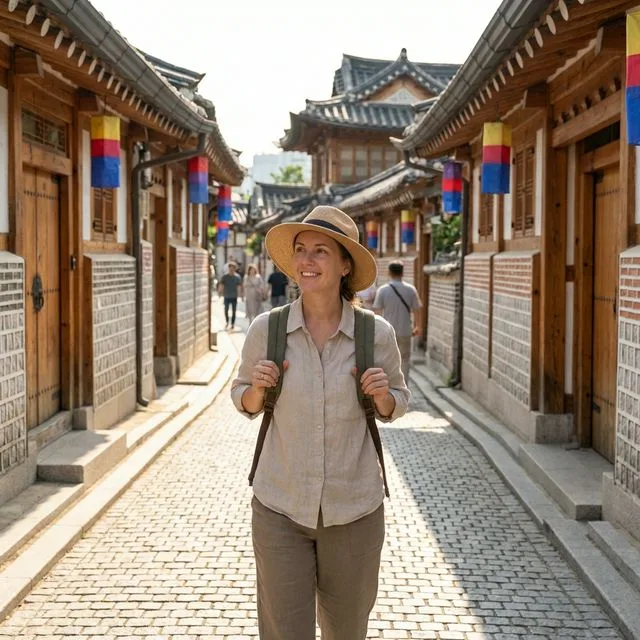
There's a liberating thrill to stepping off a plane into a sprawling, neon-lit metropolis, completely unchaperoned and entirely on your own terms. For solo female travelers, South Korea often hits the absolute sweet spot: it delivers the electric buzz of a hyper-modern Asian capital while maintaining crime rates so remarkably low that you can comfortably walk the brightly lit streets late into the evening. Whether you are aiming to navigate Seoul's legendary skincare boutiques or hike the ancient trails of Gyeongju, Korea is a country that consistently rewards the confident, prepared solo explorer.
Introduction: Why South Korea is the Ultimate Solo Destination
South Korea practically hums with a level of safety that many Western travelers find hard to comprehend. It's an environment where the "cafe culture test"—leaving your laptop and phone completely unattended on a cafe table while you use the restroom—is not a reckless gamble, but a daily norm. For women traveling alone, this baseline sense of security shifts the entire dynamic of the trip. Instead of constantly checking over your shoulder, you can direct your energy outward: toward navigating the immaculate subway system, deciphering menus, and absorbing the vibrant culture.
However, "safe" does not mean "invulnerable." Like any major destination, South Korea has its own cultural nuances and specific logistical challenges that, if ignored, can turn an empowering trip into a stressful one. This guide will equip you with the essential safety tips, highlight the most welcoming destinations, and ensure your solo journey is as fearless as it is unforgettable.
The Reality of Safety in South Korea
Statistically, Seoul consistently ranks among the safest major cities globally. Violent crime is exceedingly rare, and the streets are generally heavily monitored by CCTV cameras.
If you ever find yourself in trouble, hold onto these numbers:
- 112: The direct line to the Police.
- 119: Ambulance and Fire.
- 1330: The Tourist Interpretation Call Center (available 24/7 in English) which can also connect you directly to the Tourist Police.
5 Essential Safety and Logistics Hacks
Mastering a few local systems will drastically elevate your confidence on the ground.
- Master the T-Money Card: This is your golden ticket. It works on subways, buses, and even in convenience stores. The subway system is incredibly clean and efficient. During rush hour, be aware that some lines may designate women-only cars—a helpful feature if you want to avoid the intense crowding. For a full walkthrough of loading and using the card across every city, read our complete T-Money card guide.
- Delete Google Maps, Download Naver Map: Due to security laws regarding North Korea, Google Maps cannot provide walking or driving directions in South Korea. Naver Map is the absolute standard and works flawlessly in English.
- Use Kakao T for Taxis: Avoid flagging down cabs late at night. The Kakao T app (Korea's Uber equivalent) allows you to call a registered taxi, tracks your route, and eliminates the need to negotiate destinations with drivers who may not speak English.
- Stay Connected (eSIM): Free WiFi is everywhere, but having a constant mobile data connection is your ultimate safety net for translation and navigation. Buy an eSIM before you land.
- Papago Over Google Translate: For translating Korean menus or speaking to locals, Naver's Papago app is far superior, especially for understanding Korean honorifics and context.
Navigating the Social Scene Alone
Korea is traditionally a highly communal society where everything—from dining to drinking—is done in groups. But times are changing rapidly.
Demystifying "Honbap" (Solo Dining)
The concept of honbap (a portmanteau of "alone" and "rice") is trending. While in the past, a solo diner might have been met with pitying looks, today, solo dining is completely normalized. Many modern restaurants even have single-seating counters. Pro-Tip: While standard restaurants are easy, Korean BBQ typically requires a minimum order of two portions. Most places will gladly seat a solo traveler if you simply agree to pay for (and eat!) the two-portion minimum.
Nightlife Precautions
If you want to experience Seoul's legendary nightlife in Hongdae or Itaewon, exercise standard international safety protocols. Avoid going to crowded clubs entirely alone; instead, join a reputable pub crawl or meet fellow travelers at your hostel first. Our nightlife safety guide for solo travelers and groups covers all the key precautions and the safest neighborhoods to explore at night. Always guard your drink, as drink-spiking incidents, while not rampant, are a known risk in major nightlife districts worldwide.
Cultural Modesty
While K-Pop idols might wear ultra-short skirts, Korean society generally frowns upon exposed shoulders or low-cut tops. To avoid unwanted stares—especially off the beaten path or when visiting temples and palaces—opting for modest necklines will make you feel much more comfortable.
Top Neighborhoods to Stay in Seoul
Choosing the right basecamp is crucial for peace of mind.
- Myeongdong: The absolute best for first-timers. It is incredibly central, exceptionally well-lit late into the evening, and packed with cosmetic shops and street food. You will feel safe walking back to your hotel here at 10 PM.
- Insadong & Bukchon: Perfect if you prefer a quieter, deeply cultural, and historic atmosphere. It’s sleepier at night but charming and very safe.
- Hongdae: The university district. It’s loud, creative, and packed with young people busking and shopping until late. It's a great spot if you want lively evenings without having to venture far from your accommodation.
The Best Solo-Friendly Destinations Outside Seoul
Don't let the capital hold all your attention. The high-speed KTX train makes exploring the rest of the country incredibly easy.
- Busan: South Korea's second city offers a laid-back coastal vibe. Stay near the bustling Haeundae Beach or explore the vibrant, colorful streets of the Gamcheon Culture Village.
- Jeonju: Known as the food capital of Korea, Jeonju features a stunning, easily walkable Hanok Village. It is incredibly safe to wander and perfect for solo foodies looking to dive deep into traditional cuisine.
- Gyeongju: Often called the "museum without walls," this ancient city is flat, quiet, and easily explored by renting a bicycle. Biking solo past ancient royal burial mounds is a serene and unforgettable experience.
5. 2026 Safety Infrastructure: High-Tech Harmony
By 2026, the South Korean government and city municipalities have introduced several layers of high-tech safety measures specifically designed for solo residents and travelers.
The "Smart Emergency" System
Most public restrooms in major parks and subway stations are now equipped with Voice-Activated Emergency Bells. Instead of needing to reach a physical button, a traveler can simply shout a specific keyword (usually "Salryeo-juseyo!" - Help me!) to trigger an immediate alert to the station office and local police precinct.
Anti-Spy Cam Initiatives
A known concern in Korea has been molka (hidden cameras). In response, by 2026, many tourist hotels and female-only hostels undergo mandatory monthly "Security Sweeps" by professional teams. You can also buy a low-cost "Hidden Camera Detector" card at any Olive Young to check mirrors and smoke detectors in your own accommodation.
Safe-Return Services
In various Seoul districts, there are "Safe Return Scout" services where female volunteers can escort you from the subway station to your accommodation late at night. You can request this service via the Seoul Ansim (Safety) App, which also allows you to share your real-time GPS location with the 24/7 Monitoring Center.
6. The Solo Dining Masterclass: Eating Beyond the BBQ
The fear of being "turned away" from a restaurant is the #1 anxiety for solo travelers in Korea. Here is how to navigate it like a pro in 2026.
The "1-Person" Menu Evolution
In 2026, many traditional restaurants have introduced "1-In-bun" (1 portion) versions of formerly sharing-only dishes. Look for signs that say "Honbap Welcome" (혼밥 환영).
- Dosirak & Bunsik: Neighborhood spots like Gimgane or Kimbap Cheonguk are the ultimate soloist havens.
- Departmen Store Food Halls: Head to the basement of Hyundai Seoul (Yeouido) or Shinsegae (Myeongdong). These luxury food halls are built for efficiency and have countless single-seat counters with high-quality global and local food.
- The BBQ Exception: If you must have BBQ, go during "Off-Peak" hours (2:00 PM – 5:00 PM). Most staff will be more willing to accommodate a single diner when the restaurant is 20% full.
The "Anju" Culture for Soloists
If you want to experience the bar scene without the pressure of a group, look for "Standing Bars" or "LP Bars" in neighborhoods like Hapjeong or Seochon. These spots cater to a more contemplative, individualistic crowd where it’s perfectly normal to nurse a whiskey or a craft beer while reading a book.
7. Finding Safe Community: Naver and Beyond
Traveling alone doesn't mean you have to be lonely. However, the "dating app" scene can be hit-or-miss for those just seeking platonic companionship.
- Meetup.com & Facebook Groups: Groups like "Seoul International Women's Group" or "Solo Female Travelers Korea" are excellent for finding walking tour buddies or dinner companions.
- Language Exchanges: Websites like Munt or Culcom host safe, structured gatherings where you can meet locals and other travelers in a public, supervised setting.
- Female-Only Hostels: Spots like The Stay Sapphire (Myeongdong) or Ladies Only Guesthouse in Hongdae provide a built-in social circle of like-minded women.
8. Emergency Procedures: A Step-by-Step Guide
Even in the safest countries, things can go wrong. Here is your 2026 Emergency Manual.
Scenario A: You Lost Your Phone and Wallet
- Find a Subway Office: Station masters are incredibly helpful and usually have a basic level of English.
- The 1330 Hotline: If you can borrow a phone, call 1330. They can act as an interpreter for the police and help you track your lost items via the national "Lost 112" database.
- T-Money Refund: If you registered your T-Money card online, you can actually freeze the balance and get a refund even if the physical card is gone.
Scenario B: You Need Medical Help
- Pharmacies (Yak-guk): For minor issues, look for the red "Yak" sign. Pharmacists in Korea are highly trained and can provide over-the-counter medication for most common travel ailments.
- International Clinics: Major hospitals like Severance (Sinchon) or Asan (Jamsil) have 24/7 International Healthcare Centers with fluent English-speaking doctors.
Scenario C: You Experience Harassment
- The "Bystander Effect": In Korea, people sometimes hesitate to intervene in public disputes to avoid "loss of face." If you feel uncomfortable, make eye contact and address someone directly. instead of shouting into the air, pull aside a shopkeeper or a subway worker and say "Dowa-juseyo" (Please help).
- The Tourist Police: Recognizable by their navy blue uniforms and berets, they are stationed in Myeongdong, Hongdae, and Itaewon specifically to assist foreigners with any crime-related issues.
9. Frequently Asked Questions (FAQ)
Q: Is it okay to wear leggings in public?
A: Leggings were once considered "underwear" in Korea, but this perception has shifted significantly by 2026. In Seoul and Busan, you can wear them comfortably. However, if you are visiting a rural temple or an older neighborhood, wearing a long shirt that covers the hip area is still a considerate cultural gesture.
Q: Are female-only subway cars still a thing?
A: They exist on certain lines (like Line 2 and Line 9) during extreme rush hour (7:30-9:00 AM). They are not "mandatory," but many solo women prefer them to avoid the intense "sardine-can" crowding.
Q: Will I be stared at?
A: If you have a different hair color or are significantly taller than the average local, you might get some curious glances, especially from the older generation (ajumma and ajusshi). Usually, this is just curiosity. A polite "Annyeong-haseyo" (Hello) and a smile usually dissolves any tension.
10. The Solo Traveler's 2026 Budget Breakdown
Traveling alone can sometimes be more expensive (the "Single Supplement" is real). Here is how to budget for a mid-range solo trip in 2026.
| Category | Daily Cost (KRW) | Pro Tip |
|---|---|---|
| Accommodation | ₩70,000 – ₩120,000 | Stay in "Business Hotels" like Toyoko Inn for consistent quality and safety at a low price. |
| Food & Drink | ₩40,000 – ₩60,000 | Utilize Department Store Food Halls for high-quality, 1-person friendly dinners. |
| Transportation | ₩10,000 – ₩20,000 | Use the subway 90% of the time. Reserve Kakao T for late nights or heavy luggage. |
| Activities | ₩20,000 – ₩50,000 | Focus on free activities like hiking or temple visits to offset the cost of Palaces or Museums. |
| TOTAL | ₩140,000 – ₩250,000 | Roughly $100–$180 USD per day for a comfortable, independent experience. |
11. Managing the "Solo Blues": Mental Health in a Group Culture
South Korea's society is built on groups. Seeing families and couples everywhere can sometimes trigger a sense of "Solo Loneliness."
Finding Your "Third Space"
Koreans are the masters of the "Concentration Cafe". If you feel overwhelmed, head to a "Book Cafe" in Sangsu-dong or a quiet "Tea House" in Seochon. These spaces are designed for silence and individual reflection, making you feel perfectly at home in your own company.
The Power of "Small Talk"
While Koreans may seem reserved, they are incredibly hospitable. Engaging in "Small Talk" with a shop owner or a guesthouse host can provide the social connection you need. Use your Papago app to ask for local recommendations; Koreans love sharing their favorite "hidden spots" with foreigners who show an interest in their specific neighborhood.
The "Spa" Day Reset
If the travel fatigue hits, spend a half-day at a high-end Jjimjilbang (Korean Sauna) like Cimer at Paradise City (Incheon). In these spaces, you are just one of many people dedicated to the art of doing nothing. It is the ultimate solo reset.
Conclusion
Korea is a country that deeply respects order and hospitality. While traveling solely within your own company always requires street smarts and situational awareness, South Korea provides one of the safest, most accommodating environments in the world to do it. By 2026, the intersection of advanced safety apps and a growing "Honbap" culture has made the peninsula more accessible to solo women than ever before. Embrace the solo journey, dive into a bowl of spicy jjigae, and let the Land of the Morning Calm empower your independent spirit. 여러분은 혼자가 아니에요 (You are not alone)—you are simply the CEO of your own adventure.
For general health and emergency preparedness, our Health and Safety Tips for Travelers Visiting South Korea has all the phone numbers and pharmacy tips you'll need. If you're looking to explore the most welcoming neighborhoods and community events, check out our Guide to LGBTQ+ Travel and Inclusive Spaces in South Korea. And before you head out after dark, make sure to review our Nightlife Safety in Korea: Tips for Solo Travelers and Groups for additional district-specific advice first, too.