National Museum of Korea: What to See, Hours & Practical Tips

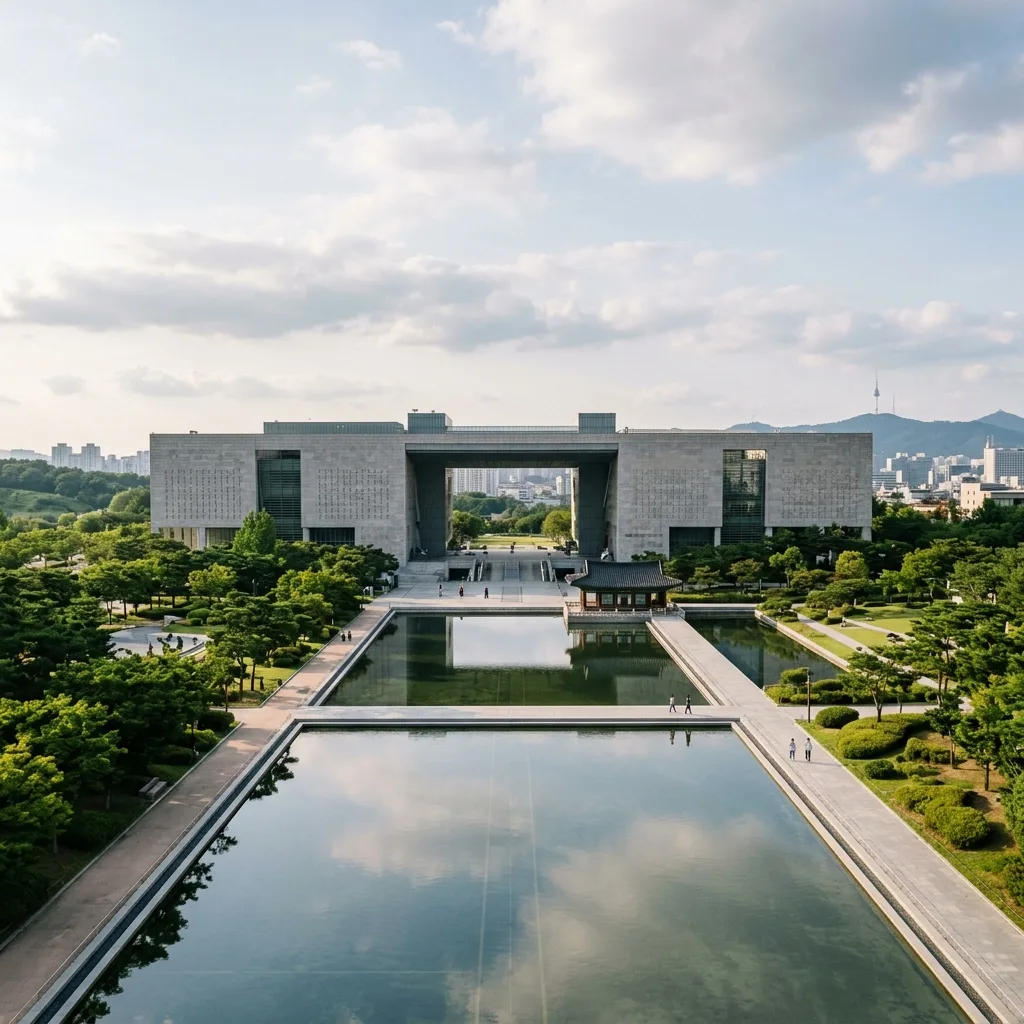
Planning a trip to Seoul in 2026 and looking to immerse yourself in South Korea's rich history and vibrant culture? The National Museum of Korea stands as a monumental gateway to understanding the nation's past, housing an extraordinary collection of artifacts that span millennia. From ancient relics to stunning Buddhist art, this museum offers an unparalleled journey through Korean heritage. But beyond its grand halls, knowing the practical details—like opening hours, admission costs, and how to navigate its vast exhibitions—is key to a truly enriching experience. This guide provides all the essential, up-to-date information you need for a seamless and memorable visit. For a broader exploration of the city, consider consulting The Ultimate Seoul Travel Guide: Where to Stay & What to See.
Unveiling South Korea's Rich Heritage
The National Museum of Korea, located in the heart of Seoul, is not merely a repository of historical artifacts; it is a living chronicle of a nation's enduring spirit, artistic ingenuity, and profound cultural evolution. As the flagship museum of Korean history and art, it offers visitors an unparalleled opportunity to delve into the peninsula's story, from its prehistoric roots to the dawn of the modern era. Its vast collections, meticulously curated and thoughtfully presented, invite contemplation and discovery, making it a must-visit destination for anyone seeking a deeper connection with Korean identity. The museum's strategic location in Yongsan, surrounded by lush parklands, also provides a serene escape from the bustling city, encouraging visitors to spend ample time exploring both its indoor and outdoor treasures.
Exploring the Collections: What Not to Miss
With over 420,000 artifacts, the museum's permanent collection is divided into several thematic exhibition halls, spread across three floors. Each hall is a carefully constructed journey through different periods and aspects of Korean history and art, designed to provide a comprehensive understanding of the nation's cultural trajectory.
Prehistory and Ancient History
This foundational section takes visitors back to the very beginnings of human activity on the Korean Peninsula. Explore artifacts from the Paleolithic Age, including ancient tools and rudimentary weapons, which paint a picture of early hunter-gatherer societies. The Neolithic period introduces finely crafted pottery, such as the comb-patterned ware, signaling the advent of settled agricultural communities. Moving into the Bronze Age, you'll encounter sophisticated bronze implements, ceremonial daggers, and intricate ornaments, reflecting the emergence of more complex social structures and early forms of leadership. The Iron Age showcases the rapid advancements in technology and the flourishing of early kingdoms like Gojoseon, with notable artifacts including iron weaponry and agricultural tools, underscoring the ingenuity and resourcefulness of ancient Koreans.
Medieval and Early Modern History
This expansive section delves into the rich and transformative periods of the Three Kingdoms (Goguryeo, Baekje, Silla), Unified Silla, Goryeo, and Joseon Dynasties. Witness the golden age of Silla, represented by dazzling gold crowns and ornaments from royal tombs, signifying its wealth and sophisticated artistry. The Goryeo Dynasty (918–1392) is renowned for its exquisite celadon ceramics, characterized by their elegant forms and distinctive jade-green glaze, which are prominently displayed. Discover Buddhist scriptures, intricately carved wooden blocks for printing, and relics that highlight the profound influence of Buddhism and Confucianism on Korean society, art, and governance during these eras. The Joseon Dynasty (1392–1897) exhibits a strong emphasis on Confucian ideals, reflected in its scholarly arts, traditional attire, and the rise of various forms of folk painting. This area offers a comprehensive glimpse into the daily lives, beliefs, and artistic expressions of people during these pivotal periods.
Fine Arts I and II (Calligraphy and Painting / Buddhist Sculpture and Crafts)
These galleries are a vibrant testament to the exceptional artistic prowess of Korean artisans and scholars throughout history. Fine Arts I captivates with masterpieces of calligraphy and painting, showcasing the subtle brushwork and profound philosophical depth that defined Korean aesthetic sensibilities. From landscapes that evoke tranquility to portraits that capture individual character, these works reflect the intellectual and artistic pursuits of Korean scholars and literati. Fine Arts II, on the other hand, presents breathtaking Buddhist sculptures, including majestic Buddhas and Bodhisattvas crafted from various materials like gilt-bronze, stone, and wood. These pieces, often adorned with intricate details, exemplify the spiritual devotion and technical mastery of their creators. Alongside sculptures, you'll find an array of intricate metal crafts, delicate ceramics, and exquisite lacquerware inlaid with mother-of-pearl, demonstrating the diverse range of Korean craftsmanship and its evolution over centuries.
Buddhist Art and Relics
A cornerstone of the museum's spiritual collection, this area is dedicated to the profound impact of Buddhism on Korean society and art, which permeated nearly every aspect of life for over a millennium. Visitors can witness masterpieces like the Gilt-bronze Pensive Maitreya (National Treasure No. 78 or 83), a serene and iconic sculpture that embodies the essence of Buddhist contemplation and compassion. Its enigmatic smile and elegant posture have captivated viewers for centuries. Other highlights include sarira reliquaries, which held the sacred remains of revered monks, meticulously crafted stupas (pagodas) used to enshrine these relics, and various Buddhist paintings that trace the religion's evolution and artistic interpretation through different dynasties. This section is essential for understanding the spiritual heartbeat of ancient and medieval Korea and its enduring legacy in the present day. For a deeper understanding of Korea's traditional practices, you might also explore Herbal Medicine and Korean Traditional Healing: What Travelers Should Know.
Donated Works and Asian Art
The museum also proudly displays significant pieces generously donated by individuals and organizations, reflecting the collective effort to preserve and share Korea's rich heritage with the world. These donated collections often bring unique perspectives and rare items that complement the main collections. The Asian Art gallery expands the narrative beyond the Korean Peninsula, presenting a fascinating array of artistic and cultural exchanges between Korea and neighboring Asian countries such as China, Japan, and India. This section helps to illustrate the broader regional context within which Korean culture developed, highlighting periods of both influence and distinct innovation. From ancient Chinese bronzes to Japanese Edo-period paintings, these exhibits reveal the intricate web of interactions that shaped the artistic traditions of East Asia. After immersing yourself in the ancient past, consider a visit to The Ultimate Guide to Traditional Korean Markets and What to Buy to experience a different facet of Korean culture.
Exhibitions and Special Events
Beyond its impressive permanent collection, the National Museum of Korea is a vibrant hub for cultural exchange and learning, frequently hosting a diverse range of special exhibitions and engaging events throughout the year. These temporary exhibits often delve deeper into specific historical periods, artistic movements, or cultural themes, offering fresh perspectives and showcasing rare artifacts that may not be part of the permanent displays. From international collaborations featuring treasures from around the globe to focused explorations of Korean art and archaeology, there's always something new to discover. Be sure to check the museum's official website well in advance of your visit to see what special exhibitions are scheduled during your travel dates. Attending these can significantly enhance your understanding and appreciation of Korean culture. Many special exhibitions require a separate admission fee and may have specific booking procedures, so planning ahead is crucial. The museum also organizes lectures, workshops, and performances that cater to various interests and age groups, providing interactive ways to engage with Korean heritage. Keep an eye out for family-friendly programs, especially if you are traveling with children, as these often offer engaging ways for younger visitors to learn about history and art.
Facilities and Amenities
The National Museum of Korea is designed to offer a comfortable and enriching experience for all visitors, ensuring that every aspect of your visit is pleasant and convenient. The sprawling complex includes numerous facilities to enhance your visit:
- Dining Options: Several cafes and a spacious food court (known for offering traditional Korean fare alongside international options) provide ample opportunities to rest and refuel. Whether you're looking for a quick coffee and pastry or a full meal, you'll find suitable choices on-site.
- Museum Shop: A well-stocked museum shop is the perfect place to find unique souvenirs, high-quality art books, replicas of famous artifacts, and cultural gifts inspired by the vast collections. It's an excellent spot to pick up something memorable to commemorate your visit.
- Children's Museum: A dedicated, interactive space specifically designed for younger visitors, offering hands-on exhibits that introduce Korean history and culture in an engaging and educational manner. Remember that online reservation is mandatory for entry to the Children's Museum.
- Auditorium and Lecture Halls: These modern venues regularly host academic conferences, cultural performances, film screenings, and educational programs, contributing to the museum's role as a center for intellectual and cultural discourse.
- Outdoor Areas: The museum is nestled within a beautiful park, featuring the serene Pagoda Garden, a tranquil pond, and various outdoor sculptures. These areas are ideal for a leisurely stroll, offering serene views and a breath of fresh air, especially on a pleasant day. It's a wonderful place to relax and reflect after exploring the indoor galleries.
- Accessibility: The museum prides itself on being fully accessible to all visitors. It features well-maintained ramps, spacious elevators to all floors, and rentable wheelchairs available free of charge at the information desk. Strollers are also available for families with young children, ensuring everyone can navigate the museum comfortably. Free lockers are provided in the Great Hall for personal belongings, allowing you to explore hands-free and without the burden of heavy bags. Restrooms are conveniently located throughout the museum and are fully accessible.
Practical Guide for Your 2026 Visit
To ensure your visit to the National Museum of Korea is as smooth and enjoyable as possible, here's a detailed breakdown of essential practical information for 2026. Careful planning will help you make the most of your time in this magnificent institution.
Hours and Admission
The museum operates with specific hours that cater to both early birds and evening explorers, allowing flexibility for your itinerary:
- Monday, Tuesday, Thursday, Friday, Sunday: 09:30 AM – 05:30 PM (Last admission at 05:00 PM)
- Wednesday, Saturday: 09:30 AM – 09:00 PM (Last admission at 08:30 PM). These extended hours on Wednesdays and Saturdays are perfect for those who prefer to visit after work or wish to combine their museum trip with an evening activity in Seoul. The Outdoor Exhibition Area (Pagoda Garden) is accessible daily from 07:00 AM to 10:00 PM, offering a serene space for relaxation and reflection before or after your museum visit. Admission to the Permanent Exhibition Hall is completely free. This open access reflects the museum's commitment to making Korean heritage accessible to everyone. The Children's Museum is also free but requires a mandatory online reservation to manage visitor flow and ensure a quality experience for young learners. Special Exhibitions will have varying admission fees, typically ranging from 5,000 to 20,000 KRW, depending on the exhibition's scope, duration, and the rarity of the artifacts displayed. These fees are usually clearly advertised on the museum's website and at the ticketing counter.
How to Get There
The National Museum of Korea is conveniently located and easily accessible via Seoul's efficient public transportation system, making it simple to integrate into your travel plans:
- Subway: The most recommended and convenient way to reach the museum is by taking Seoul Subway Line 4 or the Gyeongui-Jungang Line to Ichon Station (이촌역). Use Exit 2. From there, you'll find a well-marked underground passageway, often referred to as the "Moving Museum," that directly connects the station to the museum entrance. This covered walkway is equipped with moving sidewalks, making for a comfortable and weather-protected walk, which is particularly pleasant during hot summers or cold winters. The journey from central Seoul usually takes less than 30 minutes by subway.
Booking and Reservations
Understanding the booking requirements is key to a smooth visit:
- Permanent Gallery: No prior reservation is needed for individual visitors to the permanent collection. You can simply walk in and begin your exploration during operating hours. However, large group visits might benefit from advance notification.
- Children's Museum: Online reservation is mandatory. This popular attraction operates in 5 timed sessions daily (starting at 09:30, 11:00, 13:00, 14:30, and 16:00), with each session lasting 80 minutes. Due to high demand, especially on weekends and holidays, booking well in advance through the official museum website is highly recommended to secure your preferred time slot.
- Special Exhibitions: Tickets for special exhibitions can be purchased directly on-site at the museum's ticketing counter. For highly anticipated or popular exhibitions, or if you prefer to guarantee entry and avoid potential queues, it is advisable to book online through the museum's official website or authorized ticketing partners like Interpark. Online booking often allows for selection of specific entry times.
2026 Closure Dates
It's crucial to be aware of the museum's planned closure dates for 2026 to prevent any disappointment or disruption to your itinerary:
- January 1: New Year's Day.
- February 17: Lunar New Year's Day (Seollal), a significant traditional Korean holiday.
- September 25: Chuseok (Korean Thanksgiving), another major traditional holiday.
- Maintenance Closures: Historically, the Permanent and Special Galleries typically close on the first Monday of March, June, September, and December for maintenance. As of current information, there is no scheduled closure in March 2026, but always double-check the official website closer to your travel date for any last-minute changes or additional closures that may arise.
Tips & Common Mistakes for First-Time Visitors
Visiting a museum of this scale can be an incredibly rewarding experience, but it can also be overwhelming if not approached strategically. Here are some insider tips to help you maximize your visit and avoid common pitfalls often encountered by first-time visitors.
Plan Your Visit Wisely
Don't try to see everything in one go, especially if you have limited time. The museum is immense, and attempting to rush through all galleries will lead to museum fatigue and an inability to truly appreciate the invaluable artifacts. Prioritize the sections that genuinely interest you most. The official website often provides suggested itineraries based on different time constraints (e.g., 2-hour highlight tour, half-day immersion), or specific interests (e.g., focusing on Buddhist art, or ancient history). Consider downloading the museum's official app for interactive maps and information.
Utilize Free Resources to Enhance Your Learning
Take full advantage of the free resources available to deepen your understanding. The museum offers free audio guides (often available in multiple languages including English, Korean, Japanese, and Chinese) which provide detailed explanations for key exhibits. Additionally, consider joining one of the free docent-led tours offered at various times throughout the day. These tours, led by knowledgeable guides, can provide invaluable context, highlight significant pieces, and offer insights that might be missed when exploring independently. Check the information desk upon arrival for tour schedules.
Prioritize Comfort: Wear Comfortable Shoes
This tip might seem obvious, but it cannot be overstated. You will be doing a significant amount of walking across vast exhibition halls and potentially through the outdoor garden. Comfortable footwear is absolutely non-negotiable for an enjoyable and pain-free museum visit. Leave your fashionable but impractical shoes at your accommodation.
Stay Hydrated and Take Regular Breaks
Exploring such a large museum can be physically demanding. Don't hesitate to take regular breaks to rest your feet and refuel. There are several cafes and a dedicated food court within the museum complex where you can grab a drink, a snack, or a full meal. Staying hydrated is essential, especially during warmer months. These breaks can also be a good opportunity to reflect on what you've seen and absorb the information.
Always Check for Special Exhibitions in Advance
While the permanent collection is a constant highlight, the museum frequently hosts compelling special exhibitions that are often world-class. These temporary exhibits can feature rare artifacts, loan collections from other international museums, or delve into unique cultural themes, offering a different and often more focused perspective on Korean or international art and history. Always check the museum's schedule in advance of your trip. Note that these special exhibitions typically require a separate admission fee and may have limited viewing times or require advance booking, so plan accordingly if one catches your eye.
Common Mistake: Underestimating the Size and Scope
Many first-time visitors underestimate the sheer size of the National Museum of Korea and the depth of its collections. Trying to rush through everything in an hour or two will lead to exhaustion and a superficial understanding. Give yourself ample time – ideally, a minimum of 3-4 hours, or even a full day if you're a history and art enthusiast.
Common Mistake: Forgetting Children's Museum Reservations
If you are traveling with young children and plan to visit the popular Children's Museum located within the complex, remember that online reservations are mandatory. This is a frequent oversight for families, who often arrive assuming they can enter freely, only to be turned away due to no available slots. To avoid disappointment, book your Children's Museum session well in advance through the official website.
Common Mistake: Skipping the Outdoor Exhibition Area
While the indoor galleries are the main draw, don't miss the beautiful Outdoor Exhibition Area, including the Pagoda Garden. This serene space features stone pagodas, lanterns, and other historical artifacts relocated from various sites across Korea. It offers a peaceful environment for a stroll and an opportunity to appreciate larger stone relics in natural light.
FAQ: Your Questions Answered
Q: Is there an admission fee for the National Museum of Korea?
A: Admission to the Permanent Exhibition Hall is completely free for individual visitors, making it an excellent budget-friendly activity in Seoul. Special Exhibitions, however, do have separate fees, which usually range from 5,000 to 20,000 KRW. The Children's Museum is also free but requires a mandatory online reservation to manage visitor numbers effectively.
Q: How much time should I allocate for a visit?
A: To comfortably explore the main highlights of the permanent collection without feeling rushed, we highly recommend allocating at least 3-4 hours. If you are an avid history or art enthusiast, or if you plan to delve deeper into specific collections, visit a special exhibition, or explore the outdoor areas, you could easily spend half a day or even a full day immersed in the museum.
Q: Can I take photos inside the museum?
A: Generally, photography is allowed in the permanent exhibition halls for personal, non-commercial use, but without flash to protect the artifacts. However, it is important to note that some special exhibitions or specific artifacts might have stricter restrictions or be entirely off-limits for photography. Always look for clear signage indicating photography rules, or if in doubt, politely ask a museum staff member.
Q: Are there lockers available for bags and coats?
A: Yes, free lockers are conveniently available in the Great Hall near the entrance for visitors to store their belongings, including bags, backpacks, and coats. Utilizing these lockers allows you to explore the museum hands-free and more comfortably, without the burden of carrying heavy items.
Q: Is the museum accessible for visitors with disabilities?
A: The National Museum of Korea is committed to providing an inclusive experience and is well-equipped to accommodate visitors with disabilities. It features accessible entrances, ramps, spacious elevators to all floors, and rentable wheelchairs available free of charge at the information desk in the Great Hall. Accessible restrooms are also available throughout the premises.
Q: Is there Wi-Fi available at the museum?
A: Yes, free public Wi-Fi is generally available throughout the museum premises, allowing visitors to stay connected, use online resources, or download the museum's official app for enhanced navigation and information.
Q: Are there guided tours available?
A: Yes, the museum offers free docent-led guided tours in various languages, including English, at scheduled times throughout the day. Check the information desk upon arrival or the museum's official website for the latest tour schedules and language options. Audio guides are also available for rent or often free via a downloadable app.
Conclusion
The National Museum of Korea offers an unforgettable journey through the heart of Korean history and culture, serving as a vital institution that preserves and presents the nation's profound heritage. From its expansive collections that narrate millennia of stories, showcasing the ingenuity and spirit of its people, to its thoughtful presentation of art and artifacts, it stands as a beacon for understanding the complexities and beauty of Korea. Armed with the comprehensive practical tips on hours, admissions, accessibility, and navigation provided in this guide, your 2026 visit promises to be not just informative but truly inspiring. So, step into the grandeur of Korea's past, explore its artistic masterpieces, and let its timeless stories unfold before you, making your trip to Seoul an even richer and more memorable experience.