Low-ABV Korea: Non-Alcoholic and Mocktail Options for Sober Travelers

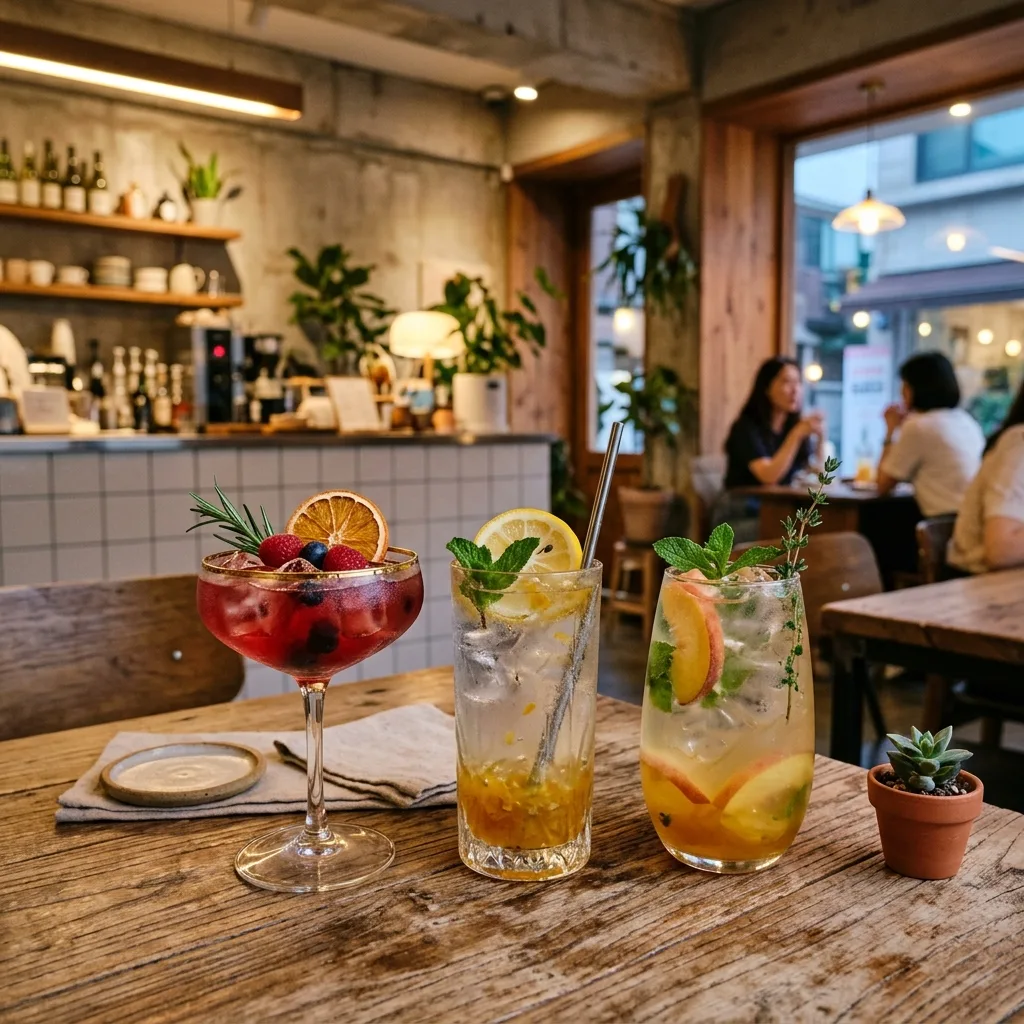
South Korea, a land celebrated for its vibrant nightlife, culinary delights, and a rich social culture often intertwined with drinking, might seem a challenging destination for sober travelers or those looking to reduce their alcohol intake. However, this perception is rapidly changing. In recent years, Korea has witnessed a quiet but significant revolution in its beverage scene, with an increasing number of establishments embracing low-ABV (Alcohol By Volume) and entirely non-alcoholic options. From traditional teas and innovative fruit ades to sophisticated mocktails and alcohol-free craft beers, the country is blossoming into a haven for those seeking delicious and exciting drinks without the buzz.
Navigating South Korea's bustling cities and serene countryside as a sober traveler no longer means compromising on flavor or social experience. The evolving landscape of non-alcoholic beverages offers a refreshing perspective, allowing visitors to fully immerse themselves in Korean culture, savor its unique tastes, and participate in social gatherings with confidence and enjoyment. This guide will explore the diverse and burgeoning world of low-ABV and non-alcoholic drinks in Korea, ensuring your journey is as enriching and delightful as possible, sip by flavorful sip.
The Rise of Non-Alcoholic Culture in Korea: A Refreshing Shift
The global trend towards mindful drinking and healthier lifestyles has firmly taken root in South Korea, profoundly influencing its beverage landscape. Traditionally, alcohol, particularly soju and makgeolli, has played a central role in social gatherings, business meetings, and celebrations, often seen as a cornerstone of social bonding. However, a significant cultural shift is underway. A new generation, coupled with increasing awareness of health and wellness, personal well-being, and a desire for more inclusive social environments, is driving an unprecedented demand for sophisticated non-alcoholic alternatives. This movement is not merely a rejection of alcohol but an embracing of diverse tastes and experiences that prioritize health and conscious consumption.
This paradigm shift has ignited a creative explosion in non-alcoholic offerings, moving far beyond simple sodas and juices. The market now boasts a sophisticated range of beverages meticulously crafted to cater to every palate and occasion. Major beverage companies and independent producers are aggressively expanding their portfolios with innovative new lines. This includes high-quality alcohol-free versions of traditional Korean spirits and fermented drinks, which artfully capture the authentic taste profiles of their alcoholic counterparts without the alcohol content. For instance, brands are now producing alcohol-free makgeolli and soju that offer the familiar flavors and mouthfeel, allowing individuals to partake in traditional drinking customs without intoxication. Furthermore, the availability of international non-alcoholic beers, wines, and spirits has surged, making premium alcohol-free options more accessible than ever in supermarkets, specialty stores, and online. This extensive selection ensures that sober travelers or those exploring mindful drinking can enjoy a rich tapestry of flavors and experiences that authentically reflect Korea’s dynamic culinary scene.
Cafes and upscale bars are also at the forefront of this revolution. They are increasingly curating dedicated mocktail menus, showcasing the burgeoning creativity of Korean mixologists. These beverage artists are adept at blending indigenous Korean ingredients—like fragrant yuzu, tart omija, spicy ginger, and various medicinal herbs—with international mixology techniques to produce visually stunning and complex mocktails. These creations are not merely alcohol-free versions of cocktails but stand as unique, innovative drinks designed for a discerning palate. This cultural shift is therefore not just about avoiding alcohol; it's about embracing a broader spectrum of taste, fostering a more inclusive social environment, and celebrating the art of beverage creation in its own right. It’s an exciting time to be a beverage enthusiast in Korea, with countless new flavors and innovative experiences emerging constantly across the nation.
Traditional Korean Beverages: A Natural Foundation for Sober Exploration
Long before the modern mocktail movement took hold, Korea cultivated a profound heritage of non-alcoholic beverages, deeply woven into the fabric of its history, traditions, and daily life. These time-honored drinks present a delightful and authentic pathway for sober travelers to delve into the country's rich culinary and cultural soul, offering a taste of tradition that resonates with both historical significance and contemporary appeal.
Savoring the Essence of Tea: Insadong's Timeless Tradition
Korean tea culture, though perhaps less internationally acclaimed than its Japanese or Chinese counterparts, holds an equally significant and diverse place in the nation’s ethos. From the delicate, grassy notes of green teas (Nokcha) meticulously cultivated in the fertile, misty fields of Boseong—South Korea's premier tea-growing region—to an extensive array of herbal and fruit-infused concoctions, tea is far more than a mere drink; it is an integral part of daily rituals, social engagements, and moments of quiet contemplation. Traditional teahouses, particularly those gracefully preserved and bustling in historic districts like Seoul's Insadong, provide a tranquil sanctuary. Here, visitors can partake in the meditative art of tea preparation, observe the nuanced ceremonies, and savor unique, often regional, blends. These establishments are ideal for unwinding, experiencing a genuine slice of Korean serenity, and appreciating the aesthetic beauty inherent in tea service. Exploring the intricate nuances of Korean tea varieties—each with its own distinct flavor profile and historical narrative—can be a deeply rewarding and enriching experience for any traveler, offering a serene and quiet counterpoint to the country's often fast-paced urban environment. For a deeper dive into this serene and historically rich aspect of Korean culture, consider visiting the Insadong Teahouses and Traditional Korean Tea Culture for a truly immersive and educational experience.
Beyond the rich tradition of tea, Korea prides itself on a diverse array of other beloved non-alcoholic drinks, each offering a unique taste of the country:
- Sikhye (식혜): This beloved sweet, malty rice beverage is a quintessential Korean refreshment, frequently enjoyed as a digestive aid after meals or as a cooling treat in the warmth of a jjimjilbang (Korean bathhouse). Its distinctive comforting, slightly grainy texture, derived from fermented malted barley and rice, and its delicate sweetness make it a perennial favorite across all ages.
- Sujeonggwa (수정과): A traditional cinnamon punch with a robust kick of ginger, Sujeonggwa is often garnished with a plump, dried persimmon, which adds a chewy texture and natural sweetness. It is exceptionally refreshing and boasts a unique spicy-sweet flavor profile that acts as a superb palate cleanser, particularly after a rich or heavy meal.
- Omija-cha (오미자차): Prepared from the nutrient-rich magnolia berries, Omija-cha is famously known for embodying five distinct flavors simultaneously—sweet, sour, salty, bitter, and pungent. This complex and intriguing taste profile makes it not only a delicious and invigorating beverage but also one that is deeply revered in traditional Korean medicine for its purported health benefits, especially for invigorating the body and aiding circulation.
- Yuja-cha (유자차): A wonderfully fragrant citron tea, Yuja-cha is particularly cherished during the colder winter months. Made from the zest and pulp of the yuja fruit (a type of aromatic citrus akin to a small grapefruit), it is typically served warm, offering a soothing, aromatic, and comforting experience that warms both the body and soul.
- Maesil-cha (매실차): This delightful plum tea, crafted from fermented green plums, presents a harmonious balance of sweet and tangy flavors. Often consumed for its recognized digestive properties, Maesil-cha is also a highly refreshing drink, especially when served chilled, making it a popular choice in warmer weather.
These traditional non-alcoholic options are not niche products; they are staples readily available in a wide variety of settings, including traditional Korean restaurants, modern cafes, bustling markets, and even major convenience stores throughout the country. Their widespread availability provides accessible, authentic, and culturally rich choices for sober travelers seeking genuine Korean beverage experiences.
The Modern Mocktail Movement: Innovation in Every Glass
While Korea’s wealth of traditional beverages provides a deeply rooted and authentic non-alcoholic experience, the country's burgeoning modern mocktail scene is where contemporary innovation truly sparkles. Here, a new generation of mixologists and beverage artisans are wholeheartedly embracing the exciting challenge of crafting complex, multi-layered, and visually spectacular non-alcoholic drinks. These creations are designed not just as alternatives but as sophisticated stand-alone beverages that confidently rival their alcoholic counterparts in depth of flavor and presentation. This vibrant movement is particularly dynamic and influential within Seoul's most trendsetting and cosmopolitan neighborhoods, though its influence is rapidly spreading nationwide.
Seoul's Sparkling Mocktail Scene: A Guide to Creative Sips
Seoul's myriad cafes, stylish lounges, and upscale bars have rapidly evolved into vibrant incubators for unparalleled mocktail creativity. Within these sophisticated venues, travelers will discover an exquisite array of drinks featuring unique and indigenous Korean ingredients, expertly intertwined with global mixology trends. Think of refreshing concoctions highlighting the zesty brightness of local yuzu, the intriguing five-flavor profile of omija, the warming spice of fresh ginger, the subtle bitterness of green plum, and a diverse range of aromatic Korean herbs and seasonal fruits. These local components are skillfully balanced with international flavors and advanced preparation techniques to create beverages that are both familiar and excitingly new. Many establishments take immense pride in their commitment to using only the freshest, locally sourced, and seasonal produce, which results in mocktails that are not only bursting with authentic flavor but are also exquisitely presented, often resembling edible works of art. These sophisticated, zero-proof creations are ideal for those who deeply appreciate the intricate artistry of mixology, the balance of complex flavors, and a refined drinking experience, but prefer to abstain from alcohol for any reason. The sheer breadth of options is truly vast, ranging from vibrant, sparkling fruit ades—perfect for a refreshing pick-me-up—to intricately layered, visually dramatic drinks that promise a delightful surprise and sensory journey with every sip. Exploring these unique beverage spots can be an adventure in itself, guiding you through Seoul's most vibrant districts, revealing hidden alleyway gems, and each offering a distinctive ambiance. To fully optimize your exploration of the capital’s diverse offerings, considering delving into The Ultimate Seoul Travel Guide: Where to Stay & What to See for invaluable tips on navigating the city’s dynamic neighborhoods and discovering its many attractions.
Specialty cafes, in particular, are pioneering this exciting movement. Beyond their extensive coffee programs, many now feature comprehensive non-coffee menus that include house-made fruit syrups crafted from seasonal ingredients, innovative sparkling fruit concoctions, and a growing selection of inventive mocktails. These cafe spaces often boast meticulously designed, aesthetically pleasing interiors, making them ideal for both casual social gatherings, quiet contemplation, or productive work sessions thanks to ubiquitous fast Wi-Fi. Furthermore, a discernible trend sees a growing number of traditional cocktail bars thoughtfully integrating well-developed and creative mocktail selections into their standard offerings. This reflects an astute recognition of the expanding demand from a diverse and increasingly health-conscious clientele, ensuring that everyone can find a sophisticated beverage option tailored to their preference.
Practical Guide to Finding Low-ABV and Non-Alcoholic Options
Identifying and accessing non-alcoholic options in South Korea is becoming progressively easier, though knowing precisely where to focus your search can significantly enhance your travel experience and save you time. The landscape of alcohol-free choices is continually expanding, offering travelers more flexibility than ever before.
Popular Establishments and Chains Where to Find Your Next Sip
- Cafes: South Korea’s cafe culture is legendary, and it’s arguably the easiest place to find excellent non-alcoholic beverages. Virtually all cafes, from sprawling international chains like Starbucks, Twosome Place, and Hollys Coffee to beloved local franchises like Ediya Coffee, and countless independent specialty shops, offer an extensive array of non-coffee options. These typically include a wide variety of teas (both traditional and modern), refreshing "ades" (pronounced ah-deh, referring to sparkling fruit beverages, often made with fresh fruit and soda water), and frequently, seasonal fruit-based drinks. Don't hesitate to explore their seasonal specials, which often feature unique local produce.
- Restaurants: While more traditional Korean restaurants might offer a narrower selection limited to water, sodas, or basic juices, a significant number of modern Korean eateries, fusion restaurants, and international dining establishments, especially prevalent in larger cities, are increasingly expanding their non-alcoholic beverage menus. Many are now thoughtfully including creative mocktails, a broader selection of non-alcoholic beers (both Korean and imported), and even non-alcoholic wines to complement their cuisine. It’s always good practice to politely inquire with your server; you can ask for "eumnyosu" (음료수 - a general term for beverage) or specifically "museup alcol" (무알코올 - non-alcohol) options.
- Convenience Stores (Pyunui점): Convenience stores such as GS25, CU, 7-Eleven, E-Mart24, and Ministop are ubiquitous across Korea and are treasure troves for on-the-go non-alcoholic refreshments. Their shelves are consistently stocked with an impressive and ever-growing assortment of beverages. This includes a vast selection of fruit juices (grape, peach, apple, orange), various types of teas (corn tea, barley tea, green tea, fruit teas), energy drinks, and, crucially for sober travelers, an expanding range of alcohol-free beers. You'll often find popular brands like Cass 0.0, Hite Zero, and various imported non-alcoholic lagers. They also frequently carry sparkling waters and unique Korean health drinks.
- Bars & Pubs: While the primary focus of bars and pubs historically has been alcoholic beverages, there’s a noticeable and welcome shift occurring, especially in trendy, youthful, and cosmopolitan districts. Areas like Hongdae, Gangnam, Itaewon, and Seongsudong in Seoul, and popular spots in Busan and Jeju, are home to an increasing number of establishments that specifically cater to non-drinkers. Look for bars that brand themselves as "craft cocktail" or "mixology" venues, as these are far more likely to invest creativity in their mocktail programs. Some even feature dedicated sections on their menus for alcohol-free options, sometimes termed "zero-proof cocktails" or "temperance drinks."
How to Order and Communicate Your Preference Clearly
Overcoming potential language barriers is key to a smooth experience. Learning a few simple Korean phrases can be incredibly helpful:
- "무알코올 음료 주세요." (mu-al-ko-hol eum-nyo ju-se-yo.) - "Please give me a non-alcoholic drink." This is a polite and direct way to ask for any drink without alcohol.
- "알코올 없는 음료 있어요?" (al-ko-hol eop-neun eum-nyo i-sseo-yo?) - "Do you have drinks without alcohol?" This is a good phrase if you want to know their specific alcohol-free options.
- "논알코올 맥주 있어요?" (non-al-ko-hol maek-ju i-sseo-yo?) - "Do you have non-alcoholic beer?" Use this if you are specifically looking for an alcohol-free beer.
- You can also simply point to a drink on the menu and ask: "이것 무알코올이에요?" (I-geot mu-al-ko-hol-i-e-yo?) - "Is this non-alcoholic?"
In areas frequented by international tourists, many establishments will have English menus, or staff members will understand basic English requests, making communication relatively straightforward. Don't be shy about asking for clarification to ensure your drink choice meets your preferences.
Tips & Common Mistakes for Sober Travelers in Korea
Embarking on a sober travel journey in a new country, particularly one like South Korea with its vibrant and deeply ingrained drinking culture, naturally presents its own unique set of considerations and nuances. Being prepared and informed can significantly enhance your experience and help you navigate social situations with ease and confidence.
Navigating Social Situations and Etiquette
Korean social etiquette places a high value on communal activities, and sharing drinks, particularly soju or beer, is a common and important ritual in many group settings, whether among friends, family, or business colleagues. While the pressure to drink may sometimes feel present, declining alcohol is generally understood, respected, and becoming increasingly common as societal norms evolve. The key is often how you decline. Instead of a flat refusal, being prepared with an acceptable alternative can significantly smooth social interactions. For instance, if everyone is toasting with soju, you could participate with a non-alcoholic beer (논알코올 맥주), a sparkling fruit ade (에이드), or even just water. This allows you to fully engage in the ritual and camaraderie without feeling excluded or compromising your personal choices. Offering to pour drinks for others, a sign of respect in Korean drinking culture, can also help you participate actively without consuming alcohol yourself. For a more comprehensive understanding of local customs and to navigate potential social complexities gracefully, consulting resources like Cultural Etiquette in South Korea: 7 Rules to Avoid Awkward Moments can provide invaluable insights for smoother and more respectful interactions throughout your trip.
Don't Assume, Always Verify: The Evolving NA Scene
The non-alcoholic beverage scene in Korea is dynamic and still rapidly evolving. While progress is significant, it's crucial not to assume that every beverage labeled as "ade" or "juice" is entirely alcohol-free. Some traditional drinks or even modern fruitades might, on occasion, contain a small amount of alcohol through fermentation or as an additive, particularly in smaller, artisanal establishments. Therefore, it’s always best practice and highly recommended to explicitly ask for clarification regarding alcohol content. A quick "무알코올이에요?" (Mu-al-ko-hol-i-e-yo? - Is this non-alcoholic?) can save you from an unexpected surprise and ensure your drink choice aligns perfectly with your preferences. This simple verification step is especially important when trying new or unfamiliar beverages.
Embrace the Unparalleled Cafe Culture
South Korea’s cafe culture is truly unique and stands as a global phenomenon, unparalleled in its diversity, creativity, and sheer ubiquity. For sober travelers, these cafes are an absolute godsend and fantastic spaces to frequent. They offer an almost endless variety of delicious non-alcoholic options that extend far beyond simple coffee and tea. Expect to find meticulously crafted fruit smoothies, inventive sparkling ades, freshly squeezed juices, artisanal herbal teas, and often a selection of house-made mocktails. Beyond the beverages, Korean cafes are renowned for their captivating aesthetics, from minimalist designs to vibrant, themed interiors, providing comfortable, inviting, and often inspiring environments perfect for relaxation, catching up on work with ubiquitous fast Wi-Fi, or engaging in quiet conversation. From charming neighborhood spots to grand, multi-story cafes with panoramic views, there is always a new and exciting cafe to discover, each offering a unique ambiance and a delightful array of sober-friendly choices.
FAQ: Your Sober Travel Questions Answered
Q1: Is it hard to find non-alcoholic beer in Korea? What brands are available?
A1: No, finding non-alcoholic beer in Korea is becoming progressively easier. The market has expanded considerably. You can readily find popular local brands like Cass 0.0 (from Oriental Brewery) and Hite Zero (from HiteJinro) in almost all major convenience stores (GS25, CU, 7-Eleven, E-Mart24) and large supermarkets. Additionally, many larger supermarkets and specialty liquor stores also stock a decent selection of international non-alcoholic beers from brands like Clausthaler, Heineken 0.0, and Erdinger Alkoholfrei. Modern bars and restaurants, particularly in cosmopolitan areas, are also increasing their offerings.
Q2: What are some traditional Korean non-alcoholic drinks I should definitely try?
A2: You absolutely must try Sikhye (식혜), a sweet, malty rice punch that's incredibly comforting and traditional. Sujeonggwa (수정과), a unique cinnamon and ginger punch, offers a refreshing and spicy kick. For teas, Yuja-cha (유자차), a fragrant citron tea, is perfect when served warm, while Omija-cha (오미자차), made from five-flavor berries, offers a complex and fascinating taste experience. Maesil-cha (매실차), a sweet and tangy plum tea, is also a highly recommended refreshing option. These are widely available and offer a true, authentic taste of Korea's beverage heritage.
Q3: Are mocktails widely available in Korea, and where are the best places to find them?
A3: Yes, mocktails are becoming increasingly widespread, especially in urban centers like Seoul, Busan, Jeju, and even cities like Daegu and Gwangju. Your best bet for creative and sophisticated mocktails will be upscale cafes, specialty coffee shops with extensive beverage programs, and trendy cocktail bars. Look for establishments in areas known for their nightlife and modern culinary scenes, such as Hongdae, Gangnam, Itaewon, and Seongsudong in Seoul. Many establishments now feature dedicated "zero-proof" or "non-alcoholic cocktail" sections on their menus, showcasing innovative blends of local ingredients and international techniques.
Q4: How do Koreans typically react if I don't drink alcohol in social settings? Is it considered impolite?
A4: Generally, Koreans are quite understanding and respectful of personal choices regarding alcohol consumption, and it is rarely considered impolite to decline. While alcohol is deeply embedded in certain social rituals, particularly among older generations or in formal business settings, younger generations and those in cosmopolitan areas are increasingly open to non-drinkers. When declining, a polite explanation (e.g., "I don't drink alcohol," or "I prefer non-alcoholic options") is usually well-received. Participating in toasts with a non-alcoholic beverage and actively engaging in conversation can help maintain social harmony without consuming alcohol.
Q5: Can I find alcohol-free versions of traditional Korean alcoholic beverages like Soju or Makgeolli?
A5: Yes, the market for alcohol-free versions of traditional Korean alcoholic beverages is a growing niche. You can indeed find non-alcoholic makgeolli (rice wine) in many larger supermarkets (like E-Mart, Lotte Mart, Homeplus) and specialty Korean food stores. These products are formulated to replicate the creamy texture and characteristic tangy-sweet flavor of traditional makgeolli without the alcohol content. While non-alcoholic soju alternatives are less common than makgeolli, they are also beginning to appear on the market, often in specialty stores or online, catering to those who wish to experience the flavor profile without the alcohol.
Conclusion: Savoring Korea, Sober and Satisfied
Traveling through South Korea without alcohol is not merely possible; it represents a remarkable opportunity to discover a unique, expanding, and incredibly rich dimension of its culinary and social landscape. The nation's evolving beverage scene ensures that every traveler, regardless of their drinking preferences, can fully engage with and appreciate Korea's vibrant culture. From the ancient, serene traditions of its tea ceremonies and the refreshing simplicity of its fruit ades to the contemporary artistry of innovative mocktails and a growing selection of diverse non-alcoholic brews, Korea genuinely offers a wealth of flavorful, inclusive experiences for the sober traveler. Embrace this journey with an open mind and an adventurous palate, explore the dynamic non-alcoholic scene with curiosity, and immerse yourself fully in the profound culture, exquisite flavors, and genuine connections this incredible country has to offer. Your adventure in Low-ABV Korea promises to be exceptionally rich, authentically engaging, and utterly delightful, proving that you can savor every moment, sober and completely satisfied.