Korean Ski Resorts Guide: Best Slopes, Costs & Day Trips from Seoul

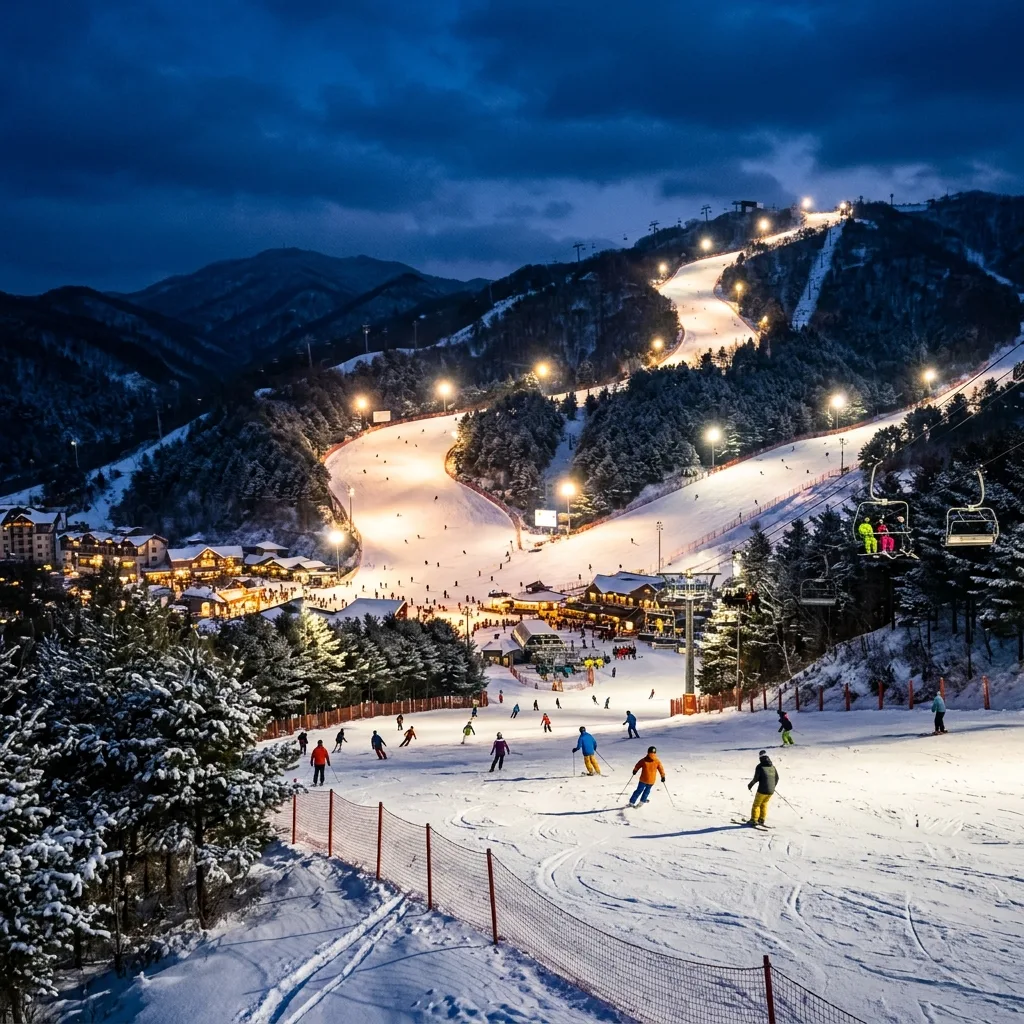
South Korea, often celebrated for its vibrant K-Pop culture, ancient temples, and bustling metropolises, transforms into a winter wonderland when the snow falls. Beyond the urban allure, the country boasts an impressive array of ski resorts, offering everything from gentle beginner slopes to challenging runs for seasoned pros. If you're planning a winter escape in 2026 and dreaming of carving fresh powder without venturing too far from the dynamic capital, you're in the right place. This comprehensive guide will navigate you through the best Korean ski resorts, detailing their unique features, estimated costs, and how to effortlessly plan a day trip (or longer!) from Seoul. Get ready to embrace the chill and discover an exhilarating side of Korea you might not have known existed.
Introduction to South Korean Skiing
South Korea's mountainous terrain, combined with its cold winter climate, creates ideal conditions for skiing and snowboarding. While not as internationally renowned as some European or North American destinations, Korean ski resorts offer excellent facilities, modern lifts, and often a distinctly unique cultural experience. Many resorts are conveniently located within a few hours' drive of Seoul, making them perfect for quick getaways. Furthermore, the infrastructure built for the PyeongChang 2018 Winter Olympics significantly upgraded many of the facilities, ensuring a high-quality experience for all visitors.
Why Choose South Korea for Your Ski Trip?
Korean ski resorts are an excellent choice for a variety of travelers, from families looking for gentle slopes and ski schools to adventure-seekers craving challenging moguls and terrain parks. They often feature well-maintained runs, efficient snow-making capabilities, and a range of amenities including hotels, spas, and diverse dining options. Moreover, many resorts provide English-speaking instructors and services, making them accessible to international visitors. Beyond the slopes, the proximity to cultural attractions and vibrant city life adds another layer of appeal, allowing you to combine your snowy adventures with broader exploration of the country. For those looking to experience a truly unique winter vacation, South Korea presents an compelling option.
Top Korean Ski Resorts: Best Slopes and Features
Choosing the right ski resort depends on your skill level, desired atmosphere, and proximity to Seoul. Here's a rundown of some of the most popular and highly-regarded options:
Yongpyong Resort: The Dragon Valley
Often called the "Alps of Korea," Yongpyong Resort is the largest and oldest ski resort in South Korea, boasting a long history of hosting international competitions, including the Alpine skiing events for the PyeongChang 2018 Winter Olympics. It features an impressive 28 slopes, ranging from beginner-friendly runs like the "Pink" and "Yellow" to the infamous "Rainbow" series, which challenges even expert skiers with its steep gradients. Yongpyong offers modern gondolas, a variety of accommodation options, and extensive facilities, including a water park, golf course, and numerous restaurants, making it a comprehensive destination for families and serious skiers alike.
Alpensia Resort: Olympic Legacy
Adjacent to Yongpyong, Alpensia Resort is another gem that played a significant role in the 2018 Winter Olympics, hosting the ski jumping, cross-country, and biathlon events. While slightly smaller than Yongpyong, Alpensia is known for its European-inspired architecture and family-friendly atmosphere. It offers six slopes suitable for beginners and intermediate skiers, making it an ideal choice for those learning or looking for a more relaxed experience. The resort also features a beautiful concert hall, a convention center, and the InterContinental Alpensia Pyeongchang Resort, providing a luxurious stay. Its compact layout makes it easy to navigate, and the stunning mountain views are a bonus.
Vivaldi Park Ski World: Fun for All Ages
Vivaldi Park Ski World, part of the larger Daemyung Resort complex, is one of the most visited ski resorts in South Korea, particularly popular among young people and day-trippers from Seoul due to its relative closeness. It boasts 12 slopes catering to all levels, with a significant number of intermediate runs and a dedicated "Snowy Land" for children and beginners. Vivaldi Park is also famous for its dynamic atmosphere, lively events, and the Ocean World water park, which provides an excellent off-slope activity. The resort offers various shuttle bus services from Seoul, making access incredibly convenient.
Phoenix Snow Park: Freestyle Haven
Phoenix Snow Park, formerly known as Phoenix Park, was the venue for the freestyle skiing and snowboarding events during the PyeongChang 2018 Winter Olympics. This resort is particularly favored by snowboarders and freestyle skiers, offering an excellent terrain park with various jumps, rails, and halfpipes. It features 22 slopes and 8 ski lifts, with a good mix of beginner, intermediate, and advanced runs. The resort's distinct "Mont Blanc" peak offers stunning panoramic views. Accommodation options range from condominiums to a five-star hotel, and its comprehensive facilities ensure a comfortable and exciting stay.
Konjiam Resort: Closest to Seoul
For those seeking the quickest ski escape from Seoul, Konjiam Resort is an unbeatable choice. Located just an hour's drive from the capital, it's a popular spot for day trips and evening skiing. Konjiam is known for its advanced snow-making system, ensuring optimal snow conditions throughout the season, and its limited entry system helps to manage crowds, providing a more pleasant skiing experience. It offers 9 slopes and 5 lifts, with a good balance for all skill levels. The resort also features a high-quality spa, a botanical garden, and various dining options, perfect for relaxing after a day on the slopes.
Practical Guide to Skiing in Korea
Planning your ski trip involves understanding costs, transportation, and booking options.
Estimated Costs for 2026
Prices for ski resorts in South Korea can vary significantly based on the resort, time of year (peak season vs. off-peak), day of the week, and whether you opt for a full-day or half-day pass. It's important to note that the following are estimated prices for the 2026 season and are subject to change. Always check the official resort websites for the most up-to-date information.
- Lift Passes:
- Full Day (Adult): Expect to pay approximately ₩60,000 - ₩90,000 (roughly $50 - $75 USD).
- Half Day/Night Skiing: Prices typically range from ₩40,000 - ₩70,000 ($35 - $60 USD).
- Children/Students: Often receive discounts, usually around 20-30% off adult prices.
- Equipment Rental (Skis/Snowboard, Boots, Poles):
- Full Day: Around ₩30,000 - ₩50,000 ($25 - $40 USD).
- Clothing Rental (Jacket, Pants): Approximately ₩20,000 - ₩30,000 ($17 - $25 USD).
- Goggles/Gloves: These are usually purchased, not rented, and can cost anywhere from ₩15,000 - ₩40,000 ($13 - $35 USD) depending on quality.
- Lessons:
- Group Lessons: A 2-hour group lesson can cost ₩60,000 - ₩100,000 ($50 - $85 USD).
- Private Lessons: Significantly more expensive, starting from ₩200,000 - ₩300,000+ ($170 - $250+ USD) for a few hours.
- Total Day Trip Cost (excluding food/transportation): For a single adult, a day of skiing including lift pass and basic equipment rental could range from ₩90,000 - ₩140,000 ($75 - $120 USD). Multi-day passes and packages often offer better value.
How to Get There from Seoul
Most major ski resorts offer convenient transportation options from Seoul, particularly during the winter season.
- Shuttle Buses: This is by far the most popular and hassle-free option for day trips or longer stays. Many resorts (like Vivaldi Park, Konjiam, Yongpyong) operate dedicated shuttle services from various pick-up points across Seoul, including major subway stations like Hongdae, Myeongdong, and Gangnam. Booking these shuttles in advance is highly recommended, especially on weekends. Prices usually range from ₩15,000 - ₩30,000 ($13 - $25 USD) for a round trip. Search for "Mastering Seoul's Transport System: Bus Colors, Transfer Discounts, and The Pink Seat" to find more specific information.
- Public Transportation (Bus/Train + Local Bus): For some resorts, a combination of intercity bus or KTX train followed by a local bus or taxi is possible.
- KTX (High-Speed Rail): For resorts in the Pyeongchang area (Yongpyong, Alpensia, Phoenix Snow Park), the KTX Gyeonggang Line offers a rapid connection. You can take the KTX from Seoul Station or Cheongnyangni Station to Jinbu (Odaesan) Station or Pyeongchang Station. From there, free shuttle buses or local taxis are available to take you directly to the resorts. The KTX ride itself is scenic and efficient, typically taking around 1.5 to 2 hours.
- Intercity Buses: Many resorts are also accessible by intercity bus from major bus terminals in Seoul, such as Dongseoul Bus Terminal or Seoul Nambu Terminal. This option is generally more economical than KTX but can take longer, depending on traffic. Once you reach the local bus terminal near the ski resort, you'll likely need to take a local bus or taxi to the resort itself.
- Private Car Rental: Renting a car offers the most flexibility, especially if you're traveling with family or a group and plan to visit multiple locations. However, be prepared for winter driving conditions, potential snow chains, and toll fees. Ensure your rental car has appropriate winter tires and consider purchasing an international driving permit before your trip.
- Tours/Packages: Many travel agencies offer all-inclusive packages that cover transportation, lift passes, equipment rental, and sometimes even lessons. These can be great value and take the stress out of planning. Platforms like Klook and MyRealTrip often have various options available.
Booking Your Ski Adventure
Booking in advance is crucial, especially during peak season (December to February) and on weekends.
- Official Resort Websites: The best place for the most accurate and up-to-date information on lift passes, rentals, and accommodations. Most major resorts have English versions of their sites and often offer online booking discounts.
- Online Travel Agencies (OTAs):
- Klook: A popular platform for booking ski packages, shuttle buses, and day tours. It often has competitive prices and user-friendly booking.
- MyRealTrip: Another excellent Korean-based OTA offering similar services, often with good deals.
- Trazy: Focuses on experiences in Korea, including ski trips and specific day tour packages.
- Hotel Packages: If you plan to stay overnight, check if hotels at the resort offer ski packages that include passes and rentals. Sometimes, these can be bundled with accommodation for a better overall rate.
What to Pack for Your Korean Ski Trip
Beyond your ski gear, what else should you bring to ensure a comfortable and enjoyable trip? For a comprehensive guide to what to pack for any season in South Korea, check out The Ultimate South Korea Packing List (2026 Edition): Don't Forget the Essentials. For your ski trip specifically:
- Warm Layers: Even with rental ski clothing, it's essential to have thermal base layers (tops and bottoms) made of wool or synthetic materials. A fleece or down mid-layer will provide extra warmth.
- Waterproof Outerwear: If you're bringing your own, ensure your ski jacket and pants are waterproof and windproof.
- Accessories: A warm hat (or helmet), waterproof gloves/mittens, a neck gaiter or scarf, and good quality ski goggles are non-negotiable. Disposable hand warmers and foot warmers can be a game-changer on particularly cold days.
- Socks: Several pairs of moisture-wicking ski socks are a must. Avoid cotton socks as they can make your feet cold and wet.
- Casual Warm Clothes: For evenings and off-slope activities, bring warm sweaters, jeans, and comfortable waterproof boots with good grip.
- Sunscreen and Lip Balm: The sun's reflection off the snow can be intense, even on cloudy days. Protect your skin and lips.
- Power Bank: Cold weather drains phone batteries faster, so a portable power bank is highly recommended.
- Basic First-Aid: Small cuts, blisters, or headaches can be easily managed with a personal first-aid kit.
Tips & Common Mistakes for Skiing in Korea
Make the most of your Korean ski trip by avoiding common pitfalls and following insider advice.
Go on a Weekday (if possible)
Korean ski resorts can get extremely crowded on weekends and during public holidays. If your schedule allows, visit on a weekday for significantly shorter lift lines, emptier slopes, and a generally more relaxed experience. This also applies to shuttle buses, which tend to be more frequent and less crowded during the week.
Dress in Layers and Bring Warm Accessories
While rental clothing is available, it might not always be the warmest or most comfortable. Bring your own thermal base layers, a good quality waterproof jacket and pants if you have them, and definitely invest in good quality waterproof gloves, a warm hat, and ski goggles. The Korean winter can be biting, especially on the slopes, so staying warm is paramount.
Consider a Ski Package
Especially for first-timers or those looking for convenience, an all-inclusive ski package can be a lifesaver. These often combine transport, lift passes, and equipment rental, sometimes even with a basic lesson, at a discounted rate. This simplifies your planning significantly and can be more cost-effective than booking everything separately.
Don't Forget the Jjimjilbang Experience
After a strenuous day on the slopes, there's no better way to soothe aching muscles than a visit to a traditional Korean jjimjilbang (public bathhouse and spa). Many resorts, or nearby towns, will have excellent facilities. It's a quintessential Korean experience that perfectly complements a winter sports trip. Imagine relaxing in a hot tub or a sauna, followed by a delicious meal – pure bliss! For more on this, check out our Ultimate Guide to Jjimjilbang.
Book Lessons in Advance
If you're a beginner, lessons are highly recommended. Many resorts offer group and private lessons with English-speaking instructors. Booking these in advance, especially during peak times, ensures you get a spot and can start your skiing journey smoothly.
Hydrate and Fuel Up
Skiing is physically demanding. Remember to stay hydrated by drinking plenty of water throughout the day. Korean resorts offer various dining options, from casual food courts to sit-down restaurants. Don't skip meals – a warm bowl of ramyeon or a hearty kimchi jjigae can be just what you need to recharge.
FAQ: Your Korean Ski Trip Questions Answered
Q1: When is the best time to go skiing in South Korea?
A1: The ski season in South Korea typically runs from early December to late February or early March, depending on snow conditions. January and February usually offer the best snow and coldest temperatures. Early December and late February/early March can be good for fewer crowds and potentially better deals.
Q2: Can I ski if I'm a complete beginner?
A2: Absolutely! All major Korean ski resorts have dedicated beginner slopes, often gentle and wide, perfect for learning. They also offer ski and snowboard schools with qualified instructors. Many resorts have "Snowy Land" or similar zones designed specifically for beginners and children.
Q3: Are there lockers available at the ski resorts?
A3: Yes, most Korean ski resorts provide lockers for rent where you can store your personal belongings, bags, and shoes while you're on the slopes. Fees are usually quite reasonable, often around ₩1,000 - ₩3,000 per use.
Q4: Is it possible to do a day trip to a ski resort from Seoul?
A4: Yes, absolutely! Several resorts, like Konjiam Resort and Vivaldi Park Ski World, are very popular for day trips due to their proximity to Seoul and excellent shuttle bus services. You can leave in the morning, ski all day (or even just for a few hours), and be back in Seoul by evening.
Q5: Do Korean ski resorts have medical facilities on site?
A5: Major ski resorts typically have first-aid stations or medical clinics on site to handle injuries. For more serious incidents, staff can arrange transport to nearby hospitals. It's always wise to have travel insurance that covers winter sports.
Conclusion
South Korea offers an exceptional and often overlooked winter sports experience. From the Olympic-grade slopes of Yongpyong and Alpensia to the vibrant atmosphere of Vivaldi Park and the convenient day-trip option of Konjiam, there's a ski resort to suit every preference and skill level. With modern facilities, efficient transportation from Seoul, and a unique blend of adventure and culture, a Korean ski trip in 2026 promises to be an unforgettable addition to your travel itinerary. So, pack your warmest gear, book your passes, and prepare to glide down the stunning slopes of the Land of the Morning Calm. Your winter adventure awaits!