Health Check-Up Packages in Korea: Where to Get a Full Physical Exam

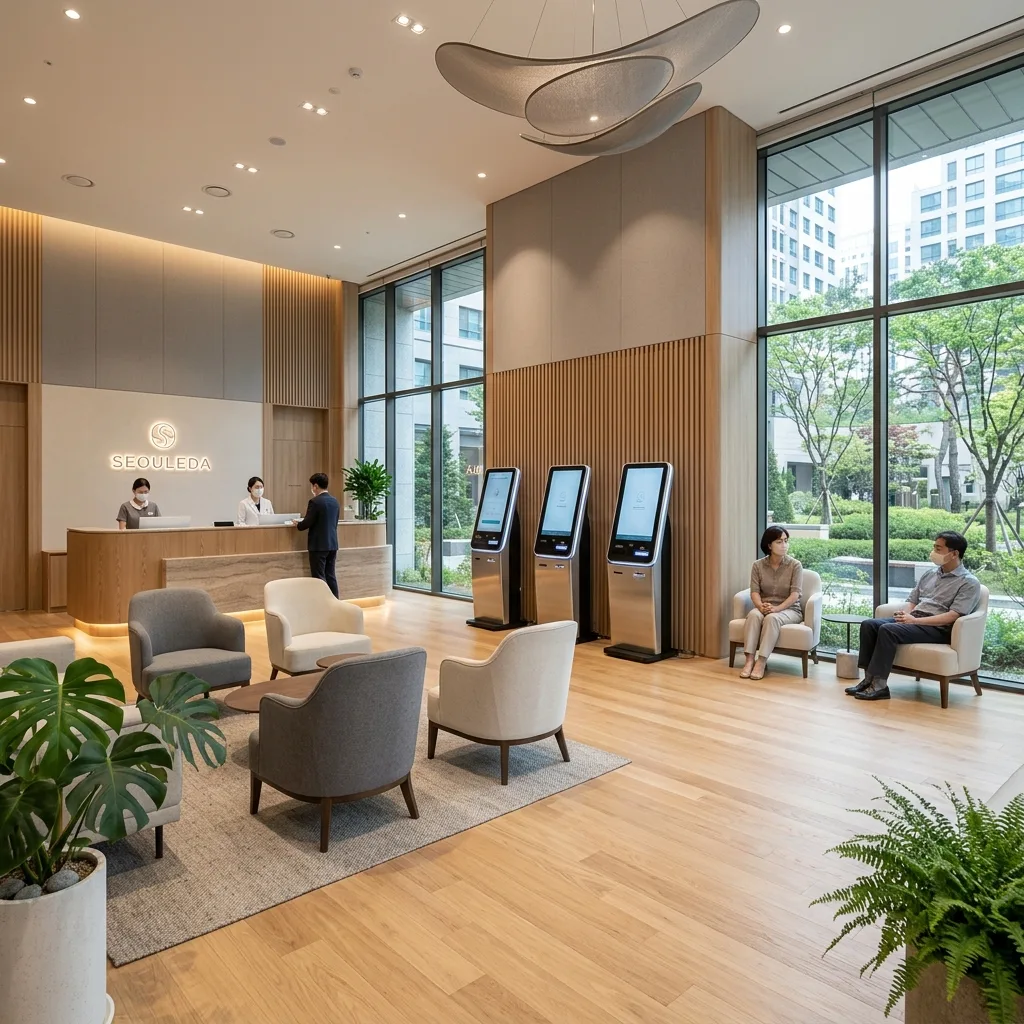
If you are visiting Korea for more than a quick city break, a full physical exam can be one of the smartest non-tourist things you do with your time. The country has a mature screening culture, efficient medical workflows, and a growing number of centers that are comfortable with international visitors. That means you can often complete a same-day health checkup, get interpreted results, and still have time for dinner in Seoul or a quiet recovery walk afterward.
What a health check-up package in Korea actually includes
A Korean health check-up package is usually a bundled screening program rather than a single test. At the basic level, you can expect vitals, blood work, urine tests, chest imaging, and an ultrasound or EKG. Higher-tier packages add endoscopy, CT, MRI, cardiac testing, cancer markers, and specialist consultations, so the scope can range from a half-day baseline exam to a much more extensive full-body evaluation.
The most useful way to think about these packages is not “cheap vs expensive” but “how deep do you want the screening to go, and how much time do you want to spend?” That difference matters because two travelers can both book a “full physical exam” in Korea and end up with very different experiences. One might complete a simple preventive screening before an expat visa renewal. Another might spend most of the day moving through a large hospital’s executive program with multiple imaging rooms, meal breaks, and a follow-up consult.
Why Korea is so popular for medical screening
Korea has built a reputation for fast, organized health screening because the system is designed around prevention as well as treatment. Large hospitals and dedicated screening centers move patients through a fixed workflow, which reduces downtime and makes it easier to fit a large amount of testing into a single visit. For travelers, that can feel surprisingly efficient compared with a traditional hospital visit at home.
There is also a practical travel reason people choose Korea: the country is easy to navigate, English support is increasingly available in major centers, and Seoul in particular has a dense cluster of screening facilities. That makes it possible to schedule a checkup, stay near a metro line, and recover in a neighborhood with restaurants, pharmacies, and hotels close by. If you are already planning a city stay, the trip can fit neatly beside your normal sightseeing days.
Another reason is the price-to-scope ratio. Korea is not “cheap” in the way a budget clinic is cheap, but it often compares favorably with similar preventive packages in North America, Australia, or parts of Europe. In other words, the value comes from how much testing you can complete in a single appointment, not simply from the lowest sticker price. The best packages are the ones that save you time without stripping out the parts of the exam you actually need.
Who should consider a full physical exam in Korea
A full physical exam in Korea makes the most sense for travelers and residents who want a structured preventive screening while they are in the country. That usually includes expats living in Seoul, digital nomads on longer stays, people visiting family in Korea, and travelers who want to use a free day for something practical instead of another museum or shopping trip. It is also useful if you have specific concerns and want a second opinion from a large hospital system.
If you are in the country briefly, you should be realistic about what can fit into your schedule. A basic screening may take only a few hours, but a more comprehensive package can easily occupy most of a day. That is still manageable for a traveler, but it is not something to squeeze between breakfast and a late-afternoon flight. For longer stays, the easiest planning strategy is to treat the checkup as a dedicated “administrative” day and keep the rest of the schedule light.
If you are also thinking about the medical-travel side rather than a simple resident errand, this pairs better with the hub at Medical Tourism in Korea: Clinics, Costs & What Foreigners Need to Know and the visa and insurance FAQ. The same logic applies: a little advance organization saves a lot of stress later.
Where to get a full physical exam in Korea
The best place depends on your priorities. Dedicated screening centers are usually the fastest and easiest for travelers. University hospitals often offer the widest range of tests and specialist backup. Private booking platforms can simplify reservations if you want English support or package browsing. The right option is the one that matches your budget, your comfort with medical settings, and your available time in Korea.
1. Dedicated screening centers: the easiest option for travelers
For many visitors, a dedicated screening center is the cleanest choice. These centers are built for volume, so they know how to handle large numbers of patients without making the process feel chaotic. KMI is one of the best-known names in this space. Its international-facing pages list multiple centers, including Yeouido and Gangnam in Seoul, with operating hours that generally run from 7:00 a.m. to 4:00 p.m. on Monday, Tuesday, Thursday, and Friday, and 7:00 a.m. to 12:30 p.m. on Wednesday and Saturday. Sundays and public holidays are closed.
That schedule is useful for travelers because it lets you finish early enough to rest afterward. KMI’s official English pages also show that the global screening window is typically organized into morning and afternoon arrival slots, which helps keep the flow predictable. The official center pages for KMI Yeouido and KMI Gangnam are straightforward to navigate, and they are a good starting point if you want to compare locations before you book.
Public booking pages currently show the Yeouido standard medical checkup package at about 500,000 KRW, with an estimated duration of 2 to 3 hours on VISITKOREA. Other resellers and booking pages show similar “standard” packages in the same general range, while more advanced or executive options move much higher once you add imaging, endoscopy, or larger test panels. For a traveler who wants a reliable baseline screening, that 500,000 KRW neighborhood is often the most practical entry point.
2. University hospitals: better for deeper screening and follow-up
University hospitals make sense when you want a more clinical environment and a wider menu of tests. They are usually the better answer if you already know you want specialist review, if you have a family history that requires closer attention, or if you prefer the reassurance of a major academic hospital rather than a high-throughput screening center. They can also be a better fit for people whose first language is not English but who are comfortable using translation support or a local contact.
The tradeoff is time and complexity. University hospitals can be excellent, but the reservation process is sometimes less travel-friendly than a dedicated screening center. They may also be more expensive once you add the kinds of tests that make a package feel truly comprehensive. If your trip is short and your only goal is to get a solid preventive checkup, these hospitals are often more than you need. If your goal is a more thorough medical workup, they are often the right answer.
The safest rule is simple: choose a university hospital when you care more about depth than convenience. Choose a screening center when you care more about convenience than depth. That distinction sounds basic, but it keeps people from overspending on a package they do not need or underbooking a package that is too thin for their goals.
3. Booking platforms and facilitators: useful if you want English support
For international visitors, booking platforms can reduce friction. They may offer package comparisons, English-language support, and a clearer view of what is included. That is especially helpful if you do not want to navigate a Korean-only hospital reservation form or if you want a translator arranged in advance. The downside is that third-party platforms may bundle a service fee into the final price, so you should compare the platform rate with the official center page before paying.
This is where travelers should read carefully. A lower headline price is not always a better deal if it excludes a test you will later add as an expensive extra. A package that includes the scan you actually want may be a better value than a cheaper one that leaves you paying separately for the most important items. If you are already traveling on a set itinerary, it is often worth paying a little more for a smoother booking and check-in process.
The important habit is to verify what the package includes, not just what the package is called. “Standard,” “basic,” “premium,” and “executive” do not mean the same thing across providers. One center’s standard package can look very different from another center’s standard package. Compare the actual test list, the fasting requirements, whether sedation is included, and how results are delivered before you commit.
How to choose the right package
The right package depends on age, sex, family history, and how much time you want to spend at the center. A traveler in their twenties who wants a preventive baseline can often do well with a standard package. Someone in their forties or fifties, or anyone with a family history of cancer, cardiovascular disease, or digestive issues, may want a broader package that includes endoscopy, more imaging, or specialist review.
Start with the tests you actually need
The easiest mistake is buying an expensive package because it sounds complete, then discovering that half the tests are irrelevant to your concerns. Before you book, identify the core questions you want answered. Do you want a general wellness baseline? Are you worried about liver function, cholesterol, thyroid, or blood sugar? Do you want cancer screening? Do you need a cardiology-focused check because of a known condition or family history?
Once you know the answer, the package becomes easier to judge. A traveler who simply wants a baseline health snapshot may need only blood work, urine tests, EKG, chest X-ray, and abdominal ultrasound. Someone who wants a deeper diagnostic look may need gastroscopy or colonoscopy, which also adds prep time and recovery time. Matching the package to the question is what keeps the day efficient.
Consider how much fasting and downtime you can handle
Some screening packages are easy to slot into a normal morning. Others require fasting, sedation planning, or extra recovery time afterward. If you are a traveler with a heavy sightseeing schedule, that distinction matters a lot. A checkup that includes sedated endoscopy is not a great match for a day when you still want to wander around Myeongdong in the afternoon. A simpler package, by contrast, may let you get in and out quickly.
If you have never done a large-scale health screening before, the fasting rules can be more annoying than the tests themselves. You may need to avoid food and sometimes water for a set period before blood work or endoscopy. That is manageable, but only if you plan the night before. The worst timing is a late dinner, a rushed commute, and a weak attempt to “just do breakfast after check-in.” Follow the center’s instructions exactly.
Think about where you will stay afterward
Your post-checkup plan matters more than most guides admit. After a health screening, especially if it includes sedation or a heavy blood draw, you will probably want easy transport, a quiet hotel, and nearby food that does not involve long walking or standing. Staying near your appointment location is often worth the extra night rate because it reduces the effort on the morning of the exam and keeps the rest of the day manageable.
If you are booking in Seoul, it helps to pair the center with a neighborhood that is easy to navigate and has plenty of public transit. For that, our The Ultimate Seoul Travel Guide: Where to Stay & What to See is a better match than a generic map app. A calm base in the city makes the whole experience feel less medical and more structured.
Practical guide
This is the part most travelers actually need: how much it costs, when the centers are open, what the day looks like, and how to get there without confusion. The good news is that the process is usually more straightforward than people expect. The bad news is that the details matter, especially if you want English support, same-day results, or a package that includes endoscopy or imaging.
Hours and best booking window
For KMI’s international screening centers, the official English pages currently list regular center hours of 7:00 a.m. to 4:00 p.m. on Monday, Tuesday, Thursday, and Friday, with shorter hours on Wednesday and Saturday, and no service on Sundays or public holidays. The global screening site also notes morning and afternoon arrival windows, which is useful because many travelers naturally want the earliest appointment possible.
If you are trying to fit the exam into a travel itinerary, book the earliest slot you can comfortably manage. Morning appointments are better because they reduce the odds that delays will interfere with the rest of your day. They also make fasting easier, since overnight fasting is simpler than trying to survive an afternoon appointment after sightseeing and coffee stops.
The broader booking rule is to reserve earlier than you think you need to. Screening centers can fill up, especially for English-language programs and for people who want specific add-ons. If your travel dates are fixed, do not assume you can walk in and get the package you want. The most efficient travelers book first and organize the rest of the day around the appointment, not the other way around.
Prices you can expect in 2026
Pricing depends heavily on the scope of the exam, but there are a few useful anchors. Public booking pages currently show the KMI Yeouido standard package at 500,000 KRW for a 2 to 3 hour program. More basic screening packages across the market often begin in the 300,000 to 600,000 KRW range, while broader comprehensive packages commonly move into the 800,000 to 1,500,000 KRW range once more tests are added.
Premium or executive packages can cost significantly more, especially if they include MRI, CT, colonoscopy, gastroscopy, or a large set of specialized tests. That is not a sign that the centers are overcharging; it is usually a sign that you are paying for more equipment time, more specialist review, and more imaging. The real question is whether those add-ons are useful for your age and risk profile.
If you are comparing packages, compare the test list line by line. A 500,000 KRW package that includes the main screening items you need may be a better deal than a 300,000 KRW package that leaves out the one exam you were actually hoping to get. The smartest budget decision is not the cheapest package. It is the package that best matches your health goal.
How to get there
Most major screening centers in Seoul are easy to reach by subway and taxi, which is one reason travelers like them. KMI’s Yeouido center is in the Yeouido business district, and the Gangnam center sits in the Teheran-ro corridor, which means both are located in areas that are already built for office traffic, transit connections, and relatively efficient movement. That makes them easier to reach than a hospital in a less central part of town.
If you are staying in central Seoul, check the nearest subway line first and then compare that with the estimated walking distance from the exit. In practice, this matters more than a slightly cheaper hotel. A center that is one easy metro ride away is better than a cheaper room that requires multiple transfers and a long walk before an early-morning exam.
This is also where a little travel planning pays off. If your checkup day is in Seoul, you can choose a neighborhood that makes the appointment and the recovery phase easier. You do not need a “medical hotel,” but you do want a base that is quiet enough for a fasting morning and close enough for a taxi if you end up carrying paperwork, prescriptions, or a post-sedation headache home afterward.
Booking links and official pages
For KMI, the official English global pages for Yeouido and Gangnam are the safest starting point because they show the center locations and operating hours directly. If you prefer a platform that bundles English support and a more consumer-friendly booking flow, you can compare with public booking pages such as VISITKOREA or a medical booking marketplace. The main rule is to verify the included tests and not assume that all “standard” packages are identical.
When a booking page lists an estimated duration, take that seriously. A 2 to 3 hour package is a very different travel commitment from a half-day or full-day executive screening. If the listing does not state whether fasting is required, ask before booking. If the listing says results are delivered later, clarify the method and timeline. Good screening is efficient, but only if you avoid preventable surprises.
For a traveler, the best booking experience is one where the logistics are boring. You should know where to arrive, what time to arrive, whether you need to fast, how long you will stay, and how your results will reach you. If those answers are unclear, keep looking.
Tips & common mistakes
People usually make the same handful of mistakes when booking a medical checkup abroad. The first is assuming every package includes the same tests. The second is booking a late appointment and then realizing they were supposed to fast overnight. The third is planning a heavy sightseeing day after the exam, which is a bad idea if the package includes sedation, multiple blood draws, or anything physically tiring.
Do not choose based on the name alone
“Basic,” “standard,” and “premium” are labels, not guarantees. One center’s standard package may include a chest X-ray and abdominal ultrasound, while another center’s standard package may have more or less. Read the test list, not the package name. This is the single most important comparison step, and it is the one most people skip because the marketing language looks reassuring.
Do not book a full day of activities afterward
Even if the appointment itself is only a few hours, your body may not feel like doing much afterward. If you had fasting, sedated testing, or a lot of blood drawn, you may feel light-headed or simply tired. Plan for a calm meal, a return to the hotel, or a very slow neighborhood walk. This is not the day for a packed café crawl or a steep hike.
If you want a relaxing recovery plan after the exam, Korea gives you many options. A quiet cafe, an easy riverside walk, or even a low-key spa visit can be a better follow-up than a second appointment. If a jjimjilbang is on your list, read our Korean Spa Etiquette: Do’s and Don’ts for International Visitors before you go so you do not turn a recovery day into a social error.
Bring the right documents and stay organized
Bring your passport, booking confirmation, and any documentation the center requests in advance. If you have prior test results, medication lists, or a history of specific conditions, bring those too. The more organized you are, the easier it is for the staff to understand what you need and for the doctor to interpret anything unusual. Translation is much easier when the source documents are clear.
It also helps to keep your phone charged and your reservation details accessible offline. Do not rely on a weak roaming connection in the lobby when you are trying to find a confirmation email or a map pin. Printouts are not always necessary, but they can be helpful if you are moving between locations and want to avoid last-minute friction.
Know when to ask for a narrower package
The best package is not always the biggest one. Travelers sometimes buy a huge executive screen when they really want a concise baseline exam. Unless you have a medical reason to go broader, the simplest effective package is often the smartest. That leaves you with less fasting, less waiting, less chance of confusion, and a lower total bill.
If you are new to Korea and trying to combine practical tasks with travel, a lighter package is often a better fit for the first trip. You can still see the city, eat well, and keep the logistics simple. As a bonus, a clean baseline screening gives you a reference point for future trips or follow-up care elsewhere.
FAQ
Is a health checkup in Korea worth it for travelers?
Yes, if you want a structured preventive exam and can dedicate part of a day to it. Korea’s screening centers are efficient, and the package model makes it easier to complete multiple tests in one visit. It is especially useful for expats, digital nomads, and longer-stay travelers who want to use their time in Korea for something practical.
How long does a full physical exam take?
A basic screening can take a few hours, while a more comprehensive package can take most of a day. KMI’s public listing for the Yeouido standard package currently shows a 2 to 3 hour estimate, but add-ons like endoscopy or imaging can extend the total time. Always check the package duration before booking.
Do I need to fast?
Often, yes, especially if the package includes blood work or endoscopy. The exact fasting rule depends on the center and the package. Some screenings require you to avoid food after midnight or for a set number of hours before the exam. Follow the center’s instructions carefully because fasting requirements are the easiest thing to overlook and the easiest thing to get wrong.
Can I get English support?
At major screening centers in Seoul, usually yes, at least to a workable degree. KMI’s global screening pages are designed for international patients, and many booking platforms also advertise English support. That said, the level of hand-holding varies, so it is still wise to confirm support at the specific center and for the specific package you want.
Which area in Seoul is best for a checkup base?
Any area with easy subway access and a calm hotel works, but Yeouido and Gangnam are both practical because they have strong transit links and lots of nearby amenities. Choose the neighborhood that fits your appointment time and your recovery style. If you want a more detailed sense of where to stay in the city, use our The Ultimate Seoul Travel Guide: Where to Stay & What to See as a planning companion.
Can I combine the appointment with normal sightseeing?
You can, but keep the rest of the day light. A basic screening may leave enough energy for a quiet lunch or a slow café visit, but you should not plan a marathon of shopping, nightlife, or long transit hops. A checkup day goes much better when you treat it like a practical errand plus recovery, not a full tourist agenda.
Conclusion
A full physical exam in Korea works best when you treat it like a travel logistics task, not a spontaneous add-on. Decide what you actually want to screen, choose the center that matches your comfort level, and book early enough to get the time slot and language support you need. For many travelers, KMI-style screening centers are the easiest starting point because they are built for efficiency and are used to international visitors.
The current 2026 picture is encouraging: official center hours are predictable, standard packages are clearly described, and public booking pages show that a real baseline screening is still reasonably accessible. If you want a simple, reliable option, start with a standard package and build up only if your health history suggests you need more. If you want the smoothest trip, stay near your appointment, keep the rest of the day quiet, and treat the screening as one more high-value thing you did well in Korea.
If you are planning a longer stay, combine the appointment with practical travel reading, choose your neighborhood carefully, and make the post-checkup day easy on yourself. Good medical travel is mostly good sequencing. Get that right, and a health screening in Korea can be one of the most efficient errands in your whole itinerary.
If you want to keep planning inside the same topic cluster, the best next reads are the medical tourism hub, the Gangnam medical district guide, and the hospital interpreter services guide. Those help you decide where a checkup fits in a larger Korea treatment itinerary.