Guided K-Drama Tours vs. DIY Travel in South Korea: A 2024/2025 Fan Guide

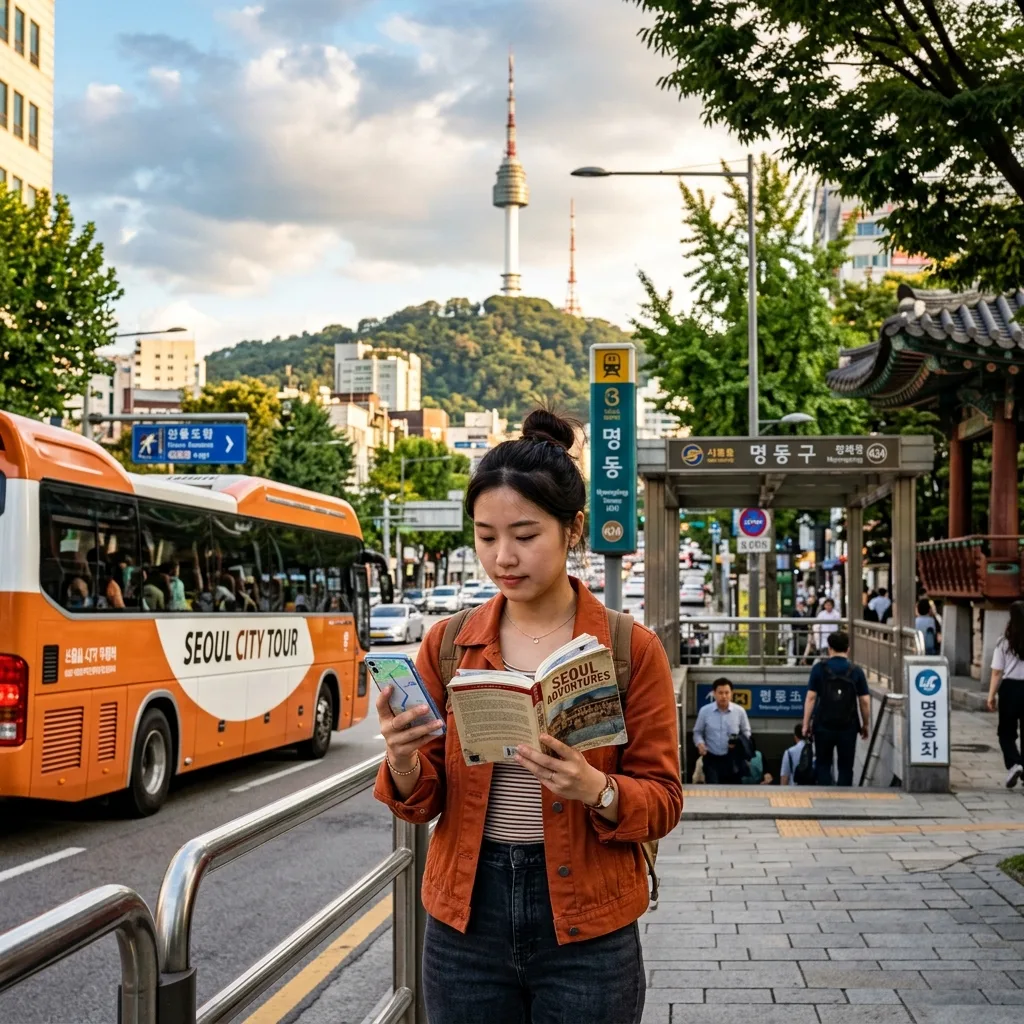
South Korea has captivated hearts worldwide with its compelling K-Dramas, transforming picturesque landscapes and bustling cityscapes into iconic backdrops for romance, intrigue, and heartwarming narratives. For dedicated fans, visiting these filming locations isn't just a trip; it's a pilgrimage, a chance to step into the world of their beloved characters. As you plan your ultimate K-Drama adventure for 2024 or 2025, a pivotal question arises: should you opt for a structured, guided K-Drama tour, or embrace the exhilarating freedom of a DIY journey? Both avenues promise an unforgettable experience, yet they diverge significantly in terms of convenience, cost, flexibility, and the depth of immersion into South Korea's vibrant culture and its dramatic history. This comprehensive guide will meticulously weigh the pros and cons of each travel style, arming you with the latest information on costs, logistics, and visa requirements, ensuring you make the best choice for your K-Drama dreams.
Navigating the choice between a guided K-Drama tour and independent DIY travel in South Korea largely depends on your budget, desired autonomy, and comfort with local navigation. Guided tours offer a stress-free, expertly curated experience, while DIY travel provides maximum flexibility and a chance for deeper, personalized exploration.
Guided K-Drama Tours: The Seamless Pilgrimage
Guided K-Drama tours are meticulously crafted for travelers who prioritize a hassle-free and comprehensive experience, where the majority of travel logistics, from transportation to itinerary planning, are expertly managed. This approach is particularly appealing to first-time visitors to South Korea or those who prefer to minimize the complexities of independent navigation in a foreign country. These tours often boast structured itineraries that efficiently cover multiple filming locations, making them an excellent option for those with limited time or a desire to see as much as possible without the burden of planning every detail.
Pros of Guided Tours
The allure of guided K-Drama tours lies in their unparalleled convenience. Imagine stepping off your flight, knowing that every aspect of your journey—from airport transfers to daily excursions, and often even meals and entrance fees—is pre-arranged. This eliminates the stress of coordinating transportation, deciphering local maps, or facing potential language barriers, allowing you to fully relax and immerse yourself in the K-Drama experience.
Moreover, guided tours come with the invaluable asset of expert guides. These professionals are not just navigators; they are storytellers, offering rich insights into K-Drama culture, sharing fascinating filming anecdotes, and providing historical and cultural context that might otherwise be missed. Their expertise can bring locations to life, offering a deeper appreciation for the narratives that unfolded there. Many guides possess an encyclopedic knowledge of various dramas, helping you connect scenes to their real-world counterparts.
One of the most significant advantages, especially for avid K-Drama fans, is the accessibility to remote sets. South Korea’s diverse landscapes often mean that iconic filming locations are scattered across the country, from the tranquil seaside villages of Gangwon Province (think Hometown Cha-Cha-Cha's Pohang) to historical fortresses far from major urban centers. Public transportation to these more secluded spots can be complex, time-consuming, or even non-existent. Guided tours, particularly those utilizing private car charters, can efficiently whisk you away to these hard-to-reach destinations, maximizing your time and ensuring you don’t miss out on those coveted, off-the-beaten-path locations.
Finally, the booking simplicity of guided tours is a major draw. A single booking often covers a comprehensive package of services, streamlining the entire planning process from start to finish. This consolidates costs and logistics, providing peace of mind and freeing you to focus on the excitement of your upcoming journey.
Cons of Guided Tours
While highly convenient, guided tours do come with certain trade-offs. The primary drawback is often cost. Guided K-Drama tours are generally more expensive than independent DIY travel, especially when considering multi-day packages that include accommodation, meals, and specialized experiences. The premium reflects the convenience, expertise, and logistical support provided, but it can be a significant factor for budget-conscious travelers.
Another key limitation is flexibility. Tour itineraries are fixed and rigidly structured, leaving little to no room for spontaneous exploration, impromptu detours, or extended stays at a particularly beloved filming location. If you discover a charming cafe near a drama set and wish to linger, a guided tour's schedule will likely prevent it. This can be frustrating for travelers who prefer to follow their whims or spend more time soaking in a specific atmosphere.
Furthermore, you will be part of a group, which means adhering to a collective pace. This can feel either rushed if you prefer a slower, more contemplative travel style, or slow if you are eager to move quickly between sites. Group dynamics can also influence the overall experience, and not all travelers enjoy constant companionship. The shared experience can be wonderful, but it does mean compromising on individual preferences.
Cost Estimation (Per Person, 2024/2025)
Pricing for K-Drama tours in South Korea in 2024 and 2025 remains varied, influenced by tour duration, exclusivity, and inclusions.
- Standard Day Tours (e.g., Nami Island, Petite France): Expect to pay approximately $50–$110 USD. These typically include round-trip transportation from Seoul, entrance fees to multiple attractions, and sometimes a simple lunch. Popular choices often combine several nearby K-Drama sites into a single day trip.
- Specialized Tours (e.g., specific drama location tours, MBC Insider Tour): These range from $90–$150 USD. Such tours might offer unique access to studio facilities, focus on a particular drama's filming spots (e.g., Goblin, Crash Landing on You), or include themed experiences like K-Pop agency visits.
- Private Car Charters (for 3-4 people): For ultimate flexibility within a guided structure, private car charters are an excellent option, costing around $200–$350 USD per day. While seemingly higher, this can be cost-effective for small groups, offering a dedicated driver-guide and the ability to customize the itinerary on the fly. This option is particularly efficient for reaching remote locations that are poorly served by public transport.
- Multi-Day Luxury Packages: Comprehensive 5-7 day tours, often covering multiple cities like Seoul, Busan, and Jeju Island, can range from $1,500 – $4,000+ USD per person (excluding international flights). These high-end packages typically include premium accommodation, domestic travel, and exclusive experiences.
Booking Tips for Guided Tours
To ensure a smooth and satisfying experience, consider the following booking tips:
- Book well in advance, especially if you're traveling during peak seasons (spring cherry blossoms, autumn foliage) or for highly popular tours. This secures your spot and often provides better pricing.
- Read reviews thoroughly. Pay attention to comments about the guide's knowledge, the group size, the pace of the tour, and the quality of transportation to ensure it aligns with your expectations.
- Verify what's included and excluded. Confirm if transportation, meals, all entrance fees, and the guide's language are covered to avoid unexpected costs. Some tours might exclude meals or specific activity fees.
- Consider private car charters if budget allows and you desire more control over your schedule while retaining the convenience of guided transportation. This is ideal for families or small groups who want a customized K-Drama itinerary.
DIY K-Drama Travel: The Adventurous Expedition
Independent K-Drama travel, often referred to as DIY (Do-It-Yourself) travel, offers an unparalleled degree of freedom and the opportunity for a deeply personal exploration of South Korea. This approach allows you to craft an itinerary that perfectly matches your interests, pace, and budget, fostering a more authentic and immersive experience with local culture. It’s ideal for the adventurous spirit who enjoys meticulous planning and solving travel puzzles on the go.
Pros of DIY Travel
The most compelling advantage of DIY travel is flexibility and freedom. You are the master of your itinerary, deciding precisely which K-Drama locations to visit, how long to spend at each, and when to move on. Want to revisit that charming cafe from Descendants of the Sun or spend an entire afternoon wandering through a traditional market featured in a historical drama? With DIY travel, you can. This autonomy allows for spontaneous decisions, deeper dives into specific interests, and the chance to truly dictate the rhythm of your trip.
Furthermore, DIY travel is often significantly more cost-effective than guided tours. By independently selecting your accommodation, dining, and transportation options, you can tailor your choices to fit your budget, from staying in cozy guesthouses and enjoying delicious street food to utilizing South Korea's efficient and affordable public transportation network. This control over expenses means your K-Drama pilgrimage doesn't have to break the bank.
Perhaps the greatest reward of independent travel is the authentic experience it offers. By navigating on your own, you're more likely to interact with locals, discover hidden gems off the main tourist circuits, and gain a more genuine understanding of daily life in South Korea. These unscripted encounters and unexpected discoveries often become the most cherished memories of a trip, providing insights far beyond what any guided tour can offer.
Cons of DIY Travel
The freedom of DIY travel comes with the significant responsibility of planning effort. Independent K-Drama enthusiasts must invest considerable time in researching transportation routes, booking accommodation, planning daily itineraries, and understanding local customs. This can be a daunting task, especially for those unfamiliar with South Korea's geography, language, or public transport systems.
Transit challenges can also arise. While South Korea boasts an exceptionally well-developed public transportation infrastructure, reaching very remote K-Drama locations—such as specific natural landscapes in Jeju Island, mountainous areas in Gangwon-do, or rural historical sites—might involve complex combinations of buses and trains, multiple transfers, or even expensive taxi rides for the "last mile." Google Maps, while useful globally, is less effective for public transport in South Korea; apps like Naver Map or Kakao Map are essential, but require some familiarity.
Lastly, while many major tourist areas offer English support, a language barrier can occasionally pose challenges, particularly outside of Seoul or popular tourist destinations. While translation apps are helpful, being able to communicate basic needs or ask for directions can sometimes be difficult, adding a layer of complexity to independent exploration.
Cost Estimation (Per Person, Per Day, 2024/2025, excluding international flights)
A DIY trip to South Korea offers considerable flexibility in managing your budget. Here’s an estimated daily breakdown for 2024/2025:
- Accommodation:
- Budget (Hostels/Guesthouses): $25–$45 USD per night
- Mid-Range (Hotels/Airbnbs): $50–$90 USD per night
- Average: $35–$80 USD
- Food:
- Budget (Street Food/Local Eateries): $15–$30 USD
- Mid-Range (Restaurants/Cafes): $30–$50 USD
- Average: $20–$40 USD (local meals can be as low as $6–$8 for basic dishes, while themed cafes or more upscale dining will be higher).
- Local Transport (Seoul): $5–$10 USD per day using a T-Money card. Consider the Seoul Climate Card for unlimited rides in Seoul; for 2024/2025, short-term options include:
- 1-Day Pass:
5,000 KRW ($3.7 USD) - 2-Day Pass:
8,000 KRW ($6 USD) - 3-Day Pass:
10,000 KRW ($7.5 USD) - 5-Day Pass:
15,000 KRW ($11 USD) - The 30-day pass is more for residents, but short-term options provide excellent value for intensive sightseeing.
- 1-Day Pass:
- Intercity Transport (KTX/Buses): Approximately $40–$60 USD for a round trip between major cities (e.g., Seoul to Busan or Gyeongju). KTX (Korea Train eXpress) is faster but pricier; intercity buses are a budget-friendly alternative.
- Activities/Entrance Fees: $10–$30 USD per day (e.g., Hanbok rental ~$15, palace entries ~$3, museum admissions varying).
Estimated 7-day DIY trip (Seoul & surrounding areas, excluding international flights): An average budget could range from $600–$900 USD, depending heavily on accommodation and dining choices.
Planning & Transit Tips for DIY Travel
Successful DIY K-Drama travel relies heavily on effective planning and smart use of local resources.
- Essential Navigation Apps: Download and familiarize yourself with Naver Map or Kakao Map before your trip. These are indispensable for accurate navigation and comprehensive public transport information in South Korea, far surpassing Google Maps' capabilities here. Additionally, Papago is highly recommended for real-time translation to bridge any language gaps.
- Mastering the T-Money Card: Your Key to Korea's Transit (and More): This rechargeable smart card is a must-have. Purchase it upon arrival at any subway station or convenience store and top it up frequently. It allows for seamless payments on subways, buses, and even some taxis and convenience stores across the country.
- KTX/Intercity Buses: For long-distance travel, book KTX train tickets in advance, especially during holidays or peak travel times, through the KORAIL website or app. Intercity buses are a more economical, albeit slower, alternative.
- Accommodation: Book your accommodations early, particularly if you have specific preferences like a traditional hanok stay or a hotel in a popular neighborhood like Hongdae or Myeongdong.
- Research Remote Locations: For K-Drama sites that are particularly remote, conduct thorough research on local bus routes, consult blogs from other travelers, or be prepared to combine public transport with a short taxi ride for the "last mile." Consider hiring a local driver for a day if a specific remote location is a high priority and public transport is too complex.
- Battle of the Cards: K-Pass vs. Climate Card vs. T-Money (for 2024/2025): If your itinerary primarily focuses on extensive travel within Seoul, investigate the short-term options for the Climate Card. It can offer significant savings and convenience for unlimited public transport (subway and bus) for its duration, especially for intensive sightseeing.
Comparison: Guided Tours vs. DIY
Making the right choice for your K-Drama journey involves a careful evaluation of various factors. Here's a concise comparison:
| Feature | Guided K-Drama Tours | DIY K-Drama Travel |
|---|---|---|
| Cost | Higher (Avg. $50-150/day/person; Private $200-350+/day for group) | Lower (Avg. $80-130/day/person, excluding international flights) |
| Transit Convenience | Fully managed, often door-to-door, no navigation effort | Requires self-navigation, use of local apps, public transport planning |
| Remote Sets Access | Excellent, efficient transportation arranged, expert-led | Can be challenging, requires careful planning/local taxis or private hire |
| Flexibility | Low, fixed itinerary, group pace | High, completely customizable, self-paced |
| Planning Effort | Low (pre-arranged) | High (significant research required) |
| Local Immersion | Limited, often group-focused, less spontaneous interaction | High, greater opportunity for local interaction and discovery |
| Language Barrier | Minimal (guide assistance) | Potential challenge (translation apps are crucial) |
| Visa/Entry Concerns | Often advised by tour operators | Requires individual research and adherence to current K-ETA/e-Arrival rules |
2024/2025 K-Drama Fan Preferences & Trends
The landscape of K-Drama fan travel is continually evolving, with recent trends highlighting a shift towards more personalized and immersive experiences in 2024 and 2025. This allows travelers to engage with their favorite dramas on a deeper, more authentic level.
- Experiential Tourism: Fans increasingly desire to "live" a scene rather than just visit a location. This includes participating in activities like wearing drama-inspired traditional Hanbok, sampling specific street foods from iconic markets (e.g., Gwangjang Market from Running Man or various food scenes), or even getting K-beauty makeovers or visiting K-pop dance studios seen on screen. The goal is to feel a part of the drama's world.
- Rural Shift and Regional Exploration: While Seoul remains a central hub, there's a growing interest in exploring coastal cities (like Pohang for Hometown Cha-Cha-Cha or Busan for Fight For My Way) and historical sites beyond the capital. Destinations in Gangwon Province, Jeju Island, and Gyeongju are gaining popularity, moving away from purely city-centric itineraries and showcasing South Korea's diverse regional charm.
- Instagrammability and Photo Zones: Locations with striking "photo zones" continue to be incredibly popular. Fans seek out iconic spots like the Starfield Library, Jumunjin Beach (the famous bus stop from Goblin), or picturesque cafes to recreate memorable drama scenes and capture shareable content for social media.
- Behind-the-Scenes Access and Hallyu Integration: There's a rising demand for unique experiences that offer a glimpse behind the curtain of the Korean Wave. This includes K-Pop dance classes, K-Drama studio visits, or authentic "Pocha" (street food tent) dining experiences, allowing fans to connect with the broader Hallyu culture. Many tours now integrate K-Pop elements, offering agency visits or themed experiences.
These emerging trends underscore that while guided tours offer efficiency in reaching diverse locations, DIY travel often provides the necessary flexibility to truly personalize these immersive experiences and cater to specific drama-related passions, allowing for deeper engagement with the unique aspects of Korean culture that K-Dramas portray.
Navigating South Korea: Essential Visa & Entry Requirements for 2024/2025
For your K-Drama pilgrimage to South Korea in 2024 and 2025, understanding the latest visa and entry requirements is paramount. Policies have been updated to encourage tourism, so it’s crucial to be aware of the current regulations.
K-ETA and Visa Exemptions (Extended)
To streamline entry and boost tourism, South Korea has extended its temporary exemption from the Korea Electronic Travel Authorization (K-ETA) for nationals from 22 specific countries and regions. This exemption, originally set to expire in 2024, has been prolonged until December 31, 2025, and for some nationalities (like U.S. citizens), potentially through 2026. This means if you are from countries such as the United States, Canada, the United Kingdom, Japan, Singapore, Australia, or many EU nations, you likely do not need a K-ETA for short-term stays (typically up to 90 days).
- Important Note: Even with the exemption, travelers from these countries can still apply for a K-ETA if they wish to avoid filling out a physical arrival card upon entry, which can expedite processing at immigration.
- Age Exemptions: Since July 2023, travelers aged 17 and under or 65 and over are also exempt from K-ETA, regardless of their nationality, provided their country is otherwise visa-exempt.
New e-Arrival Card (Effective February 24, 2025)
A significant change coming into effect on February 24, 2025, is the introduction of the e-Arrival Card. Travelers who are exempt from K-ETA (due to nationality or age) must submit this e-Arrival Card electronically before their entry into South Korea. If you possess a valid K-ETA, you are exempt from this new e-Arrival Card requirement. It is essential to complete this step to ensure smooth immigration processing.
Digital Nomad Visa (Launched January 1, 2024)
For those dreaming of a longer stay, working remotely from the land of K-Drama, South Korea launched its Digital Nomad Visa (F-1-D) on January 1, 2024. This visa allows remote workers employed by foreign companies to reside in South Korea for up to one year, renewable for an additional year (maximum two years). Key requirements include an annual income of at least KRW 84.96 million (approximately $62,000–$66,000 USD, double South Korea's GNI per capita), proof of one year of experience, and international health insurance. Spouses and dependent children can be included.
K-Culture Training Visa (Introduced 2024)
Recognizing the global phenomenon of Hallyu, the K-Culture Training Visa was introduced in 2024. This specialized visa is designed for fans who wish to undergo professional training in K-Pop, choreography, modeling, or other arts. It requires registration at approved local performing arts academies or entertainment agencies and allows for stays of up to two years, providing a unique pathway for deep cultural immersion.
General Requirements
- Passport Validity: Ensure your passport is valid for the duration of your intended stay. While some countries recommend six months of validity, South Korea generally only requires validity for the period you will be in the country.
- Q-Code: While COVID-19-related entry restrictions have largely been lifted, using the Q-Code system (pre-entry health information) is still recommended to facilitate quicker health screening upon arrival, especially if coming from regions with health advisories.
- Visa-Required Countries: If your nationality is not on the K-ETA exemption list, you will need to apply for a C-3 Short-Term Tourist Visa at a South Korean embassy or consulate in your home country well in advance of your travel dates.
Always verify the most current regulations on the official K-ETA website (k-eta.go.kr) or the Korea Visa Portal (visa.go.kr) closer to your travel date, as policies can change.
Conclusion: Which is Better for You?
The choice between a guided K-Drama tour and DIY travel for your South Korean adventure ultimately boils down to your personal travel style, budgetary considerations, and desired level of immersion. There is no single "better" option, as each offers a distinct path to fulfilling your K-Drama dreams.
If convenience, expert guidance, and efficient access to multiple (especially remote or logistically challenging) locations are your top priorities, and you appreciate a structured, worry-free experience, a guided tour will likely be your best bet. It provides a comprehensive package, allowing you to relax and soak in the magic of your favorite drama settings without the burden of planning.
However, if you prioritize flexibility, budget control, and a deeper, more personal dive into local culture at your own pace, a meticulously planned DIY trip promises a highly rewarding K-Drama adventure. This approach empowers you to customize every aspect of your journey, interact more authentically with locals, and discover hidden corners of South Korea that resonate most deeply with your interests. Leveraging South Korea's excellent public transport and essential navigation apps like Naver Map or Kakao Map will be key to a successful independent expedition.
For many K-Drama enthusiasts, a hybrid approach often presents the ideal solution. Consider combining a few guided day tours to specialized or remote areas (where logistics are complex) with independent exploration of major cities like Seoul, Busan, or Jeju. This allows you to reap the benefits of both worlds: guided efficiency for challenging itineraries and DIY freedom for personalized discovery. Whichever path you choose, South Korea awaits, ready to transform your K-Drama fantasies into unforgettable real-life memories.