Japan Cash vs Card: Where IC Cards, Credit Cards & Yen Are Accepted

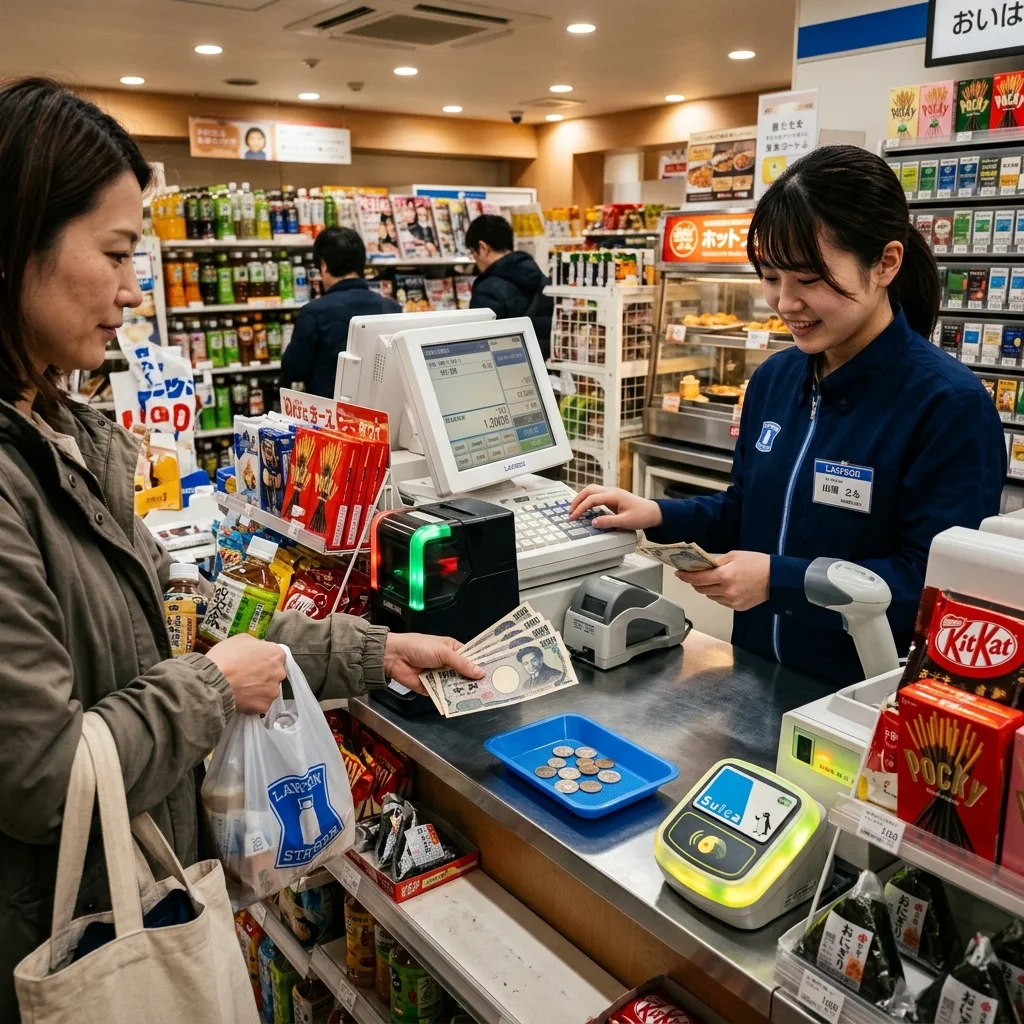
Japan, a land where ancient traditions meet futuristic innovations, often presents a delightful paradox to travelers, especially when it comes to payment methods. While the country is renowned for its high-tech infrastructure, you might be surprised to find that cash still reigns supreme in many corners. This comprehensive guide will equip you with the knowledge to confidently navigate Japan's unique payment landscape, ensuring you're never caught off guard whether you're haggling in a traditional market, hopping on a bullet train, or dining at a Michelin-starred restaurant. From understanding the ubiquitous IC cards to deciphering credit card acceptance and knowing when to have those crisp yen bills ready, we'll cover everything you need for a smooth financial journey through the Land of the Rising Sun.
Introduction
Venturing into Japan is an experience unlike any other, offering a rich tapestry of cultural wonders, culinary delights, and breathtaking landscapes. However, one common point of confusion for many first-time visitors is the country's approach to payments. Unlike many Western nations where card payments dominate, Japan maintains a strong preference for cash, especially in smaller establishments, rural areas, and for certain services. This guide aims to demystify the payment ecosystem, providing clear insights into when and where to use different methods, so you can focus on soaking in every moment of your adventure. We'll break down the nuances of cash, credit cards, and the indispensable IC cards, ensuring you're always prepared, whether you're buying a bento box at a convenience store or purchasing a unique souvenir from a local artisan.
Japan's payment culture, while evolving, still heavily favors cash for everyday transactions, especially outside major metropolitan areas. Understanding this dynamic is crucial for a stress-free trip. While credit cards are increasingly accepted, particularly in larger stores, hotels, and department stores, many smaller shops, traditional ryokans, and even some popular restaurants may operate on a cash-only basis. The convenience of IC cards for public transport and quick purchases further complicates the picture for those accustomed to a single, dominant payment method.
| Payment Method | Best Used For | Where Accepted | Watch Out For |
|---|---|---|---|
| Cash (Yen JPY) | Street food, shrine amulets, ticket vending machines, coin lockers | 100% of establishments across Japan | Heavy coins accumulate quickly; get a dedicated coin purse |
| IC Cards (Suica/Pasmo/Icoca) | Subways, buses, convenience stores, station vending machines | Major transit nationwide, konbini, chain cafes | Cannot be used for Shinkansen without linking; max balance ¥20,000 |
| Credit Cards (Visa/Mastercard) | Hotels, department stores, high-end restaurants, Shinkansen | Chain hotels, depachika, large retailers | Small ramen shops, izakayas, and countryside ryokans often reject foreign cards |
Cash: The Undisputed King (Still)
Despite its technological prowess, Japan remains a deeply cash-oriented society. For many transactions, especially those involving smaller amounts or in establishments that cater primarily to a local clientele, cash is not just preferred but often the only accepted form of payment. This includes vending machines, small cafes, ramen shops, traditional inns (ryokans), and local markets. Having a good supply of Japanese Yen (JPY) in various denominations is essential.
Why Cash? The reasons for Japan's continued reliance on cash are multi-faceted, stemming from cultural preferences, a historical distrust of debt, and a high level of public safety that makes carrying cash less risky than in other countries. Many older establishments have also been slow to adopt card payment terminals due to associated fees and the perceived hassle.
Where to Get Cash:
- ATMs: The most reliable places to withdraw cash are 7-Eleven, Lawson, and FamilyMart convenience stores, which have international ATMs that accept foreign credit and debit cards (Visa, MasterCard, American Express, Plus, Cirrus, etc.). Post Office ATMs also generally accept international cards. Bank ATMs can be hit or miss, with many not accepting foreign cards or operating with limited hours for international transactions.
- Currency Exchange: Major airports (Narita, Haneda, Kansai) offer currency exchange services with competitive rates. For more detailed insights on how to get the best rates, check out our guide on Currency Exchange in Korea: Stop Losing Money at the Airport. You can also find exchange counters in large cities, though rates might be less favorable than ATMs.
Tips for Cash Usage:
- Carry small denominations: While 1,000 yen notes are common, 10,000 yen notes can sometimes be difficult to break in smaller shops. Aim to have a mix of 1,000, 5,000, and 10,000 yen notes, along with plenty of coins (1, 5, 10, 50, 100, 500 yen).
- Embrace the coin purse: You'll accumulate a lot of coins, so a dedicated coin purse is incredibly useful.
- Pay attention to change: Japanese vendors are meticulous about giving correct change. Double-check for your own peace of mind, but errors are rare.
IC Cards: Your Seamless Travel Companion
IC cards, such as Suica, Pasmo, Icoca, and others, are rechargeable smart cards primarily designed for The Ultimate Guide to Public Transportation in Korea (2025 Edition). However, their utility extends far beyond trains and buses, making them indispensable for convenience and efficiency throughout your trip. Think of them as your all-in-one electronic wallet for small purchases.
What are IC Cards? These cards use NFC (Near Field Communication) technology, allowing for quick tap-and-go payments. While originally regional (e.g., Suica for Tokyo, Icoca for Kansai), most major IC cards are now interoperable, meaning a Suica card bought in Tokyo can be used on trains in Osaka, and for purchases in Fukuoka.
How to Get an IC Card:
- Vending Machines: Available at most major train stations. You can usually switch the language to English.
- Ticket Counters: Purchase from a JR (Japan Railways) or private railway ticket counter.
- Mobile IC Cards: For iPhone users, you can add Suica or Pasmo to Apple Wallet and charge it directly from your phone. Android users can use Google Pay with compatible apps. This is often the most convenient method for travelers.
Where to Use IC Cards:
- Public Transportation: Trains, subways, buses, and some trams. Simply tap in and tap out.
- Convenience Stores: 7-Eleven, Lawson, FamilyMart, MiniStop, etc. Perfect for snacks, drinks, and quick meals.
- Vending Machines: Many modern vending machines accept IC cards.
- Lockers: Coin lockers at stations increasingly accept IC card payments.
- Select Retailers and Restaurants: Major chains, department stores, and some restaurants, especially those near stations or in tourist-heavy areas, accept IC cards. Look for the IC card logo at checkout.
- Taxis: A growing number of taxis in major cities accept IC card payments.
Tips for IC Card Usage:
- Keep it charged: Top up your card at vending machines or convenience stores.
- Check balance: The balance is usually displayed when you tap in or out on public transport, or you can check at vending machines.
- Refunds: You can usually get a refund for the remaining balance and the 500 yen deposit (minus a small handling fee) at the issuing company's ticket counter (e.g., JR East for Suica).
Credit Cards: Growing Acceptance, Still Limitations
Credit card acceptance in Japan has significantly increased over the past decade, driven by inbound tourism and the 2020 Tokyo Olympics. Major international credit cards like Visa, MasterCard, American Express, and JCB are widely accepted in larger establishments.
Where Credit Cards are Accepted:
- Hotels: Almost all hotels, from business hotels to luxury resorts.
- Department Stores: Large department stores like Isetan, Takashimaya, and Daimaru readily accept credit cards.
- Major Retail Chains: Electronics stores (e.g., Bic Camera, Yodobashi Camera), drugstores, and large supermarkets.
- Restaurants: High-end restaurants, chains, and establishments in major tourist areas. Smaller, independent eateries are more likely to be cash-only.
- Online Bookings: Essential for booking accommodations, certain train tickets (like Shinkansen on some platforms), and tours in advance.
- Airport and Major Station Facilities: Souvenir shops, larger restaurants, and services at airports and major train stations.
Where Credit Cards are NOT (Always) Accepted:
- Small Shops and Restaurants: Many traditional, family-run establishments, especially outside big cities, are cash-only.
- Local Markets: Flea markets, street food vendors, and small stalls.
- Vending Machines: While some accept IC cards, credit cards are rare.
- Temple and Shrine Admissions: Often cash-only, sometimes exact change required.
- Buses (some local lines) and Trams: While IC cards are widely accepted, credit cards are not typically used for these smaller transport options.
- Taxis: While more are accepting cards, it's not universal, especially outside of major hubs or for smaller taxi companies. Always confirm before starting your ride.
Tips for Credit Card Usage:
- Notify your bank: Inform your bank of your travel dates to avoid your card being flagged for suspicious activity.
- Bring multiple cards: Have a backup in case one card is lost, stolen, or not accepted.
- Check for foreign transaction fees: Be aware of any fees your bank might charge for international transactions.
- Dynamic Currency Conversion (DCC): If offered the option to pay in your home currency, decline it. Always choose to pay in Japanese Yen (JPY) to get a better exchange rate from your bank.
- PIN vs. Signature: While many Japanese terminals are equipped for PIN, some might still require a signature. Know your PIN.
- JCB is strong in Japan: If you have a JCB card, it will likely be widely accepted where other major credit cards are.
Practical Guide for Navigating Payments
Before You Go:
- Exchange some cash: Arrive with at least 20,000-30,000 yen (approx. $130-$200 USD) in smaller denominations for immediate needs like airport transfers, snacks, or small purchases before you can find an ATM.
- Activate mobile IC cards: If you have an iPhone or compatible Android, set up Suica or Pasmo on your phone. This is incredibly convenient.
- Inform your bank: Let your credit card and debit card providers know you'll be traveling to Japan.
- Check ATM withdrawal limits: Understand your daily withdrawal limits for your debit card.
During Your Trip:
- Always carry cash: Make it a habit to have at least 5,000-10,000 yen on you for spontaneous purchases, small restaurants, or emergencies.
- Use IC cards for transit and convenience stores: They are designed for speed and ease in these situations.
- Use credit cards for larger purchases: Hotels, department stores, and more upscale restaurants.
- Don't rely solely on one payment method: A combination of cash, IC card, and credit card is your safest bet.
Example Scenario: Imagine you're exploring the charming streets of Kyoto. You visit a small, traditional pottery shop – cash only. Later, you grab a coffee from a modern cafe near the station – IC card accepted. For dinner, you choose a higher-end tempura restaurant – credit card works. The next morning, you take the subway to Fushimi Inari-taisha – tap your IC card. This mix is typical.
Tips & Common Mistakes
What Most Guides Miss:
- Emergency Yen: Always keep a small, separate stash of 5,000-10,000 yen for emergencies, like a taxi ride when your mobile runs out of battery or an unexpected cash-only fee.
- Understanding ATMs: Not all ATMs are created equal for tourists. 7-Bank ATMs (in 7-Eleven) are your best friend.
- The "No Tipping" Culture: Tipping is not customary in Japan and can even be considered rude. Excellent service is expected and included in the price.
- Paying for Temple/Shrine Visits: Many smaller temples and shrines, especially in less-visited areas, will have an admission fee collected by an attendant or an honesty box (saisenbako), both requiring cash.
Common Mistakes to Avoid:
- Assuming card acceptance: Never assume a place accepts cards, especially outside major tourist zones. Always check for signs (Visa, MasterCard, JCB logos) or ask "Kādo daijōbu desu ka?" (Is card okay?)
- Running out of cash in rural areas: ATMs are less prevalent in the countryside. Plan your cash withdrawals in advance if you're venturing off the beaten path.
- Over-relying on mobile payments (like Apple Pay/Google Pay for credit cards): While mobile versions of IC cards are fantastic, using your phone for credit card payments through Apple Pay or Google Pay isn't as universally accepted as in other countries, as many terminals still require physical card insertion or tap. For other crucial digital tools, including useful travel apps, refer to our guide on 7 Essential Apps for Traveling in South Korea (2025 Edition).
- Forgetting your card PIN: You will need it for ATM withdrawals and some card transactions.
How Much Cash to Carry
The right amount of cash depends on how you travel, but a simple rule works well for most visitors: carry enough yen to survive one full day without using a card, then add a small emergency buffer.
For a city-heavy trip, that usually means about ¥5,000–¥10,000 per person in daily spending cash plus another ¥10,000–¥20,000 tucked away separately. That covers convenience-store meals, a few local snacks, a temple fee, a subway top-up issue, or an unplanned taxi without forcing you to hunt for an ATM immediately.
For rural travel, hiking, or shrine-heavy itineraries, carry more. A good starting point is ¥15,000–¥30,000 depending on the length of your outing and how far you will be from major station areas. The more remote the plan, the more cash matters.
The goal is not to carry a giant wallet. It is to avoid the stress of being just one purchase away from running dry. In Japan, small amounts of cash are useful all the time; huge amounts are usually unnecessary.
A Realistic Payment Stack
If you want the least stressful setup, use a three-layer system:
- IC card for trains, subways, buses, and convenience stores.
- Credit card for hotels, department stores, nicer restaurants, and online bookings.
- Cash for temples, small shops, market stalls, and places that still prefer coins.
That stack works because each method covers the other one's weak points. IC cards are fast, but not universal. Credit cards are convenient, but not always accepted. Cash is reliable, but inconvenient if you rely on it for everything. Together, they solve most problems before they become problems.
If you are the kind of traveler who likes to optimize, the only real habit you need is topping up your IC card before it drops too low. Once you do that, Tokyo and other Japanese cities feel much easier to navigate.
FAQ
Q: Should I bring USD/EUR to exchange, or just withdraw from ATMs? A: It's generally best to withdraw Yen directly from international ATMs (like 7-Bank) as needed. The exchange rates are often better, and it saves you from carrying large amounts of foreign currency. Bring a small amount of your home currency for emergencies if it gives you peace of mind.
Q: Can I use my credit card for public transport? A: Generally no, not directly. You'll need an IC card (Suica, Pasmo, etc.) or individual paper tickets. You can, however, use a credit card to charge your mobile IC card via Apple Wallet or Google Pay.
Q: Are there any contactless payment options beyond IC cards? A: Yes, many larger stores and convenience stores now accept international contactless credit card payments (Visa PayWave, MasterCard Contactless). Look for the contactless symbol. However, it's not as widespread as IC card acceptance or cash.
Q: What about Japan Rail Pass? Does it cover everything? A: The Japan Rail Pass covers JR trains, including most Shinkansen lines. However, it doesn't cover private railway lines, subways, or buses outside of JR services. For these, you'll need an IC card or cash for individual tickets.
Q: Is it safe to carry a lot of cash in Japan? A: Japan is one of the safest countries in the world. While common sense precautions are always advised, carrying larger amounts of cash is generally considered safe.
Conclusion
Navigating Japan's payment landscape is less about choosing a single method and more about embracing a versatile approach. While credit card acceptance is on the rise, cash remains king for many authentic experiences, particularly in local shops and traditional settings. IC cards, like Suica and Pasmo, are your best friends for seamless public transportation and quick convenience store purchases, bridging the gap between cash and card. By preparing with a mix of yen, an activated mobile IC card, and your essential credit cards, you'll ensure a smooth, worry-free journey through Japan, allowing you to fully immerse yourself in its unparalleled charm. So, go forth, explore, and let nothing stand between you and your next bowl of delicious ramen or breathtaking temple visit! Remember, flexibility and preparedness are your greatest assets.