Nongak Brewery Visit: Inside Korea's First Commercial Makgeolli Brand

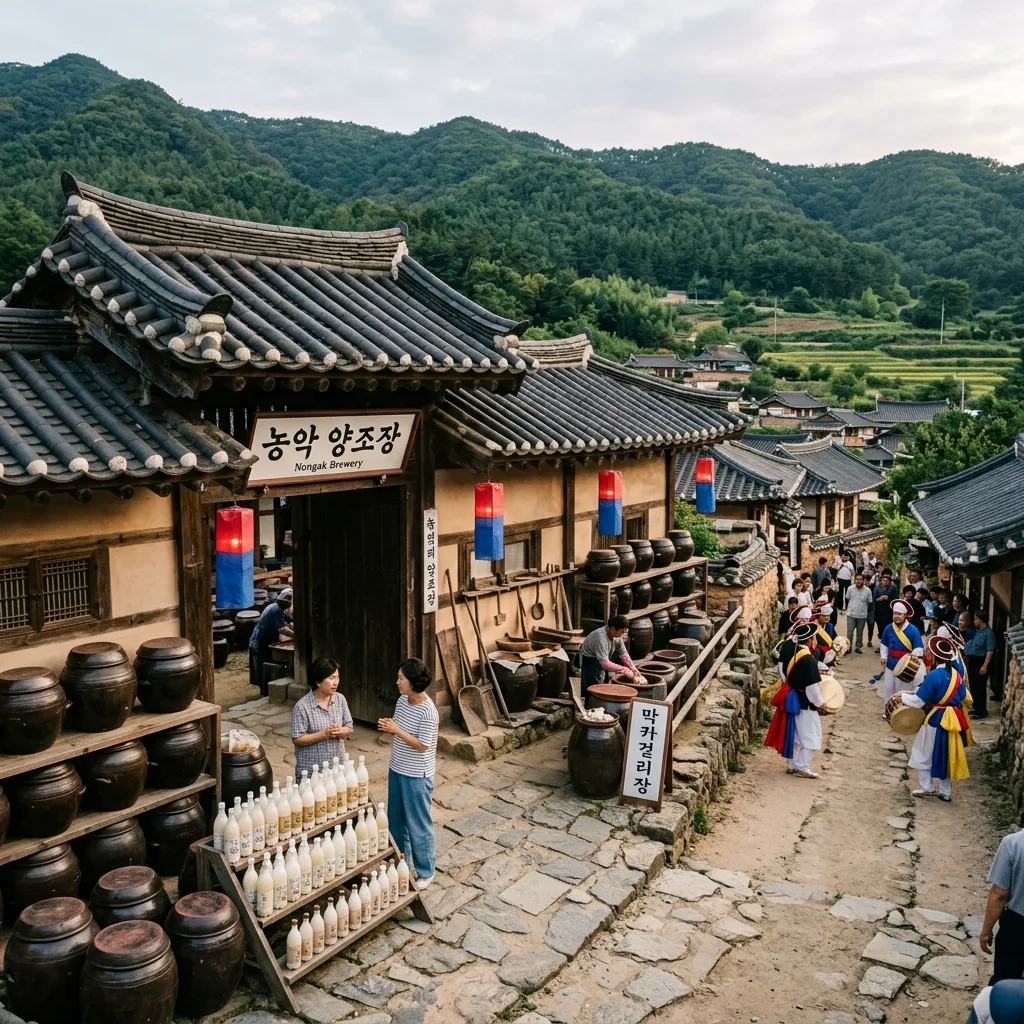
Imagine stepping into a place where tradition ferments with innovation, where ancient grains transform into a modern delight, and where every sip tells a story of cultural revival. For many travelers to South Korea, the culinary journey extends far beyond kimchi and Korean BBQ, delving into the nuanced world of traditional alcoholic beverages. While soju often takes the spotlight, it's makgeolli—a cloudy, effervescent rice wine—that truly captures the essence of Korea's agrarian past and its burgeoning craft scene. But how do you find an authentic, high-quality makgeolli experience that goes beyond a supermarket shelf? The answer lies in Pyeongtaek, at Nongak Brewery, widely recognized as Korea's first commercial makgeolli brand, a pioneer in bringing this ancient drink into the contemporary spotlight. This guide will take you on a virtual tour, revealing why a visit to Nongak Brewery is an essential detour for anyone looking to understand the soul of Korean fermentation.
The Genesis of Nongak: A Legacy Brewed in Pyeongtaek
Nongak Brewery isn't just a place where makgeolli is made; it's a testament to the revitalization of Korean culinary heritage. Established in Pyeongtaek, a city known for its rich agricultural landscape and deep-rooted cultural traditions, the brewery carries a name deeply significant to the region: "Nongak," referring to the vibrant traditional Korean farmer's music and dance, which is even recognized as a UNESCO Intangible Cultural Heritage. This choice of name isn't merely symbolic; it reflects the brewery's commitment to honoring and preserving local identity through its craft.
The story of Nongak Brewery begins with a vision to elevate makgeolli from a rustic farmer's drink to a sophisticated beverage appreciated by a wider audience, both domestically and internationally. For decades, makgeolli had been largely overshadowed by other alcoholic drinks, often perceived as a cheap and simple libation. However, a new generation of brewers, including the founders of Nongak, saw the immense potential in this milky, probiotic-rich drink. They recognized the need to innovate while staying true to traditional brewing methods, focusing on quality ingredients, meticulous fermentation processes, and diverse flavor profiles. This dedication propelled Nongak to become a trailblazer, setting the standard for commercial makgeolli production and inspiring countless other craft breweries across the nation.
The significance of Nongak Brewery as "Korea's first commercial makgeolli brand" cannot be overstated. It signifies a pivotal moment in the modernization and popularization of makgeolli. By embracing a commercial model while maintaining artisanal principles, Nongak demonstrated that traditional Korean alcohol could thrive in the modern market. Their pioneering efforts paved the way for the craft makgeolli boom, transforming a once-overlooked beverage into a beloved drink that proudly represents Korean culture on the global stage. Nongak's success proved that makgeolli was not just a drink of the past, but a versatile and delicious beverage with a vibrant future, capable of standing alongside the world's finest craft beers and wines.
The Art of Makgeolli: Ingredients, Fermentation, and Flavor Profiles
Makgeolli production at Nongak Brewery is a delicate dance between tradition and modern precision, yielding a product that is both authentically Korean and globally appealing. At its heart, makgeolli is made from three primary ingredients: rice, nuruk (a traditional Korean fermentation starter), and water. However, the simplicity of these components belies the complexity of the brewing process, where slight variations can lead to vastly different flavor profiles and characteristics.
Nongak Brewery prides itself on using high-quality, locally sourced rice, often from the fertile plains of Pyeongtaek itself. The selection of rice is paramount; varieties like glutinous rice (chapssal) tend to produce sweeter, richer makgeolli, while non-glutinous rice (mepssal) can result in a lighter, crisper profile. The rice undergoes meticulous preparation, including steeping, steaming, and cooling, to optimize its starch structure for efficient saccharification.
Nuruk, arguably the most crucial and enigmatic ingredient, is a traditional Korean fermentation starter. Its history stretches back centuries, with various regions and families developing their unique nuruk compositions, each harboring distinct microbial cultures. At Nongak, the nuruk is a carefully cultivated blend of grains (typically wheat or rice) inoculated with a diverse ecosystem of molds (like Aspergillus oryzae), yeasts (Saccharomyces cerevisiae), and bacteria (such as lactic acid bacteria). These microorganisms work synergistically: the molds break down complex starches into simpler sugars, the yeasts convert these sugars into alcohol and carbon dioxide, and the lactic acid bacteria contribute a pleasant tanginess and inhibit spoilage, enhancing the makgeolli's shelf life and flavor complexity. The specific blend of microorganisms in Nongak's nuruk is a closely guarded secret, contributing significantly to its unique aroma and flavor profile.
The water used is also critical, with local Pyeongtaek water contributing to the distinct regional character of their makgeolli, imparting subtle mineral notes that further differentiate their product.
The fermentation process at Nongak is a carefully controlled affair, typically occurring in large, temperature-regulated vats over several days or even weeks. Unlike many modern brewing techniques that involve separate saccharification and fermentation steps, makgeolli undergoes a unique single-stage, parallel fermentation. In this method, the molds in the nuruk continuously convert starches to sugars, which are then immediately fermented into alcohol by the yeasts. This concurrent process is what gives makgeolli its characteristic milky, opaque appearance, complex flavor profile, and often a delightful natural effervescence. As the fermentation progresses, the intricate interplay between the yeast and bacteria from the nuruk creates a broad spectrum of flavors, ranging from refreshingly sweet and tangy to deeply nutty, earthy, and sometimes even subtly fruity, floral, or umami notes. The brewers at Nongak meticulously monitor various parameters such as temperature, pH levels, and sugar content, making precise adjustments to guide the fermentation towards their desired outcome, ensuring a balanced, consistent, and exceptionally flavorful product.
Nongak Brewery offers a diverse range of makgeolli styles, showcasing the immense versatility of this traditional beverage. Beyond the classic, clean-tasting options, visitors might discover a "dry" makgeolli with minimal residual sweetness, or a "sparkling" variant with a more pronounced fizz. Some of their creations might incorporate local fruits, herbs, or even aged grains, resulting in seasonal or limited-edition brews with unique aromatic and taste dimensions. This dedication to both honoring traditional techniques and embracing modern innovation ensures that there's a Nongak makgeolli for every palate, inviting visitors to explore the vast potential of this traditional Korean beverage. The brewery's commitment to quality and continuous innovation has not only secured its place as a leader in the makgeolli market but has also helped reintroduce this venerable drink to a new generation of enthusiasts, both at home and abroad.
The Visitor Experience: What to Expect at Nongak Brewery
A visit to Nongak Brewery is more than just a tasting; it's an immersive journey into the heart of Korean traditional alcohol production, offering insights into both the historical significance and the modern resurgence of makgeolli. Whether you're a connoisseur of fermented beverages or simply curious about Korean culture, the brewery provides a fascinating and educational experience.
Upon arrival, visitors are often greeted by the subtle, earthy aroma of fermenting rice, a prelude to the sensory adventure awaiting them. Many breweries, including Nongak, offer guided tours that walk guests through the various stages of makgeolli production. These tours typically cover the selection and preparation of rice, the intricate process of nuruk creation, the fermentation rooms with their bubbling vats, and the bottling facilities. Knowledgeable guides explain the science and art behind makgeolli, sharing anecdotes about its history and its role in Korean society. This educational component is invaluable, transforming a simple drink into a culturally rich experience.
The highlight for many visitors is, of course, the tasting room. Here, you can sample Nongak's diverse range of makgeolli, often presented with expert guidance on tasting notes and food pairings. This is an excellent opportunity to discover your preferred style, from drier, more tart varieties to sweeter, fruitier options. Some breweries also offer food pairings, showcasing how makgeolli complements traditional Korean dishes, enhancing both the drink and the dining experience. Imagine savoring a crisp, slightly effervescent makgeolli alongside a plate of savory pajeon (green onion pancake) or spicy kimchi jeon (kimchi pancake) – a truly authentic Korean culinary delight.
Beyond the tours and tastings, Nongak Brewery often features a retail shop where visitors can purchase their favorite makgeolli, as well as related merchandise. This is the perfect place to pick up unique souvenirs or gifts for friends and family, allowing them to experience a taste of Korean tradition. The atmosphere at Nongak is typically welcoming and vibrant, reflecting the community spirit associated with Nongak (farmer's music). It’s a space where locals and tourists alike can gather, share stories, and celebrate a beverage that is deeply woven into the fabric of Korean culture. For those seeking an authentic and enriching experience, Nongak Brewery offers a unique window into the world of makgeolli, leaving visitors with a deeper appreciation for this remarkable drink and the heritage it represents.
Practical Guide to Visiting Nongak Brewery
Planning a visit to Nongak Brewery in Pyeongtaek requires a bit of logistical awareness to ensure a smooth and enjoyable experience. Here’s a comprehensive guide to help you make the most of your trip, incorporating the latest information regarding hours, prices, and booking options.
Hours of Operation
Nongak Brewery operates with distinct hours during the week and on weekends, catering to both after-work crowds and weekend explorers.
- Monday – Thursday: 5:00 PM – 12:00 AM
- Friday: 5:00 PM – 1:00 AM
- Saturday: 2:00 PM – 1:00 AM
- Sunday: 2:00 PM – 11:00 PM
Note: It's always a good idea to check their official Instagram or Naver Map listing for any last-minute changes, especially around public holidays or during special events.
Admission and Pricing
There is typically no admission fee to enter the brewery and taproom area. Prices for their craft makgeolli and food items are competitive with other craft establishments in Korea.
- Craft Makgeolli (by the glass): Generally ranges from ₩7,000 to ₩12,000, depending on the specific style (e.g., traditional, fruit-infused, aged).
- Food and Snacks: Expect to pay between ₩12,000 and ₩25,000 for appetizers and pub-style dishes like pizzas, fries, or fried chicken, which pair excellently with makgeolli.
- Sampler Sets: If you're keen to try a variety, sampler sets are often available for around ₩15,000 – ₩20,000, providing a great way to explore different brews without committing to a full glass.
How to Get There
Nongak Brewery is located in the Bijeon-dong area of Pyeongtaek. Pyeongtaek is accessible by train or bus from major cities like Seoul.
- From Seoul by Train: Take a KTX or Mugunghwa train from Seoul Station or Cheongnyangni Station to Pyeongtaek Station. The journey takes approximately 40-60 minutes by KTX and about 1 hour 15 minutes by Mugunghwa.
- From Pyeongtaek Station: The brewery is a short taxi ride (around 10-15 minutes) from Pyeongtaek Station. Alternatively, local buses can take you closer, but a taxi is often the most convenient option, especially for first-time visitors. You can use apps like Kakao Taxi or Naver Map for navigation and taxi hailing.
- By Bus: Intercity buses also connect Pyeongtaek with various cities across Korea. Check schedules and routes on the Gosok Bus T-Money or TxBus apps.
- Location Note: While specific addresses are best found via Naver Map (search for "농악 브루어리"), Bijeon-dong is a well-known district in Pyeongtaek, and most taxi drivers will be familiar with it.
Booking and Reservations
While walk-ins are generally welcome, especially on weekdays, making a reservation is highly recommended for larger groups or if you plan to visit on a busy weekend evening to guarantee a spot.
- Instagram: A common and effective way to contact Nongak Brewery for inquiries and reservations is through direct message on their official Instagram account: @nongak_brewery.
- Phone: You can also call them directly at their local Pyeongtaek number. The specific number will be available on their Naver Map listing or Instagram profile. When calling, be prepared that staff might have limited English proficiency, so having a Korean speaker assist you or using a translation app might be helpful.
- Naver Map: The Naver Map app (available in English) is an invaluable tool for navigating Korea and often allows for real-time availability checks and even direct reservations for many establishments, including Nongak Brewery. Search for "농악 브루어리" within the app.
By keeping these practical details in mind, your visit to Nongak Brewery can be a stress-free and enriching experience, allowing you to focus on enjoying the unique flavors and cultural insights it offers.
Tips & Common Mistakes for Your Nongak Brewery Visit
To truly savor the experience at Nongak Brewery and avoid common pitfalls, consider these insider tips and be aware of potential mistakes that travelers often make. Navigating a local establishment, especially one that blends tradition with modern craft, can be made smoother with a little preparation.
One of the most common mistakes is underestimating the potency of makgeolli. While its milky appearance and sometimes sweet taste can be deceptive, makgeolli typically has an alcohol content ranging from 6% to 8% ABV, similar to many beers, but some artisanal varieties can be stronger. It's easy to drink quickly due to its refreshing nature, so pace yourself, especially if you plan to try several types. Always remember to drink responsibly, and stay hydrated with water in between tastings.
Another tip is to go beyond just tasting and engage with the staff. If possible, try to ask questions about the brewing process, the history of Nongak, or makgeolli culture in general. The brewers and staff are often passionate about their craft and can provide deeper insights that aren't available in guidebooks. Even with a language barrier, a simple "cheers" (건배, geonbae) and a smile can go a long way in fostering a positive interaction.
Don't be afraid to try different food pairings. Makgeolli is incredibly versatile with food. While pajeon and kimchi jeon are classic pairings, consider trying other Korean dishes offered at the brewery or nearby restaurants. The effervescence and subtle tang of makgeolli can cut through rich flavors, making it an excellent companion to a wide range of Korean cuisine. Expanding your culinary horizons is part of the adventure.
A mistake often made by international visitors is relying solely on Google Maps for navigation in Korea. While Google Maps has improved, Naver Map or Kakao Map are significantly more accurate and reliable for public transportation, walking directions, and local business information, especially for smaller, more niche establishments like craft breweries. Download one of these apps before your trip and familiarize yourself with it. Search for "농악 브루어리" (Nongak Brewŏri) directly in the Korean apps for the most precise results.
Finally, consider visiting during off-peak hours if you prefer a quieter, more intimate experience. Weekday afternoons or early evenings might offer a chance to speak more extensively with the staff and enjoy the ambiance without the weekend rush. However, weekend evenings can be lively and offer a more bustling, social atmosphere. Choose the timing that best suits your desired experience. By keeping these tips in mind, your visit to Nongak Brewery can be elevated from a simple stop to a truly memorable cultural and culinary highlight of your trip to Korea.
FAQ: Your Questions About Nongak Brewery Answered
To help you prepare for your visit and address any lingering questions, here’s an FAQ section covering common queries about Nongak Brewery and the makgeolli experience.
Q1: What makes Nongak Brewery unique compared to other makgeolli brands?
Nongak Brewery holds a special place in the history of Korean alcohol as one of the first, if not the first, commercial makgeolli brands to successfully market this traditional beverage on a larger scale while upholding artisanal quality. Its uniqueness stems from its pioneering role in elevating makgeolli from a rustic drink to a sophisticated craft beverage, using locally sourced Pyeongtaek rice and traditional nuruk, and proudly bearing the name of the region's UNESCO-recognized farmer's music. They balance tradition with innovation, offering diverse flavors and a welcoming taproom experience that sets them apart.
Q2: Can I buy Nongak makgeolli outside of the brewery?
Yes, Nongak makgeolli is available at various locations beyond the brewery itself. You can often find their products in specialty liquor stores, upscale supermarkets, and sometimes even in traditional markets across South Korea, particularly in the Gyeonggi Province area. Some restaurants that focus on traditional Korean cuisine or craft beverages may also carry their makgeolli. However, for the freshest selection and the full range of their seasonal or limited-edition brews, visiting the brewery directly is highly recommended. Online retailers specializing in Korean traditional alcohol might also stock their products for domestic delivery.
Q3: Are there any non-alcoholic options available at Nongak Brewery?
While Nongak Brewery's primary focus is makgeolli, many taprooms and breweries in Korea also offer a selection of non-alcoholic beverages to cater to all visitors. This might include soft drinks, juices, or traditional Korean teas. It's best to check with the staff upon arrival or review their menu online via Naver Map or Instagram. Even if you're not drinking alcohol, the atmosphere, food, and cultural insights make a visit worthwhile for anyone interested in Korean fermentation traditions.
Q4: Is Nongak Brewery suitable for families or children?
Breweries, by their nature, are establishments primarily catering to adults for alcohol consumption. However, Nongak Brewery also functions as a cultural experience showcasing traditional Korean craft. While children might not be able to participate in tastings, some breweries are family-friendly, especially during daytime hours, offering food and a relaxed atmosphere. Given its location in Pyeongtaek, it's more of a local establishment. It's advisable to contact the brewery directly via Instagram or phone (as detailed in the Practical Guide section) to inquire about their policy regarding children or family visitors before planning your trip. This ensures that your visit is comfortable and appropriate for everyone in your party.
Q5: How long should I plan for a visit to Nongak Brewery?
The duration of your visit can vary depending on your level of interest. If you're simply looking to do a quick tasting and purchase some bottles, an hour might suffice. However, to fully immerse yourself in the experience, including a potential tour (if offered), a leisurely tasting, enjoying some food, and soaking in the ambiance, you might want to allocate 2 to 3 hours. If you plan to travel from Seoul, factor in additional time for transportation (approximately 1.5 to 2 hours each way, depending on your mode of transport and connection times). It's a destination best enjoyed without rushing.
Conclusion: A Toast to Korean Heritage and Innovation
A visit to Nongak Brewery transcends the simple act of drinking; it is an exploration of cultural identity, artisanal dedication, and the vibrant revival of a beloved Korean tradition. As Korea's first commercial makgeolli brand, Nongak has not only perfected the ancient art of rice wine fermentation but has also championed its place in the modern world. From the meticulous selection of local Pyeongtaek rice to the intricate science of nuruk and the careful dance of fermentation, every bottle of Nongak makgeolli tells a story of heritage brewed with innovation.
Whether you are a seasoned traveler seeking authentic culinary experiences or a curious explorer eager to delve deeper into Korean culture, Nongak Brewery offers a unique and enriching journey. It provides a rare opportunity to taste history, understand the craft, and witness firsthand the passion that goes into every cloudy, effervescent sip. By offering a range of distinct makgeolli styles, coupled with a welcoming atmosphere and insights into the brewing process, Nongak ensures that there is something for everyone to discover.
So, as you plan your next adventure in South Korea, consider making a pilgrimage to Pyeongtaek. Let the flavors of Nongak Brewery be a highlight of your trip, a true taste of Korea that bridges the past and the present. It’s an experience that celebrates tradition, fosters community, and leaves you with not just a delicious memory, but a deeper appreciation for the rich tapestry of Korean culinary arts. Geonbae to Nongak Brewery – a true pioneer in the world of makgeolli.
For the surrounding drink-and-nightlife context, see Korean drinking culture, Korean bar etiquette, and best makgeolli bars in Seoul.