Volunteering in Korea: Meaningful Travel Experiences and Programs
South Korea is a land of striking contrasts, where ancient palaces sit in the shadow of neon-lit skyscrapers, and traditional tea houses share street corners with high-tech gaming lounges. For many travelers, the appeal of Korea lies in its K-pop culture, its world-class cuisine, or its stunning natural landscapes. However, there is a growing segment of visitors who are looking for something deeper than a standard tourist experience. They want to connect with the local community, contribute to a cause they care about, and see a side of the country that most visitors never encounter. This is the world of volunteering in South Korea—a journey that offers not just a chance to see the sights, but a way to truly live the culture.
Introduction: The Heart of Meaningful Travel
Volunteering in a foreign country, often referred to as "voluntourism," has evolved significantly over the last decade. In South Korea, this movement has taken on a unique character. Known for its rapid economic development (the "Miracle on the Han River"), Korea is a nation that prides itself on hard work, community spirit (the concept of Jeong), and a deep-seated tradition of helping others. For the international traveler, volunteering here isn't just about providing labor; it’s about participating in a sophisticated social fabric that values mutual respect and shared goals.
Whether you are a student on a gap year, a digital nomad looking for a meaningful break, or a family wanting to teach your children the value of global citizenship, South Korea offers a diverse array of opportunities. From rehabilitating abandoned animals in the outskirts of Seoul to teaching English to North Korean refugees, or even spending your mornings harvesting rice in a misty rural valley, the experiences are as varied as the landscape itself.
In this guide, we will explore the landscape of volunteering in Korea, provide essential legal and practical advice, and highlight some of the most impactful programs currently available to international visitors.
Why Volunteer in South Korea?
You might wonder why someone would choose to volunteer in a highly developed nation like South Korea. Unlike many developing countries where volunteering often focuses on basic infrastructure or poverty relief, volunteering in Korea is frequently about specialized social issues, cultural exchange, and environmental conservation.
Deep Cultural Immersion
When you travel as a tourist, you interact with hotel staff, restaurant servers, and tour guides. When you volunteer, you interact with everyday Koreans—your fellow volunteers, the organizers, and the people (or animals) you are helping. You’ll learn the nuances of Korean social hierarchy, the importance of nunchi (the art of sensing others' moods), and the genuine warmth that lies behind the initial polite reserve.
Personal Growth and Perspective
Living and working in a different culture challenges your assumptions and forces you to adapt. In Korea, where efficiency and punctuality are highly valued, you might find yourself learning new ways to manage tasks or communicate across language barriers. The satisfaction of overcoming these challenges while contributing to a worthy cause is a powerful driver for personal growth.
A Unique Perspective on Korean Society
Volunteering allows you to see the "real" Korea. You might work in a neighborhood that isn't on any tourist map, or participate in a traditional festival not as a spectator, but as a helper. You’ll gain insights into the social challenges Korea faces—such as its aging population, the integration of defectors, or the struggle for animal rights in a changing society.
Navigating the Legal Landscape: Visas for Volunteers
Before you pack your bags, it is crucial to understand the legalities of volunteering in South Korea. The Korean government takes immigration and labor laws very seriously, and even unpaid work can sometimes be categorized in a way that requires a specific visa.
The Tourist Visa (B-1, B-2, C-3)
Most visitors enter Korea on a tourist visa or a visa waiver (K-ETA). For a full breakdown of entry requirements, see our K-ETA and visa requirements guide. Generally speaking, formal volunteering is not permitted on a standard tourist visa. If a program provides accommodation and meals in exchange for your help, the immigration office may view this as "payment in kind," which technically constitutes work. If you are caught performing work-like activities on a tourist visa, you could face fines, deportation, or a ban on future entry.
However, informal volunteering—such as helping out at a local language exchange for a few hours or participating in a one-day beach clean-up—is usually fine. Always check with the host organization to see if they have clearance for tourist volunteers.
The Working Holiday Visa (H-1)
For young people (usually aged 18-30, depending on the country), the H-1 Working Holiday Visa is the gold standard for long-term volunteering. This visa allows you to stay in Korea for up to a year and permits you to engage in most types of work, including both paid employment and volunteer positions. This is the best option for those who want to spend several months with a single organization.
The Student Visa (D-2, D-4)
If you are in Korea to study the language or attend university, your visa typically allows for part-time work and volunteering. However, there are often restrictions on the number of hours you can work per week, and you may need permission from your school and the immigration office.
Special Volunteer Visas (C-4, D-6)
For some highly structured programs, the host organization may be able to sponsor a specific volunteer visa.
- C-4 (Short-term Employee): Occasionally used for short-term specialized projects.
- D-6 (Religious Affairs/Social Welfare): Often used for long-term volunteers working with registered religious or social welfare NGOs. These require an official invitation from a Korean organization.
Important Tip: Never mention "work" or "volunteering" as your primary purpose of entry at the immigration desk if you are on a tourist visa. If you have been accepted into a formal program, ensure you have the correct documentation and follow the host’s advice on how to handle immigration.
Top Volunteering Categories & Programs
South Korea’s volunteer landscape is broad. Depending on your skills and interests, you can find a program that resonates with you.
1. Teaching and Mentoring
Education is the cornerstone of Korean society, and there is a huge demand for English language support, particularly for marginalized groups.
- Freedom Speakers International (FSI) / Formerly TNKR: Based in Seoul, this incredible organization connects international volunteers with North Korean refugees. Volunteers act as English tutors and mentors, helping refugees gain the language skills they need to tell their stories to the world. This is highly rewarding but requires a serious commitment to the students' progress.
- Local Study Rooms (Gong-bu-bang): Many local community centers run after-school programs for children from low-income families. While these often require some Korean language ability, native English speakers are sometimes welcomed to lead activities or basic conversation classes.
2. Animal Welfare and Rescue
The animal rights movement in South Korea is growing rapidly. With an increasing number of abandoned pets and a push toward ending the traditional dog meat trade, animal shelters are often overwhelmed and in desperate need of hands-on help.
- Beagle Rescue Network: This organization focuses on rescuing beagles from laboratory testing and other cruel conditions. They have shelters where volunteers can help with cleaning, feeding, and socializing the dogs to prepare them for adoption.
- KARA (Korea Animal Rights Advocates): One of the largest and most influential animal rights groups in Korea. They run a state-of-the-art rescue center (The KARA Deo-beul Center) and often have volunteer opportunities for both residents and visitors, ranging from shelter work to administrative tasks.
- Paws Korea / Asan Animal Shelter: Many smaller, independent shelters around the country rely almost entirely on international volunteers. These positions often involve hard physical labor—cleaning cages, walking dogs, and basic maintenance—but the bond you form with the animals is unforgettable.
3. Sustainable Agriculture and Rural Life
If you want to escape the city and experience the "old Korea," rural volunteering is a fantastic option.
- WWOOF Korea (World Wide Opportunities on Organic Farms): WWOOF is a global movement that links volunteers with organic farmers. In exchange for about 4-6 hours of work per day, you receive free room and board. In Korea, this might mean staying with a family on a small vegetable farm in Gangwon Province, helping with a tea harvest in Boseong, or learning about traditional fermenting techniques in a mountain village. It is a profound way to experience Korean hospitality and rural traditions.
4. Environmental and Ecological Conservation
South Korea is a mountainous country with beautiful national parks and a long coastline, all of which require maintenance and protection.
- Korea National Park Service (KNPS): While most full-time positions are for Korean citizens, the KNPS sometimes organizes volunteer events, such as trail maintenance or trash collection drives in popular parks like Bukhansan or Seoraksan.
- IVHQ (International Volunteer HQ): IVHQ offers a structured program in Seoul that includes ecological park rehabilitation. Volunteers work in various city parks, helping to maintain green spaces, remove invasive species, and support urban sustainability initiatives.
5. Social Welfare and Community Support
Helping the vulnerable members of society—the elderly, the homeless, and the disabled—is a core part of the Korean volunteer spirit.
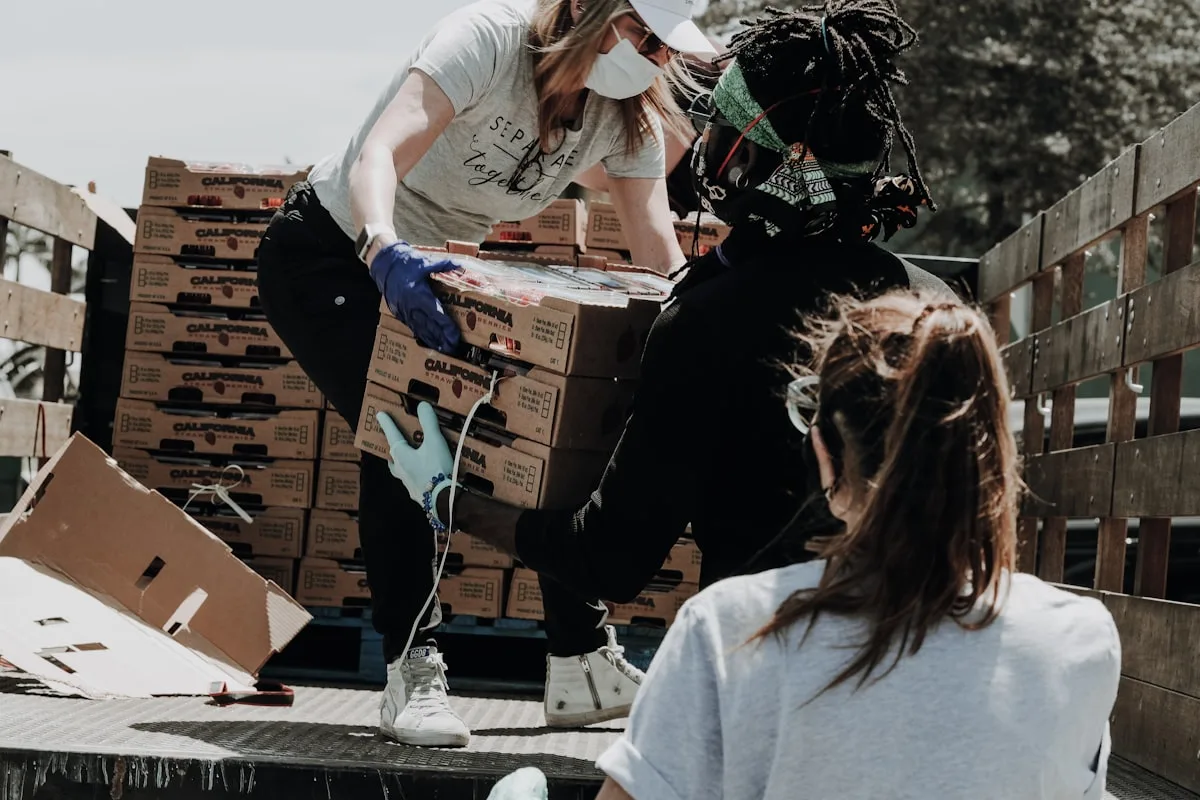
- Soup Kitchens (Bab-per): Several organizations in Seoul and other major cities operate soup kitchens for the homeless and elderly. Volunteers help with food preparation, serving, and cleaning up. This is a very "front-line" way to see the social challenges in urban Korea.
- Senior Centers: Korea has a rapidly aging population, and many elderly people live alone. Some programs involve visiting seniors to provide companionship, help with household tasks, or deliver meals.
How to Find Opportunities
Finding the right program requires some research. Here are the best places to start:
- 1365 Volunteer Portal (1365.go.kr): This is the official government-run portal for all volunteering in Korea. It is incredibly comprehensive but can be difficult for non-residents to use because it often requires a Korean ID or phone number for registration. However, you can browse the listings to see what kinds of activities are happening in different districts.
- VMS (Volunteer Management System): Similar to 1365, this system tracks volunteer hours for social welfare organizations.
- GoAbroad and GoOverseas: These websites are excellent resources for finding structured international volunteer programs (like IVHQ or United Planet) that handle much of the logistics for you.
- Facebook Groups: Groups like "Volunteers in Korea" or "Seoul Volunteers" are active communities where organizations post urgent needs or upcoming events.
- Direct Outreach: If there is a specific NGO or shelter you admire, don't be afraid to email them directly. Many are happy to hear from enthusiastic volunteers, even if they don't have a formal "program" listed on their website.
Planning Your Trip: Costs, Insurance, and Preparation
Volunteering is not always "free." While you are giving your time, there are costs involved in setting up and maintaining volunteer programs.
Program Fees
Many structured programs (especially those found through international agencies) charge a program fee. This usually covers:
- Accommodation (often in a volunteer house or homestay)
- Some or all meals
- Orientation and training
- 24/7 support from local staff
- A contribution to the host organization’s projects
Fees can range from a few hundred to over a thousand dollars depending on the length of stay and the level of support provided.
Travel Insurance
Most volunteer organizations require you to have comprehensive travel insurance that includes coverage for volunteer activities. Make sure your policy covers medical emergencies, evacuation, and personal liability.
Language Preparation
While many organizations in Seoul have English-speaking staff, your experience will be infinitely richer if you learn some basic Korean. Knowing how to say "hello," "thank you," and "where is the..." goes a long way in building rapport with locals. Our guide to learning Korean as a traveler with the best free apps is a great starting point before your trip. If you are volunteering in rural areas (like with WWOOF), Korean skills are almost essential for basic communication with your hosts.
Background Checks
If your volunteer work involves children, North Korean refugees, or vulnerable adults, you will likely be required to provide a criminal background check from your home country. Start this process early, as it can take several weeks.
Cultural Etiquette for Volunteers
In Korea, how you do something is often as important as what you do. Following cultural norms will ensure you are respected and effective in your role.
Respect the Hierarchy
Korean culture is deeply influenced by Confucianism, which emphasizes respect for age and position. Always use polite language (even if you only know a few words) and be deferential to those older than you or in leadership positions.
The Power of "Nunchi"
Try to be observant. If you see others taking off their shoes, follow suit. If you notice a specific way tools are being cleaned, replicate it. Nunchi is about being tuned in to the social environment and acting accordingly without being told.
Punctuality and Commitment
Koreans value hard work and reliability. If you commit to a shift, show up on time (or five minutes early). If you are volunteering at a shelter or school, the staff and students are counting on you. Flakiness is seen as a major sign of disrespect.
Gift-Giving (Jeong)
If you are staying with a host family (WWOOF) or working closely with a small team, bringing a small gift from your home country (like chocolates, tea, or a local handicraft) is a wonderful way to show appreciation and build Jeong (emotional connection).
A Day in the Life: The Rural Volunteer Experience
To give you a better sense of what volunteering in Korea actually looks like, let’s imagine a typical day for a WWOOFer on an organic pear farm in Gyeonggi Province.
06:30 AM: Wake up to the sound of birds and the cool morning air. You’re staying in a small, traditional room with a floor mattress (yo). After a quick wash, you head to the main kitchen.
07:00 AM: Breakfast with the host family. It’s a hearty meal of rice, soybean paste soup (doenjang-jjigae), and various side dishes (banchan) including, of course, kimchi. The conversation is a mix of broken Korean, English, and hand gestures.
08:00 AM: Out to the pear orchards. Today’s task is "thinning"—removing smaller fruits so the remaining ones can grow large and sweet. It’s repetitive work, but there’s a peaceful rhythm to it. The host explains the importance of organic farming and the challenges of the changing climate.
12:00 PM: Lunch break. You eat under the shade of a large tree. The host’s wife has brought out cold noodles (naengmyeon) and fresh vegetables from the garden. You talk about your home country and show them photos on your phone.
01:00 PM: Afternoon work. You help bag the pears to protect them from insects. The sun is hot, but you feel a sense of accomplishment as you see the rows of protected fruit.
03:30 PM: Work day ends. You have the rest of the day to yourself. You take a walk through the local village, visit a small hidden temple on the hillside, and stop by the local convenience store for a treat.
06:30 PM: Dinner with the family. Tonight, they’ve invited a neighbor over, and there’s a festive atmosphere. You help clear the table and wash the dishes, feeling like a part of the household.
09:00 PM: As you settle into your room, you’re tired, but your mind is full of new sights and sounds. You realize you haven’t looked at your social media all day, and you don’t even miss it. This is the "meaning" in meaningful travel.
Conclusion: Making a Difference, One Step at a Time
Volunteering in South Korea is not always easy. It can be physically demanding, emotionally taxing, and culturally challenging. But the rewards—the genuine smiles of a child you’ve helped, the grateful wag of a rescued dog’s tail, or the quiet beauty of a Korean sunrise over a field you helped plant—are far greater than any souvenir you could buy.
By stepping outside the tourist bubble and offering your time and skills, you contribute to a more connected and compassionate world. You leave Korea not just with photos of palaces and skyscrapers, but with a piece of the Korean heart in your own. Whether you stay for a week or a year, your contribution matters.
Are you ready to find your place in the land of the morning calm? The organizations are waiting, the causes are urgent, and the experience of a lifetime is just one volunteer application away.
References & Resources:
- WWOOF Korea Official Site
- Freedom Speakers International
- KARA - Korea Animal Rights Advocates
- International Volunteer HQ - Korea Programs
- 1365 Volunteer Portal (Korean)
- Beagle Rescue Network
If you want to build deeper roots in your new community, our guide to Building a Local Life: How to Make Friends and Find Community in Korea has practical advice for long-stay residents and volunteers alike. To break the ice with locals and fellow volunteers, brushing up on your language skills with Learning Korean as a Traveler: Best Free Apps and Resources is invaluable. And if you're making this part of a larger gap-year adventure, you'll want to read about Working Holiday Visas in South Korea: Everything You Need to Know.